Can Cats Get Addicted to Catnip? Vet Approved Facts & FAQ


In this article
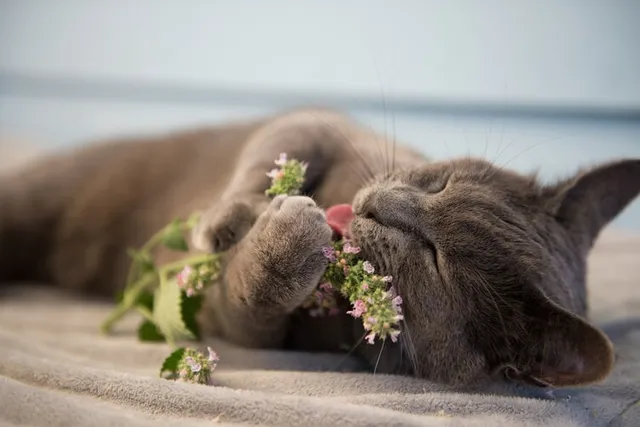
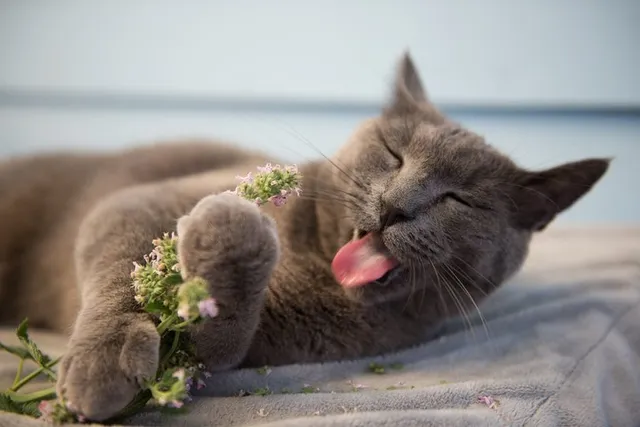
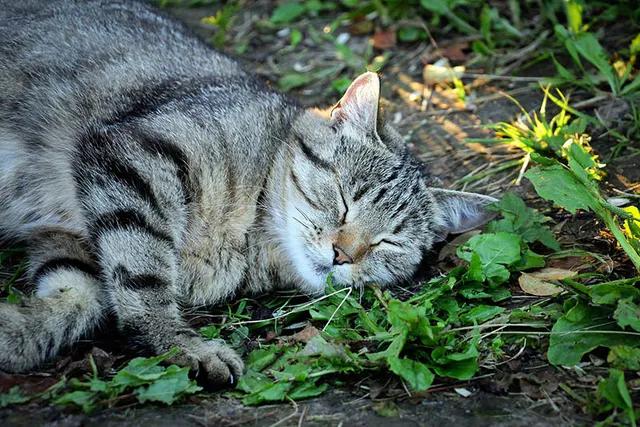
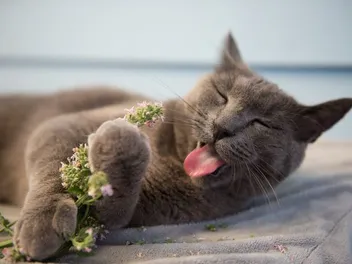
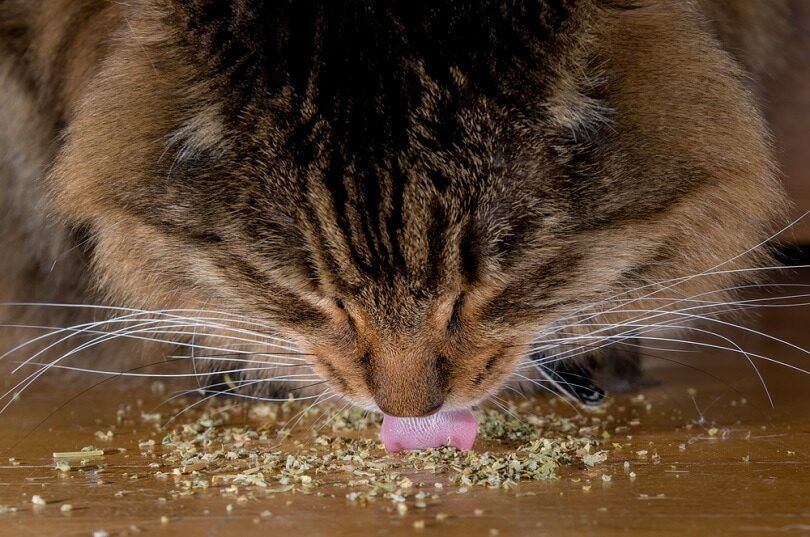
If you have a cat or two, you’ve probably heard about catnip, which is a plant that cats seem to enjoy more than any other. Catnip has some rather interesting effects on cats, to say the least. When exposed to catnip, most cats will eat a little, sniff it deeply, and even roll around in it. Some cats will have a much stronger response, becoming hyperactive, incredibly relaxed, and even rubbing it on their face.
Many experts believe these reactions are because, when exposed to catnip, some cats experience a feeling similar to the “high” caused by marijuana. That has led more than a few cat owners to ask a similar question; can cats get addicted to catnip? The good news is that cats can’t get addicted to catnip. Studies have shown that, even if they’re exposed to it often, cats don’t go through withdrawal if their catnip is taken away. They can, however, develop a tolerance to catnip with regular exposure.
Knowing that cats can’t get addicted to catnip, you might have more questions about the plant, including why it affects cats the way it does. If so, the answers you seek are below. Read on to discover everything you’ve always wanted to know about catnip and why many cat experts suggest letting your cat enjoy it as much as they like.

Can Your Cat Get “High” on Catnip?
Whether cats get high on catnip has been asked for many years, and the answer seems to be yes. Research, for example, shows that catnip directly affects a cat’s internal opioid system1. When your cat sniffs catnip, it causes its body to release natural opioids called endorphins, making them feel good. Not surprisingly, endorphins are known as the “feel-good hormones.”
Endorphins are released due to an organic chemical in catnip called nepetalactone. It’s believed that nepetalactone only works when it is smelled by cats and has to pass the olfactory nerve, but some believe that cats chew catnip to release even more of the chemical and get a more significant endorphin response.
Another reason cat experts believe they get high on catnip is that cats given naloxone before exposure to catnip aren’t affected by the plant; naloxone is an opioid antidote.

Are All Cats Affected by Catnip?
Interestingly, not all cats are affected by catnip, and some could care less about the plant. Veterinarians have shown that about 40% of cats don’t react to catnip. Other studies have shown that a cat’s responsiveness to catnip is hereditary and passed down from its parents.
In other words, don’t be alarmed if your cat doesn’t react to a catnip plant or a catnip-filled toy. There’s almost a 50% chance that it won’t cause them any reaction. Although catnip isn’t harmful to kittens, most won’t react to the plant until they are at least 6 months old, and some will take even longer.
What Reactions Will Your Cat Have After Exposure to Catnip?
We mentioned earlier that nepetalactone is the chemical in catnip that causes cats to get high and act in unusual ways. These reactions happen because cats have a specialized organ in the roof of their mouth, the vomeronasal gland, that they use to detect smells and scents. When your cat gets near catnip, this specialized gland in its mouth picks up the nepetalactone and carries the chemical to its brain, causing the reaction that releases endorphins.
So, what exactly happens when your cat’s vomeronasal gland detects the nepetalactone in catnip? First and foremost, your cat will react as if it’s been sexually aroused because catnip causes reactions similar to cat sex hormones. Your cat might be overly affectionate and relaxed and appear very happy. However, in some cases, it may also become slightly aggressive. Cats often get aggressive when they’re sexually aroused.
Besides sexual arousal, your car might also display other behavior, including rolling around on the floor, meowing or growling incessantly, rubbing up against you and other objects, and “zoning out” as if they were slightly drunk from alcohol.

How Long Do the Effects of Catnip Last?
As with any stimulant, the effects of catnip don't last forever. For most cats, the effects of catnip last between 10 and 15 minutes and, at the most, 20 minutes. What's interesting is that once the effects of catnip have gone away, your cat won't react to catnip for about an hour or longer.
Top 5 Benefits Catnip Offers for Your Cat
Like marijuana for humans, catnip offers several benefits for your cat beyond arousing them and making them act silly or feel relaxed. Indeed, catnip has several benefits for your cat's physical and mental well-being and is highly recommended by many veterinarians. Below are some benefits your cat will receive from catnip.
1. Catnip Can Calm a Stressed-Out Kitty
The effects of smelling catnip are well documented. What most cat parents don't realize is that catnip acts like a sedative when eaten. Most cats will be very relaxed after eating a small portion of catnip and usually take a long nap. If your cat is anxious or scared for some reason, feeding them some catnip can help calm their nerves. Catnip is fantastic if you‘ve just moved from one home to another, and it will help make your cat’s transition to their new space easier and less stressful.

2. Catnip Can Help Your Indoor Cat Stay Fit
One challenge many cat parents face with an indoor cat is that, since they don't get as much exercise running around outside chasing small critters, they become lethargic and obese. Giving your cat some catnip will energize it and help it stay active. That's especially true for toys filled with catnip, as your cat will gleefully bat them around and run after them for hours on end.
3. Catnip Can Keep Your Cat From Engaging in Destructive Behavior
The worst thing for an indoor cat is to be bored because a bored cat tends to get into trouble. For example, a bored cat will scratch furniture and chew on things it isn't supposed to be chewing on. That could happen even if your cat has a scratching post or a cat tree. To prevent this behavior, you can sprinkle catnip on their cat tree or use catnip spray on their scratching post.
4. Catnip Can Help Your Cat Sleep Better
Although rare, some cats suffer from insomnia and other disorders affecting their sleep. As we mentioned earlier, catnip acts like a sedative when eaten. For that reason, giving your cat some catnip before bedtime can be helpful. It's a natural sleep aid that's much safer than any prescription sleep medication; even better, it isn't addictive.

5. Catnip Plants Repel Mosquitoes
Although catnip plants outside your home won't particularly help your cat, they have been shown to repel pests, including mosquitoes. If yours is an outdoor cat and there is a mosquito problem in your area of the country, planting a few catnip plants around your yard, patio, or deck is a great idea. Not only will your cat enjoy them, but you and your cat will enjoy having fewer mosquitoes around.
Frequently Asked Questions
Can Your Cat Overdose on Catnip?
Unlike many plants and medications, your cat cannot overdose on catnip. That being said, if you give your cat too much catnip or they eat too much of it at one time, the plant can sometimes cause vomiting and diarrhea. The good news is that most cats won't eat enough catnip to cause this reaction.
You should note that giving catnip to an aggressive cat might not be a good idea. The reason is that some cats will become more belligerent when exposed to catnip, and if your cat is already feisty, catnip could make them even more so. It's also worth noting that if your cat has epilepsy, catnip might not be a good idea because it's been shown to cause seizures in rats.
Can You Grow Catnip at Home?
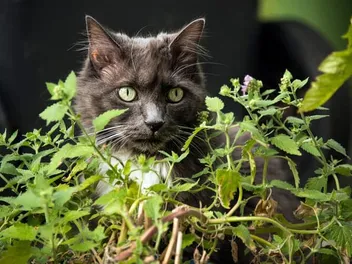
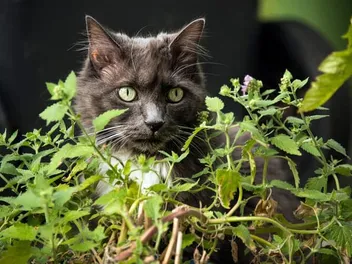
Catnip grows easily in North America and grows best in zones 3 to 9. Most people raise their catnip in pots so that, if needed, they can move their plants around quickly. Also, if you grow your catnip in pots, you can move the plants indoors during winter and have fresh catnip for your cat year-round.

Final Thoughts
As we've discovered, cats do not get addicted to catnip and do not show any signs of withdrawal if their catnip is taken away. However, if your cat overeats catnip, it can have adverse reactions, including vomiting and diarrhea. The good news is that most cats will never eat enough catnip for this to happen. The even better news is that catnip has several excellent health benefits for your cat.
Most veterinarians highly recommend giving your cat some catnip and allowing them to enjoy the effects it causes. As a pet parent, seeing your beloved cat enjoy themselves after they've been given some catnip can also be a joyful and fun experience.
Related read: Can Cats Get High?
Sources
Featured Image Credit: Doug McLean, Shutterstock
Expert cat care, straight to your inbox
News, insights, and useful advice, delivered to you.

No spam — unsubscribe anytime.
By signing up, you agree to our Terms & Conditions and Privacy & Cookies Policy.
How useful was this post?
Click a star to rate. You can leave written feedback afterwards. (We read all feedback.)
Gregory Iacono former chiropractor and self-taught writer. Greg has experience in a wide variety of subjects including video script. As a man of clinical experience, Greg has the ability to digest a complex subject and make it accessible to the reader. Greg enjoys traveling and spending time with his two daughters and son.