What Is the Impact of Cats on Local Wildlife? Statistics & Protection Tips


In this article
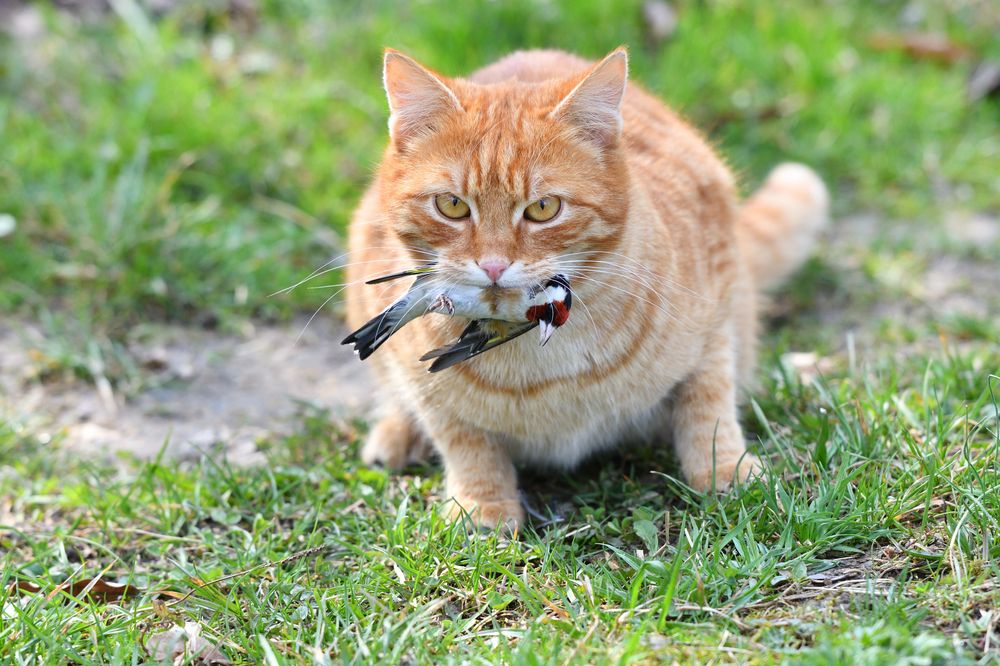
Did you know that cats have contributed to the extinction of over 60 species of wild birds, mammals, and reptiles?1 Unfortunately, it's true, and it seems they continue to adversely impact a wide range of species. In fact, cats are listed as one of the 100 worst invasive species in the world.2
Cats are obligate carnivores and natural hunters. They need animal protein to survive, and chasing after and killing their prey is an instinctual and entertaining pastime. But what ecological impact are cats having on our world's biodiversity?

Cats & Wildlife: The Shocking Numbers
One fact that surprised me was that cats can kill two to 10 times more wildlife than other predators of a similar size. They mostly hunt in areas that surround their homes (within a 100-meter radius), making the effect on wildlife highly concentrated.
Since pet cats are fed cat food by their humans, they presumably kill fewer prey daily than other wild predators. However this is just a presumption. A cat can hunt for the thrill of it, and they’re opportunistic - a well-fed cat may definitely attempt to hunt if the opportunity arises.
Because their home ranges are small, the effect on local wildlife is very concentrated. When you consider how densely populated pet cats can be in some areas, you can see how the risk to birds and mammals can be even worse.
While the main impact of cats is through direct predation, they can also carry and spread diseases that can affect humans and wildlife. For example, certain diseases can cause livestock to abort their fetuses or cause scar tissue in livestock meat, effectively reducing farmers' productivity and income.

Let's take a closer look at how the domestic and feral cat populations affect wildlife in several areas of the world.
United States
It is estimated that cats kill up to 4 billion birds and over 22 billion mammals yearly in the United States. Mammals like mice, voles, rabbits, and shrews are most likely to be preyed upon.
Feral cats are especially impactful in island ecosystems such as Hawaii. They have robust populations on all eight of the main islands and are behind widespread ecological disruptions that have threatened and continue to threaten the native wildlife. Aside from acting as predators, the introduction of cats on the islands has spread the potentially lethal parasite Toxoplasma gondii. This parasite is responsible for contaminating water and marine environments, negatively impacting birds and mammals like monk seals.
Canada
Cats are the number one killer of birds in Canada, killing between 100 and 350 million birds every year. Canada's wild bird populations have been dropping off for the last 40 years, with some species' populations decreasing by over 95%. Cat predation adds significant pressure to these declining populations that are already facing serious challenges like habitat loss and pesticides.
Australia
Cats are considered an invasive species in Australia and have caused more environmental damage there than on any other continent. Cats are not native to the area and were only introduced in the early 1800s, and since they're still relatively new to the island, the native Australian animals never had a chance to co-evolve with them.
Domestic and feral cats in the country kill over one billion mammals, 399 million birds, 609 million reptiles, and 92 million frogs, making them one of Australia's most ecologically damaging and costly invasive species.
Australia's feral cats have directly contributed to the extinction of over 20 native Australian mammals, such as the rusty numbat and the desert bandicoot.

China
China's domestic cat population is in the midst of a boom at the time of writing, rising over 10% from 48 million to 58 million between 2020 and 2021. But, the country's populations of feral cats are also on the rise, with up to five million in Beijing alone. Research from 2021 suggests that these stray cats are responsible for killing billions of invertebrates, fishes, amphibians, reptiles, birds, and mammals.
Islands
Islands are home to many "ecologically naïve" animal species. This refers to the tendency of animals on isolated islands to lose their wariness of potential predators. They do not have a response when face-to-face with larger predators, like cats. When feral cats are introduced to these islands, they can have a devastating effect on biodiversity.
Cats have been implicated in the local extinction of species such as the Lyall's wren in New Zealand or the cavy-like hutia in the Caribbean islands.
Stray vs Household Cats
Over 25% of households in the United States have at least one pet cat. While 75% of these pet cats are kept strictly indoors, the other quarter is left free to roam outside. Hybrid indoor-outdoor cats are responsible for killing approximately two animals weekly, but you might be shocked to learn that these hybrids are not the primary issue.
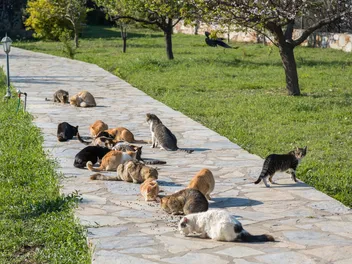
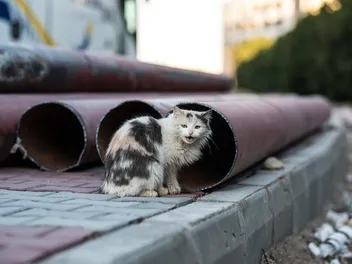
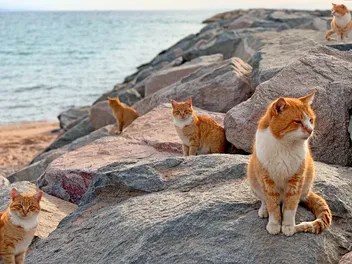
Estimates suggest that there are anywhere between 60 to 100 million homeless cats in America. While the average household cat in your neighborhood may be responsible for some of the deaths of your local wildlife, the stray cats are likely responsible for the bulk of them. According to data, stray and feral cats are responsible for 69% of bird deaths and 89% of mammal deaths in America.
The problem with stray cats is that they are often "sponsored" by humans. Instead of bringing the strays into their homes, humans provide them with food and support that allow them to continue to reproduce at unnatural rates. As a result, they live in the same area for their entire lives, constantly killing and not giving the population of local wildlife time to rebound as they would in a natural predator-prey cycle.

How Can I Do My Part in Protecting Local Wildlife?
The answer to protecting your local wildlife is to keep your cats indoors. Your pet cannot harm your neighborhood's birds or mammals if it's safe inside your home all day.
Of course, your kitty might have something to say about your decision to keep them indoors, especially if they are used to having free roam in their neighborhood. This is a process that's going to take some time, so patience is a virtue here. Your goal is to make your home as enjoyable as possible with plenty of toys, enrichment, and ways for your cat to flex its hunting muscles. Feed them using food puzzles and invest in toys that mimic the movement of birds or mice when you play with them.
If your cat is still begging at your door to go outside, consider building them a catio. Catios are the perfect transition for cat owners looking to transition their outdoor cat to indoor life as they provide the stimulation of the outdoors while ensuring any local wildlife is out of reach.
You might also buy a leash and collar for your cat so you can take them for walks to allow them to enjoy the outdoors safely.
Taking your cat for a walk may sound challenging, but the right harness and leash can make all the difference! We recommend Hepper's Cat Harness & Leash Set because it combines important safety features with stylish and comfortable design elements.
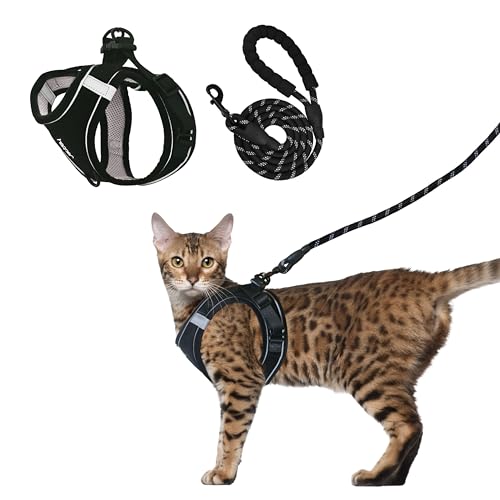
- Escape Proof - Cat leashes and harnesses for walking aren't all equally secure. Our double aluminium D-rings ensure strength when outside, as does the reinforced stitching on this step in vest.
- Superior Comfort - Our cat harnesses are lightweight, made with premium velvet fabric, breathable mesh, with soft edging and resilient cushioning. Also, it is machine washable. Looks and feels great!
- Free Extra Strength Leash - You don't need to worry about your cat escaping this harness. This cat leash is made of thick nylon climbing rope with rotating clamp to keep the strongest kitties at bay.
From the highly adjustable, machine-washable velvet harness to the sturdy nylon climbing rope leash, this set has everything you'll need to start adventuring.
>At Catster, we’ve admired Hepper for many years and decided to take a controlling ownership interest so that we could benefit from the outstanding designs of this cool cat company!
Final Thoughts
No one wants to think of their beloved kitties as wild animal killing machines, but given a chance, your otherwise docile cat might find joy and revel in the suffering of your local wildlife population. You can do your part in protecting the wildlife in your area by keeping your cat indoors or allowing them to explore outside safely while in a catio or on a leash.
See Also: Will the Smell of My Cat Keep Mice Away?
Sources
Featured Image Credit: Klimek Pavol, Shutterstock

Expert cat care, straight to your inbox
Vet-reviewed advice, behavior tips, and the best of Catster. Free, and you can unsubscribe anytime.
By signing up, you agree to our Terms & Conditions and Privacy & Cookies Policy.
Join the conversation
Ask a question, share your story, or send private feedback.