Get

In Your Inbox

Catster is reader-supported. When you buy via links on our site, we may earn an affiliate commission at no cost to you. Learn more.

Pets & Wildfire Smoke: 9 Vet-Approved Tips to Keep Your Cat Safe

Share

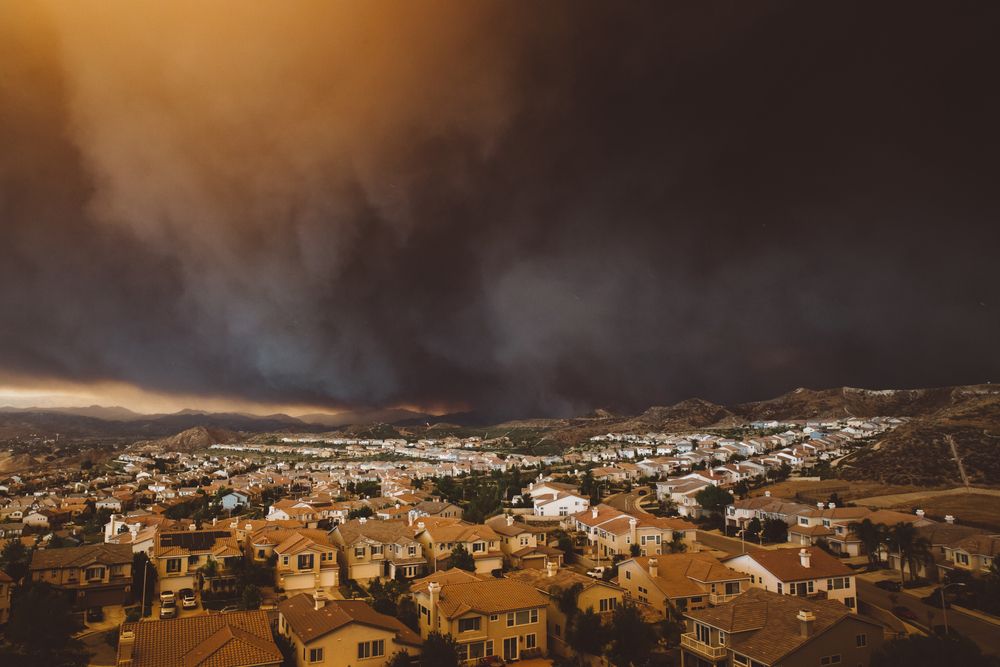
Wildfire smoke above a small town

Wildfires are common across the US and typically occur from spring to fall, particularly in dry areas like parts of California. You may know how to handle a wildfire situation for yourself and your family, but what about your pets? They can be just as affected by smoke, and if you need to evacuate, they add a layer of complexity.

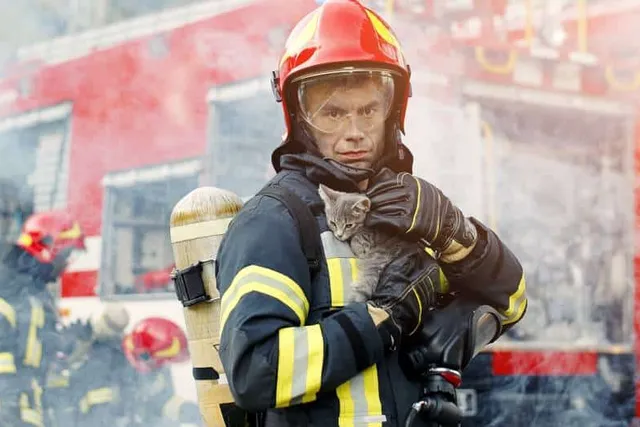
The key to getting through a wildfire is planning ahead. Don’t wait until the situation becomes an emergency. Here are some tips to ensure your cats are safe and you’re prepared for the worst-case scenario.

divider 2 cats

The 9 Tips to Keep Your Cat Safe of Wildfire Smoke

1. Pack a Pet Emergency Kit

man-puts-emergency-kit-on-back-pack
Image By: Aleksey Matrenin, Shutterstock

You should always have a pet emergency kit, not just for wildfires but for any emergency or natural disaster.

Always keep the following items in your emergency kit:
  • Pet carrier for each cat
  • Two-week supply of food and water
  • Medications and dosing instructions
  • Pet first-aid kit
  • Non-spill food and water bowls
  • Cat litter box and litter
  • Plastic bags for waste disposal
  • Paper towels
  • Disinfectants
  • Extra leashes and collars
  • Blankets
  • Toys and treats
  • Newspaper

2. Know Your Evacuation Options

Not all emergency shelters accept pets. Make a plan for where you can go and who will accept your pets well in advance. Consider getting a permanent form of identification like a microchip. If you have nearby neighbors, arrange for them to check on or transport your pets if you’re not home when disaster strikes.


3. Monitor Air Quality

man-with-cat-using-laptop
Image Credit: Sharomka, Shutterstock

Even if you don’t need to evacuate, pay attention to the air quality alerts for your area. Smoke can lead to eye and respiratory infections in humans and animals, as well as more serious conditions. You can check for local alerts at AirNow. Make sure to follow the instructions, to stay inside or limit activity, for your pets too.


4. Keep Cats Indoors

If it’s safe to stay at home and you don’t need to evacuate, keep your cats indoors, even if they’re usually indoor/outdoor cats. Close all doors and windows to protect them (and you) from smoke. If your cats can’t have the run of the house safely, bring them into a bathroom, garage, or another safe room with adequate ventilation.


5. Monitor Your Cat’s Breathing

woman staying at home with pet cat consulting a doctor via video call using laptop
Image Credit: imtmphoto, Shutterstock

Pay attention to your cat’s breathing. If you notice signs like coughing or gagging, trouble breathing, noisy breathing, fatigue or weakness, reduced appetite or thirst, nasal discharge, red or watery eyes, or disorientation and stumbling, contact a vet.


6. Avoid Heavy Exercise

A wildfire is not the time to play with your cat outdoors or engage in rigorous activity. Make sure your cat is able to use a litter box, so they don’t need to go outside. Keep playtime indoors to lighter activity.


7. Create a Clean Room

close up of a fluffy cat sitting next to an air purifier
Image Credit: Anna-Hoychuk, Shutterstock

One of the biggest advantages of a wildfire is advanced preparation. If you have central air conditioning or a room unit, buy high-efficiency filters to capture the fine particles from smoke. You could consider making a clean room with a portable high-efficiency air cleaner as well.


8. Keep Indoor Air Clean

Avoid adding to indoor air pollution during a wildfire. Avoid frying or broiling food, burning scented candles, using a wood stove or wood-burning fireplace, or smoking cigarettes while there’s smoke in the air.


9. Always Include Your Pets in Your Evacuation Plan

woman-feeding-cats
Image Credit: Dora Zett, Shutterstock

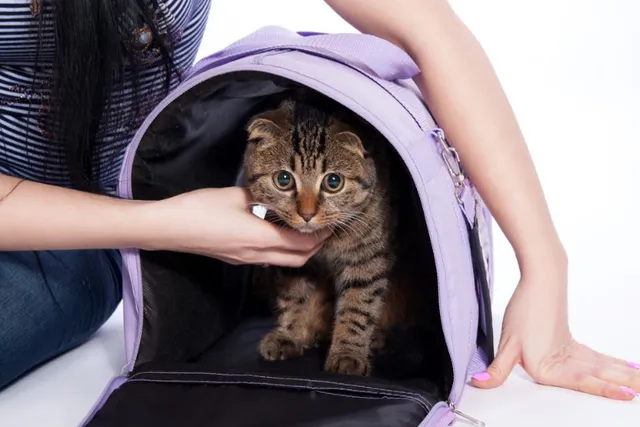
Do your absolute best to include your cat in your evacuation plan. Ideally, use a carrier, but a backpack can also work in a pinch. However, if you absolutely must leave your pets behind, have a plan for a clean, preselected area with enough food and water. Don’t confine your cat to a crate or outside without access to food, water, and litter boxes. The moment it’s safe, return for your pets.

divider 1 paws

Is Wildfire Smoke Dangerous for Cats?

Wildfire smoke can irritate your cat’s eyes and lungs just as much as your own. Animals with respiratory or cardiovascular disease are at a higher risk from smoke and should be protected and monitored more closely when the air quality is poor, but all animals can be affected if the conditions are severe. If you think your cat may have inhaled smoke or you notice any signs such as coughing, sneezing, or red or tearing eyes, consult with a veterinarian as soon as possible.

divider 2 cats

Conclusion

Wildfires can get out of control quickly. Preparing in advance for yourself and your pets can increase their chances of surviving a wildfire, so take the time to get your pet emergency kit together, know your evacuation plan, and equip your home with clean air options.


Featured Image Credit: Blanscape, Shutterstock

Want content like this delivered to you?

Sign Up For Our Newsletter

News, insights, expert advice, and everything cat

* By submitting, you agree to our Terms & Conditions and Privacy & Cookies Policy.


How useful was this post?

Click on a star to rate (you can leave written feedback after clicking submit)

Help us improve Catster for pet parents!

Your feedback really matters.

What did you like about this post? Also how can we improve it?

Join the conversation

Leave a Reply

You’re very welcome to leave a comment or question. Please know that all comments must meet our community guidelines, and your email address will NOT be published. Let’s have a positive and constructive conversation.


Catster's Digital Magazine is Back!

Vet-approved health & behavior advice

Real cat stories & community features

Six Legs Are Better Than Three – How A Tripod Dog and Kitten Found Friendship Through Recovery

Sometimes the most meaningful friendships begin in the most unexpected places. At a Maryland veterinary hospital operated by Last Chance Animal Rescue, two...

The Original Space Invaders – Why Zero Respect for Personal Boundaries Is a Good Thing

Cats have a reputation for being independent, and in many ways they are. But anyone who has tried to work at a laptop...

How Cats Are Helping to Cure Cancer

When most people think about medical breakthroughs, they picture scientists in laboratories and clinical trials involving human patients. Few would imagine that the...

Ask Dr. Paola – My Cat Loves Eating Grass, But It Makes Her Vomit! (June 29, 2026)

Welcome to our “Ask Dr. Paola” series, where every Monday we bring expert advice straight from Dr. Paola Cuevas (MVZ) to help our...

More related

9 Best Cat Litter Boxes for Odor Control in 2026: Reviews & Top Picks

Cat litter boxes are essential for those who have cats, but not all boxes are created equal. There are many where it’s simply...

Can Cats Eat Ice Cream? Vet Approved Facts & Alternatives

If you enjoy ice cream’s cold, sweet taste as a frequent dessert, you might be tempted to let your cat take a lick...

Euthanasia Guilt: 8 Vet-Verified Tips to Work Through Your Feelings

The death of a beloved cat can be one of the most difficult experiences to deal with in life. Losing your cat is...

Do Male Cats Go into Heat? Vet-Reviewed Signs & Facts

Being a cat owner has its ups and downs, however, some moments may become complicated and cause you some stress. If you notice,...

Keep reading

How to Approach a Scared Kitten: 6 Steps & Tips

Finding a scared kitten can throw anyone off guard, leaving you wondering what to do and how to help. Many factors and scenarios come into play as to why you’ve found a scared kitten. An irresponsible owner could have dumped...

Cute munchkin kitten on purple bed

Can Cats Eat Dragonflies? Vet Approved Facts & FAQ

Cats love to chase things, especially things that fly quickly. It is one reason why so many birds die due to domestic cats every year (which can actually become a serious problem in some areas). Dragonflies are another animal that...

Can Cats Eat Dragonflies

How Many Bones Do Cats Have? Vet-Approved Feline Anatomy Explanation (With Infographic)

Your average house cat has around 230 bones in their body. That’s quite a few more than the 206 bones in a human’s body! Felines have some interesting adaptations related to their skeletons. For example, cats have a flexible spine...

brown black tabby maine coon cat

How to Save Time at the Vet? 11 Vet Approved Tips for Being Efficient at the Vet

Going to the vet’s office isn’t much different than seeing your doctor. You want to make the most out of your time with minimal hassle. Your veterinarian also wants to use their time effectively to help you and your animal...

cat owner bringing her pet to the vet

Is Borax Safe for Cats? Vet-Approved Safety and Usage Advice

Borax is a multipurpose cleaner that can be used for stopping an infestation of ants or cleaning mold. It’s even become popular as an ingredient for homemade slime recipes! You might also see it being suggested as a “natural” alternative...

Catster_Is Borax Safe for Cats

Why Do Kittens Sometimes Die Suddenly? Vet-Verified Causes & Facts

Having a litter of newborn kittens in your house can be a cause for celebration, but it can sometimes also cause heartache. These tiny little bundles of fluff are incredibly fragile, and sometimes you might wake up to find that...

newborn kitten in man's hand

Why Has My Cat Suddenly Stopped Eating: 13 Vet-Reviewed Reasons

Cats tend to be fond of food, so if your cat suddenly stops eating, it’s common to feel that something terrible is wrong with them. And there are some cases where your cat isn’t eating because they aren’t feeling well....

cat in front of a bowl with meat and vegetables

10 Best Slow Feed Cat Bowls in 2026: Reviews & Top Picks

Cats are quirky creatures, especially when it comes to eating. Some are super picky and seem to barely eat anything at mealtime. Others are ravenous and will eat just about anything, and they will not be shy about it. Whether...

cat playing with food slow feeder

Love Cats? So Do We! Join the Catster Community

Stay informed with expert pet care insights delivered straight to your inbox! Discover professional guidance on animal behavior, feeding tips, trusted product picks, and much more.


Sign up for the Catster Email Newsletter

Stay informed with expert pet care insights delivered straight to your inbox! Discover professional guidance on animal behavior, feeding tips, trusted product picks, and much more.