Why Does My Cat Put Her Bum Up? 6 Vet-Verified Signs a Cat Is in Heat


In this article
If your female cat has been behaving strangely (such as raising her bum), she may be in heat. Unspayed female cats usually experience their first heat around the age of 6 to 9 months, but it can happen earlier as well. This cycle will repeat every 2 to 3 weeks, as long as there are extended daylight hours.
If you aren’t sure whether your cat is in heat, first consider whether it’s possible for her to be in heat. A spayed cat will not experience a heat cycle. In this article, we will take a look at six signs that your cat is in heat.

The 6 Signs a Cat Is in Heat
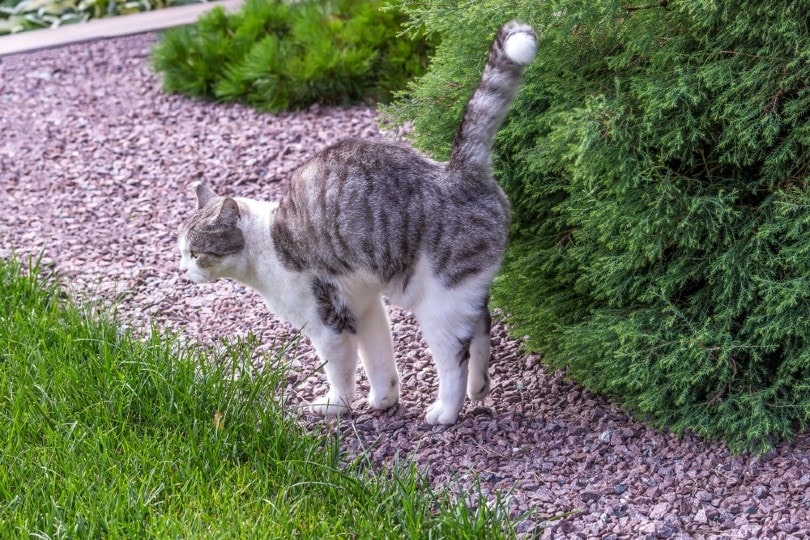
1. Raising Her Bum
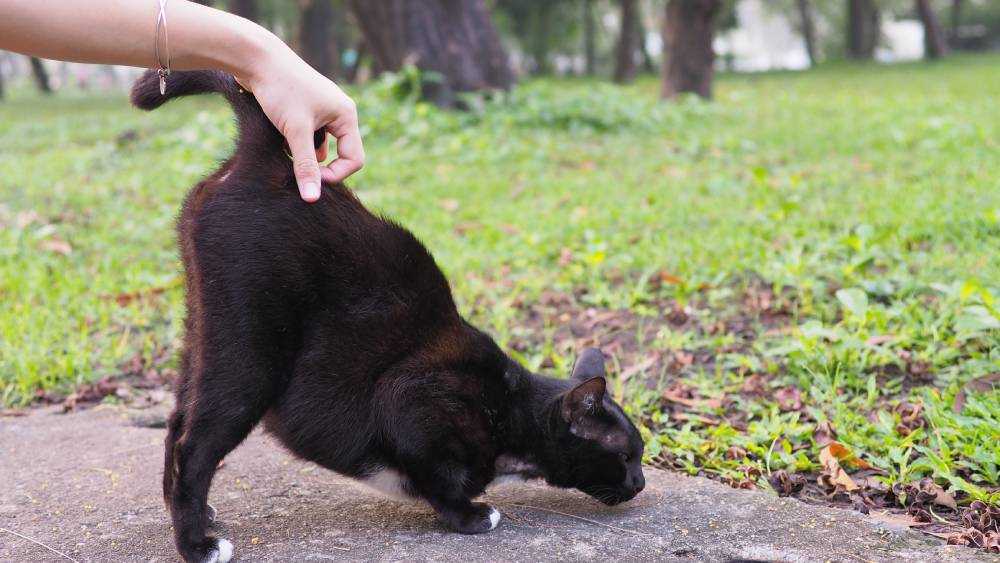
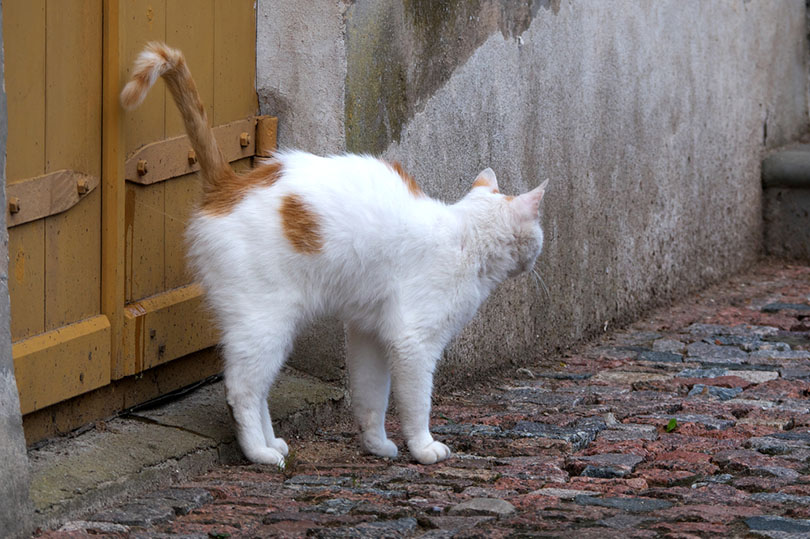
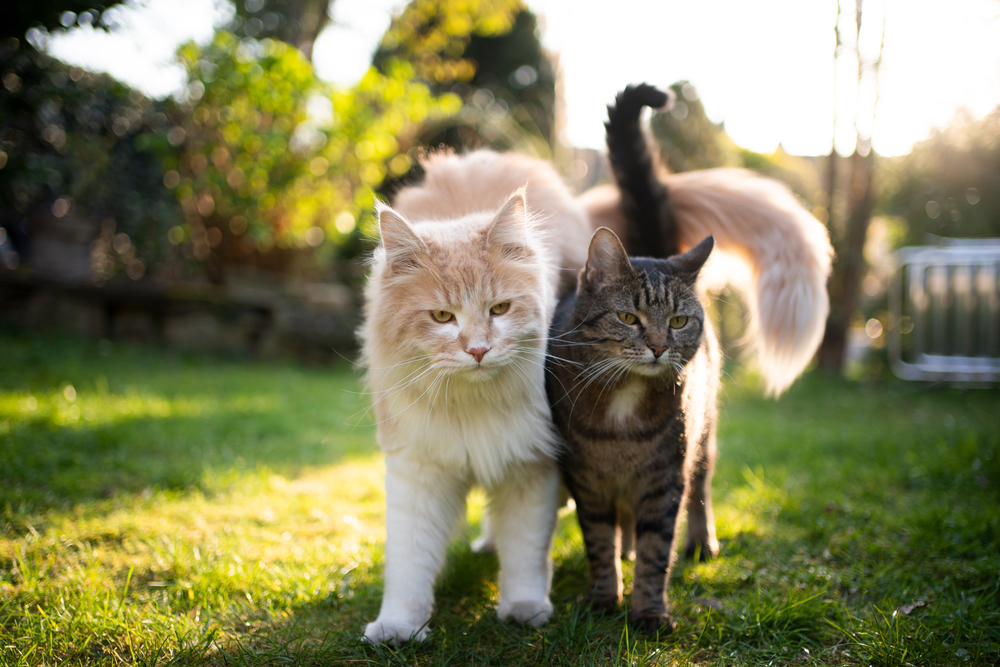
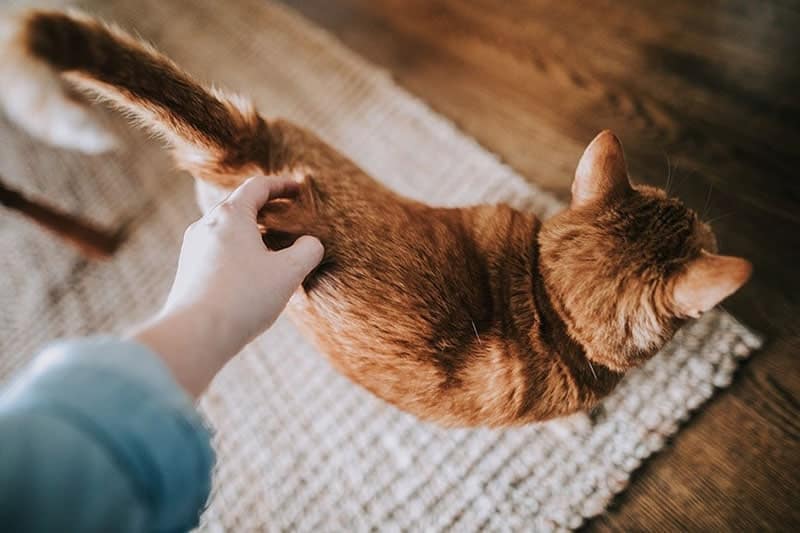
As you may have already experienced, one of the signs that a female cat is in heat is if she raises her bum. Your cat will also flag her tail when her bum is in the air. She does this to communicate with males and tell them she is in heat and receptive to mating.
However, heat isn’t the only reason a cat might raise her bum. She may also put up her hindquarters when being petted or when stretching her forelimbs.
2. Loud Vocalizations

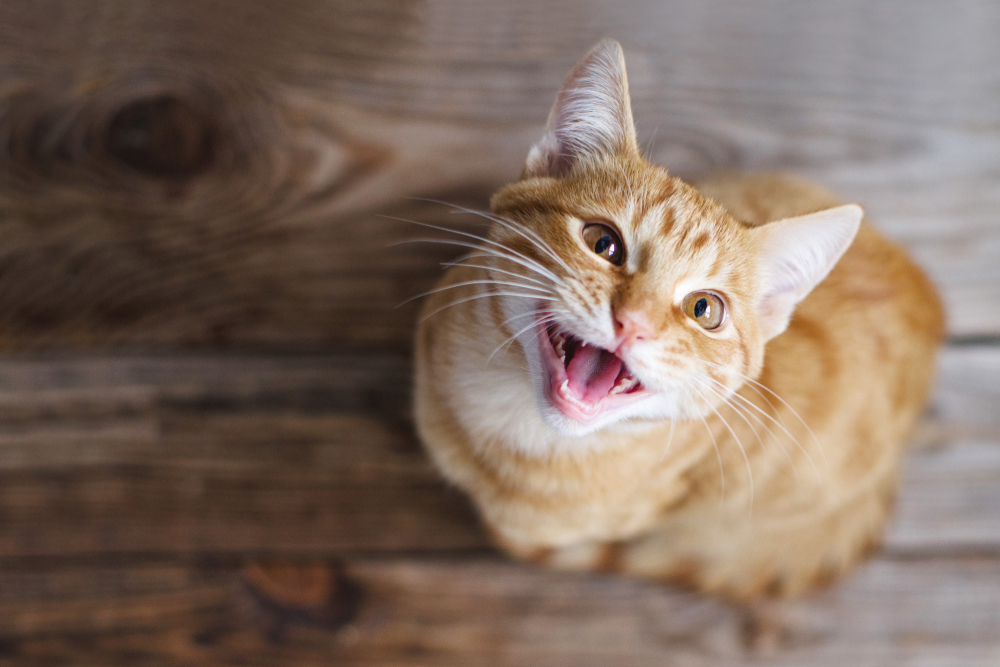
Another sign that your cat may be in heat is if she vocalizes loudly. Cats in heat tend to get pretty intense with their vocalizations, and some cat owners say their vocalizations often sound like pained yowling. Don’t be alarmed; she’s just looking for a mate.
At the same time, vocalizations can be a sign that something is wrong. When cats constantly vocalize, they may be trying to tell you they are sick or in pain. If you notice other signs that your cat is unwell, consult your vet right away to rule out the possibility of a medical issue.
3. Rubbing or Rolling on the Floor
Rubbing or rolling on the floor is a common cat behavior, even in male cats. Cats roll on the floor for fun, attention, and even to scratch a pesky itch. But if you notice other signs that your female cat is in heat, rubbing on the floor or rolling around can also be signs that her heat has started.
4. Increased Affection

A sudden increase in affection can signify that your cat is in heat. If you notice that your cat spends a lot more time around you, soliciting your attention, she could be in heat.
Of course, heat is not the only reason that your cat may be affectionate with you. Some cats seek affection when they’ve been separated from their owner for a while. Others may try to sit in their owner’s lap when it is cold outside so they can get warmer. To tell the difference between normal affection and heat-induced affection, watch for other signs of heat.
5. Urine Spraying
This is one of the peskier signs of a cat in heat. Urine spraying can attract mates, as the scent draws them in. This behavior is more common in unneutered male cats, but unspayed females may also do it.
However, it’s tough to rely on urine spraying as the only sign your cat is in heat because it can indicate many other things. Cats can spray due to litter box issues, behavioral problems, or medical complications. When your cat begins urinating or defecating outside the litter box, make an appointment with your vet.
6. Scratching at Doors and Windows

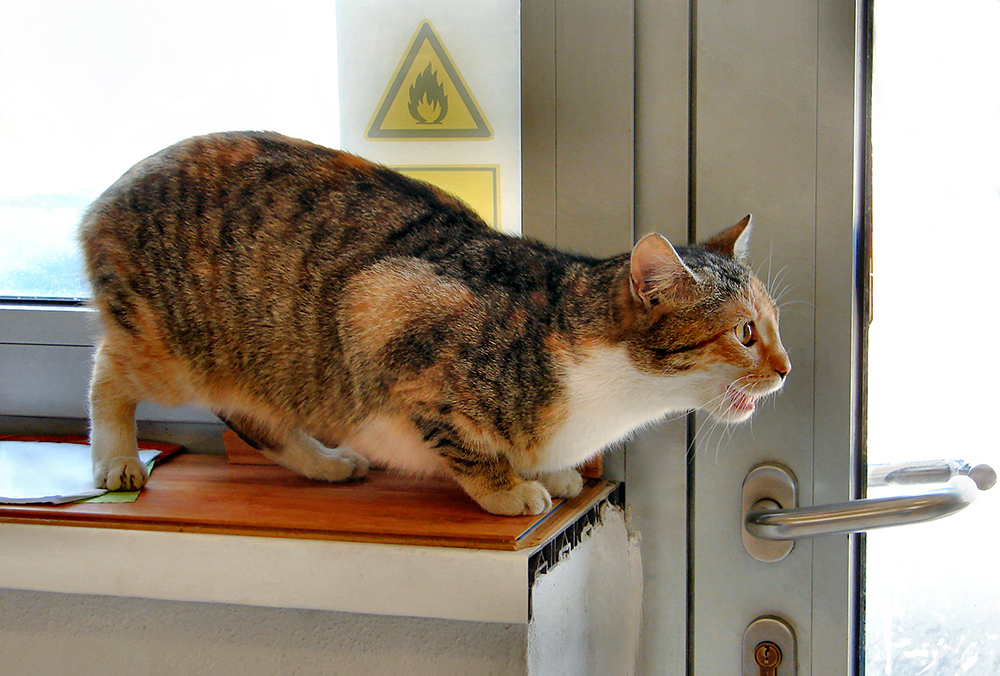
Another common sign that a cat is in heat is if she is scratching at the doors and windows. Your cat is trying to get outside of the house so that she can find a male to mate with, which is why she paws at the exits of the home.
However, don’t let her outdoors during this time. Letting her outdoors can not only increase her chances of getting pregnant, as well as other accidents such as getting hit by a car or getting lost.

How Long Does a Cat’s Heat Last?

Any cat owner who has experienced a cat in heat knows the process can be challenging. Your cat may be yowling, urinating all over the house, and trying to escape at every moment. How much longer do you have to endure this?
The average heat lasts for seven days. However, some cats may experience heat as short as two days or as long as 19 days. If the cat in question mates, the signs of her heat will fade within 24 to 48 hours of ovulating.
There are five phases in a cat’s heat cycle. The first is proestrus, which typically lasts a day or two. There is little to no change in your cat’s behavior at this time.
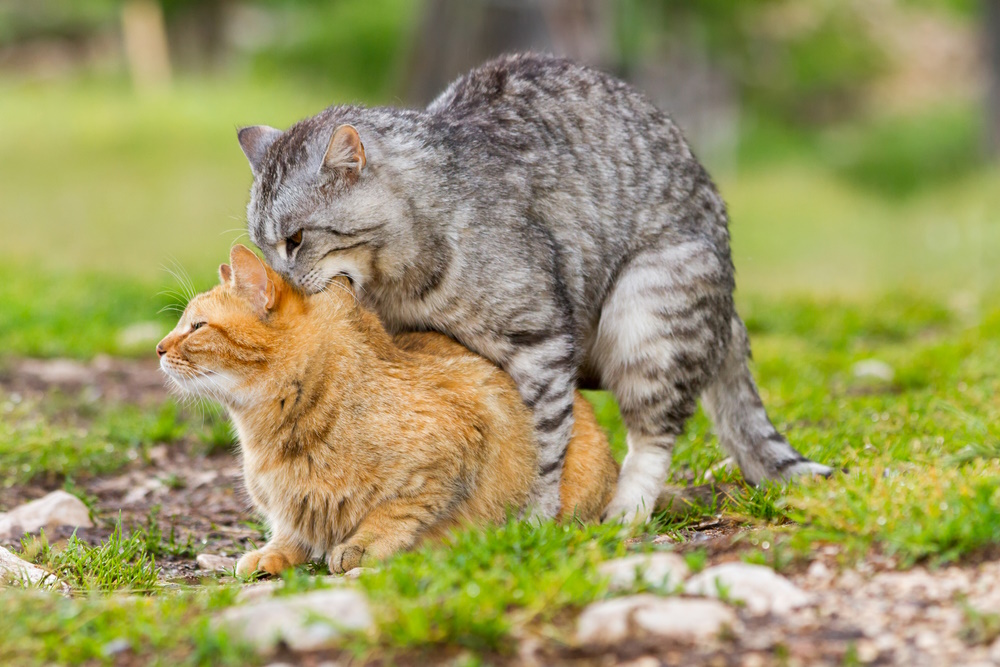
Next is estrus, which is what we typically understand to be a cat’s heat. This is when you will notice the most behavioral changes in your cat. During this time, she is receptive to males and will attempt to become pregnant.
Interestrus occurs if a cat does not ovulate or mate with a male and lasts until proestrus begins again. If a cat does mate and ovulate, she will go through diestrus.
The final phase is anestrus, which is the absence of a heat cycle. This can happen due to fewer daylight hours.

How to Prevent a Cat From Going Into Heat
The best way to prevent a cat from going into heat is to have her spayed. This surgery removes both the ovaries and the uterus (womb). Once she recovers, she will no longer go through her heat cycle. Spaying also prevents unwanted litters of kittens, prevents womb infections and reduces the risk of certain cancers- in particular mammary cancers.
Conclusion
Heat cycles can cause cats to behave strangely, such as putting up their bums. Although many cats in heat are extra affectionate, some signs of heat can be irritating, such as the constant vocalization and escape attempts! Make sure to keep your cat safe and comfortable inside while they are in heat, and talk to your vet about having your cat spayed. As well as preventing heat cycles, spaying also prevents unwanted pregnancies, removes the risk of uterine infections and greatly reduces the risk of mammary cancer.
See Also:
Sources
Featured Image Credit: Christin Hume, Unsplash

Expert cat care, straight to your inbox
Vet-reviewed advice, behavior tips, and the best of Catster. Free, and you can unsubscribe anytime.
By signing up, you agree to our Terms & Conditions and Privacy & Cookies Policy.
Cats are Jordyn’s passion. Whenever she has the opportunity she loves to learn about animals and share her knowledge with everyone. She is devoted to her sassy tabby cat named Jack and works hard to buy him his favorite treats and toys. Discovering new ways to better care for her cat is always on her to-do list, and she is eager to help pet parents everywhere. In Jordyn's spare time, she loves to write, read, and take long walks. She has a creative spirit, which often helps her to come up with funny cat names.
Join the conversation
Ask a question, share your story, or send private feedback.