What Do Cats in Heat Sound Like? (With Audio Examples)
In this article
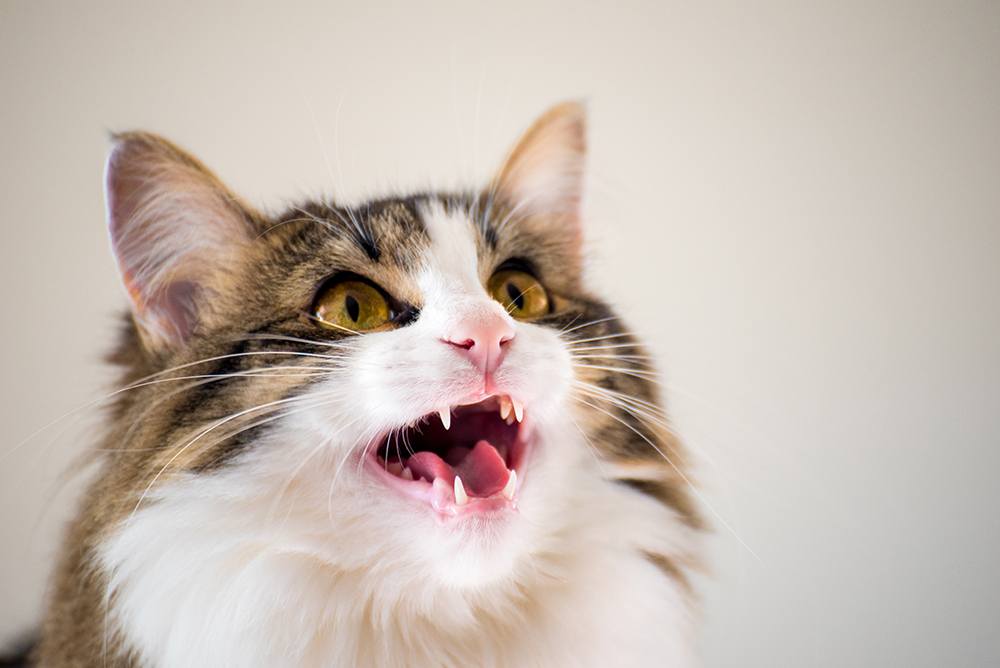
Unspayed female cats will go into heat a few times a year. During this period, the feline will be receptive to mating. To draw in a mate, nature has given the female cat many tools, one of which is meowing—loudly! Many female cats are not subtle during their heat cycle. You'll often know they're in heat, as well as if any males are around.

Female Cats in Heat Sounds
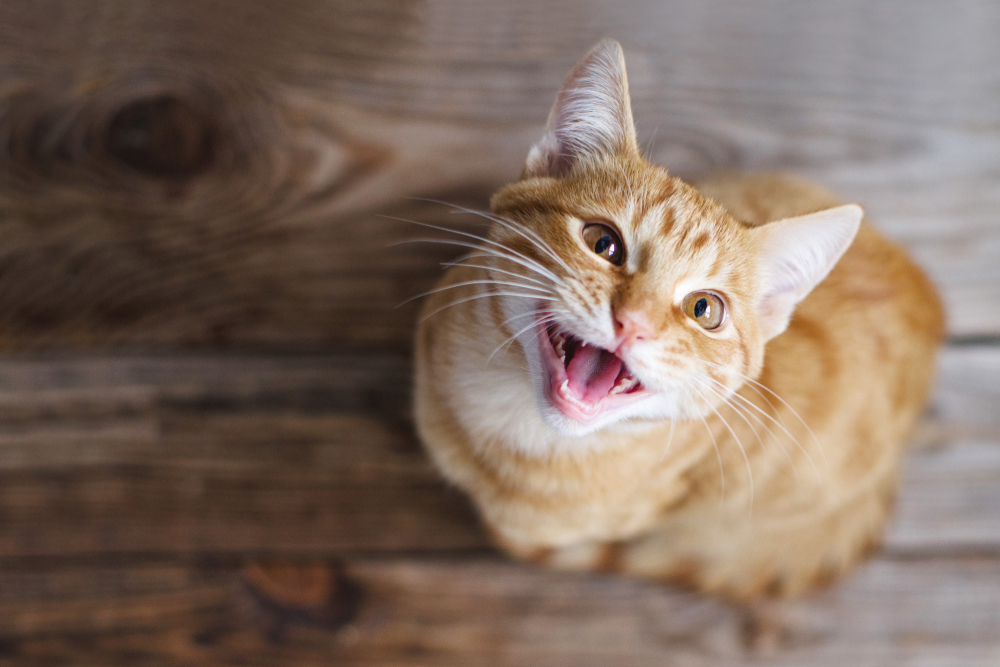
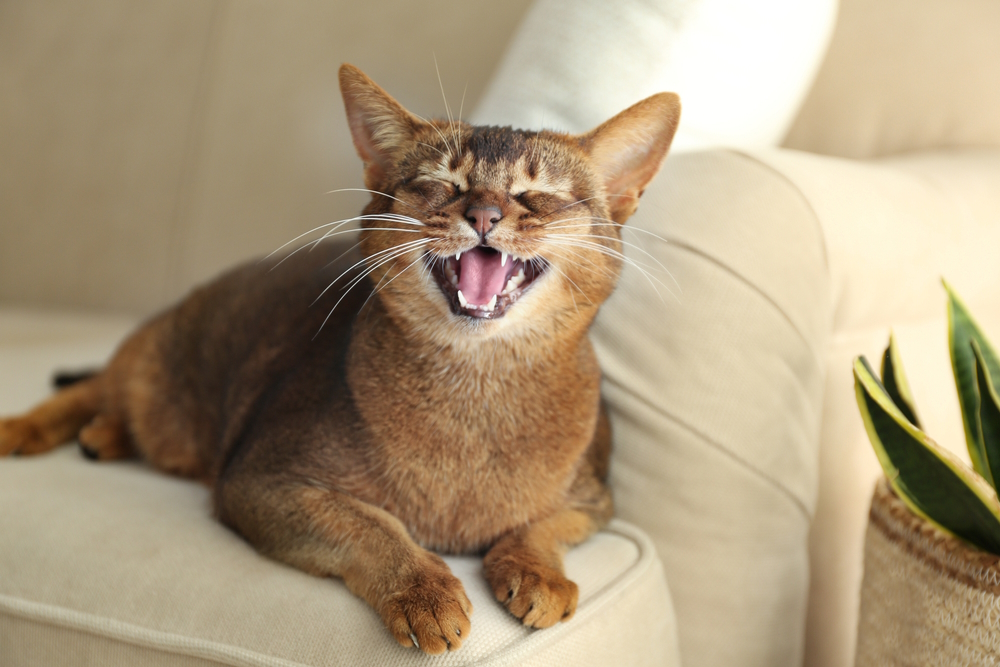
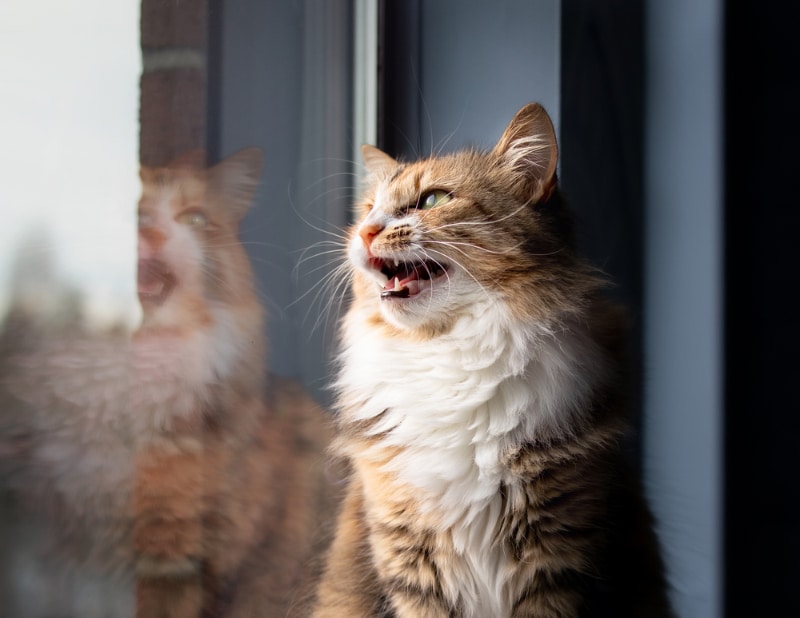
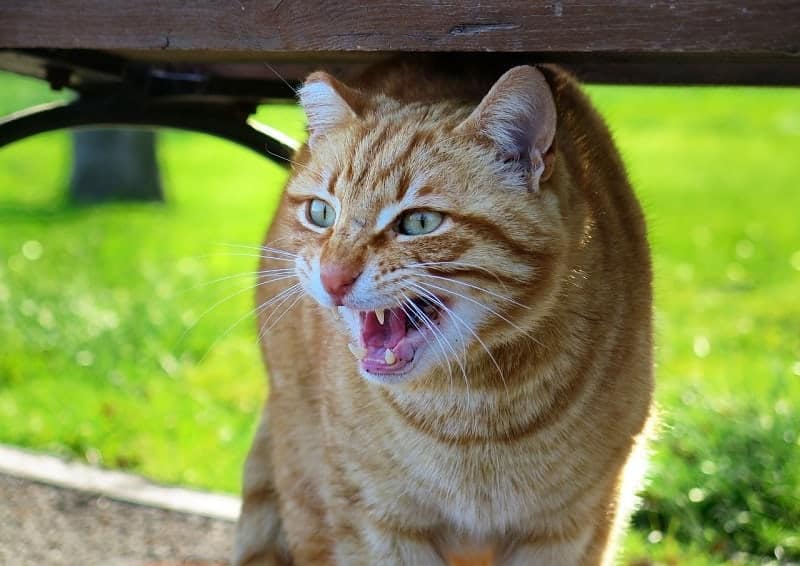
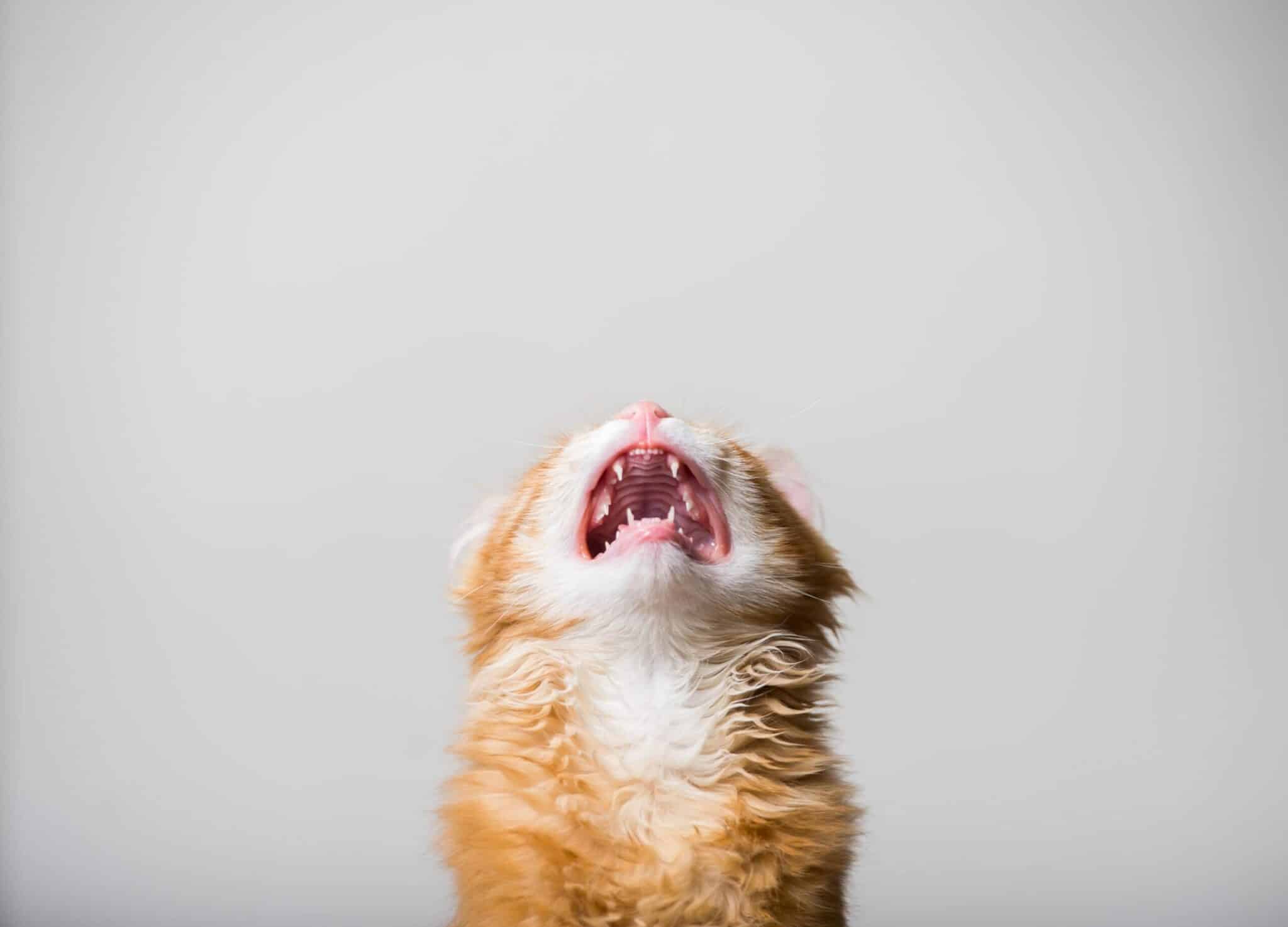
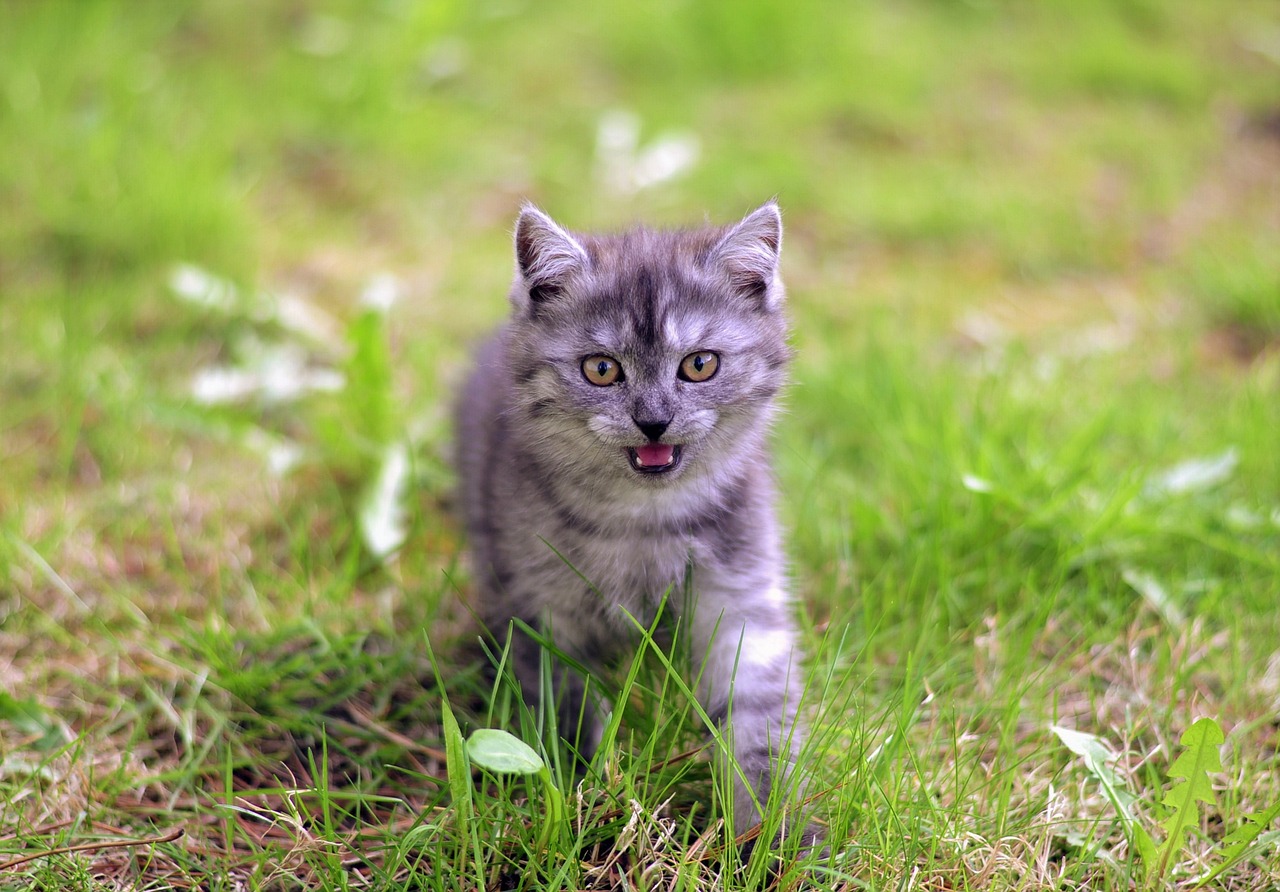
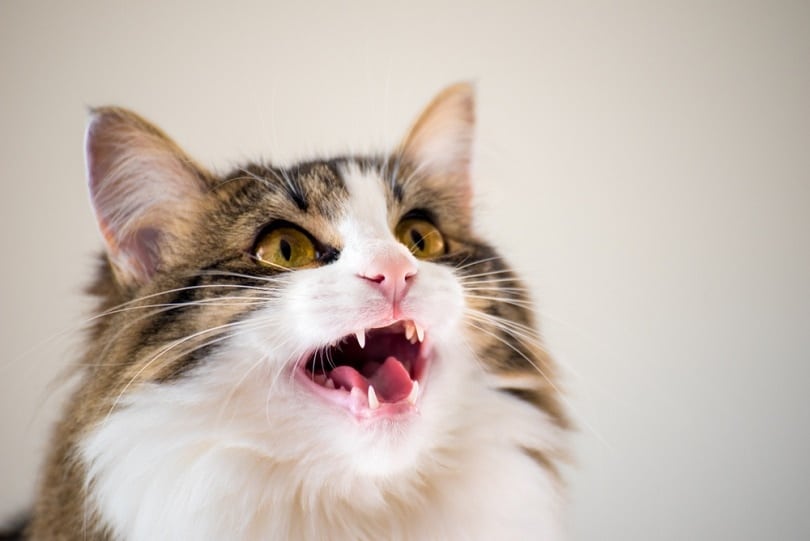
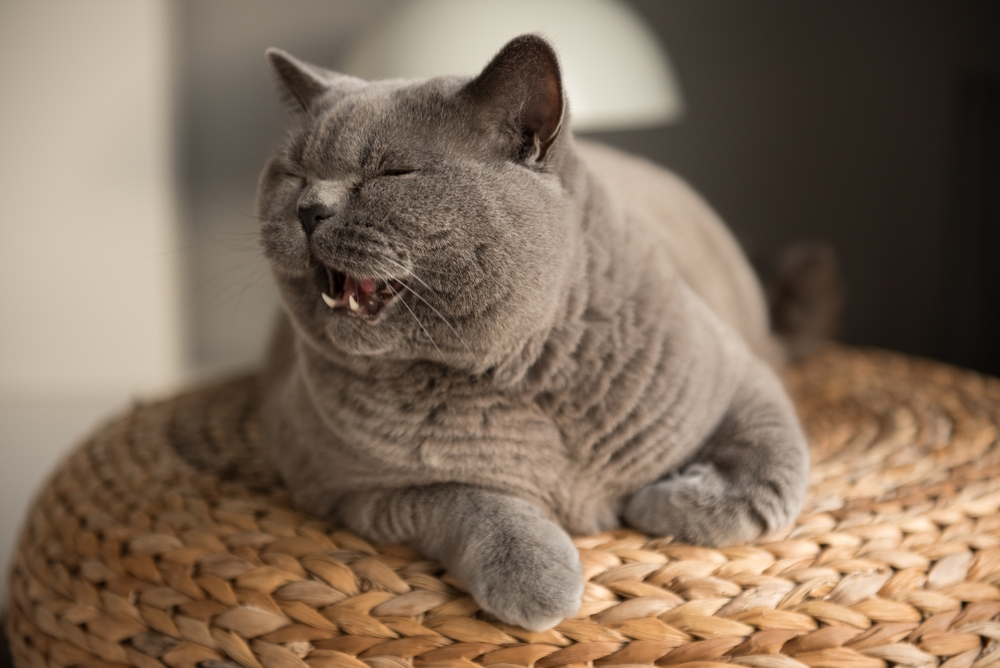
Cats in heat can make all kinds of different noises. In most cases, female cats will simply meow very loudly. They may sound a bit like they're yelling. Some may have a deeper voice than usual, though others may not sound different at all.
Here's a quick YouTube video to show what we mean:
Cats will also make quieter sounds while in heat. Many may meow at their normal volume but more often. Many talkative cats become even more talkative when in heat. Cats may also purr loudly, though others may stop purring at all. It all depends on the individual.
Do All Cats Meow When in Heat?
Most cats are exceptionally loud when in heat. It's how they call males to them. In the wild, males and females may be miles apart. If the female had no way to let a local tomcat know she was open to breeding, cats wouldn't have gotten very far as a species.
However, not all cats will meow loudly. Some may not show any difference in behavior at all, including the noises they make. It's easy for many owners not to realize their cat is in heat at all when they don't show these vocal changes.
Of course, even if they don't show these very obvious (to us) behaviors, female cats can still draw males in. Often, the female will release pheromones, which she'll spread around the area by rubbing and spraying. A female cat's pheromones change throughout her cycle, so the local males are keeping tabs on her if you keep her outside.
Cats that don't meow loudly aren't necessarily not in heat. Many cats end up pregnant accidentally because they don't show any obvious signs of being in heat, this is known as “silent heat”. Therefore, if you aren't planning on having a litter of kittens, we recommend spaying your female cat as quickly as possible. Simply keeping tabs on her behavior often isn't enough!

How Can You Tell if Your Cat Is in Heat?
There are many ways to tell if your cat is in heat or not. The exact signs a cat will display depend on their genetics their temperament and even the environmental factors. Often, the signs may change throughout their life, too. The first few heats tend to be “less extreme” than other ones, so cats may have fewer signs (but they can still get pregnant).
Beyond meowing, many cats have temperament differences during this time. Exactly what these differences are can vary, though. Some cats are especially lovable and may follow you around the house looking for attention. Others may suddenly not want to be touched and may become unusually aggressive.
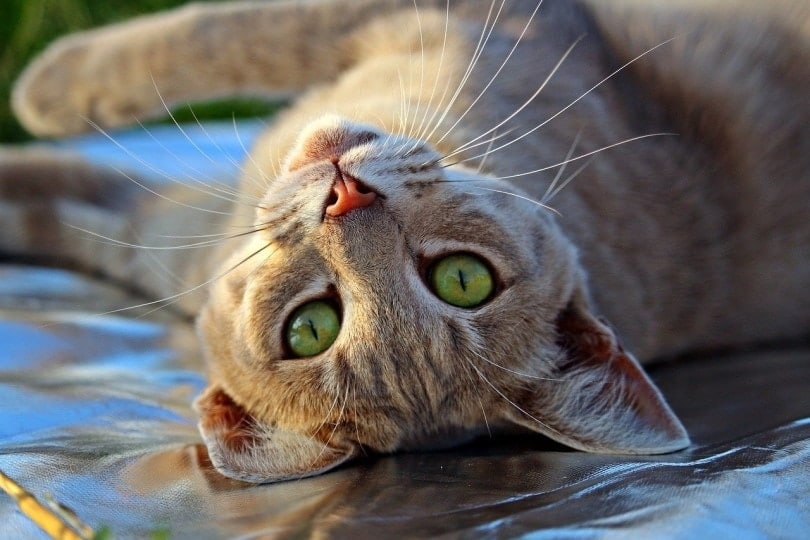
Cats may also tend to rub or roll on things more often. On top of meowing, cats often draw males in with their scent, too. Their pheromones are not detectable to humans, but other cats can smell them from a pretty big distance away.
Cats may also urinate outside of the litter box, even if they usually don't have accidents. Often, this is another way for the female to spread her pheromones around and let local males know that she is receptive. Some females may mark by urinating outside of the litter box a lot, while others may not do it at all.
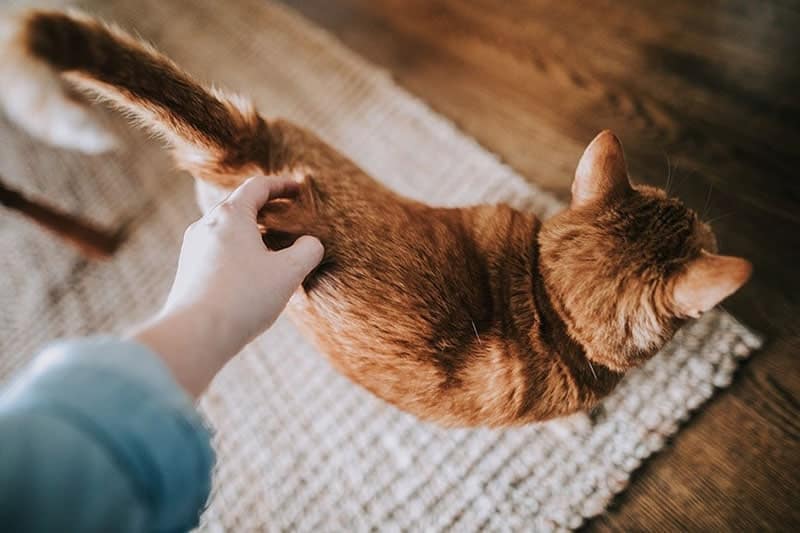
You'll also notice in-heat females raising their hindquarters, usually with their tails raised to one side. They may also knead with their back paws. Of course, this is an invitation for male cats. However, many females will do it even when there are no males in sight. Touching the cat's back or even petting them like you usually do may trigger this behavior.
It's important to remember that a cat's behavior while in heat can change from cycle to cycle. Some cats may be very obviously in heat, while others may have very few signs. Just because your cat was affectionate during this cycle doesn't mean she won't be aggressive next time. Each cycle is a little different and can affect your cat's signs and behavior.

How Do I Get My Cat to Stop Meowing When in Heat?
Sadly, there isn’t a way to get your cat to quiet down while in heat. The “mate-calling” of a female cat is instinctual and will continue until the cat gets out of heat. Females are usually in heat for a week and up to 10-14 days, so you should plan for several days of yowling and strange behaviors.
The only way to stop a cat from meowing while in heat is to spay them. Spaying your female cat prevents them from going into heat, which will prevent this meowing. However, some vets will refuse to spay your cat while she is in heat. After being spayed, your cat also won’t have any of the other hormonal changes associated with being in heat, and you’ll prevent unwanted pregnancies, too.
You can try to provide distractions to divert your cat’s attention from mate-calling. Toys and plenty of playtime can help wear your feline out. However, it’s also very normal for females to ignore these attempts when in heat. She may completely avoid playing altogether, preferring to mate-call instead.
Sometimes, feline calming pheromones can be useful. You can purchase the synthetic versions of these in the form of diffusers, or collars. These may help your feline calm down. However, like with other methods, this one is also hit-and-miss. Some females in heat may be affected by it, while others may not. Reducing exposure to daylight may also help minimize hormonal stimulation during the breeding season. However, none of these methods are guaranteed to help completely as the reproductive instincts are stronger than anything, after all, a species' future depends on them.

Conclusion
If not spayed, all female cats will go into heat. During this time, females tend to be especially noisy. They will meow and yowl to attract male cats, even if there aren’t any male cats around. This behavior is instinctual and driven by hormonal changes. So, once your cat is in heat, there is nothing you can do to make her quiet down.
If you want to avoid the hormonal behaviors your cat goes through when in heat, you should have her spayed. This surgery is the only way to prevent your cat from going into heat ever again, which will also keep her from meowing loudly, as well.
Related Reads:
Sources
Featured Image Credit: Faroe, Shutterstock

Expert cat care, straight to your inbox
Vet-reviewed advice, behavior tips, and the best of Catster. Free, and you can unsubscribe anytime.
By signing up, you agree to our Terms & Conditions and Privacy & Cookies Policy.

Kristin is passionate about helping pet parents create a fulfilling life with their pets by informing them on the latest scientific research and helping them choose the best products for their pets. She currently resides in Tennessee with four dogs, three cats, two fish, and a lizard, though she has dreams of owning chickens one-day!
Join the conversation
Ask a question, share your story, or send private feedback.