Catster is reader-supported. When you buy via links on our site, we may earn an affiliate commission at no cost to you. Learn more.

Why Is My Female Cat Spraying All of a Sudden? 5 Vet Reviewed Reasons

By Lindsey Lawson · Reviewed & fact-checked by Dr. Paola CuevasVet Approved
Dr. Paola Cuevas
Reviewed & Fact-Checked byDr. Paola CuevasMVZ (Veterinarian)
Dr. Paola Cuevas is the Senior In-House Veterinarian at Pangolia, the parent company of Catster. She has over 18 years of experience as a veterinarian and animal behaviorist. Paola's focus is on preventive medicine and animal welfare. Paola has a large range of skills in from diagnostic imaging to nutrition and clinical pathology. Paola enjoys sharing her extensive knowledge of animal training with our Catster readers and is always happy to answer reader questions as our in-house veterinarian.View authorThe information is current and up-to-date in accordance with the latest veterinarian research. Read about our vets
Share
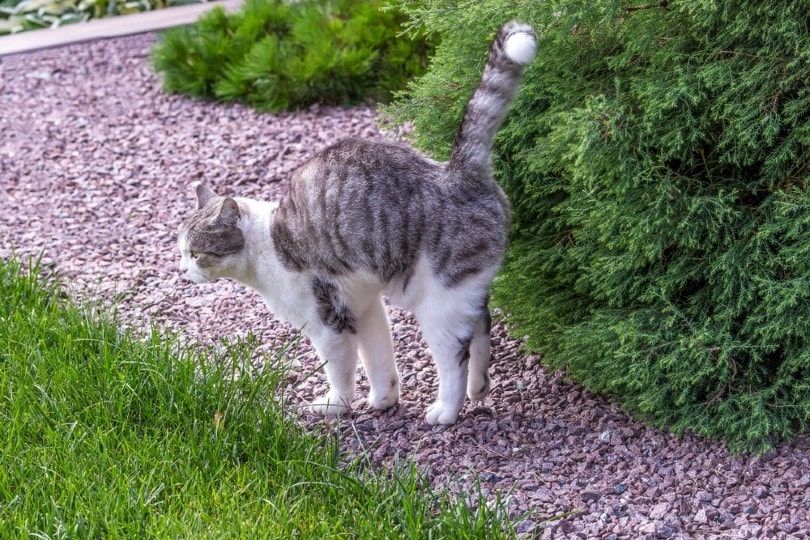
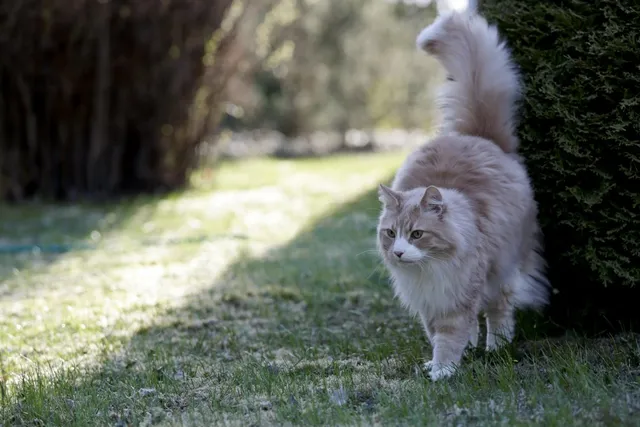
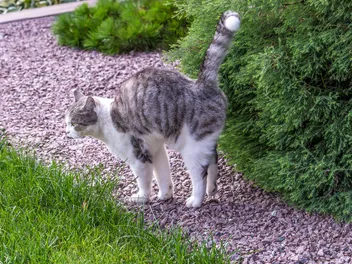
tabby cat spraying outdoors to mark territory

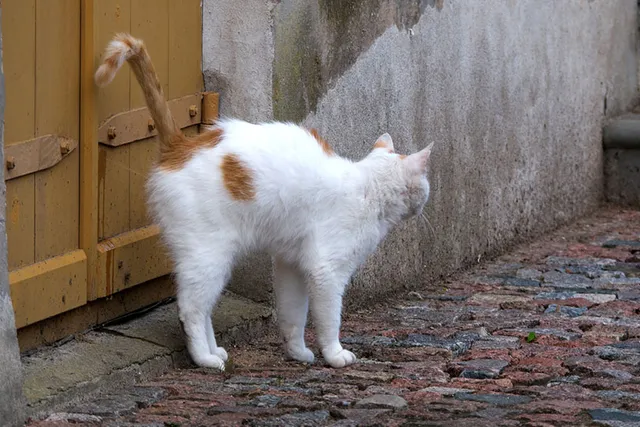
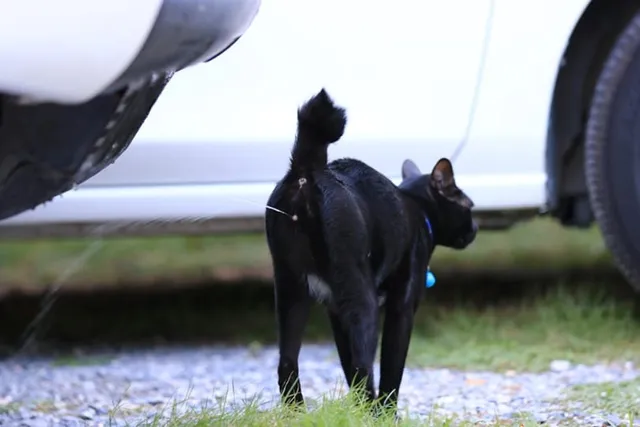
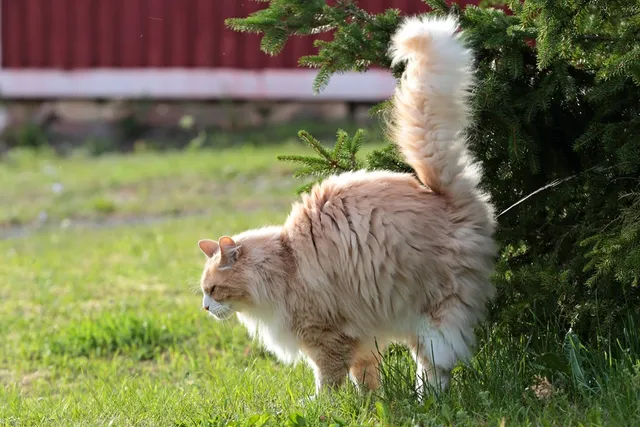
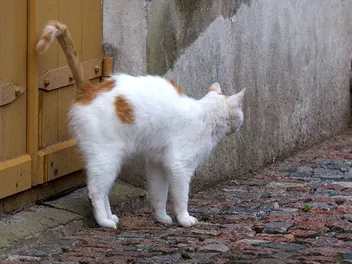
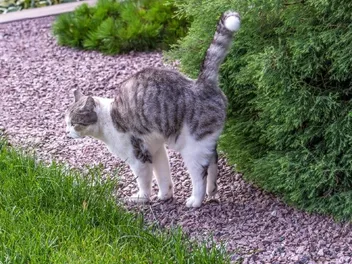
Spraying is an unwanted behavior that is quite common among male cats, but it’s not limited to males. Female cats are known to spray too, so if your female cat has begun spraying all of a sudden, there are a few reasons that could have caused this.

It’s best to always contact a veterinarian when your cat is exhibiting unusual behavior so they can assist you in getting to the bottom of it. In this article, we’ll go over why your female cat may have started spraying and what you can do about it.

divider 2 cats

Cleaning Up Cat Spray Messes

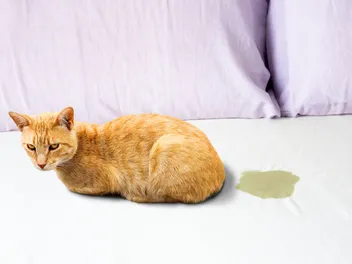
Before we discuss the potential reasons for your female cat’s sudden spraying, you may also be wondering how to best clean up this smelly mess. Cat urine has a very strong ammonia smell that can be difficult to eliminate.

Here are some tips on cleaning and eliminating the stains and odor:

  • Clean and treat the area as soon as possible. It will be much more difficult to remove old stains and set-in odor. Quickly blot the urine and soak it up with a rag or paper towel to prevent it from being heavily absorbed into your carpet, flooring, or furniture.
  • You can either use your favorite odor and stain remover or dilute some soap into the water. Apply it to the area once the urine has been soaked up with the towel. Wipe the area down until there is no trace of the urine spray left behind.
  • Apply some baking soda to the area. Baking soda is great at eliminating stains and odors, so you will want to let it sit in the area for a couple of hours or overnight. Keep pets and children away from the area. Alternatively you can try a deodorizer.
  • Vacuum up the baking soda once it is finished sitting. Make sure you vacuum thoroughly to ensure there is no powder or residue left behind.
  • Finally, use an enzymatic cleaner to wrap up the cleaning process. Cat urine is strong, and chances are that traces of urine will remain. Enzymatic cleaners will break down any leftover urine and eliminate the odors, making it less likely your cat will be drawn to spraying that area again.

Our Favorite Enzyme Cleaner 

The Hepper Advanced Bio-Enzyme Pet Stain & Odor Eliminator Spray is our favorite enzyme cleaner out there. It permanently removes even the very worst kitty stains and smells, leaving your home fresh and clean! Click here to learn more about this amazing product and get yourself a bottle.

Our recommendation
Hepper Advanced Bio-Enzyme Pet Stain & Odor Eliminator Spray
  • ADVANCED ENZYMATIC CLEANER - Penetrates the most stubborn smells and stains at the deepest molecular levels to dissolve any pet mess you encounter and lift it away at the source.
  • FOR ANY MESS, ON ANY SURFACE - This pet odor eliminator cleans your carpets, floors, furniture, fabrics, and more. Whether it's urine, feces, vomit, or drool, you can erase all foul spots and smells!
  • FRESH, NATURAL ODOR - Our unique formulation doesn't rely on dangerous or unpleasant chemical fragrances to get the job done. We eradicate smells and stains, not just cover them up.

At Catster, we’ve admired Hepper for many years, and decided to take a controlling ownership interest so that we could benefit from the outstanding products of this cool cat company!

divider 2 cats

The 5 Reasons Why Your Female Cat Is Suddenly Spraying

1. Pain or Illness

man petting a sick siberian cat
Image Credit: Olesya Alexandrova, Shutterstock

A cat’s behavior can change significantly when they are experiencing pain or have fallen ill. If your female cat has never sprayed before and is now suddenly displaying the behavior, it’s time to make an appointment with the veterinarian. There are many different reasons she could have begun spraying and we will discuss them, but you first need to rule out any potential medical condition that could be the underlying cause for the behavior. Once a veterinarian has ruled out any pain or illness as the reason, you can then begin the process of elimination for other potential causes.

What You Can Do:

  • Once you’ve observed the unusual spraying behavior, call a veterinary office and schedule an appointment. A veterinarian will do a thorough physical examination and perform any diagnostic testing they deem necessary. If it is determined that your cat is suffering from pain or an underlying illness, a veterinarian will discuss treatment options with you and you will proceed accordingly.
  • The medical staff may even have some suggestions on how to stop the spraying once you are home. If it is not related to pain or underlying health issues, you can explore other reasons for the behavior and a veterinarian may have some professional advice to offer.

2. Marking Territory

A lot of cats mark for territorial reasons, and while this is more often observed in unaltered (not neutered) male cats, females may also spray to mark their territory. Spraying is one way for cats to communicate with others, and this allows them to let any other cat know that this territory is already claimed. This behavior could begin suddenly if your indoor cat has noticed strange, outdoor cats running around, or even if you have brought a brand-new cat or another pet into the home.

What You Can Do:

  • If you believe your female cat has begun marking due to territorial issues, you will first want to identify what has caused her to start up the behavior. Do you have neighborhood cats running around outside that she can see or hear?  If so, try shutting the blinds to ensure she can’t see them running around, as that could make her more comfortable.
  • If you have brought home a new cat, this may take time for her to adjust. If she’s not spayed, the best thing you can do is have this done, as spaying and neutering drastically reduce spraying. Make sure to do slow and proper introductions with new pets and allow her time to settle. You can try using pheromone sprays to help ease her stress. If this doesn’t work, reach out to a veterinarian for further advice.

3. Issues With Other Household Cats

angry cat hisses at one another
Image Credit: Gurkan Ergun, Shutterstock

Sometimes cats just don’t get along well with others. If you have more than one cat and there are issues among them, it could result in spraying behavior due to the stress of conflict or the territorial issues mentioned above. The conflict between members of the same household can be difficult to manage, so if you have determined the spraying could be a result of ongoing discord with other cats in the house, you will need to take some steps to rectify the problem.

What You Can Do:

  • Making sure every cat in the house is either spayed or neutered is the most effective way to combat unwanted behaviors like spraying or cat-on-cat conflict. If everyone has been altered, you will need to implement ways to reduce the competition between them. Try separating all of their needed sources, like food, water, toys, litter boxes, and bedding.
  • Do not force them to eat out of the same bowl or even side by side. Make sure they have different litter boxes in separate areas and make sure they aren’t forced to share the same sleeping spots. Always reward good behavior, so when they are interacting positively, reward with treats, affection, or playtime. You can even try using pheromone sprays to help diffuse the situation.
  • If you have tried everything to keep peace in the house, there is no harm in reaching out to a veterinarian or even an animal behaviorist that can help you come up with some ideas to create peace in the household.

4. Stress

Cats are very sensitive to their environment, and they thrive on routine.  When they experience any type of change in their daily routine, it can cause them a significant amount of stress. When a cat becomes stressed, their behavior may change significantly. Sudden spraying could be an indication of stress.

If you notice any significant behavioral changes, like spraying, lack of appetite, using the bathroom outside the litter box, or diarrhea, you need to get in touch with a veterinarian. You will first want to rule out any potential underlying health condition before assuming it is only behavioral.

What You Can Do:

  • A cat may stress for reasons that may not seem significant to you. Even small changes that disrupt their routine could cause significant stress. If you notice changes in behavior, evaluate what has been going on around you. Have you introduced a new person or pet into the home? Have you moved furniture or are you doing a home remodel? Is there any type of loud noise going on outside the home?
  • Once you figure out the source of their stress, you will be better suited to help relieve it. If you are aware of upcoming changes in your lifestyle, you can try and get ahead of the problem by talking to a veterinarian about reducing their stress before it begins. Handling your cat’s stress may be dependent on the root cause.
  • You will want to talk to a veterinarian about ruling out underlying health problems since signs of stress can also be signs of medical issues. Your vet will be able to give you their suggestions and possibly even medication to help give them relief from stress if that is determined as the cause for sudden spraying.

5. Mating Behavior

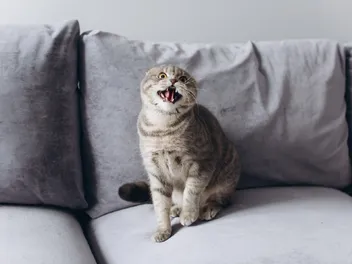
abyssinian-cat-meowing-at-the-sofa
Image Credit: New Africa, Shutterstock

Intact females may spray urine during their heat cycle as a way to attract males. While it is much more common for male cats to spray, females will too, which is why it is highly recommended that you spay at a very young age to prevent heat cycles and decrease the likelihood that spraying will ever occur.

Spaying can be completed at any age and may decrease or eliminate spraying altogether once it has been completed. But a small percentage of cats may continue spraying after they’ve been altered.

What You Can Do:

  • If your female has begun spraying due to mating behavior, it is time to contact a veterinarian and get her spayed. Spaying will not only significantly decrease the likelihood of spraying but will also prevent unwanted litters that can contribute to the current crisis surrounding the homeless pet population. It also has many other health and behavioral benefits and is the best thing you can do for your cat.
  • For those who struggle financially and cannot afford the cost of spaying at a veterinary clinic, many places offer low-cost spay and neuter services. You can reach out to your local animal shelter to discuss what options you have in your local area.
divider cat faces 2 oct 2024

Conclusion

Male cats may be more well-known for spraying, but females can exhibit this behavior as well. There are several reasons your female cat is suddenly spraying, and once you have ruled out any underlying health concerns as the cause, you can evaluate your situation to determine the reason she has started this behavior. Make sure to get your cats spayed or neutered at a young age to help prevent spraying in the first place.

Sources

Featured Image Credit: Helen Liam, Shutterstock

The Catster Newsletter

Expert cat care, straight to your inbox

News, insights, and useful advice, delivered to you.

No spam — unsubscribe anytime.

By signing up, you agree to our Terms & Conditions and Privacy & Cookies Policy.

Click a star to rate. You can leave written feedback afterwards. (We read all feedback.)

Lindsey Lawson
Authored by

Lindsey Lawson

Leave a Reply

You're very welcome to leave a comment or question. Please know that all comments must meet our community guidelines, and your email address will NOT be published. Let's have a positive and constructive conversation.

Do Female Cats Spray? Vet Approved Facts & FAQ

Do Female Cats Spray? Vet Approved Facts & FAQ

It's a common misconception that only intact male cats spray. The truth is spraying is not a sex-specific feline behavior. Female cats can and do spray. Having…

Christian Adams
By Christian Adams ·
How to Stop a Cat From Spraying: 8 Vet-Approved Tips

How to Stop a Cat From Spraying: 8 Vet-Approved Tips

It can be frustrating to have a cat that sprays, whether it is your cat that is spraying around the house or yard or if a stray cat is wandering onto your prop…

Sarah Psaradelis
By Sarah Psaradelis ·
Why Do Cats Spray? Our Vet Explains the Common Reasons & Solutions

Why Do Cats Spray? Our Vet Explains the Common Reasons & Solutions

Cats mark their territory to communicate their presence to other animals. If you find urine in places other than the litter box, you’ll need to first make sure…

Dr. Iulia Mihai, DVM MSc
By Dr. Iulia Mihai, DVM MSc ·
5 Cat Marking Behaviors: Vet-Reviewed Facts & Prevention

5 Cat Marking Behaviors: Vet-Reviewed Facts & Prevention

Cats may be small, but they are territorial little things. It makes a lot of sense if you think about your cat’s wild ancestors. They were only able to survive…

Chantelle Fowler
By Chantelle Fowler ·

Why Is My Cat Peeing on My Bed All of a Sudden? 5 Vet-Reviewed Reasons

Have you ever had to ask yourself "why did my cat pee on my bed"? Us too. As cat owners, we love our cats but we don’t love their pee. It’s pungent and difficu…

Jessica Rossetti
By Jessica Rossetti ·
Why Is My Cat Peeing on My Bed All of a Sudden? 5 Vet-Reviewed Reasons

Do Cats Pee to Mark Territory? Vet-Reviewed Cat Behavior Explanation

If you’ve ever seen your cat back up to a wall, the couch, or anywhere that is a vertical surface and spray urine, it’s called urine marking or spraying. Cats…

Christian Adams
By Christian Adams ·
Do Cats Pee to Mark Territory? Vet-Reviewed Cat Behavior Explanation

Is It True That All Cats Spray? Vet-Verified Facts & FAQ

Even though all cats have the ability to spray, not all of them do it. This is good news for cat owners. You may have a cat that never sprays at all. Spraying…

Jessica Rossetti
By Jessica Rossetti ·
Is It True That All Cats Spray? Vet-Verified Facts & FAQ

Cats Peeing on Shoes: 7 Vet Reviewed Reasons & How to Stop It

Nothing is worse than slipping your feet into a pool of cat pee—in your own shoe. If your cat has made a habit out of weeing into your Nikes, you’re looking fo…

Ashley Bates
By Ashley Bates ·
Cats Peeing on Shoes: 7 Vet Reviewed Reasons & How to Stop It

Why Is My Cat Suddenly Aggressive? Vet-Reviewed Reasons

It can be extremely disconcerting for your cat to suddenly begin to exhibit behavior that is unusual for them, especially if your once sweet kitty has suddenly…

Brooke Billingsley
By Brooke Billingsley ·
Why Is My Cat Suddenly Aggressive? Vet-Reviewed Reasons

Why Did My Cat Pee on Me While I Was Sleeping? 5 Vet-Reviewed Reasons

Are you Googling question this while you're washing your sheets? If your cat peed on you while you were sleeping, you want answers! After all, you'll want to e…

Ashley Bates
By Ashley Bates ·
Why Did My Cat Pee on Me While I Was Sleeping? 5 Vet-Reviewed Reasons

Is Your Cat a Vertical Pee-er? What to Do & How to Help (Vet-Reviewed)

Cats can develop strange habits that leave us feeling perplexed. One such strange behavior is vertical peeing. Cats can start to pee vertically for a variety o…

Jessica Kim
By Jessica Kim ·
Is Your Cat a Vertical Pee-er? What to Do & How to Help (Vet-Reviewed)

Why Is My Cat Peeing Outside the Litter Box? 7 Possible Vet-Approved Reasons

Cat pee is not a pleasant odor, even when it’s safely contained in a litter box. However, when a cat starts urinating in inappropriate locations, the situation…

Elizabeth Gray
By Elizabeth Gray ·
Why Is My Cat Peeing Outside the Litter Box? 7 Possible Vet-Approved Reasons

Love Cats? So Do We! Join the Catster Community

Stay informed with expert cat care insights delivered straight to your inbox! Discover professional guidance on feline behavior, feeding tips, trusted product picks, and much more.

You may opt-out at any time. View our Privacy Policy for more information.

The Catster site on a phone