Do Female Cats Spray? Vet Approved Facts & FAQ


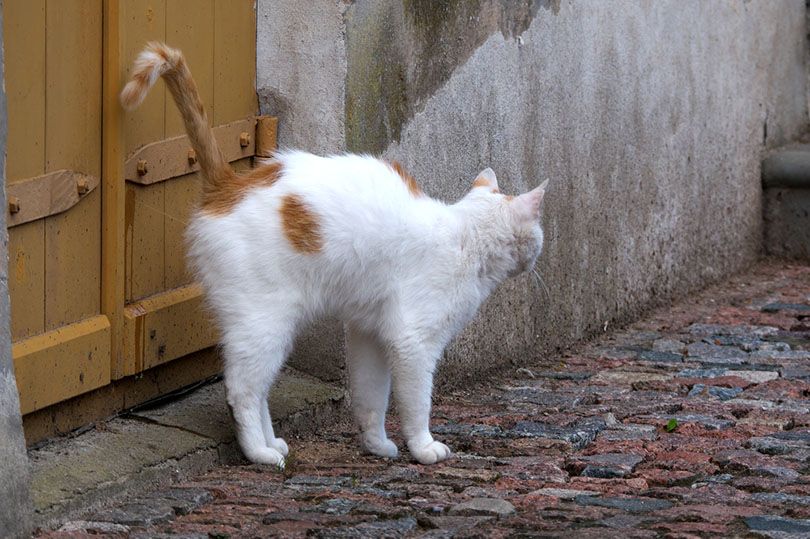
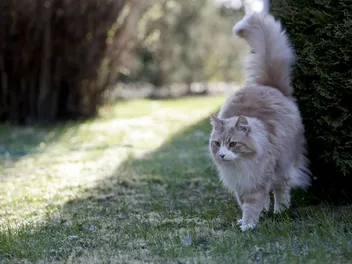
It's a common misconception that only intact male cats spray. The truth is spraying is not a sex-specific feline behavior. Female cats can and do spray. Having a female cat that sprays at home can be frustrating, especially if you didn't know female cats even sprayed in the first place.
In this article, we’ll get into the nitty gritty of why cats spray—regardless of their sex—and what you can do about it.

What Is Cat Spraying?
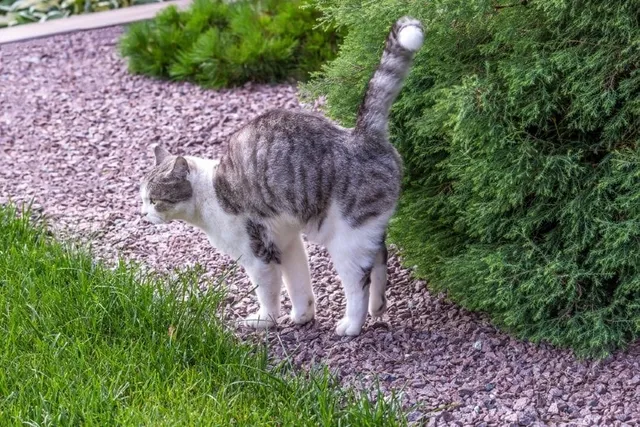
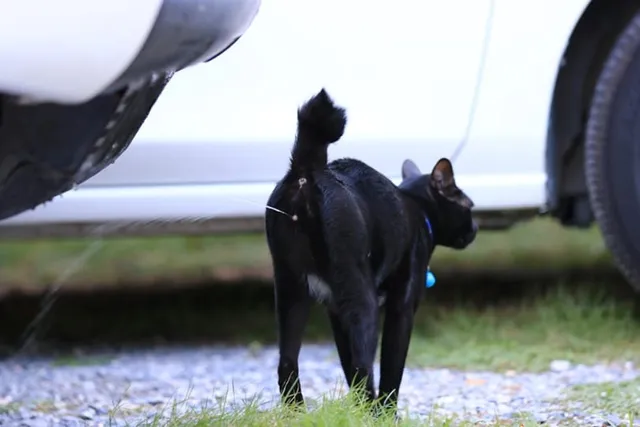
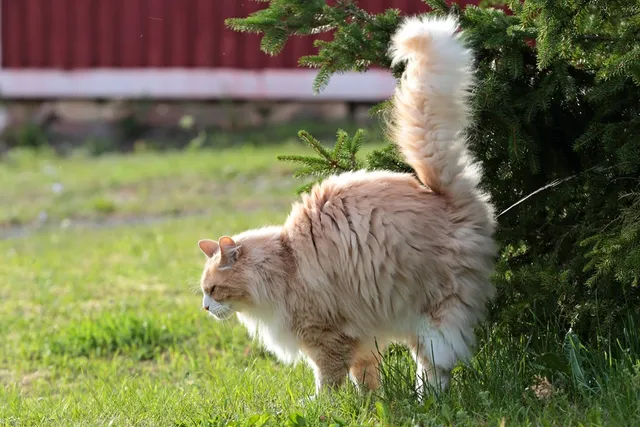
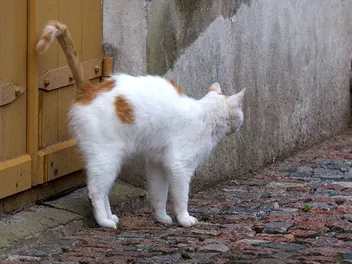
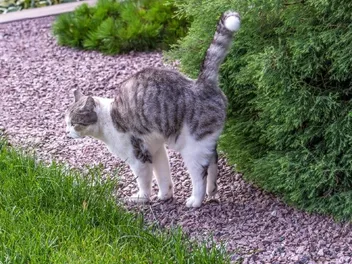
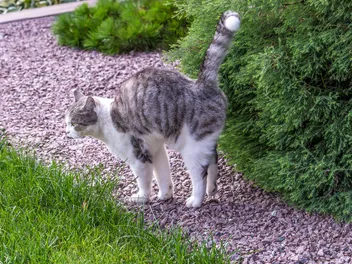
Don’t confuse spraying with regular urination. A cat spraying will stand with its back feet, raise its tail, and direct a urine stream onto any vertical surface. It looks very different from the squatting behavior of a cat urinating.

But Why Do Female Cats Spray?
Spraying is a basic part of cat language. That's why it smells more pungent than regular urine—a cat's spraying urine is mixed with pheromones and other chemicals to help them send various messages.
For instance, both male and female cats spray to mark their territory. This can be a reaction to a new pet or person in the home, changes to their environment, or even another cat passing by outside.
Female cats may also spray when they're in heat. This is one of the ways they let male cats know they're ready to mate.
Sometimes, spraying is your cat's way of telling you something is wrong. This could be due to an underlying health condition, stress or anxiety, or even a lack of litter box access.

How Can I Stop My Female Cat from Spraying?
1. Identify Why Your Female Cat Is Spraying
The first step is identifying the catalysts causing your female cat to spray.
At the top of your list should be a vet visit. Certain conditions, such as urinary tract infections and kidney disease, can cause cats to spray. Once any medical issues have been ruled out, it’s time to look for environmental causes.
For instance, did you recently move houses or bring home a new family member or pet? Maybe a stray cat suddenly started hanging around outside? The better you can pinpoint what’s causing your cat stress, the easier it will be to find a solution.
2. Clean the Areas Where Your Cat Has Sprayed
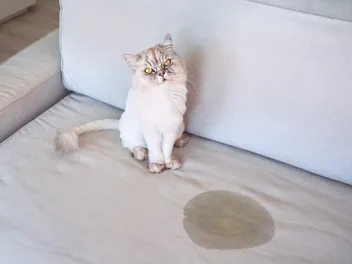
Your cat will be drawn back to any area they’ve previously sprayed because it still smells like her. So, clean any areas your cat has sprayed with an enzymatic cleaner that breaks down the pheromones in the urine. It’s the most effective way to neutralize odors, on top of cleaning the mess as soon as you see it.
Our Favorite Enzyme Cleaner
The Hepper Advanced Bio-Enzyme Pet Stain & Odor Eliminator Spray is our favorite enzyme cleaner out there. It permanently removes even the very worst kitty stains and smells, leaving your home fresh and clean! Click here to learn more about this amazing product and get yourself a bottle.

- ADVANCED ENZYMATIC CLEANER - Penetrates the most stubborn smells and stains at the deepest molecular levels to dissolve any pet mess you encounter and lift it away at the source.
- FOR ANY MESS, ON ANY SURFACE - This pet odor eliminator cleans your carpets, floors, furniture, fabrics, and more. Whether it's urine, feces, vomit, or drool, you can erase all foul spots and smells!
- FRESH, NATURAL ODOR - Our unique formulation doesn't rely on dangerous or unpleasant chemical fragrances to get the job done. We eradicate smells and stains, not just cover them up.
At Catster, we’ve admired Hepper for many years, and decided to take a controlling ownership interest so that we could benefit from the outstanding products of this cool cat company!
3. Have Your Cat Spayed
If your female cat is not already spayed, get it done as soon as possible.
Unaltered cats, male or female, are much more likely to spray than neutered cats. Their hormones are out of balance, and they’re more likely to become territorial, especially during mating season.
Spaying your cat before they reach 5 months of age makes spraying less likely because they haven’t developed the habit in the first place.
4. Check If You Have Enough Litter Boxes
If your female cat is spraying, she might be doing it because she’s overwhelmed by the number of cats using the same litter box.
Ideally, you should have one more litter box than the number of cats in your house. Got two cats? You need three litter boxes, and so on. Having enough litter boxes and keeping them clean can help alleviate some of that stress.
5. Use a Pheromone Diffuser
These plug-in diffusers emit a synthetic version of the calming pheromone cats naturally produce when they feel safe and secure. You can find pheromone diffusers in most pet stores, and they’re a great way to reduce stress levels and keep your female cat from spraying.
6. Ask Your Vet for Anti-Anxiety Meds & Supplements
Female cats with severe anxiety may need more help keeping their stress under control. Your vet may be able to prescribe anti-anxiety medication or natural supplements to calm your cat down and reduce unwanted behavior like spraying.

7. Spread Resources Around Your Home
Again, your female cat might be spraying out of territorial instinct, so it’s important to ensure you’re not encouraging that behavior. Spread resources, like food bowls, water bowls, and litter boxes, throughout your home. This way your cat won’t feel like they need to defend a certain area.
8. Give Your Cat Extra Love & Attention
Spraying is often a sign of stress, so it’s important to give your cat extra love and attention when they are feeling anxious. Spend some quality time with your cat every day, giving her pets, scratches, and cuddles. And make sure to stay on top of regular grooming, playtime, and mental stimulation.
Conclusion
Female cats can spray for various reasons, from medical issues to environmental stress. They are not doing it to be spiteful or mischievous, so it's important to approach the problem with understanding and patience.
Work closely with your vet, be more observant and proactive in your cat's care, and use the tips and tricks above to make your cat feel calmer, happier, and ultimately, less likely to spray. All the best!
See Also:
Featured Image Credit: Igor Shoshin, Shutterstock
Expert cat care, straight to your inbox
News, insights, and useful advice, delivered to you.

No spam — unsubscribe anytime.
By signing up, you agree to our Terms & Conditions and Privacy & Cookies Policy.
How useful was this post?
Click a star to rate. You can leave written feedback afterwards. (We read all feedback.)
Christian started writing for a local newspaper as a teenager, and he's been involved in the publishing industry for most of his adult life. Combining his love of writing with a passion for animals, he is currently the Director of Editorial at Pangolia and the Editor-in-Chief at Catster.
Christian lives in the Philippines with his wife, son, and four rescue cats: Trixie, Chloe, Sparky, and Chopper.