Why Is My Cat Panting After Giving Birth? Vet Approved Facts & FAQ

In this article
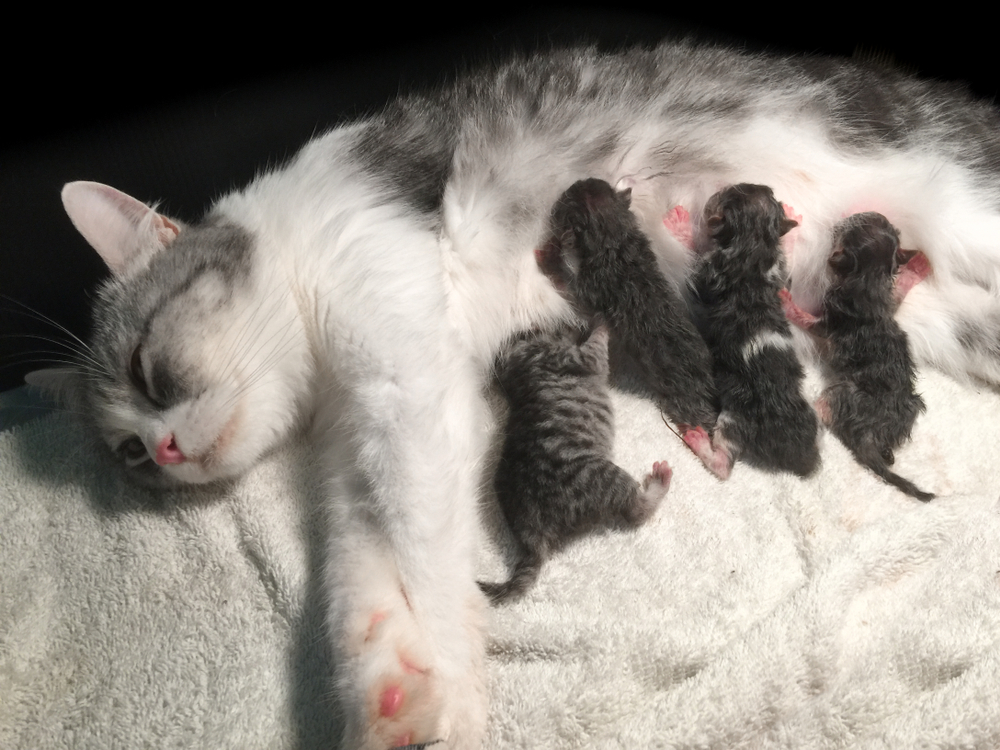
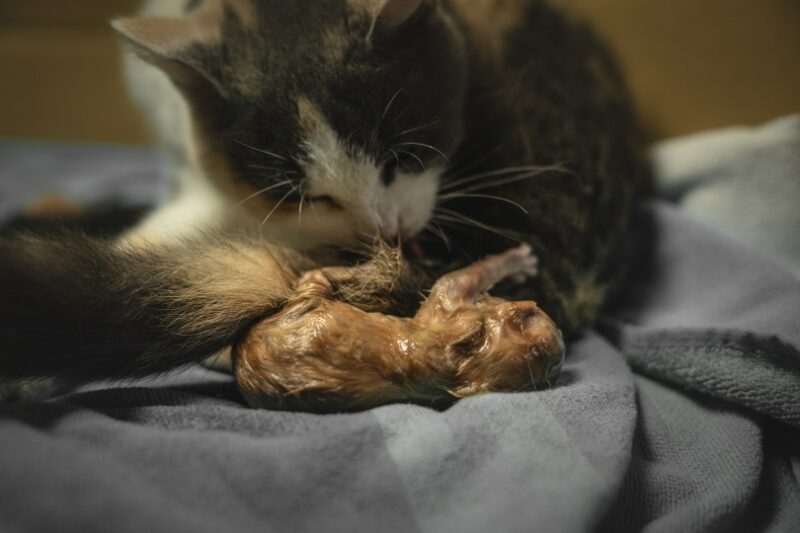
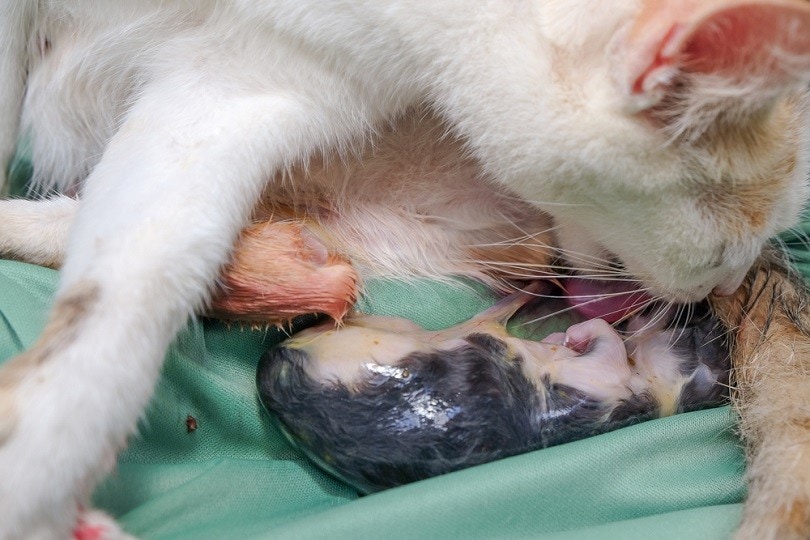
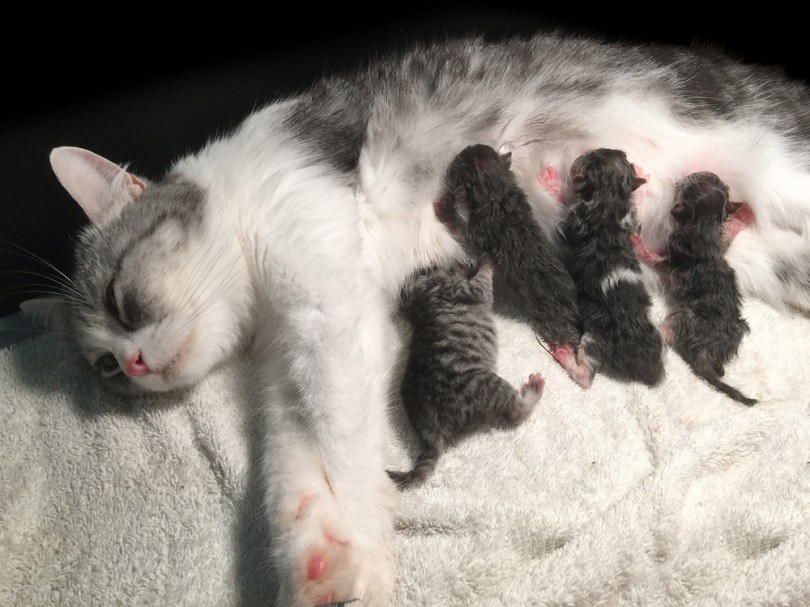
Breeding your cat is a beautiful experience both for you and your cat. And while being pregnant is exciting, giving birth can be challenging for your furry friend, especially if she gives birth to multiple kittens.
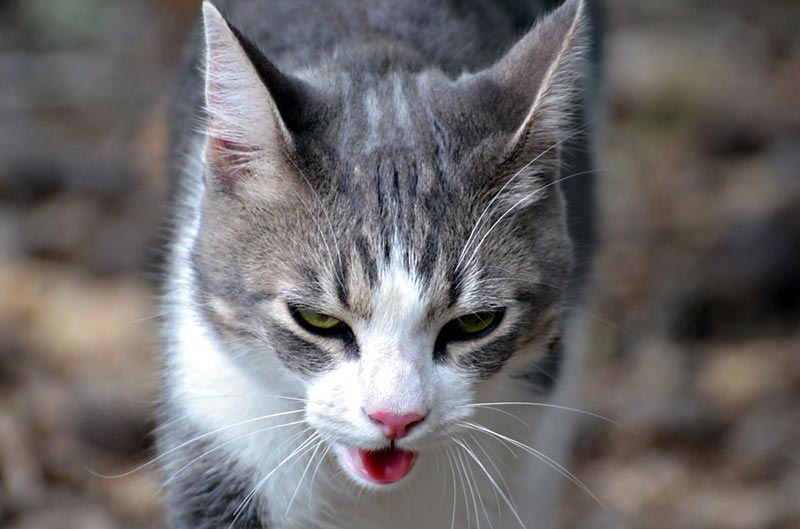
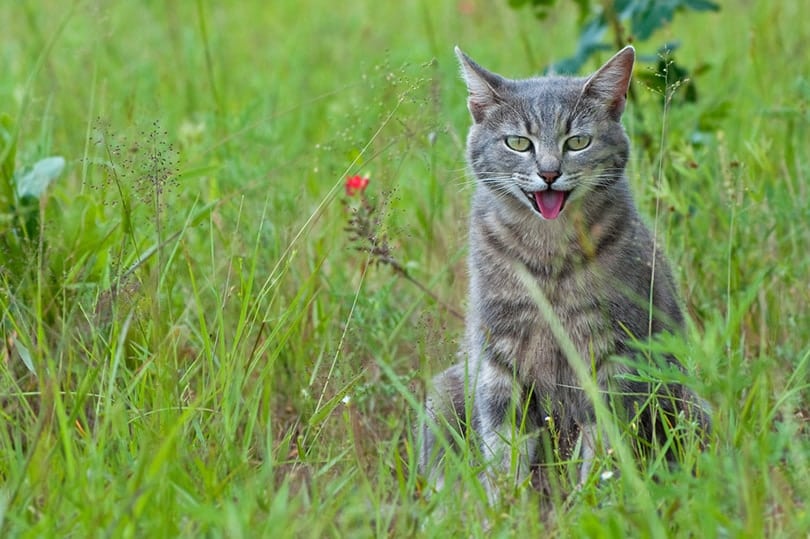
After giving birth, many habits of your feline will change as she adapts to being a new mom. With the changes in your cat’s body, it is also common to notice differences in its behavior, including panting, which is typically not that common in cats. But why do cats pant after giving birth? And is it normal? Luckily, it is common and completely normal.
Keep reading to learn everything about felines panting after giving birth, if it should worry you, and what to do to help your feline.

Is Panting After Giving Birth in Cats Serious?
Panting in cats doesn’t necessarily have to mean that there is something wrong with your feline. Most of the time, panting is completely normal after your cat gives birth, as the whole process of giving birth is exhausting for your feline.
However, if you notice abnormal panting and your cat struggling to breathe, it’s best to visit a vet. Although everything might be fine, there are still a couple of things that could cause such panting in your feline, and some may jeopardize its health.
The 5 Common Reasons for Cats Panting After Giving Birth
1. Postpartum Healing
One of the most common reasons your cat is panting after giving birth is postpartum healing, which is essential for your cat. When pregnant, the uterus of your feline expands, and after giving birth, it needs to return to its old shape.
Panting may happen during the healing period; if this is the reason behind your feline panting, it will typically pass after a few days. Of course, if the panting continues after that period, or it’s happening excessively, you should take your cat to the vet.

2. Milk Fever (Eclampsia)
Another common reason for panting in cats after giving birth is eclampsia1, also known as milk fever. Eclampsia occurs in nursing cats, and it represents a drop in the blood calcium levels of your feline. This condition happens when a cat becomes deficient in calcium, trying to produce enough for the cat and the milk it produces for its kittens.
Milk fever is a life-threatening condition, so it’s crucial to recognize it in time and take your feline to the vet; otherwise, its health might be in danger.
Here’s a list of common signs your feline is suffering from milk fever:
If you notice panting along with one of these signs, immediately take your cat for a vet check-up. That could save its life, so remember to react promptly and ensure your cat is okay.
3. Tiredness
Giving birth is challenging, and it’s normal for your cat to be tired after she gives birth to her kittens. This type of panting in cats after giving birth is typically short-term, so if the panting continues for a while, you can rule this reason out.
However, if the panting doesn’t last for a while, and it happens right after giving birth, it is probably a sign that your feline is exhausted and needs rest. If the panting continues, look for other signs to determine what is going on with your feline.
4. Stress & Anxiety
After giving birth, it’s normal for your feline to be more stressed and anxious than usual, especially since cats are such sensitive creatures. When a cat is overly stressed or too anxious, it can show symptoms such as panting, which is perfectly normal behavior. However, just because this is normal, that doesn’t mean it’s good for your cat.
Too much stress and anxiety in a feline with kittens can lead to a lack of milk and various problems, so you should try to help your kitty as much as possible. Typically, when anxiety and stress are the triggers to your feline’s panting problem, it’s best to help your cat calm down and feel safe.

5. Overheating
After giving birth, the hormones in your cat’s body start to change, and, depending on the environmental conditions, your feline’s temperature might become too high. When overheating occurs in your feline’s body, she may start to pant as a way of cooling down.
When overheating is the problem for the panting in your feline, you should try to adjust and lower the room temperature and provide plenty of fresh water for your cat. Panting from overheating isn’t dangerous, but you should help your cat cool off to prevent other possible problems.

How Do I Know if My Panting Cat Needs a Vet Visit?
Some of the reasons for your cat panting after giving birth can be pretty severe, so it’s essential to recognize them and determine if your cat needs a vet visit. Typically, if you notice panting without any other signs, there’s no need to worry about your cat’s health.
However, if you notice panting along with other signs, it’s best to take your cat to the vet and verify what’s happening. Although your cat might not suffer from severe health problems, it’s always better to be safe than sorry.
Conclusion
Sometimes, panting after giving birth in cats is completely normal. However, on certain occasions, a cat panting after giving birth can indicate other underlying problems with your cat's health. If you notice panting after your cat had her kittens, speak with a trusted veterinarian, and if needed, take your feline to a check-up. That way, you'll prevent further problems and ensure your cat will be healthy and ready to take care of her kittens.
Sources
Featured Credit: iarecottonstudio, Shutterstock

Expert cat care, straight to your inbox
Vet-reviewed advice, behavior tips, and the best of Catster. Free, and you can unsubscribe anytime.
By signing up, you agree to our Terms & Conditions and Privacy & Cookies Policy.
I'm a creative, adaptable content writer that covers various topics such as DIY, pets, home improvement, travel, gardening, and more.
As a young mom and a college student, I didn’t have enough time to balance my personal and work life, so after multiple years of working a regular 9 to 5 job, I decided to pursue my passion and make a living out of it. I have been writing for a couple of years now, helping people to find valuable and interesting information online.
I believe that writing is a great way to share your knowledge with the community and express yourself. There's nothing that words cannot accomplish, so I always try to use them in the best possible way.
Join the conversation
Ask a question, share your story, or send private feedback.