What Is Cat Middening? Vet-Reviewed Causes, Prevention & FAQ


In this article
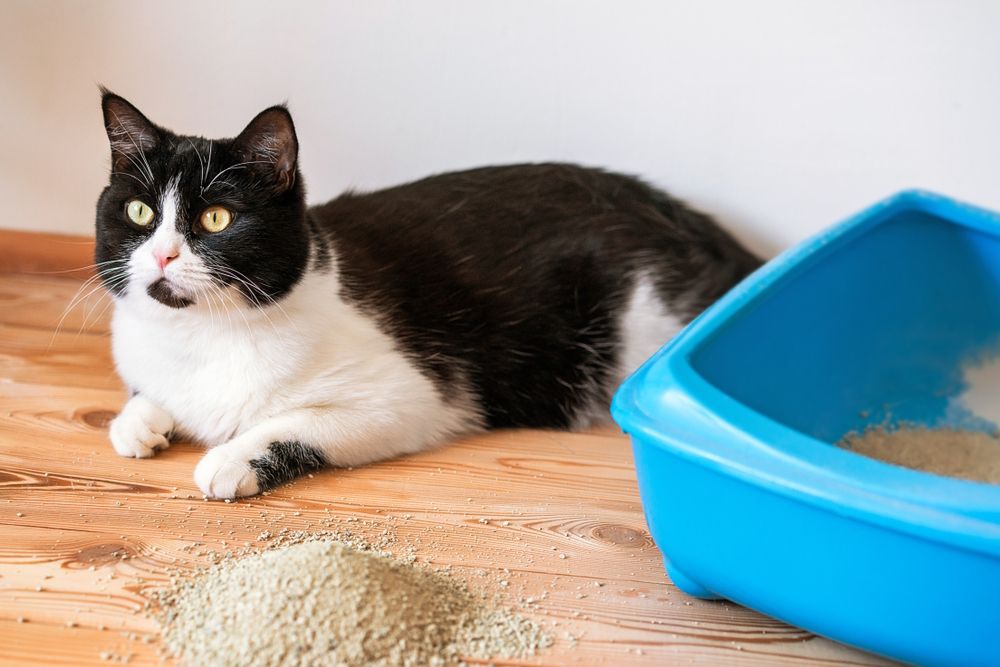
Life is always interesting when you have a cat in your life. But one of the more trying issues for cat parents is when your cat urinates and/or defecates outside the litter box. When a cat poops outside of their litter box, it’s called middening, and it’s usually an indication that something is wrong with your cat.
In this article, we’ll discuss why your cat is pooping in the home and not the box and how you can best help them.

What Is Cat Middening?
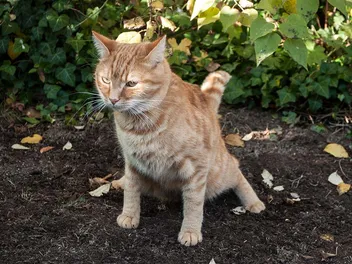
Cat middening is when a cat purposely poops in areas of the home and not in the litter box. While this might sound like your cat is just being a jerk, the act of pooping around the home is a form of scent-marking. Just like when cats spray to mark objects inside and outside—both spraying and middening are how cats mark their territory. However, while spraying is common, middening is not.
Middening is typically triggered by stress and anxiety and may help the cat feel more secure. Bear in mind that some health issues can cause a cat to eliminate outside of the box, but middening is deliberate. It should not lead to punishment. While saying it’s deliberate sounds like your cat is punishing you for something, it’s a behavioral issue that needs your immediate attention and that of your veterinarian.
Not every cat that defecates outside of the litter box is necessarily middening, so it’s essential to have them checked out by your vet.
What Can Cause Middening?
Cats communicate in a number of ways, but scent is one of the most common ways they communicate. Cats leaving poop uncovered where everyone can see it is a pretty powerful message to other cats that this is their territory, and they should back off.
This message is also why cats don’t attempt to bury their feces, but in some cases, it can occur when a cat is feeling very insecure.
But in domestic cats, middening is pretty rare, so if your usually clean cat is starting to poop in the house without any attempt to bury it, they might very well be quite stressed.
Some of the more stressful events that can cause middening are:
- A new dog or cat (or roommate or baby) added to the household
- Separation anxiety
- Too many cats in the home
- Moving and renovating
- An unfamiliar cat prowling around your property or getting inside
There can be other stressors, but these are the most common causes for a cat to start scent-marking the home with urine or poop.

What Else Can Cause a Cat to Defecate Outside of Their Litter Box?
As we mentioned earlier, middening isn’t very common, particularly in indoor cats, who can defecate outside their litter boxes for other reasons. The primary reasons why cats will poop on the floor can be health issues, problems with the litter box, or it’s really just accidental.
Health Conditions
If a cat has diarrhea, the urge to poop can come on quite suddenly, and they might not make it to the litter box. If the diarrhea is severe and any other health problems are occurring at the same time, speak to your vet.
Constipation can also cause accidental pooping on the floor. When a cat attempts to poop in the litter box but with no result, they might poop while walking away. This can occur because the act of walking might help the pooping process.
Inflammatory bowel disease (IBD) and parasites can also cause a cat to poop in places other than the litter box. Plus, cats with joint issues, like arthritis, might have difficulty getting into the litter box and defecate on the floor instead.
Issues with the Litter Box
These issues can range from:
- The litter box is too small
- In the wrong place (too noisy, for example, next to a door or washing machine)
- Moving the litter box to a new location
- Litter not changed frequently enough
- The cat doesn’t like the litter (wrong texture or odor)

Purely Accidental
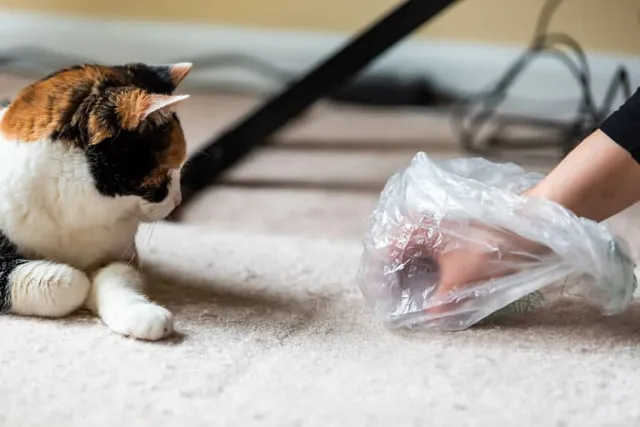
This is particularly true with cats with a lot of fur around their rear ends! Some cats might get poop stuck on their fur, which will just randomly fall off somewhere in the house. In these cases, you’ll likely find a random poop, and some cats might even try to cover it by scratching at nearby surfaces.
How Can You Help Stop Your Cat from Defecating Outside of Their Litter Box?
Knowing why your cat is pooping on your floors will guide you in fixing the problem. A visit to your vet should be your first order of business in order to rule out any health problems. If your cat is middening, it is a behavioral issue that needs to be addressed, which is primarily anxiety and stress.
If you suspect your cat is reacting to a change in the household, you should start with gradual introductions, such as when introducing a new pet or person. You can try pheromones like Feliway, which can help calm cats by emulating the pheromones in a cat’s scent, helping them feel calmer and safer.
You might also need to make some changes, such as if your cat is upset with a neighborhood cat who spends time on your property. Extra fencing or closing the cat flap (or dog door) so the unfamiliar cat can’t get inside can help. You should keep calm because your cat will pick up on your own stress, and ensure they have places to “escape” to, such as tall cat trees or inside closets and under furniture.
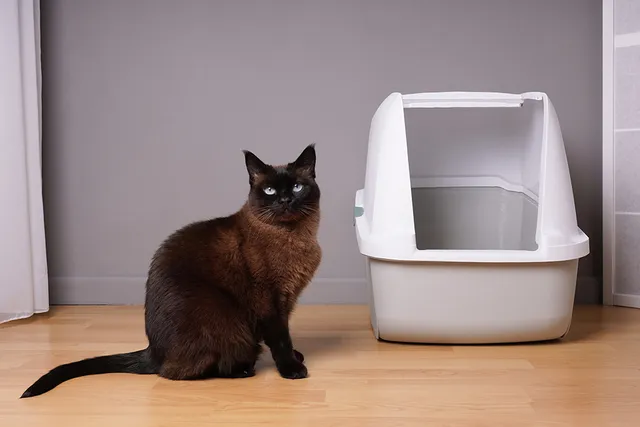
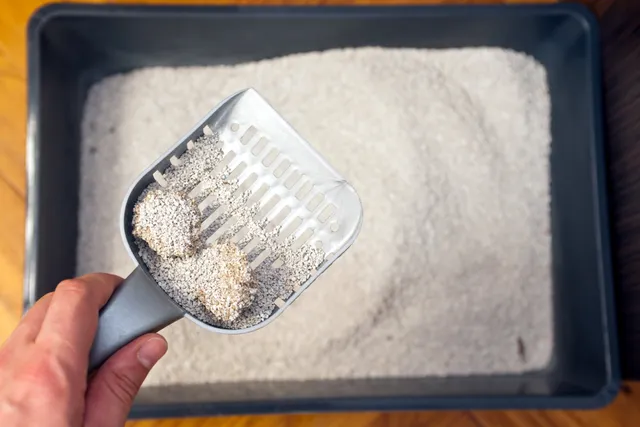
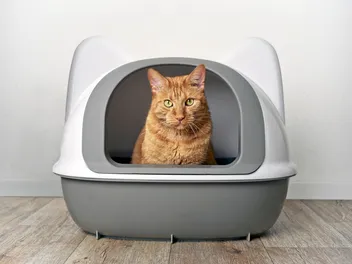
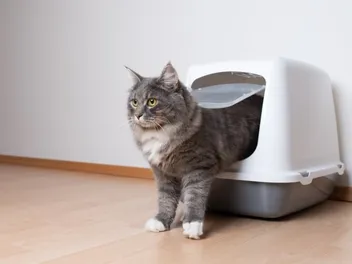
And ensure you clean the litter box frequently—scooping daily and changing the litter weekly works. The litter box must be the right size, and the litter you’re using must have the right texture (cats tend to prefer a sandy texture) and be unscented.
Finally, talk to your vet about the middening. They might give you further guidance as well as refer you to an animal behaviorist to help if you aren’t sure what the problem is.

Frequently Asked Questions (FAQ)
1. Why do cats go a little crazy after they poop?
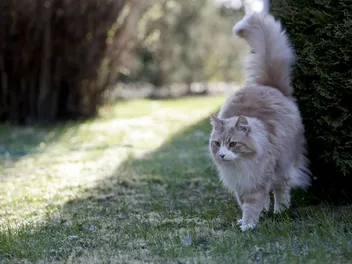
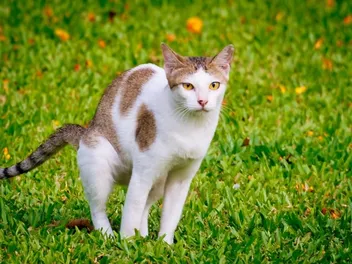
It’s believed it might be a number of things. First, some cats might get the zoomies because they just feel so great after pooping they can’t contain their joy! But some cats might have an aversion to the litter box because maybe they had an uncomfortable bowel movement and have equated it with the litter box. They will then try to get as far away from the box as possible.
It might also be survival instincts in which they want to get away from their poop as quickly as possible to distance themselves from potential predators (and the instincts will still be there even if your cat is an indoor-only cat).
Finally, it’s thought that the vagus nerve is stimulated by the poop, which ends up giving them a euphoric feeling. Think of it as a natural “high” for your cat.

2. What if my cat doesn’t seem to be able to poop?
This may be constipation, and you’ll need to speak to your veterinarian, particularly if your cat hasn’t pooped in more than a day. Other signs of constipation include:
- Vomiting
- Frequent unproductive litter box visits
- Abdominal pain
- Decreased appetite
- Decreased energy
- Reduced interest in playing with the family
It might require a change in diet and methods (such as giving your cat a water fountain) to encourage more water consumption. But you must get your veterinarian involved.
3. Why is my cat pooping in my bedroom?
One thing this may be is separation anxiety—when your cat is stressed because the people they love are away for too long, they might start pooping in your bedroom. But of course, it can be another stressor like the ones already discussed, causing the behavior. Again, this merits a conversation with your vet.

Conclusion
While middening isn’t considered a health issue, it’s still a good idea to rule it out via your vet. Middening is a behavioral issue, typically from a cat that is quite stressed and is dealing with the stress by defecating where they shouldn’t. This is why it needs to be taken seriously. Plus, the cat should never be punished, as this will only make the cat fearful and confused.
But dealing with the issue causing the middening should help stop the behavior.
See Also:
Sources
https://www.viovet.co.uk/knowledgebase/a175-Understanding-Feline-Behaviour:-Stress
https://www.veterinary-practice.com/article/supporting-clients-with-cats-soiling
https://www.infurmation.co.za/articles/cat-poo-issues-how-to-stop-these-nasty-problems/
https://www.thedodo.com/dodowell/why-do-cats-run-after-pooping
Featured Image Credit: Tanya Plotnikova, Shutterstock

Expert cat care, straight to your inbox
Vet-reviewed advice, behavior tips, and the best of Catster. Free, and you can unsubscribe anytime.
By signing up, you agree to our Terms & Conditions and Privacy & Cookies Policy.
Kathryn was a librarian in a previous lifetime and is currently a pet writer. When she was a child, she hoped to work in ZOOs or with wildlife in some way, thanks to her all-consuming love for animals. Sadly, she's not strong in the sciences, so she fills her days with researching and writing about all kinds of animals and spends time playing with her adorable but very naughty tabby cat, Bella. Kathryn is hoping to add to her family in the near future – maybe another cat and a dog.
Join the conversation
Ask a question, share your story, or send private feedback.