Cat Hiccups: Our Vet Explains Causes & What to Do

In this article
Can cats get hiccups? In short, yes! Just like their human counterparts, cats can get bouts of hiccups for a variety of reasons, and it is usually a normal occurrence. Cat hiccups, or hiccoughs, are caused by a strong diaphragm contraction (the band of muscle that separates the chest from the abdomen internally and controls breathing) when something irritates it. The technical term is a “synchronous diaphragmatic flutter.”

What Do Cat Hiccups Sound Like?
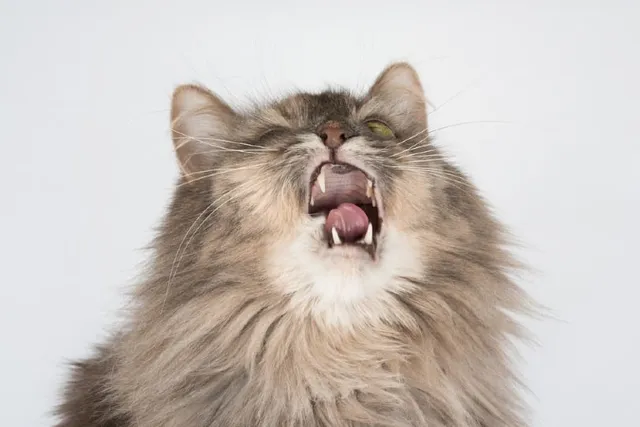
The sound of a cat’s hiccups might not be the same as that made by humans, but the physiology is almost identical. Most cats don’t make a noise while hiccupping, or if they do, it is merely a quiet squeak or chirp.
You may be able to see or feel your cat’s belly spasming or contracting quickly. They can have several hiccups in quick succession, but a bout of hiccups rarely lasts more than a few minutes. Anything that seems to last a long time or becomes frequent should be checked by a vet.
What Does It Mean if a Cat Hiccups?
Mostly, cat hiccups are a normal event and are rarely a cause for concern. These are the most common reasons they might occur.
1. Eating quickly
Swallowing air while eating irritates the main nerve (phrenic nerve) that sits close to the diaphragm and causes cat hiccups. A cat who eats too fast is likelier to swallow air with it and irritate the diaphragm.
Some cats are greedy and need encouragement to eat a little slower. However, cats that feel unsafe while eating, either because of competition from other feline friends in the house or because of a hectic environment, such as other pets or children interfering with feeding time, may be more likely to bolt their food.
Observe your cat’s meal times; are they worried about the presence of other cats or animals? Is there another cat trying to steal the last of their food? Could changing their feeding environment reduce this competition? For example, you can feed the cats in different areas of the home away from other pets.
2. Not chewing properly
Swallowing food whole and not chewing it means that cats produce less saliva, and their stomach fills up quickly, causing irritation and hiccups. The size and texture of cat food vary, particularly with dry kibble varieties.
Some cats might prefer smaller kibble, whereas others prefer larger chunks that require more chewing. This might change for individuals as cats age, and you may need to try a few types to find your cat's ideal size!
However, if you notice a change in how your cat is eating, or they are no longer chewing their food as much as usual, it could be a problem. A sore mouth or dental disease may cause subtle changes in how they eat food.
Regular check-ups with a vet are recommended to detect dental disease and other problems early. If you notice any changes in how your cat eats, consult a Veterinary professional first.
3. Hairballs
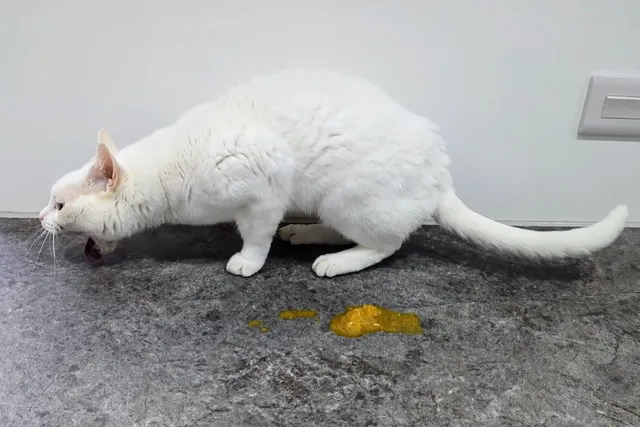
Most cats will be troubled by hairballs at some stage in their life, but our longer-haired felines tend to get more. Persistent attempts to dislodge or cough up a hairball may irritate their throat and result in cat hiccups.
If your feline friend can’t clear the hairball themselves, or it is a frequent occurrence, seek veterinary advice since there are treatments and dietary changes that can help.
4. Purring
Sometimes, hiccups may be triggered by purring. Cats often produce more saliva while purring, and it is usually swallowed with air. While purring is often a normal behavior and a sign of a happy, contented feline, it is worth remembering not all cats purr because they are happy. Some cats purr when they are stressed or anxious. Pet parents should be mindful of this and observe their cat's behavior closely.

5. Medical problems
Medical conditions such as gut infections, inflammation, or food allergies can cause more gas to be produced. This may irritate the stomach and diaphragm and cause regular bouts of hiccups. If your cat’s hiccups are accompanied by appetite, weight, or stool changes, it warrants a trip to the vet for more investigations.
Can Hiccups Be Harmful?
Occasional hiccups are normal in cats of all ages and often more common in kittens. Frequent hiccups, a sudden increase in hiccups or hiccups associated with vomiting, coughing, or abnormal breathing, should be treated more seriously and checked by a vet.

How to Treat Cat Hiccups
You can try several things at home to alleviate your cat’s hiccups, especially if they seem to be related to eating and drinking. However, pet parents should avoid trying too many at-home remedies without consulting a vet first.
1. Hydration
Ensure your cat has plenty of access to fresh drinking water, not just at mealtimes. This will help your cat digest their food effectively and reduce the chance of hiccups occurring or alleviate them once they have started.
Some cats prefer moving water, such as drinking from a tap or a water fountain. As a general rule, cats prefer their water away from their food, so use separate bowls for food and water. Never force a cat to eat or drink since it might cause stress and exacerbate the problem.
2. Smaller meals
For cats that over-eat or eat too quickly, offering smaller meals more frequently throughout the day may help. Using puzzle feeders or bowls designed to slow their eating may help some cats pace themselves. Some cats prefer it if you scatter their food across the floor. Not only does it slow them down, but it also stimulates their natural skills to find food and makes mealtimes a little more interesting.
For hiccups that seem to be related to hairballs, try switching to a diet targeted to manage hairballs or introducing a dietary supplement. However, it is always advised to consult a vet before making significant changes to your cat’s diet. Brushing your cat regularly will help keep on top of excess hair being ingested and, when introduced as part of their routine, can be a relaxing experience for cats and their owners.

Conclusion
Most cases of hiccups will resolve with time, and it is unlikely to need further attention. If you notice your furry friend hiccupping, taking some preventative measures at home should suffice to help avoid future hiccups. However, frequent hiccuping is unusual and should be addressed by a veterinarian as soon as possible. If the hiccuping is related to hairballs, your vet can recommend a supplement or diet to help.
Featured Image Credit: Svitlana Sen, Shutterstock
Expert cat care, straight to your inbox
News, insights, and useful advice, delivered to you.

No spam — unsubscribe anytime.
By signing up, you agree to our Terms & Conditions and Privacy & Cookies Policy.
How useful was this post?
Click a star to rate. You can leave written feedback afterwards. (We read all feedback.)
Dr. Joanna Woodnutt BVM BVS (Veterinarian)
Joanna is an experienced veterinarian working in the UK. She has written about pets and their health for many blogs, pet magazines and pet websites and loves to help readers understand their pets through her writing.
She has started her own freelance company so she can help more pet parents than just the one standing in front of her in a consultation room.
She enjoys teaching and educating clients, so a career in writing, public education and pet health is the perfect combination for her.