Why Are Cats Scared of Vacuums? 5 Vet-Reviewed Reasons & Desensitization Tips


In this article
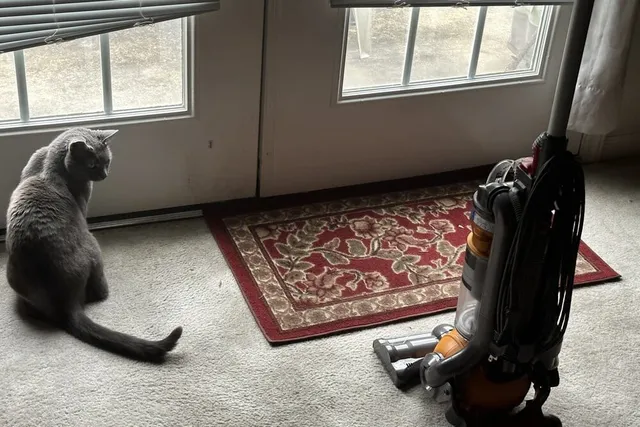
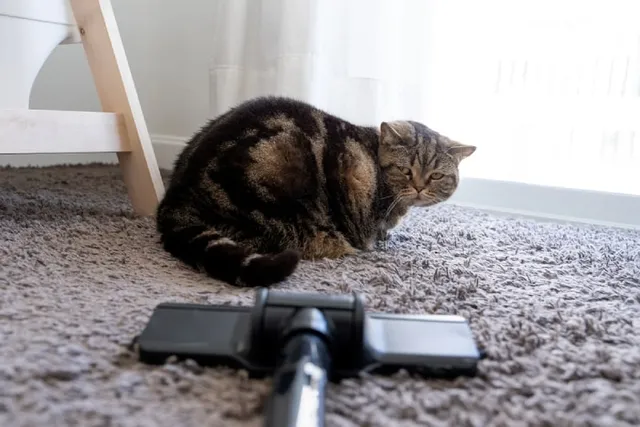
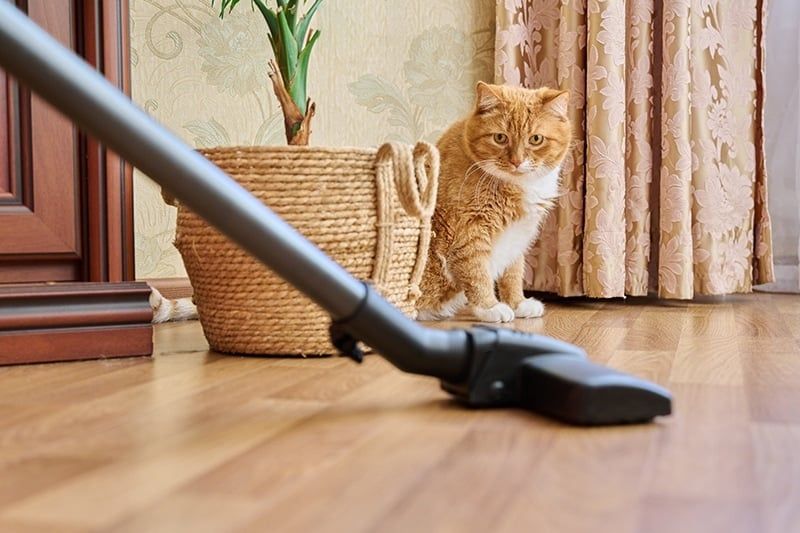
If your poor cat runs away in terror at the mere sight of the vacuum cleaner, know that you are not the only pet owner who’s been in this situation. In fact, fear of vacuum cleaners might be one of the most common fears among pets. Even human babies are often terrified by this thunderous noise the first time that they hear it. But what is behind this phobia in our feline companions?
Cats react differently to loud noises, like vacuums, based on several factors, which include their personality, past experiences, and even genetics. Also, when our cat is afraid of a noise, we often feel the need to soothe them. But surprisingly, this may not be as helpful as you might think.
Read on to fully understand why cats are afraid of vacuum cleaners and what you can do to help them overcome their phobia.

The 5 Common Reasons That Cats Are Afraid of Vacuums
There are many reasons a cat may be afraid of the vacuum cleaner, including:
1. Lack of Socialization and Exposure
Socialization isn’t just for puppies! Indeed, the early socialization of kittens to new people, animals, situations, and objects, such as the terrifying vacuum cleaner, is an essential step in their development. This involves gently exposing these young cats to new things that they will regularly encounter as adults so they can respond with confidence rather than fear or anxiety.
2. Genetics
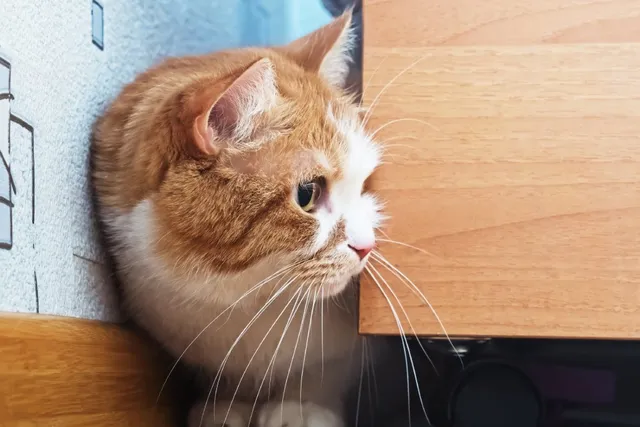
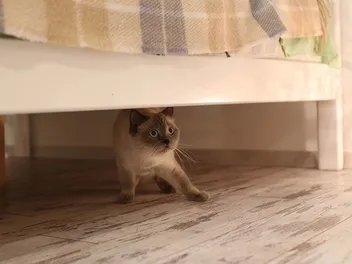
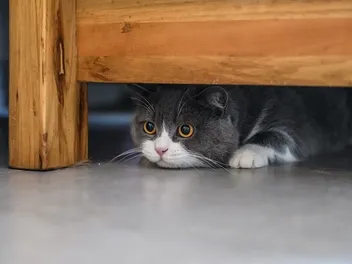
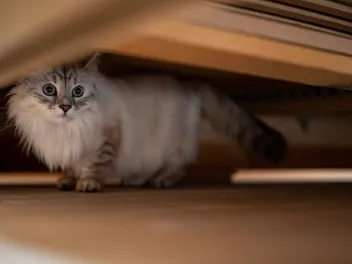
A cat’s genetic makeup plays an important role in their reaction to loud noises. Some cats are inherently fearful of almost everything and tend to flee from all sorts of noises, situations, and even impromptu guests. Unlike dogs that may try to run away, cats often withdraw and seek refuge in the house, such as in a closet, under the bed, or high up on a kitchen cabinet.
3. Previous Experiences
If your pet has been frightened by the vacuum cleaner, this can turn into a real phobia. They have probably created a strong negative association with the vacuum cleaner.

4. Personality
Some cats have a shy or fearful temperament in general. A cat that is afraid of thunder or fireworks, for example, may also be frightened by the vacuum cleaner.
5. The Noise Itself
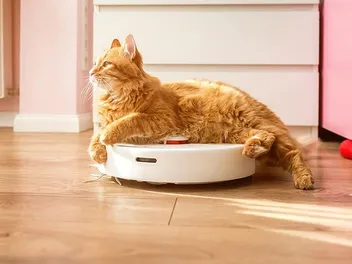
Ultimately, some vacuums are just louder than others, and there’s a chance that a sudden loud noise from one vacuum is enough to spook your cat. Conversely, your cat might not be as spooked by a quieter vacuum and might even curiously paw at it as it moves around the house.

Should You Be Worried About Your Cat’s Fear?
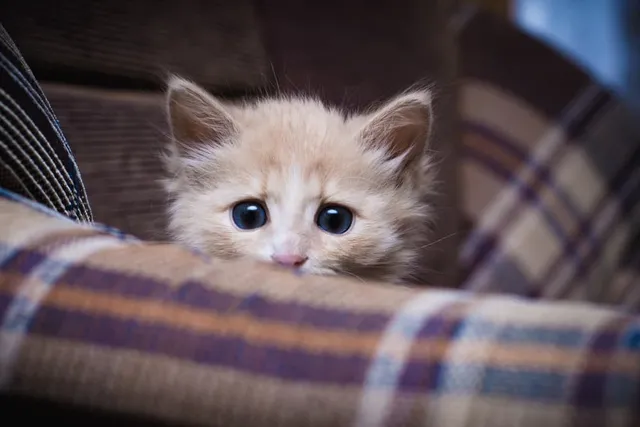
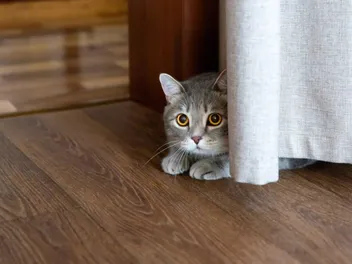
If you notice your cat hiding under the couch, trembling, hissing, or meowing excessively, it could indicate that they are experiencing severe distress. High levels of anxiety can increase the cortisol levels in their body, which can lead to various health problems. Therefore, it is crucial to ascertain if your pet can overcome their fear.
How to Help Your Cat Overcome Their Fear of Vacuums
When your cat is scared, your first instinct is likely to pick them up in your arms to calm them down. However, some veterinarians don’t recommend comforting your cat in this way, as they might interpret this as a reason to be afraid of the noise. This will then reinforce their fear. Whatever you choose to do, never punish your cat for being afraid, as this will only increase their anxiety.
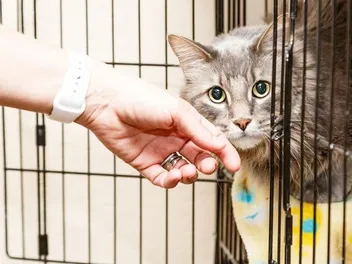
It’s best to let them choose where they want to hide and stay there until they feel safe. This is a natural behavior for felines, both in the wild and at home. However, if your cat hides for too long and you start to worry, try tempting them with a treat or their favorite toy. But remember, never force your pet out of their hiding place unless they are in danger.
Another way to help your cat cope with frightening sounds is to use the desensitization technique:
- First, leave the vacuum cleaner in a room where your cat spends time, but make sure it is turned off. Reward your cat with treats/praise when they are in the same room. Keep it there for a few days, moving it to different rooms (avoiding your cat’s litter box, bed, and food and water bowls).
- Next, have someone else run the vacuum in a different room while you stay with your cat and offer them comfort/treats. Once your cat is fine with the sound at a distance, try turning it on in the same room but at a distance from your pet. Reward your cat if they don’t run away.
- Finally, turn on the vacuum cleaner and use it normally, even if it means going near your cat (reward them afterward). Be patient with this technique, as it will require both time and patience. With consistent practice, your cat should become more comfortable with the vacuum cleaner.
Moreover, if your cat becomes overly agitated and scared by the vacuum, you may try a calming spray. This product contains a feline pheromone that may soothe cats during times of stress. It can be used as a spray or diffuser.
Finally, if despite all your efforts, your cat remains extremely anxious and fearful when you take out the vacuum cleaner, contact a veterinary team for further advice.
Bottom Line
While it can be fun to see your cat's ninja moves to escape the dreaded vacuum cleaner, never forget that this fear is real and can cause actual distress and anxiety.
Fortunately, by trying to understand the reasons for this fear and implementing measures to alleviate it, you can help your feline companion feel safer in your home. Perhaps one day, they will consider the vacuum cleaner as a noisy but harmless device, rather than as a sworn enemy.
See also:
Sources
https://theanimalhospitable.com/storage/app/media/Dog-catwatch/CatWatch2012/catwatch-2012-08.pdf
https://veterinarypartner.vin.com/default.aspx?pid=19239&id=8941891
https://www.petmd.com/cat/conditions/behavioral/c_ct_fear_phobia_anxiety
https://theanimalhospitable.com/storage/app/media/Dog-catwatch/CatWatch2012/catwatch-2012-08.pdf
Featured Photo Credit: VH-studio, Shutterstock
Expert cat care, straight to your inbox
News, insights, and useful advice, delivered to you.

No spam — unsubscribe anytime.
By signing up, you agree to our Terms & Conditions and Privacy & Cookies Policy.
How useful was this post?
Click a star to rate. You can leave written feedback afterwards. (We read all feedback.)
Genevieve is both a biologist and a science writer, driven by her deep love for capuchin monkeys, pumas, and kangaroos. Her dedication to wildlife has taken her across the globe, from Bolivia and Guatemala to Canada and Australia, working and volunteering at various rehabilitation centers. As a Canadian living in Argentina, Genevieve starts her days with horses and cows greeting her from the plains outside her home office. She is the proud parent of three rescued dogs—Lemmy, Nala, and Pochi—and an energetic kitten named Furiosa. The opportunity to share her passion and expertise in animal care brings her great satisfaction.