Siberian Cat vs. Ragdoll Cat: Vet-Verified Main Differences (With Pictures)


In this article
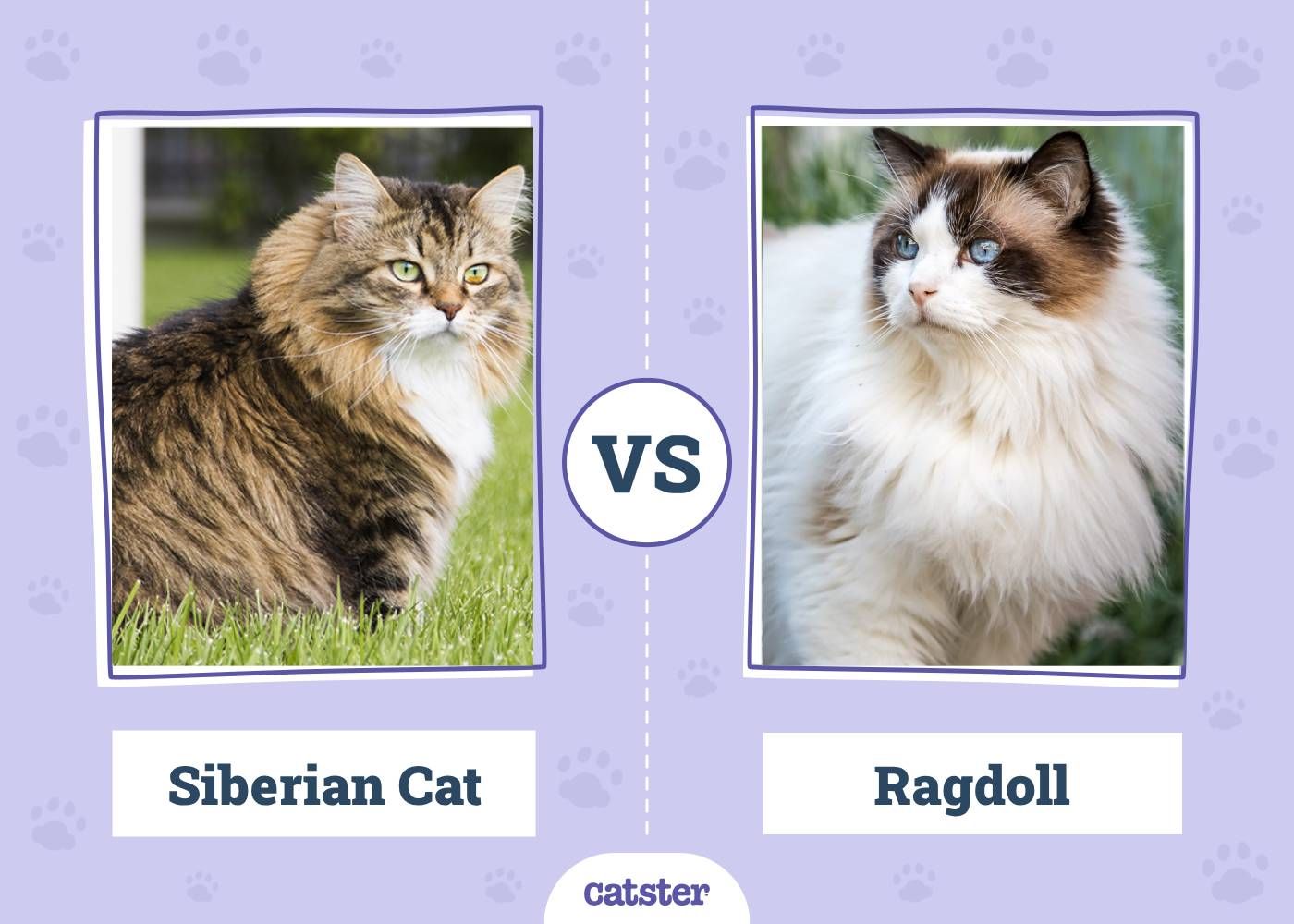
With so many incredible cat breeds to choose from, which feline would make the best pet for you? Two of our favorites are the Siberian and Ragdoll. Siberians, as the name suggests, originated from Russia, and Ragdolls were developed in the United States.
The cats have similar characteristics, and if you saw them from a distance, you might think they were the same breed. They’re both affectionate animals who love people, but they have different personalities, coat types, and physical traits. Siberians and Ragdolls are fascinating animals, and we’ll discuss their virtues and quirks so you can determine which furball is ideal for your home.
Important information: While certain traits and tendencies are commonly associated with specific cat breeds, every cat is an individual. Personality, behavior, activity level, and health can vary widely based on genetics, early socialization, environment, and life experiences. The characteristics described here are general breed tendencies and should not be taken as guarantees. Always consider the individual cat when choosing a pet and consult a veterinarian or reputable breeder for personalized guidance.

Visual Differences

At a Glance
Siberian Cat Overview

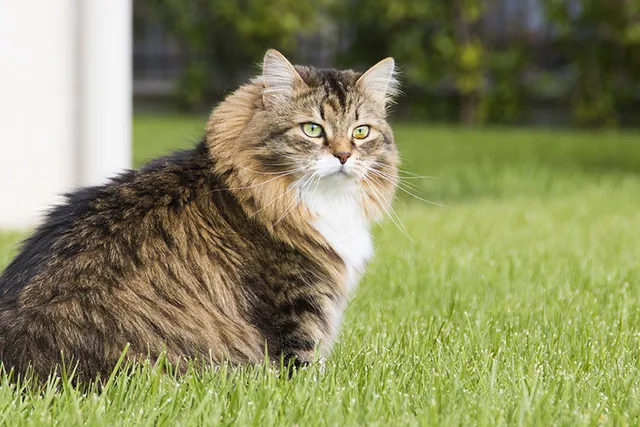
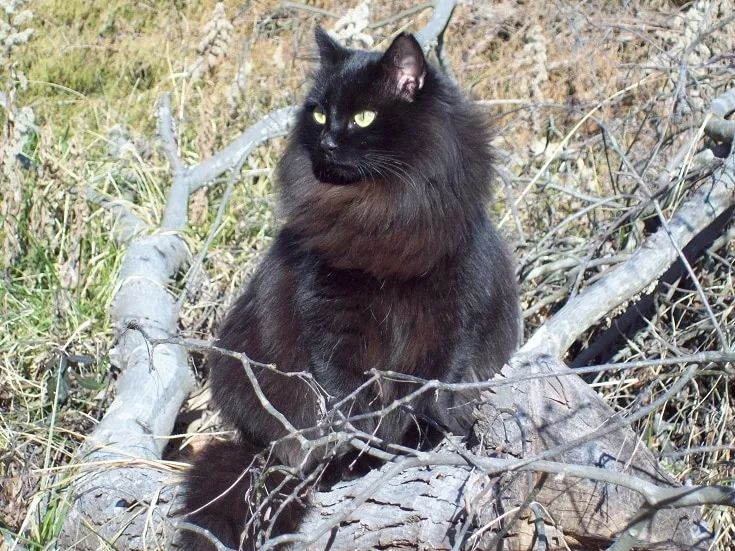
The Siberian is Russia’s national cat, and it has delighted cat owners for several hundred years in Russia. The United States was not eligible to import the breed until the early 1990s. Their bushy coats come in several colors and patterns, including white, black, red, gray, blue, cream, chocolate, and sable. Some cats have blue eyes, but they can also have copper, gold, or green eyes.
Personality / Character
Although the fluffy giants are skilled hunters, they’re very fond of humans and love playing games. A Siberian will fit right in if you have a large family. They establish close bonds with humans, and they’re gentle towards young children. However, they require supervision when socializing with toddlers. Siberians are not aggressive or irritated by “tugging” children, but they’re large enough to bump into or knock over an unsuspecting tike.
Siberians take longer to mature than other cats, and most do not reach adulthood until they’re 5 years old. That means that you can enjoy plenty of “kitty years” with your pet. Although they love to play, they’re also calm and fond of curling up in their owner’s lap.
Some cats dislike being picked up or held, but a Siberian enjoys being held and will likely start purring in your arms. They’re not very vocal, but they chirp or meow to beg for attention. Unless you bathe with the door closed, a Siberian may want to join you in the bath or shower. They’re not usually afraid of water, and most seem to enjoy it.

Exercise & Training
Siberians are smart kitties who are simple to train. They quickly learn to use the litter box, and it does not take long to teach them to use scratching posts. The cats can learn to take walks in a harness with enough training, and some enjoy fetching toys. They require moderate exercise every day and need mental and physical stimulation to avoid boredom.
Using a toy that must be shaken to dispense treats will provide a challenge they enjoy. Their high prey drive makes them yearn to hunt, but you can satisfy their hunting urges with engaging toys and activities. Siberians get along with dogs and other cats, but you should avoid keeping hamsters, mice, or other rodents in the house.
Health & Care
Siberians are susceptible to hypertrophic cardiomyopathy. Since it is believed to be inherited, reputable breeders typically screen for the disease.
Breeding
You can easily find a Siberian breeder in Russia, but very few operate in the United States. They’re in high demand in the U.S., and you can expect to pay between $1,000 to $4,000 on a Siberian kitten.
Suitable For:
Siberians are suited for large active families who are not frequent travelers. Because of their dog-like devotion, they dislike being away from their family. Single owners who work from home will also make excellent pet parents if they give the cats plenty of attention.
Pros
- Affectionate and energetic
- Good with other pets and children
- Fond of water
- Easy to train
Cons
- Expensive
- High prey drive
Ragdoll Overview

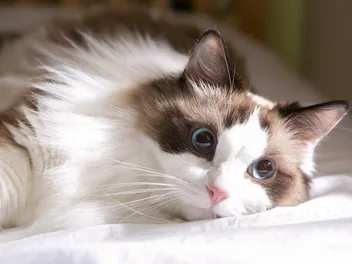
The Ragdoll was created by a breeder in Riverside, California in the 1960s. After crossing a white long-haired female with several of the feral cats, the breeder, Ann Baker, discovered the offspring were docile and affectionate. Ragdolls are long-haired and can have white, red, black, orange, blue, silver, beige, chocolate, sable, or lilac coats. Purebreds typically have bright blue eyes, and crossbreeds can have green, gold, or dark blue eyes.
Personality / Character
The name “Ragdoll” describes how the cats go limp like ragdolls when you pick them up. They love being held, and they’re one of the top lap cats in the feline world. Ragdolls are large cats weighing up to 20 pounds, but they’re gentle and quiet. Families with children are the perfect roommates for the cat because they love being around humans and playing games.
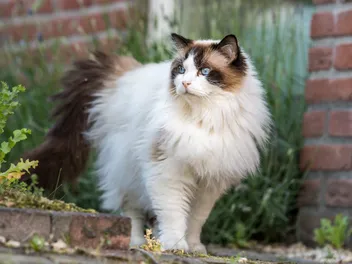
They have long silky fur, but unlike many long-haired breeds, like the Siberian, Ragdolls do not shed often. They’re meticulous groomers, and you only have to give them a light daily brushing to prevent tangles and mats. Their limited shedding is due to the absence of an undercoat.
Although they look fluffy, they do not react well to cold. One of the unique characteristics of the Ragdoll is its fondness for the floor or ground. Some cat lovers refer to them as “floor kitties”.

Exercise & Training
Ragdolls enjoy taking it easy on the couch, in your lap, or in your arms, but they’re not slackers. They require at least 30 minutes a day of active playtime. They’re entertained by string toys, laser pointers, catnip mice, and even balled-up pieces of paper. Although a Ragdoll may protest if you attempt to walk them on a frigid day, they can be trained to walk with a harness for additional exercise.
Ragdolls respond to training well due to their high intelligence, and they pick up on litter box training quickly. They love to retrieve toys, and you can teach them to climb onto your shoulders when you provide treats as rewards. Ragdolls get along with other pets, and they’re one of the safest breeds to have around small children.
Health & Care
Ragdolls can live up to 15+ years, but their gene pool is limited due to the breed’s rarity. Most Ragdolls are healthy, but they’re vulnerable to hypertrophic cardiomyopathy and urinary stones. Providing a healthy diet and visiting a vet at least twice a year are the ideal ways to ensure the cat stays healthy.

Breeding
Ragdolls are high-demand kitties, and you can expect to pay $500 to $2,000 for a kitten. More Ragdoll breeders are in the United States than Siberian breeders, but there are not enough to meet the demand. Be sure to carefully check the breeder’s background and inspect the breeding facility. Avoid breeders that raise Teacup Ragdolls. Veterinarians warn that breeding two undersized cats can result in offspring with many health conditions.
Suitable For:
Families with kids and singles are suitable for Ragdolls. In fact, Ragdolls love almost anyone if they receive love and attention. The cat should not be left alone for long periods, but they do not suffer from separation anxiety as badly as Siberians. Going away to work will not bother them, but they will become lonely if abandoned for several days.
Pros
- Lovable and calm
- Likes to stay on the ground and will not jump on counters
- Easy to groom
- Good with small children and other pets
- Easy to train
Cons
- They’re not afraid of strangers and are easy targets for catnappers
- They do not enjoy staying at home alone
Which Breed Is Right for You?

You can travel around the world looking for friendly cats, but you’re unlikely to find two breeds as sweet and loyal as the Siberian and Ragdoll. Both cats love humans and get along with dogs, other cats, and young kids. Choosing which breed is right for your home is difficult since either one would make an excellent lifelong friend. Whichever furball you choose, you’ll have a loyal pet who only wants to spend its life near you.
You might also like:
Neva Masquerade (Colorpoint Variety): Pictures, Facts & Traits
Black Ragdoll Cat Breed Info: Pictures, Temperament & Traits
Featured Image Credit: Left - Massimo Cattaneo, Shutterstock | Right - Serita Vossen, Shutterstock
Expert cat care, straight to your inbox
News, insights, and useful advice, delivered to you.

No spam — unsubscribe anytime.
By signing up, you agree to our Terms & Conditions and Privacy & Cookies Policy.
How useful was this post?
Click a star to rate. You can leave written feedback afterwards. (We read all feedback.)
Christian started writing for a local newspaper as a teenager, and he's been involved in the publishing industry for most of his adult life. Combining his love of writing with a passion for animals, he is currently the Director of Editorial at Pangolia and the Editor-in-Chief at Catster.
Christian lives in the Philippines with his wife, son, and four rescue cats: Trixie, Chloe, Sparky, and Chopper.