Should I Spray My Cat With Water? 6 Vet-Reviewed Reasons Why You Shouldn't


In this article
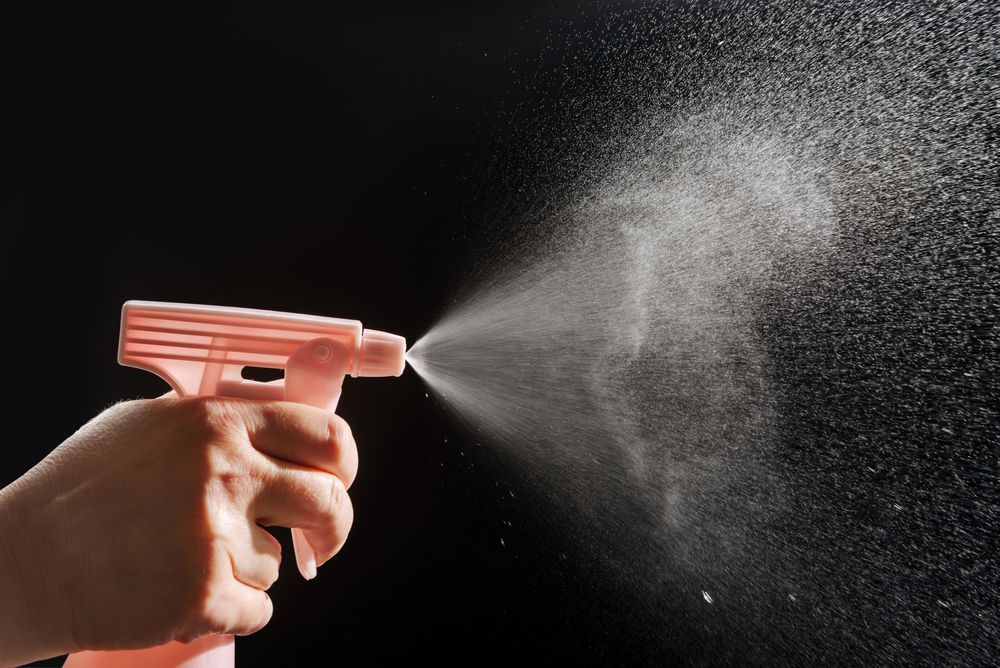
Many households use a spray bottle to deter pets from undesirable behaviors. While it may seem like it works at that moment and will certainly stop your cat from doing whatever behavior you don't like, it's not the best discipline. Not only is spraying your cat with water uncomfortable and cruel, but it's also ineffective.
Read on to learn six reasons you shouldn't use a spray bottle or any type of punishment and to find more effective alternatives to promote good behavior, like positive reinforcement.

The 6 Reasons You Shouldn't Spray Your Cat With Water
1. It's Uncomfortable
Spraying your pet with water can be extremely unpleasant for them. While you might not think a few water droplets could be that uncomfortable, it can certainly feel that way for your kitty. A cat's tactile senses are much more sensitive than that of humans, so what you feel when spritzed with water and the surprise of it may feel much different to your cat. Plus, most cats will do their best to avoid water and getting wet at all costs.
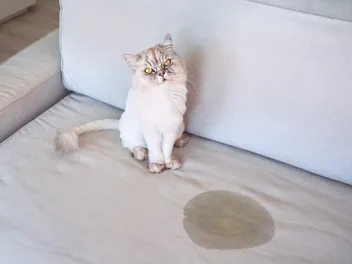
Punishment or causing your cat discomfort is never a way to approach any of the behaviors your cat may be exhibiting. Instead, try to understand why they may be doing it, as most times it can take a quick fix, like changing the litter box location to a quieter place in case of peeing outside of it. Consult with your veterinarian as there may be an underlying medical reason for your cat's “naughty” behavior.
2. It Can Have Long-Term Negative Effects on Your Relationship
Your cat doesn't understand why you're spraying them with water, so anytime you resort to doing so to try to correct her "bad" behavior, you're putting a strain on your relationship. They may start to fear and distrust you, breaking the beautiful bond you've created in your time together.

3. It's Not Effective
If you spray your kitty with water every time they do something you don't approve of, they may start associating the unpleasant experience of getting sprayed with you, not their actions.
Additionally, as much as you'd like to think your kitty is an angel when you're not at home, chances are they're getting up to no good when they're alone. You won't be there to spray them when they're exhibiting any type of behavior you may find undesirable, so the action is not being reinforced every time they engage in it.
4. It's Stress Inducing
Being sprayed with water is not only uncomfortable for your kitty, but it can cause their stress levels to rise unexpectedly. When stressed, your pet may be more likely to exhibit the undesirable behavior you're trying to correct and can even promote further issues like urine spraying.

5. It's Confusing
When you spray your cat with water, you're assuming your cat knows they're doing something wrong, but they actually don't. Think about why you're punishing them in the first place: because they're doing something you deem "bad". But the "misbehavior" might just be them reacting naturally to something unpleasant or stressful in their environment.
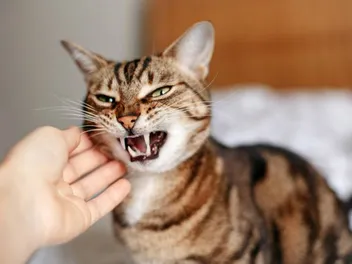
For example, if something frightens them and they hiss in reaction. You will spray them for hissing, but they don't know that. Spraying them when they're already scared compounds their fear, which could cause serious psychological repercussions and behavioral issues down the line.
6. It Can Cause an Aversion to You
Spraying a cat with water can cause them to develop an aversion towards your company. Unexpected spritzes from a bottle can make them fearful of having their back turned to you and may even make them afraid of approaching and interacting with you. They may become withdrawn and hide for most of the day, as they will want to stay away from whatever is causing them discomfort and fear, which in this case is you.

What Other Ways Can I Use Instead?
Now that you know you're not supposed to spray a cat with water, what can you do when your kitty is “naughty”?
Let's take a closer look at some feline friendly and verified techniques you can try.
Speak to a Vet
It is quite possible that your cat is exhibiting certain behaviors as a way to tell you something is wrong, and you may misinterpret it as “bad” behavior. Be it spraying on the furniture, toileting outside of the litter box or something else, there could be an underlying medical cause for it. Get your kitty checked out by the vet, who can establish if their behavior is related to pain or an illness.
Some undesirable behaviors may be caused by boredom, frustration, fear, or stress, and many of them can be managed or reduced through improving mental stimulation, adequate physical exercise, environmental enrichment, anticipating and minimizing stressors, or a consultation with a feline behaviorist.
Understand the Reasoning Behind Cat Behavior
Understand that many of your cat's "bad" behaviors are because they're trying to meet a biological need. For example, cats need to scratch. They require scratching posts to meet that need; otherwise, they'll turn to your furniture. They may jump on your kitchen counters and cupboards because they're bored and need environmental enrichment to keep boredom at bay.
Once you know why your kitty is exhibiting the so-called bad behaviors, you can alter your environment to meet their needs better.
The Hepper Hi-Lo Modern Cat Scratcher is a functional and stylish design that makes it the ultimate scratching spot for your cat – and a superhero in the battle against furniture destruction. Unlike most cat toys that end up being ignored, this one's a crowd-pleaser for both cats and their hoomans.
With its 3 configurations, thick textured cardboard, and solid birch plywood frame, it encourages your cat's natural scratching instincts, so they stay away from your precious furniture, rugs, and curtains, among all other things they shouldn't scratch. The Hi-Lo is like your home's mini guardian, keeping it safe while looking super sleek and trendy.
At Catster, we’ve admired Hepper for many years, and decided to take a controlling ownership interest, so that we could benefit from the outstanding designs of this cool cat company!
Reinforce Good Behaviors
Cats and most other pets do not learn from punishment, be it physical or verbal. Instead, praise them and give them a treat when you see them exhibiting good behavior. For example, when your kitty moves from scratching your sofa to the scratching post, tell them what a good cat they are and give them a high-value treat. You must offer the reward during the act of positive behaviors so your kitty can make the connection.
Redirect Bad Behaviors
Redirecting your cat's attention to something else while they're doing something they shouldn't be is a great way to reinforce good behaviors. For example, if you catch them scratching your sofa, physically remove them from the area and put them on their scratching post.

Use Cat-Safe Deterrents
Cat-safe deterrents are another possible alternative required in some rare instances. There are many different types out there, depending on your needs.
Certain smells will repel cats. If your cat is always eating your houseplants, put lemon or orange peels in the dirt to keep them away. If your outdoor cat is getting into your garden, invest in motion-activated sprinklers, adequate fencing, or plastic mats with flexible plastic spikes that will not damage their paws, but may prevent digging.
Final Thoughts
Spraying a cat with water is not reinforcement; it is punishment. This is not appropriate and should never be used as it will cause discomfort and stress to your kitty and damage your relationship. It’s important to understand why your cat is exhibiting a certain behavior and seek veterinary advice in case this is caused by an underlying medical issue. Give your pet ways to express their needs, reward them for their good behaviors, and watch as the inappropriate behaviors fade away.
Featured Image Credit: Halk-44, Shutterstock
Expert cat care, straight to your inbox
News, insights, and useful advice, delivered to you.

No spam — unsubscribe anytime.
By signing up, you agree to our Terms & Conditions and Privacy & Cookies Policy.
How useful was this post?
Click a star to rate. You can leave written feedback afterwards. (We read all feedback.)
For Chantelle, writing and animals are the two driving forces in her life. Growing up on the Canadian prairies surrounded by pets, she now shares her home with five cats, two guinea pigs, and a bearded dragon. Chantelle, her husband, and their child pride themselves on being dedicated pet parent, even spending a fortune on wall-mounted cat shelves to provide their cats with an indoor jungle gym. When she's not snuggling with her cats or photographing their humorous moments, Chantelle is exploring the Rocky Mountains, rewatching her favorite Netflix series, and reading up on various random subjects.