How Do I Apologize to My Cat in A Way They Understand? 7 Vet-Approved Ways


After only a short time with your pet, you develop a special bond, and one of the things that makes it so special is being able to read their body language and moods. But like our relationships with those we love in the human world, it’s not perfect, and sometimes we act out and say and do things that are out of line. With our cats, it could be annoyingly moving them off the bed or the kitchen counter, or yelling at them. Sometimes it’s unintentional, like a trip to the vet or moving to a new house.
After we have sat with our minor guilt and self-reflected, the next step is to apologize. An apology can mean the world to your feline friend, and by staying calm, changing your behavior by focusing on positive reinforcement, and avoiding any type of punishment, even shouting, while showering them with affection, you can effectively apologize in a way they can understand.

What Can Make My Cat Sad or Upset With Me?
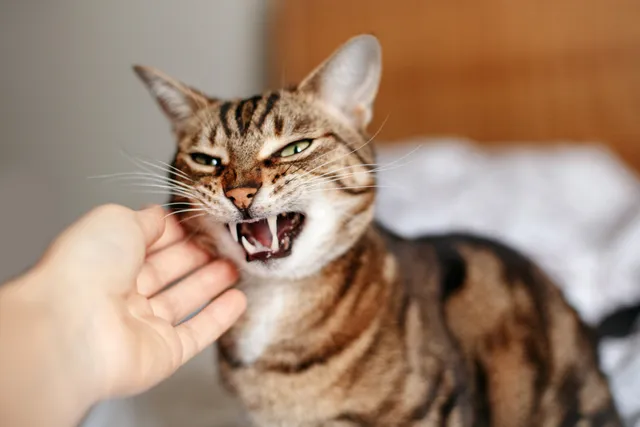
While cats seem mostly aloof and unaffected, they can be sensitive to stress, emotions, and sounds based on their personality and previous experiences. Humans can often overlook their cats’ behavior and body language or not realize that their actions have caused a degree of fear or stress. Here are some things that cause your cat to be upset and may require an apology.

The 7 Ways You Can Apologize to Your Cat So They Understand
1. Understand How You Upset or Offended Your Cat
This is the first step in making an apology. It is acknowledging that you did something wrong and that you are willing to make it right. When you understand what you did wrong, your request for forgiveness is more sincere, and your likelihood of doing it again is reduced. It can also help you with your approach to apologizing.
2. Timing
Just like humans, the timing of your attempt is important. If your cat is still upset or annoyed, they may not be as receptive and will most likely run away or ignore you when you attempt to apologize. Wait until your cat has calmed down. Allow some space, and don’t rush it or overpower your cat. With that said, you also shouldn’t let the time pass on for too long because your kitty may believe you are now ignoring them.
Monitor your cat’s body language. The time may be appropriate when their ears aren’t low down and their muscles seem more relaxed and not so tense. If your cat is still hiding or avoiding you, call them softly to see if they are ready to come out. If your cat does approach you, give them praise and provide a treat.
3. Stay Calm and Approach Carefully
If you accidentally or purposely upset your cat, it can also trigger a response in you. If you accidentally step on your cat’s tail, you may immediately feel terrible and run after them. However, this may provoke more fear in your cat. Wait to calm down, and then approach your cat.
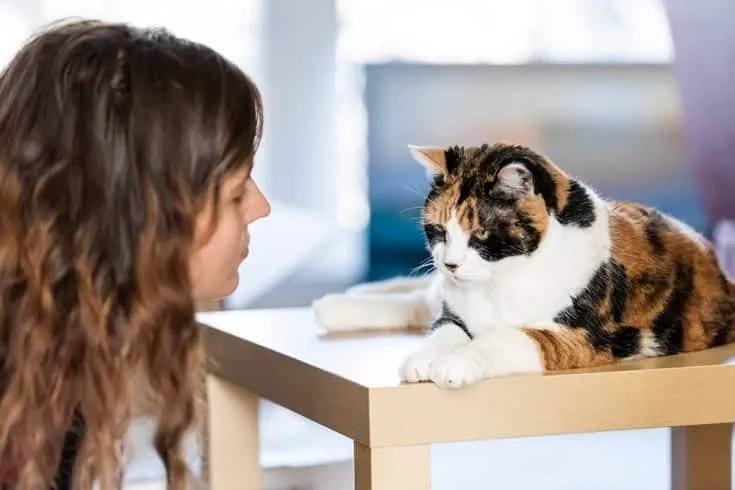
Approach your cat calmly and slowly. Once your cat seems receptive, you can give them some attention. Slowly reach your hand out so they can smell you, and get down to your cat’s level, so you don’t come across as threatening. Keep your voice soft, relax your eyes, and maintain a calm energy.
If your cat feels safe, they will usually slowly blink and purr.
4. Verbally Apologize
What is an apology without words, right? Even for your cat, it's more about the tone of voice. However, some research suggests that cats recognize some words, such as their names. You can start by calling your cat's name to get their attention.
A cat’s hearing is sensitive and can distinguish between tones. Softly call your cat’s name and wait for them to approach you. You can use a baby-like voice to send the message to your kitty that you love them and that you are sorry. Experts suggest that cats are more receptive to baby talk.

5. Show Your Cat Affection
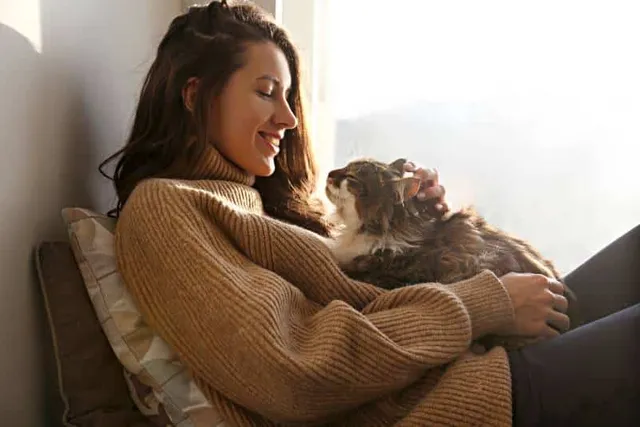
A verbal apology is a great precursor for affection, as you want to approach personal space slowly. Once you have gently spoken to your cat and the atmosphere is more relaxed, you can test your cat’s receptiveness by holding out your hand. If your cat sniffs or rubs against your hand, you have been given the go-ahead for some gentle petting.
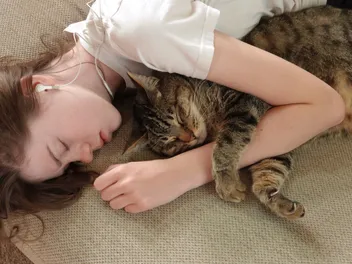
Scratch behind your cat’s ears or under their chin, or if you know their favorite spots, that’s where you should focus your attention. Continue the affection later on by providing cuddles and rubs while your cat nuzzles into your lap or onto your bed.
6. Playtime
While cats are pretty independent and don’t require daily walks like dogs, they still need playtime. If playtime is already incorporated into your relationship with your cat, offering a play session is another way to re-establish your relationship and connection.
It can also help distract them from the incident that occurred while your cat is more focused on the fun hunting game and bonding with their owner. Playing with your cat will show them that you care, and once you’re done, your kitty will be more relaxed, thankful, and forgiving.
7. Give Your Cat a Treat
This step only applies if you have done the previous tips and your cat still seems to be struggling with grief. When you give your cat a treat, it is usually presented as a reward. Offering a treat after your apology will show your kitty that you care. A treat or even a favorite toy can help give your cat an emotional boost.
However, treats mustn't be used as the only form of apology, as your cat will most likely accept them, but they may give you the cold shoulder afterward.

How Do I Know When My Cat Is Upset or Offended?
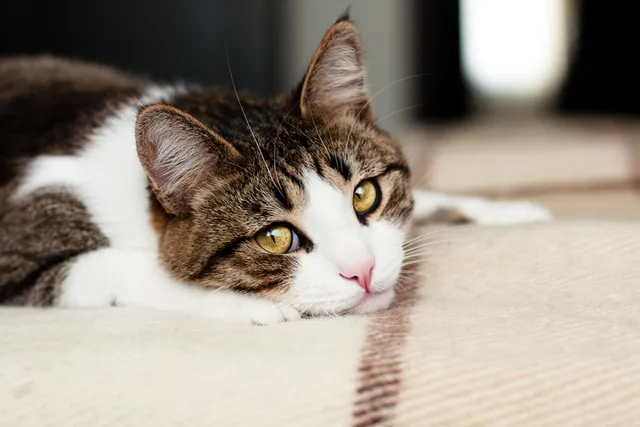
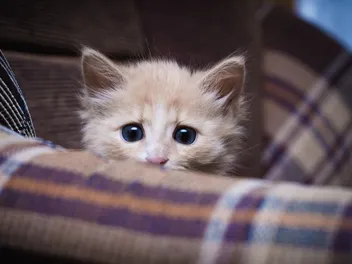
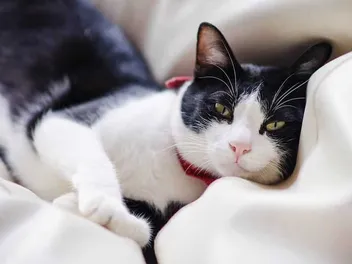
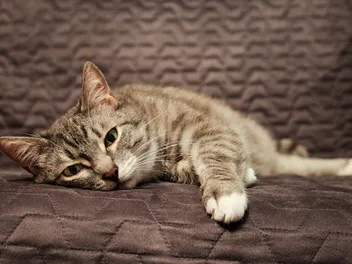
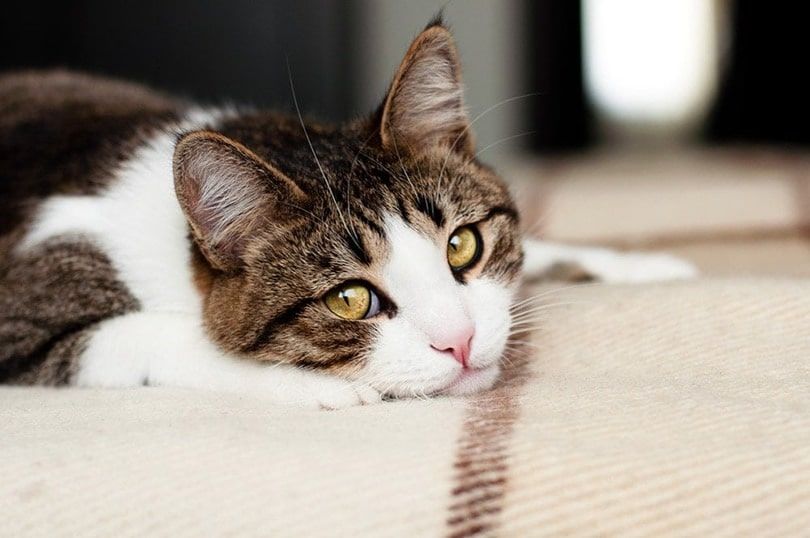
Cats’ resting faces can look like they’re offended, but it is hard to tell how your cat is feeling. Reading and observing your cat’s body language is one of the best ways to determine if they are upset or offended.

Conclusion
We can easily upset our feline companions by accident. Our pets deserve an apology to regain trust and maintain the human-pet bond. Apologies directed at our cats aren’t about the words we speak but how we say them, along with our actions. Cats are sensitive to sounds, so a soft voice is ideal for showing your cat you care. Before apologizing, allow your cat time to calm down, monitor their body language, and approach them slowly. Once your cat is receptive, talking to them in a calm voice and some gentle petting will communicate your remorse, and in turn, your cat will likely show forgiveness.
You might be interested in: How Do Cats Say Sorry? (The Interesting Answer)
Featured Image Credit: medveda, Shutterstock
Expert cat care, straight to your inbox
News, insights, and useful advice, delivered to you.

No spam — unsubscribe anytime.
By signing up, you agree to our Terms & Conditions and Privacy & Cookies Policy.
How useful was this post?
Click a star to rate. You can leave written feedback afterwards. (We read all feedback.)
Christian started writing for a local newspaper as a teenager, and he's been involved in the publishing industry for most of his adult life. Combining his love of writing with a passion for animals, he is currently the Director of Editorial at Pangolia and the Editor-in-Chief at Catster.
Christian lives in the Philippines with his wife, son, and four rescue cats: Trixie, Chloe, Sparky, and Chopper.