Do Cats Like Eye Contact? Vet-Reviewed Reasons & Behavior Explained


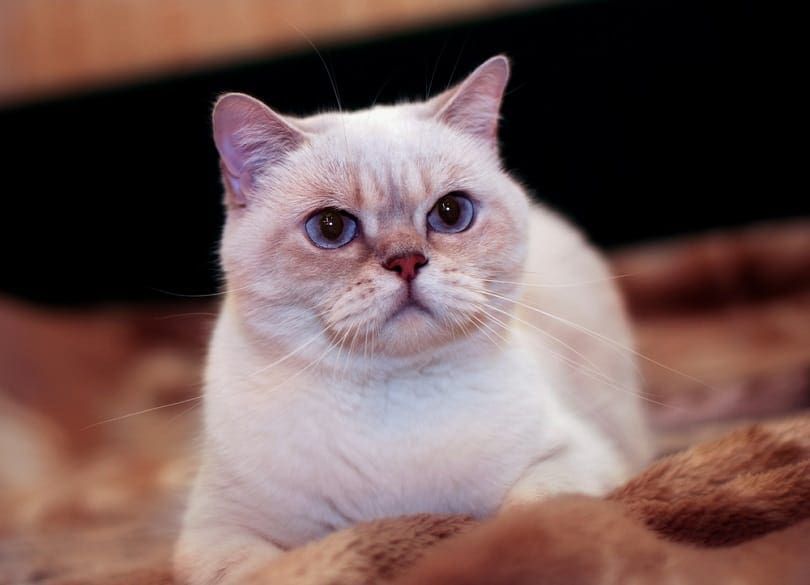
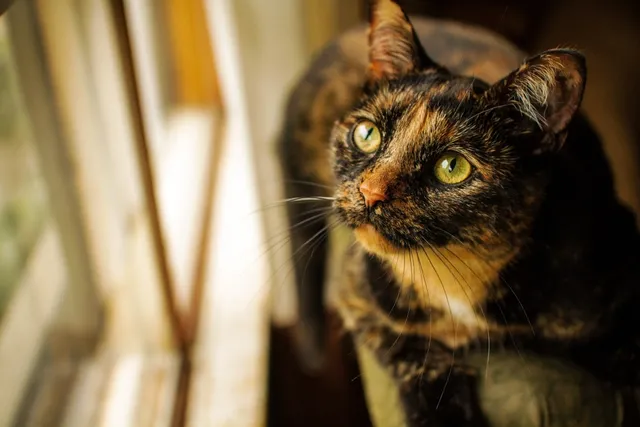
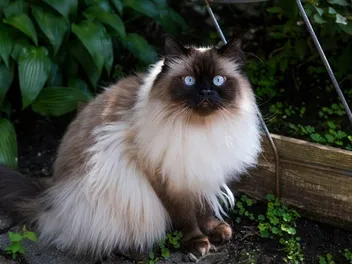
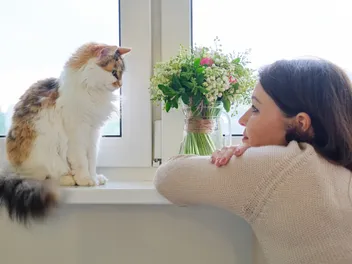
Cats are stealthy and observant animals, and you may often find them quietly staring at you from their favorite perch or hiding spot. Since we can’t read the minds of cats, we can only speculate why cats may stare at us and if they like it when we gaze back. Experts have mixed opinions on theories on whether or not cats like maintaining eye contact with humans.
It all depends on the intensity and duration of the gaze, as cats find direct eye contact threatening. On the other hand, eye contact with slow blinking and gazing tells them that you are not a threat, and blinking is considered a positive form of communication in cats.
Here are some possible reasons why your cat may be staring at you.

The 3 Possible Reasons Your Cat Stares at You
1. Your Cat Feels Curious or Wants Something
Cats are well-known for being attentive and watchful. They are naturally curious and may be looking out for your body language. Although they’re not as in tune with our emotions as dogs can be, cats may still be able to read some high-intensity emotions and act accordingly in response to how we’re feeling.1
Cats may also stare if they are expecting something from you, such as their food or treats. This may be more obvious around meal times, or if your cat is expecting you to let them out for a toilet break or their usual garden exploration.

2. Your Cat Feels Intimidated or Threatened, or They May Be Unwell
Cats may stare at people if they’re feeling scared or unsafe. They may not want to keep a potential threat out of their line of sight, so they remain watchful.
You can also tell if a cat’s scared if their tail is tucked underneath their body, and they’re in a crouched position. They may also be hiding behind or beneath the furniture.
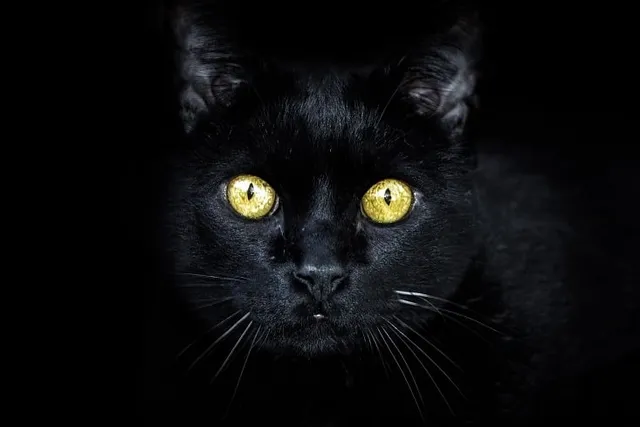
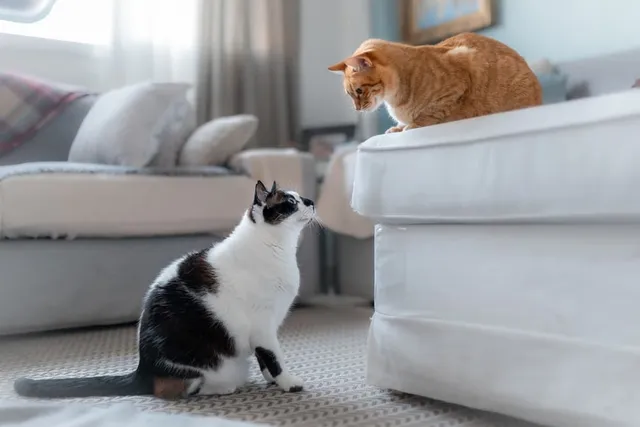
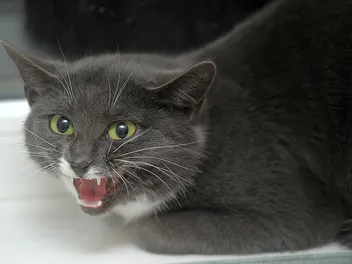
Cats that feel threatened or territorial may also stare you down. Maintaining eye contact could be a way for them to establish dominance. In these circumstances, you should also look for signs of aggression, such as hissing, vocalization, and dilated pupils.
Another important consideration is to differentiate between your cat occasionally staring at you or other animals or objects and your cat having a wide-eyed fixed look more than they used to, with dilated pupils, even in adequate light conditions. This may indicate several health issues, particularly in middle-aged or older cats, such as ocular issues and high blood pressure, and warrants prompt veterinary investigations.
3. Your Cat Is Showing Affection
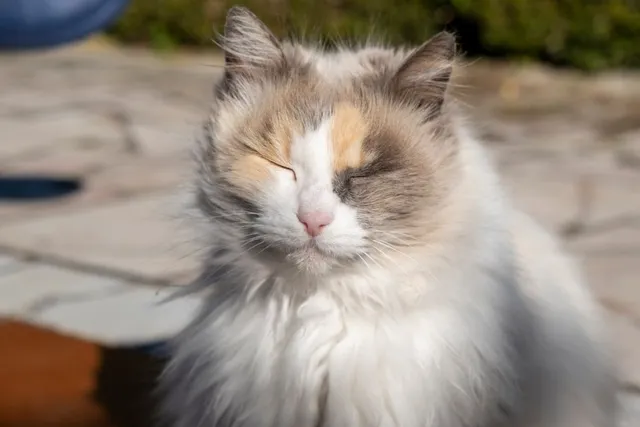
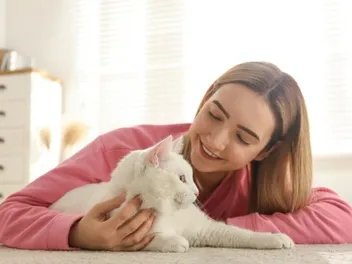
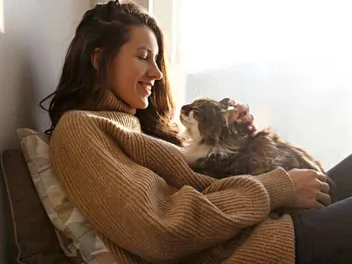
Sometimes, cats will show affection by making eye contact with you. If you notice that your cat looks at you and blinks at you slowly, it means that they feel comfortable around you. You can also return the sentiment by giving your cat a slow blink.
The Meaning of Your Cat’s Body Language
One of the best ways to understand your cat is to learn cat behavior and body language. Cats may display similar body language signs for different emotions, so it’s important to piece all the signs together to understand how your cat is feeling at the moment.
For example, when a cat’s pupils are dilated, it can mean that the cat is feeling fear, nervousness, or anger. Narrow pupils or partially closed eyes can indicate that a cat is confident, relaxed, sleepy, or calm.
Cats that feel safe in an environment may have their eyes half-closed. Their muscles will be relaxed, and they may even lay around with their belly exposed. A content cat may also rub their face or body against you as a sign of affection. Cats that are feeling playful may have dilated pupils and have their ears pointed forward. Their body will be relaxed, possibly in a stalking mode, ready to pounce in a good-hearted manner.
Cats that feel fearful and threatened will have an arched back and raised tail. Cats that are angry or aggressive will have ears flat against their head and may expose their teeth. They could also have one of their front paws raised if they anticipate needing to swipe or scratch.

Wrapping Up
While cats do not always like eye contact, there are times when it is acceptable. The best thing you can do is learn about your cat's body language and understand the moments when they appreciate the eye contact and when they feel threatened by it.
You Might Also Be Interested:
Sources
Considerations When Getting a Second Cat | VCA Animal Hospital.
A Look at Creepy Cat Behavior: Why Does My Cat Stare At Me..? - Harpeth Hills Animal Hospital
Facial correlates of emotional behaviour in the domestic cat (Felis catus) - ScienceDirect
The role of cat eye narrowing movements in cat–human communication | Scientific Reports
Studies on the responses of the isolated nictitating membrane of the cat - PMC
Mutual synchronization of eyeblinks between dogs/cats and humans - PMC
Study Confirms 'Slow Blinks' Really Do Work to Communicate With Your Cat : ScienceAlert
Featured Image Credit: ZEMA Tatyana, Shutterstock
Expert cat care, straight to your inbox
News, insights, and useful advice, delivered to you.

No spam — unsubscribe anytime.
By signing up, you agree to our Terms & Conditions and Privacy & Cookies Policy.
How useful was this post?
Click a star to rate. You can leave written feedback afterwards. (We read all feedback.)
Jessica is a freelance writer who spends most of her day researching and writing while her fluffy Cavapoo, Nora, naps beside her. She loves and appreciates pets and animals because there’s so much to learn from them, and they do so much for people. As a dog owner, she understands the special connection that pet owners form with their pets. She loves sharing helpful information that people can use to better understand their pets. When she’s not writing, you can find her walking dogs, tending to her plant babies, or drinking her nth cup of coffee.