12 Vet-Verified Burmese Cat Facts That All Cat Lovers Should Know!


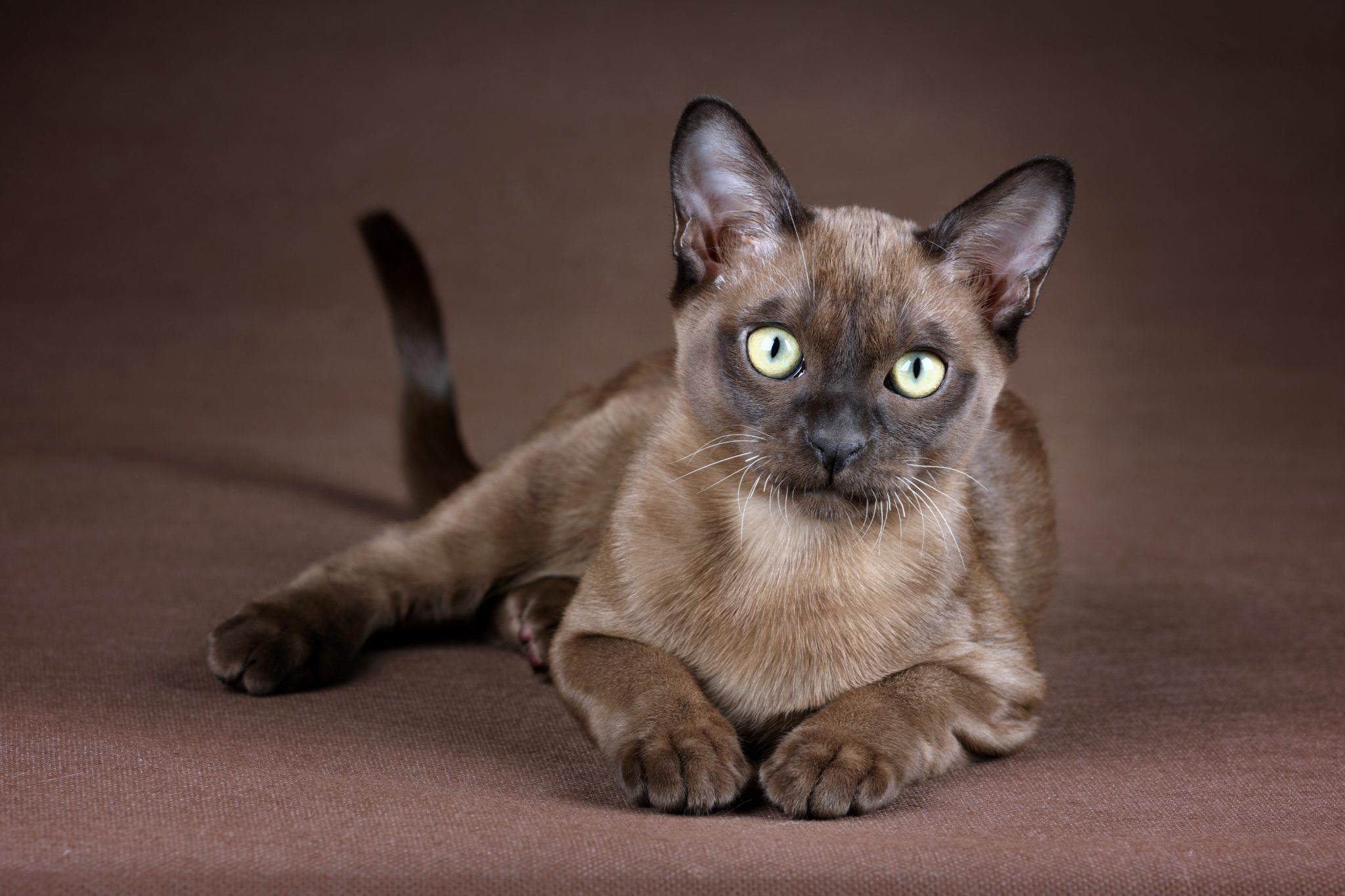
Burmese cats are a beautiful breed with a lot to offer their owners. Their fantastic origin story and unique personality traits set them apart from many other breeds.
Whether you already have a Burmese curled up on your lap while reading this or are considering adopting one soon, keep reading. We have compiled a list of interesting facts about the Burmese breed, and we’re sure some will shock you. So come along with us as we look at 12 incredible facts about this remarkable feline.

The 12 Facts About Burmese Cats
1. Most of Today’s Burmese Cats Are Descended From One Female Cat
The Burmese cat first arrived in America in the 1930s when a doctor named Joseph Thompson brought home a female cat named Wong Mau from Burma.
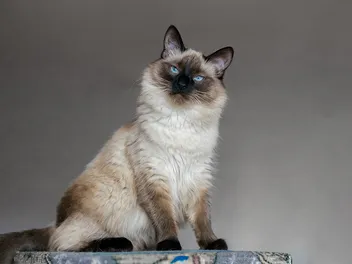
He first bred the cat with a male seal-point Siamese named Tai Mau and then bred her with her son to produce the dark brown kittens that soon became the basis of the Burmese we know and love today.
2. Burmese Cats Are Heavier Than They Look
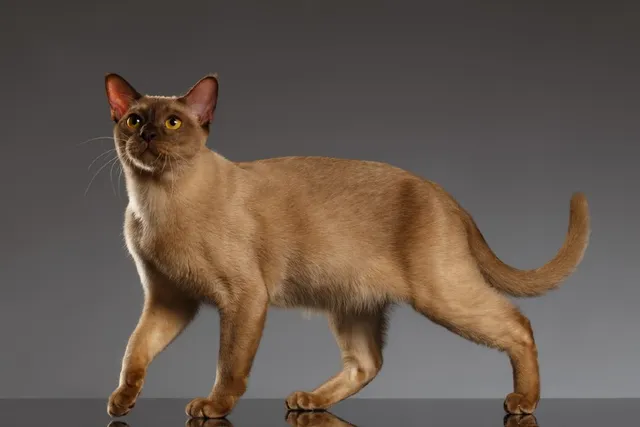
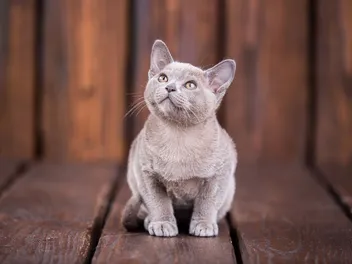
Burmese cats are a medium-sized breed, but when you pick one up, you’ll realize they’re anything but. These stocky cats are compact but very muscular with heavy boning.
The breed is often described as “bricks wrapped in silk” for their deceiving weight. The average Burmese can weigh approximately 8–12, making them heavier than they look.
3. The Burmese Is Not Very Genetically Diverse
A study from 2008 found that the Burmese breed has one of the lowest levels of genetic diversity of all the breeds included in the study.1 This suggests that the Burmese have intense inbreeding, and all Burmese cat breeders should be concerned about the genetic diversity of their litter.
In fact, the Burmese breed council of the Cat Fanciers Association (CFA) currently allows outcrossing using Tonkinese, Bombay, and Southeast Asian cats.
4. European and Australian Burmese Cats Have an Increased Risk of Diabetes Mellitus
Studies show an increased risk for Burmese cats from the United Kingdom, Europe, and Australia to develop diabetes mellitus.2 It's not documented in American Burmese cats because they are more genetically distinct from the Burmese cats in other areas of the world.
A greater risk of diabetes mellitus was also identified in older cats and those with higher body weights.
5. Burmese Cats Are at a Higher Risk of Developing Hypokalemic Polymyopathy
Hypokalemic polymyopathy is a genetic disease seen in Burmese cats.3 Low serum potassium levels characterize the condition and are often traced to certain bloodlines. The gene for the disease is recessive, and both parents must carry it for their kittens to develop it. However, a gene carrier can mate with a non-carrier and may pass the problem down, though it may take several generations to take hold.
Cats affected by this disease have muscle weakness that can affect the neck muscles, but sometimes just in the limbs. Genetic testing is available.

6. Burmese Cats Can Live Long
According to VCA Animal Hospitals, a Burmese cat’s average lifespan is between 15 and 20 years. It varies with the source, but on average, Burmese live 12–16 years, although some lucky owners may have their cats live into their 20s!
7. Burmese Kittens Are More Likely to Develop Feline Orofacial Pain Syndrome
Some United Kingdom Burmese bloodlines can develop an acute neuropathic disorder known as feline orofacial pain syndrome (FOPS). The condition can occur in any breed, but Burmese cats are more commonly diagnosed. It can be triggered by oral or dental disease, and it causes extreme discomfort.
Affected kittens will often self-mutilate their face or tongue to relieve the pain.
8. The CFA Recognizes Four Burmese Cat Colors
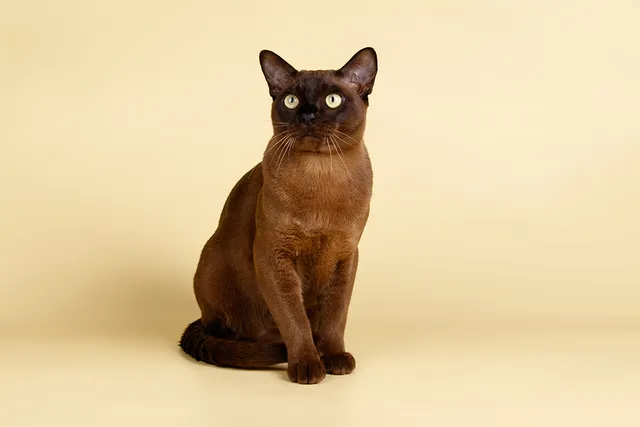
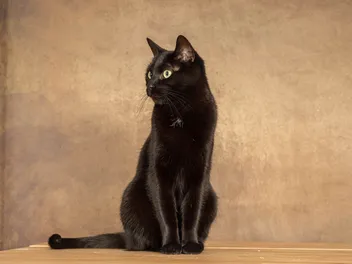
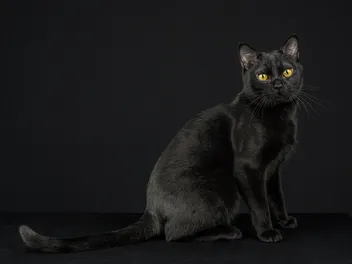
Burmese cats are known for their satin-to-the-touch coat. It is sleek, shiny, straight, and short. The coat is beautiful and requires very little grooming other than your daily pet sessions to help it maintain its shine.
The CFA recognized four coat colors in the Burmese breed, including:
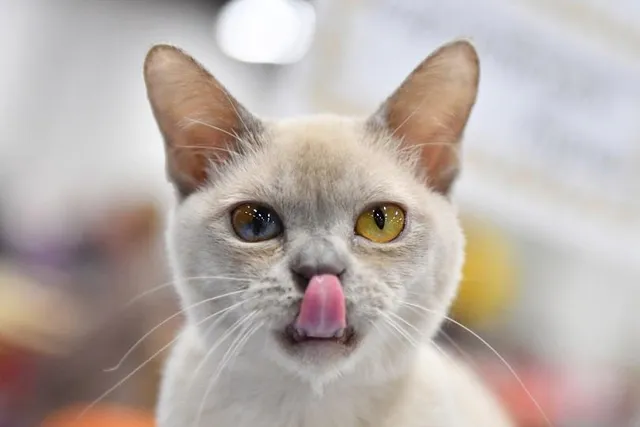
The CFA only recognizes Burmese cats with eye colors ranging from yellow to gold—the greater the depth and brilliance, the better.

9. Burmese Cats Are Vocally Expressive
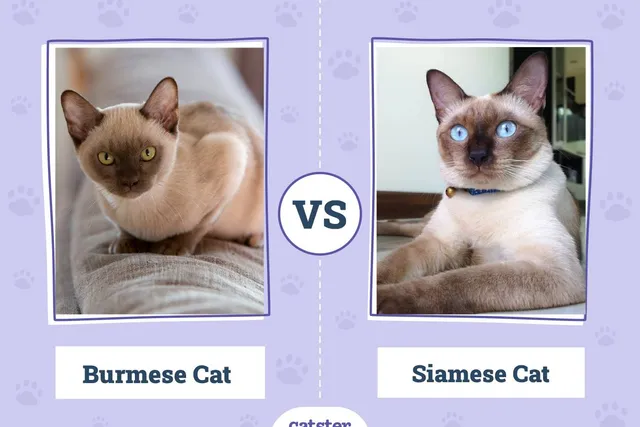
Burmese cats have Siamese genes in their lineage, which shows through in the breed’s vocality. They can be very expressive and do best with owners who don’t mind excessive meowing. They vocalize when they’re feeling playful or in need of attention.
10. Burmese Cats Were Once Controversial
Though the Burmese breed is highly sought after and well-loved in modern society, their beginnings were controversial. During the cat's early years, there weren’t enough Burmese cats in America to supply the demand.
This led owners to mate them with Siamese cats and sell them as purebreds. Eventually, the number of crossbred “Burmese” cats prompted the CFA to suspend registration in the late 1940s and only allow “true” Burmese to register. Six years later, the CFA reinstated the breed and gave it championship status.
11. There’s a European Version of the Burmese
There are two Burmese cat varieties: European and American. The American Burmese is stockier than its European counterpart. They have a broader head and more rounded eyes. In addition, the CFA recognizes just four color points (see fact #7).
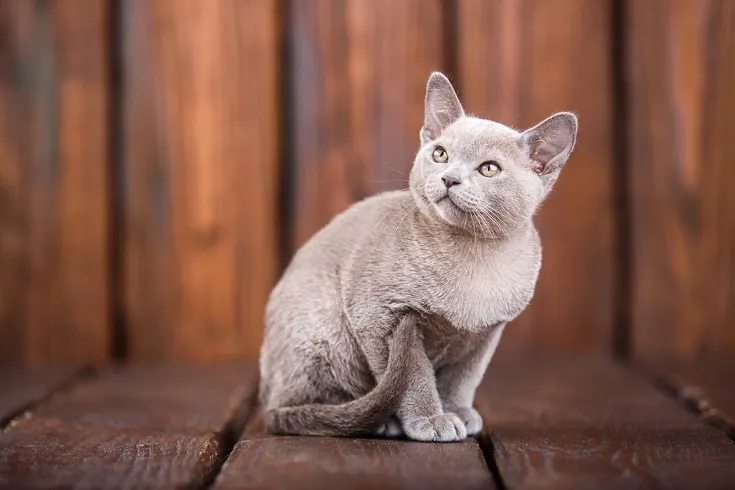
The European standard recognizes ten colors: brown, blue, chocolate, lilac, cream, red, brown tortoise, blue tortoise, chocolate tortoise, and lilac tortoise. They have wedge-shaped heads and slightly slanted eyes.

12. They’re ‘Dog-Like’ in Many Ways
The Burmese have several fantastic qualities that make them excellent pets. They’re highly intelligent, affectionate, and loyal to their humans. They get along well with other cats and can live harmoniously alongside dogs.
One of the cat's most enduring qualities is that they are considered by some as dog-like in many ways. They are very playful and energetic and are known for their dog-like attachment to their owners. They love to play fetch and are smart enough to learn how to perform tricks.
Final Thoughts
Burmese cats are a very popular and sought-after breed for a reason. Not only are they strikingly beautiful, but their outstanding personalities make them unforgettable companions. Though they may be prone to some health conditions, they are generally a healthy breed with longer than usual lifespans.
You might also like:
Featured Image Credit: Ivanova N, Shutterstock
Expert cat care, straight to your inbox
News, insights, and useful advice, delivered to you.

No spam — unsubscribe anytime.
By signing up, you agree to our Terms & Conditions and Privacy & Cookies Policy.
How useful was this post?
Click a star to rate. You can leave written feedback afterwards. (We read all feedback.)
For Chantelle, writing and animals are the two driving forces in her life. Growing up on the Canadian prairies surrounded by pets, she now shares her home with five cats, two guinea pigs, and a bearded dragon. Chantelle, her husband, and their child pride themselves on being dedicated pet parent, even spending a fortune on wall-mounted cat shelves to provide their cats with an indoor jungle gym. When she's not snuggling with her cats or photographing their humorous moments, Chantelle is exploring the Rocky Mountains, rewatching her favorite Netflix series, and reading up on various random subjects.