Get

In Your Inbox

Catster is reader-supported. When you buy via links on our site, we may earn an affiliate commission at no cost to you. Learn more.

7 Interesting Facts About Tortoiseshell Cats for Feline Lovers

a tortoiseshell cat in a meadow

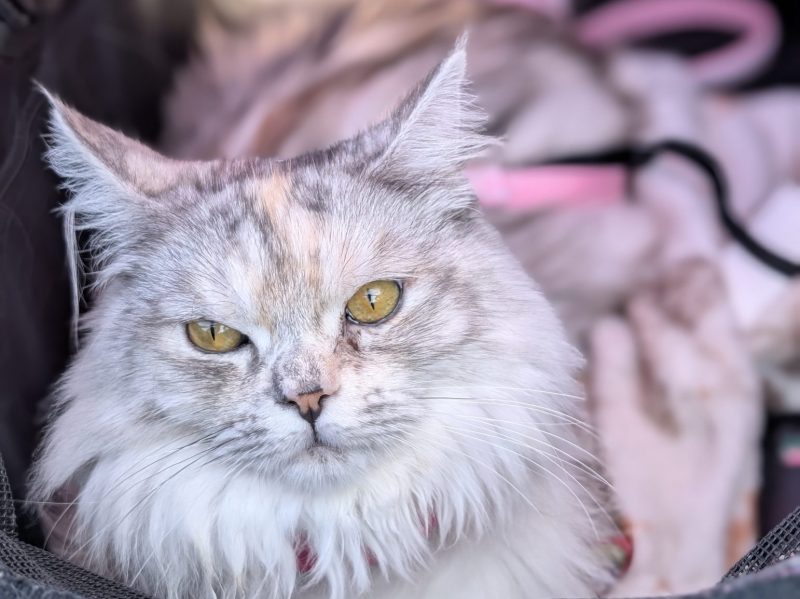
There are few cats as naturally striking as tortoiseshells. These animals look like actual works of art, except you won’t get kicked out of a museum for petting them. “Tortoiseshell” isn’t a particular species of cat, but rather, it refers to a type of marking; specifically, a tortoiseshell cat has two colors other than white. Those colors are often red and black, but you’ll also find orange, yellow, gray, and blue mixed in at times.

There’s more to these cats than just attractive markings, though. This post will reveal seven interesting facts about these beautiful creatures.

divider 1 paws

Top 7 Facts About Tortoiseshell Cats

1. Tortoiseshell Cats Are Almost Always Female

The gene responsible for most of the colors you’ll find on beautiful tortoiseshell cats is almost always found on the X chromosome. As a result, like with calicos, virtually every tortoiseshell you’ll see will be a girl.

There are some male tortie cats, but they’re extremely rare. They’re also usually sterile, so there’s little chance of them passing on their special mutation to future generations.


2. You Can Find Tortoiseshell Cats in Many Different Breeds

Tortoiseshell cats are in almost every breed, including purebreds and mixes. They’re also found in both short- and long-haired cats.

Some breeds are much more likely to produce tortoiseshell individuals, though. Japanese Bobtails and Cornish Rexes are two breeds known for having quite a few tortoiseshell members, so if you love these cats, think about adopting one of these two breeds.


3. There Are Two Different Types of Tortoiseshell Cats

There are two distinct types of tortoiseshells: mosaic and chimera. Mosaics have their colors mixed randomly in large swirls and swaths across their body. On the other hand, Chimeras have clearly demarcated appearances, with one color on each side.

Mosaic tortoiseshells are more common, but chimeras aren’t exactly rare. If you have a particular attachment to either type, you shouldn’t have too much trouble finding a tortie kitten that meets your needs.


4. They Have Different Types of Fur

Beyond the two color types, you’ll also find two types of fur: bridled and patched. Bridled tortoiseshells have their colors mixed tightly together, whereas patched tortoiseshells have large sections of each color all over their bodies.

The two fur types are equally common, so you shouldn’t have an issue finding either one.


5. They’re Named After Tortoiseshell Material

If you’ve ever seen tortoiseshell glasses, you know how these cats got their name. Tortoiseshell used to be made of tortoise shells, and it was used in everything from jewelry to home décor.

However, demand for the material led to tortoises nearly going extinct, so in the 1970s, the switch was made to synthetic tortoiseshell. Tortoiseshell cats, however, are still all-natural.

tortoiseshell-cat-on-the-grass
Image Credit: Busranur Cebi, Shutterstock

6. Tortoiseshell Cats Are Notoriously Feisty

Many people believe that tortoiseshells have more attitude (called “tortitude”) than other cats, and you’ll find all sorts of anecdotal reports that tortoiseshells have extremely short fuses. There’s even been a study that concluded that tortoiseshells are more likely to exhibit aggressive behaviors like biting, hissing, and scratching.

They may not be moodier than other cats, but they may be more sensitive to outside stimuli and changes in their routine. As a result, you should try to keep your cat on a predictable routine (unless you enjoy being attacked by your cat, of course).


7. They’re Considered to Be Good Luck in Many Cultures

Many cultures worldwide have a soft spot for these cats, and they’re almost universally considered good luck. In Scotland and Ireland, having a tortoiseshell enter your home is thought to be a sign that good fortune will soon come your way, and in the U.S., they’re actually considered “money cats”.

Perhaps the most effusive praise comes from Asia, though, where it’s thought that tortie cats come from the blood of a young goddess born of a lotus flower. Japanese fishermen also believe that these cats can ward off ghosts and storms, which does sound rather lucky.


tortoiseshell cat sitting near stairs
Image Credit: Nafia Haseen, Shutterstock

divider 2 cats

Final Thoughts

Tortoiseshell cats and tortie kittens are absolutely beautiful, all the more so because they can be found in just about any breed. That gives them a variety of quirks and features that help set them apart from other cats.

Of course, at the end of the day, a tortoiseshell cat is just a regular cat with the same needs as any other. While they’re beautiful, they’re no more special than their regularly colored compatriots.

Then again, any cat that can deter ghosts is probably worth keeping around!

Related Reads:


Featured Image Credit: Ranya, Pixabay

Want content like this delivered to you?

Sign Up For Our Newsletter

News, insights, expert advice, and everything cat

* By submitting, you agree to our Terms & Conditions and Privacy & Cookies Policy.

How useful was this post?

Click on a star to rate (you can leave written feedback after clicking submit)

Help us improve Catster for pet parents!

Your feedback really matters.

What did you like about this post? Also how can we improve it?

Join the conversation

Leave a Reply

You’re very welcome to leave a comment or question. Please know that all comments must meet our community guidelines, and your email address will NOT be published. Let’s have a positive and constructive conversation.

Talk With A Vet Online

Peace of mind,
anywhere, anytime

Affordable vet advice

9 Common Types of Toxicosis in Cats Explained By a Vet & What to Do

Your cat may have access to toxins you didn’t even know existed in the house. There are many hidden dangers that can cause...

100+ Long-Haired Cat Names: Ideas for Soft & Fluffy Cats

When we get to hold our kittens for the first time, we instantly notice how incredibly soft they are! Although we can’t seem...

How to Choose Your Second Cat: Vet-Approved Tips for Finding a Great Friend for Kitty

If you currently have a cat and are planning to add another to your family, there are several critical factors to consider and...

How to Calm an Angry Cat: 7 Vet-Approved Steps & Tips

Cats can experience a wide range of emotions, anger included. Although they might not experience anger the same way we do, there’s no...

More related

10 Historical Facts About Cats in Ancient Egypt

The ancient Egyptian era is associated with very distinct historical phenomena. It was the time of mummies, pharaohs, pyramids, Cleopatra, and cats. It...

5 Amazing DIY Cat Grooming Arch and Self-Groomer Plans You Can Make Today (With Pictures)

Most cat owners can relate to the issue of finding cat hair all over the house. While cats will groom themselves, it really...

How to Discipline a Cat for Biting: 9 Tips & Tricks

Cats are sweet and cuddly-looking creatures, but that does not mean they cannot have their fair share of behavioral problems. One common behavioral...

9 DIY Outdoor Cat House Plans You Can Make Today (With Pictures)

If your cat lives outdoors or you look after a colony of feral cats, you know that keeping them warm and dry in...

Keep reading

Is It Ok to Have Just One Cat? Vet-Verified Facts & Care Tips

Cats, although seemingly aloof, are social creatures that need to be around other cats or animals to live happy lives. Most cats love being around their humans and the attention they get, but there’s one question many cat owners have...

a woman holding a cat on her lap

6 Weird Things Cats Eat: Vet-Reviewed Safety Tips & Considerations

It’s normal for cats to eat weird and wonderful things, but just because it would be weird—and gross—for us to consume doesn’t mean that your cat feels the same way. Things like mice, birds, bugs, and lizards are easy prey...

Weird Things Cats Eat

Can Cats Drink Buttermilk? Vet-Approved Diet Facts & FAQ

Cats eagerly lapping up milk is a picture etched in most of our minds from old movies and children’s books. Milk used to be considered healthy for cats until we gained better knowledge and understanding of our beloved companions’ dietary...

Can Cats Drink Buttermilk

Can Cats Eat Cornbread? Health Facts & FAQ

It’s a constant temptation to occasionally give our cats some of our food just as a little treat. After all, a lot of the time, they seem to love our food as much as we do! Unfortunately, not all people...

Can Cats Eat Cornbread

How to Tell if Your Cat Has a Double Coat: 4 Vet-Approved Tips to Help You Know

Our feline friends come in a dazzling array of coat types, colors, and patterns: long-haired, short-haired, or hairless. To keep your cat’s fur healthy and tangle-free, you’ll need the appropriate grooming tools, which differ based on what kind of coat...

persian cat lying on couch

Why Do Cats Hold Their Mouths Open? 9 Vet-Approved Reasons

Cats have a special relationship with their five senses, which is partly behind the question of “Why do cats keep their mouth open?” It’s called the Flehmen Response. Flehmen comes from a German verb that means “to bare the upper...

Gray cat laughing with mouth open

Why Do Cats Put Their Butt in Your Face? 4 Vet-Reviewed Reasons for This Behavior

Have you ever been put in the awkward situation of having a cat’s butt right in your face? You could be minding your own business and reading or working on your laptop, and suddenly, your cat jumps up and gives...

Mekong Bobtail Male Cat

11 Best Brushes for a Himalayan Cat in 2025 – Reviews & Top Picks

Himalayan cats are known for their endearing nature and stunning appearance. Caring for a Himalayan is a rewarding experience, but it requires significant grooming duties. The cat’s long, thick coat becomes easily tangled if it’s not brushed every day, and...

Cat with long hair being brushed with hepper brush