Get

In Your Inbox

Catster is reader-supported. When you buy via links on our site, we may earn an affiliate commission at no cost to you. Learn more.

10 Basics of a Homemade Fresh Diet for Cats: Our Vet Explains

Share

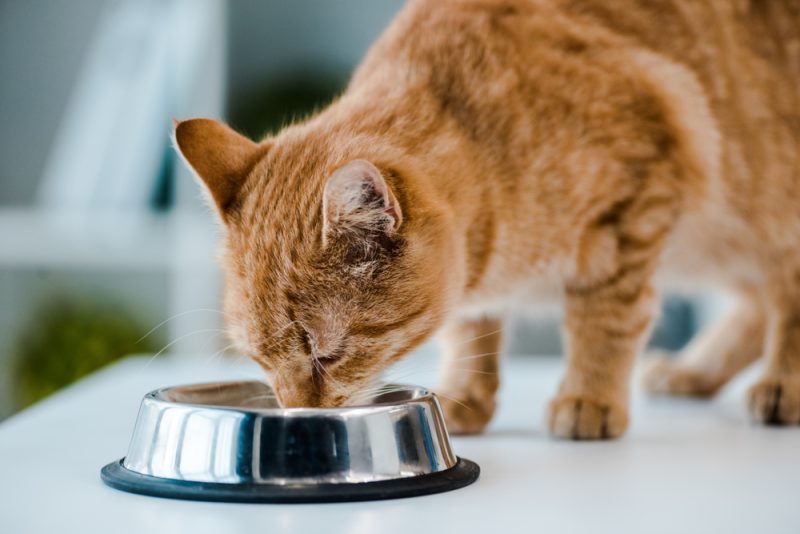
tabby cat eating from metal bowl

Many pet parents are keen to explore fresh at-home diets for their cats. In fact, research shows that a majority of pet owners are keen to give equal, and in some instances, more priority to buying healthy food for their pets.1

The process, however, can be somewhat frustrating for those new to the concept. Understandably, it is difficult to find a reliable diet, but many owners also believe it might be too costly to make the switch. Interestingly, though homemade diets often do cost slightly more than commercial dry food, they are in fact more economical than commercial canned food.2

As more owners explore the world of fresh diets for their pets, it’s important to keep some rules in mind. If you’re curious about such a diet for your pet, read on as I highlight the main rules of such a dietary transition.

divider single cat paw oct 2024

The 10 Basics of a Fresh Diet for Cats:

I consider these basics to be fundamental rules for at-home diets. Though not all of them may apply to you, it’s great to have a list of expectations so that nothing catches you off-guard.

1. Prioritize Your Health

Given the fact that most at-home diets for cats involve raw meat or some raw ingredients (more on this shortly), keep in mind that there are instances where such circumstances might not be safe for you. Pregnant women (or those planning to conceive), immunocompromised individuals, the elderly, young children, and a few other age groups or categories of individuals should not be near or handling raw meat. It’s best to discuss this with your healthcare provider in more detail prior to switching your cat to such a diet.

Alternatively, let your veterinary nutritionist know of your circumstances so that they only formulate cooked diets for your pet.


2. Prioritize Your Cat’s Health, Too!
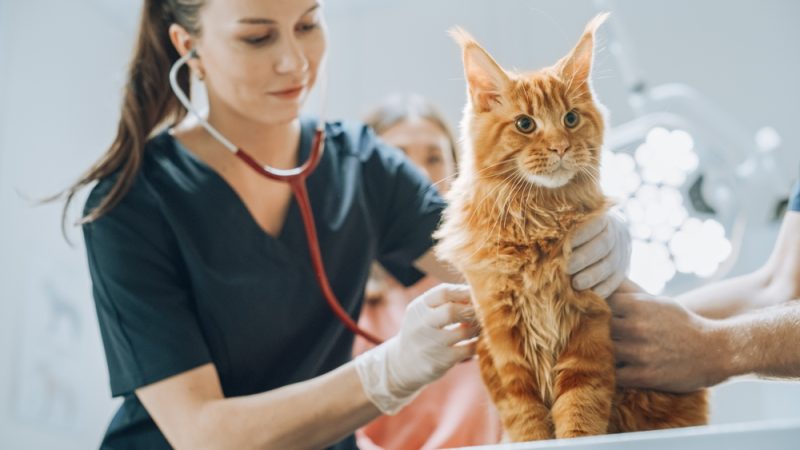
orange Maine Coon cat being examined by a vet with stethoscope
Image credit by: Gorodenkoff, Shutterstock

This might come as a surprise, but not all cats are candidates for a raw diet! Many diseases, ailments, and conditions in cats can limit their ability to handle or utilize a raw diet properly. You should always have your cat checked by your veterinarian before you change their dietary style.

It’s also important to routinely have lab work done by your veterinarian for your cat. These include blood tests, a weight check, a body condition score analysis, a urinalysis, and possibly a fecal test. Determining which tests would be best and most relevant for your cat is up to your veterinarian’s discretion. Though your cat might not need all these tests performed, it’s good to have a realistic expectation of what your veterinarian might recommend for them.


3. Select Your Pet’s Nutritionist Carefully

Keep in mind that there are many animal nutrition courses for pet owners out there. These don’t follow the same syllabus or include all of the aspects veterinarians learn when specializing in animal nutrition.

The fact that there is a huge medical component when it comes to figuring out what to feed your cat means that it’s important to ensure that you have your diet formulated by someone who is also a veterinarian. Always keep in mind that your pet is a unique biological entity, and as such, they will do best with a diet formulated by someone up to date on their health and medical status.

Being well informed about feline nutrition is a fantastic thing, but if someone is a feline (or even canine) nutritionist without being a veterinarian, they wouldn’t have all the necessary knowledge to formulate a diet for pets with specific conditions or requirements.

I don’t say this to malign or disparage individuals who are feline and canine nutritionists but aren’t vets. I think the fact that more individuals are looking to learn about feline and canine nutrition is a wonderful thing. Rather, I say this from the point of view that your pets deserve the best and you play a huge role in their nutritional welfare. Regardless of who you choose to make meals for your cat, ensure that they have both the veterinary and nutritional credentials your pet deserves.


4. Get Ready For Raw

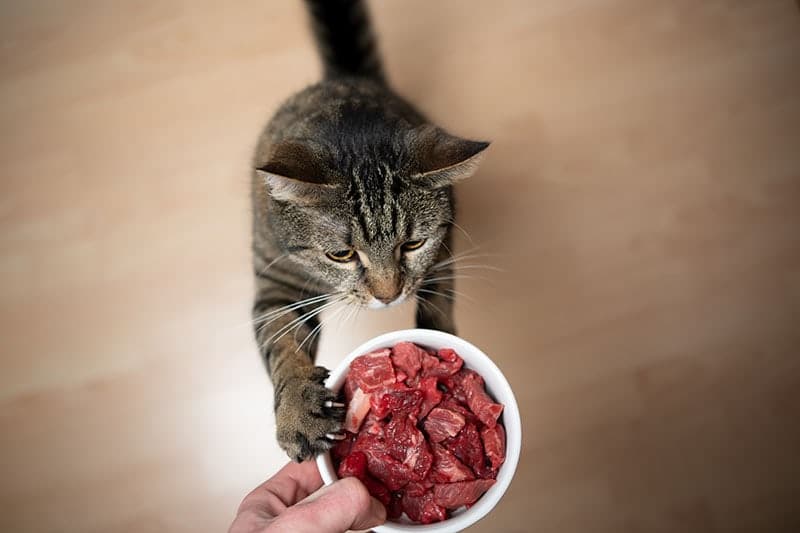
young blue tabby maine coon with white cramic bowl filled with raw beef meat
Image Credit: Nils Jacobi, Shutterstock

When it comes to preparing at-home diets for your cats, raw meats remain the best option for beginners. This is because cooking, baking, boiling, broiling, steaming, or grilling meat in any way reduces its nutritional yield considerably.

Though it’s possible to cook homemade meals for cats, a few seconds of excess cooking time or a few degrees off the recommended temperature (factors often out of our control) can make or break the diet, resulting in a pet that’s inadvertently nutritionally deprived.

Cooked diets almost always require the addition of multivitamins, multi-minerals, or other such supplements to ensure they are nutritionally adequate for your pet. This can be discouraging for those eager to explore a “natural” diet, as adding supplements would make the diet seem unnatural to an extent.

In addition, most people interested in fresh diets for their pets are keen to follow the most biologically appropriate nutritional profile. For cats, this would be a raw diet.


5. Meat Sourcing

I strongly recommend sourcing meat intended for human consumption. It’s also best to opt for raw meat that has undergone some form of quality control or check, such as raw meat pasteurization. As a rule, if you wouldn’t buy it for yourself, you shouldn’t buy it for your pet, either!


6. Hygiene

woman cleaning kitchen countertop
Image Credit by: Budimir Jevtic, Shutterstock

Hands should be thoroughly washed (for at least 20 seconds with a disinfectant soap) and dried before and after handling raw meats. In addition, any surface used to cut meat should be washed with hot water and disinfectant soap.


7. Segregation

Ideally, different cutting boards, knives, bowls, and utensils should be used for meats that you prepare in your house. These should not be used with or stored with other kitchen appliances, bowls, or utensils that you use for other types of food (such as vegetables).


8. No Cats!

The kitchen is one of the most dangerous places for a pet cat, as they can easily jump onto counters. Cats are naturally inquisitive and may sample items in a kitchen that they shouldn’t be eating. A cat on a counter is also at risk of injury from kitchen appliances or sharp objects (such as knives). Therefore, it’s strongly recommended to not allow your cat in the kitchen.

This is a general guideline I recommend for anyone even if they aren’t making meals for their pets at home.


9. … And No Other Pets, Either

This is a natural extension of the previous point. Like cats, other pets should not be allowed in the kitchen, either. If you have dogs, ferrets, or other carnivorous pets, they may not think twice before trying to sneak some food intended for your cat off the counter.

Even non-carnivorous pets may sometimes sample the food intended for your pet cat. This is because many pets are naturally inquisitive and often form social bonds with their caretakers; they might be interested in eating whatever it is you’re preparing, even if it isn’t good for them.

chocolate dog and red cat sitting together on the couch
Image Credit: New Africa, Shutterstock

10. Keep Your Expectations Realistic

Finally, though natural diets may be very beneficial for some pets, most of the benefits of such a diet are still considered anecdotal and not entirely verified by research. As such, it’s important to keep your expectations realistic. Yes, your cat might benefit from such a diet. However, thinking that such a diet will cure a disease (or make your cat immune to acquiring diseases) is a stretch! In addition, it’s important to keep in mind that the process of a dietary transition is slow, and therefore, the expected results from such a diet would also take considerable time.

divider 1 paws

Conclusion

And that does it for my 10 quintessential rules for those who are new to the world of fresh homemade diets for their cats (or other pets). Naturally, there might be other rules that could apply to your circumstances. However, these tend to cover most of the relevant bases when it comes to the fascinating world of homemade nutrition for our pets.


Featured image credit: LightField Studios, Shutterstock

Want content like this delivered to you?

Sign Up For Our Newsletter

News, insights, expert advice, and everything cat

* By submitting, you agree to our Terms & Conditions and Privacy & Cookies Policy.


How useful was this post?

Click on a star to rate (you can leave written feedback after clicking submit)

Help us improve Catster for pet parents!

Your feedback really matters.

What did you like about this post? Also how can we improve it?

Join the conversation

4 Responses

  1. Interesting article but I was kind of hoping for some recipes to compare to mine. I have been making food for three older cats for quite a while now. The recipe seems to have saved some older cats from fading away and revitalized their energy. I roast a couple of chickens in the oven and then remove all the bones and skin and cartilage to a big pot that simmers for about 48 hours along with a tablespoon of raw apple cider vinegar, a couple of carrots, a handful of okra and a couple of stalks of celery. The meat stays in the refrigerator Until the other part is done. After 48 hours, I strain well and then rinse what was in the pot with a little bit more water and strain again. This is some wonderful bone broth. Now is when I add organ meats and allow them to simmer and cook thoroughly. Usually that would be a package of chicken liver or beef liver and beef heart to the beef batch. After the organ meat is thoroughly cooked, I add a couple of cans of PLAIN pumpkin and the cold chicken meat. That all gets processed together with a stick blender (that I have just about burn up doing this)! Ha ha the food is fairly cooler after the cold meat and the room temperature pumpkin goes in so I stir in a little taurine. Then I scoop it into clean plastic containers. Each container holds about two big scoops. The containers were already labeled with flavor and date while everything was cooking so that you can work fast to get things cooled down as quickly as possible. All of these go into the refrigerator to cool down and then into the freezer. I make three flavors. Chicken and pumpkin, turkey and pumpkin with a little sweet potato added and beef with pumpkin. This is kind of a messy project but well worth it especially for older cats that may be having problems and may not be wanting to eat anything. I am feeding the cats a little bit 3 to 4 times a day. Works well for cats that have digestive issues because they can have small amounts more often. *Disclaimer: I am not a veterinarian nor do I have any veterinary training. I have had cats for 65 years and have fostered over 100 cats that went to other homes. My current crew includes several that are over 10 years old and some that were originally bottle babies from infants, rescued after mama cats were killed by cars or other.
    Maybe someone will find this comment to be useful or maybe someone will have interesting and constructive suggestions for me to consider. ????????

    1. Hi Bev, thanks for your comment and dedication and for loving cats. We do have some recipe posts from food to treats and even ice cream, feel free to explore our site:
      https://www.catster.com/ask-the-vet/homemade-low-carb-chicken-cat-food-recipe/
      https://www.catster.com/nutrition/how-to-cook-chicken-for-cats/
      https://www.catster.com/nutrition/kidney-disease-cat-food-recipes/
      https://www.catster.com/ask-the-vet/cat-treat-recipes/
      https://www.catster.com/nutrition/cat-ice-cream-recipes/
      We hope you enjoy this, and thank you for sharing your recipes with us.

  2. I attempted to get a long, typed question to Castser on a different subject (sesame oil & Turmeric as healing cream for a cat. possibly, it was too long. In any case, it disappeared before I was finished or had a chance to send it.
    I will provide my personal info here. I am thinking about making the food for my family of four felines, but that' not really what's on my mind right now.

    1. Dear Jo,

      sorry for a bit of a late answer. We are sorry to hear that you had issues with submitting your question. Please feel free to ask again, we will be happy to help you.
      If you are thinking about making a food for your cats yourself, we would like to suggest to read our article with some great recipes:
      -9 Homemade Cat Food Recipes (Vet Approved) – https://www.catster.com/nutrition/cat-food-recipes/
      Just copy and paste the URL into your browser.

      Best of luck to you!

Leave a Reply

You’re very welcome to leave a comment or question. Please know that all comments must meet our community guidelines, and your email address will NOT be published. Let’s have a positive and constructive conversation.


Catster's Digital Magazine is Back!

Vet-approved health & behavior advice

Real cat stories & community features

Chatting About Traveling With Cats, Beach Cats, and Telling Cats Off With Your Eyes | Chatty Cattys, Episode 31

In this episode of Catster’s Chatty Cattys podcast, Nicole and Dr. Karyn are diving into the world of “travel cats”. From viral videos...

The EU Just Made “Cute but Unhealthy” a Legal Issue

Picture a hopeful cat parent scrolling through kitten listings late at night, falling in love with an adorable, squishy little face before reading...

Ask Dr. Paola – HELP! My Cat Is Bloated and Gasping! (August 10, 2026)

Welcome to our “Ask Dr. Paola” series, where every Monday we bring expert advice straight from Dr. Paola Cuevas (MVZ) to help our...

Chatting About the Importance of Spaying/Neutering, Cat Retail Shopping Ban & Red-Level Storms | Chatty Cattys, Episode 30

In this episode of Catster’s Chatty Cattys podcast, Nicole and Dr. Karyn are celebrating a major legal win for pets before diving into...

More related

9 Best Flea Killers for Your Yard in 2026 – Reviews & Top Picks

When the seasons change, it can pose a big issue for indoor/outdoor pets and their homes. Even if your animal only goes out...

Miralax for Cats: Our Vet Explains Dosages, Uses & Side Effects

You may notice your cat in the litter box, straining to defecate and being unable to. You may also notice that your cat...

White British Shorthair Cat: Info, Pictures, Facts & History

The British Shorthair is a well-loved and familiar cat breed. Their coats can come in various colors and markings. There are over two...

7 Best Outdoor Heating Pads for Cats in 2026 – Reviews & Top Picks

When colder temperatures roll around in the winter, it can be hard on our outdoor pets. This is particularly true of cats, who...

Keep reading

How to Make an Indoor Cat an Outdoor Cat Safely (10 Vet-Reviewed Tips)

One of the most common questions cat parents have is whether cats should be kept indoors or allowed to roam freely outdoors. Many veterinarians and organizations are in agreement that cats should not be allowed to roam freely due to...

Walking with cat on a leash kuril bobtail

Is My Cat Stressed or Sick? Vet-Reviewed Signs & Ways to Help

Cats can struggle with change just as any species, so in times of stress, it is important to be more cautious of their needs. This is tough since cats don’t always outright tell us what is wrong and what we...

tired sick cat lying on bed

Why Does My Cat Lick My Blanket? 7 Vet-Verified Reasons for This Behavior

Have you ever been cuddling on the couch or bed when your cat starts licking the blanket? While watching your kitty knead the blanket is extremely cute, blanket licking can be downright disgusting. This is especially true if your pet...

cat licking white fur blanket

6 Natural Home Remedies to Treat Ringworm in Cats

If you own cats long enough, sooner or later, you might see them: little lesions all over the animal’s skin, right below the fur. That’s ringworm — and if you’re not careful, this highly infectious disease can spread all over...

closeup of a cat with ringworm

Are Petunias Poisonous to Cats? Vet Approved Houseplants Examined

Cats are known for being curious and getting into things that may not necessarily be great for them. After all, they are animals, right? Not too different from curious pups, rabbits, or even pet guinea pigs. It’s in their nature...

Catster_Are Petunias Poisonous to Cats

Why Do Cats Lift Their Tail When Petted? 4 Vet-Reviewed Reasons

If you have ever been petting your cat, you may have noticed that they lift their tail or bum in the air. There is a lot of confusion as to why cats do this and what the meaning behind the...

woman owner petting and playing with her cat at home

How Does a Cat Purr? The Evolution & Meaning Behind a Purr (Vet Reviewed)

Cats are known for their adorable vocalizations, and their purring is usually a sign of contentment and happiness. But have you ever wondered how your cat makes that calming vibration? Cats purr by vibrating their laryngeal muscles through several mechanisms....

cat purring

Can Cats Eat Toothpaste? Vet-Verified Risks & Precautions

Toothpaste is a standard personal care item found in most homes and some handbags and briefcases. If your beloved feline has found their way into your dental care products, you might be wondering if toothpaste can be harmful to cats....

Can Cats Eat Toothpaste

Love Cats? So Do We! Join the Catster Community

Stay informed with expert pet care insights delivered straight to your inbox! Discover professional guidance on animal behavior, feeding tips, trusted product picks, and much more.


Sign up for the Catster Email Newsletter

Stay informed with expert pet care insights delivered straight to your inbox! Discover professional guidance on animal behavior, feeding tips, trusted product picks, and much more.