How to Stop a Male Cat From Mounting: 7 Vet-Reviewed Reasons & What To Do


In this article
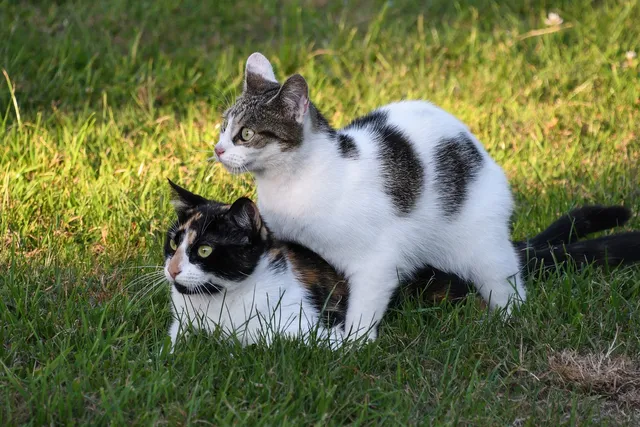
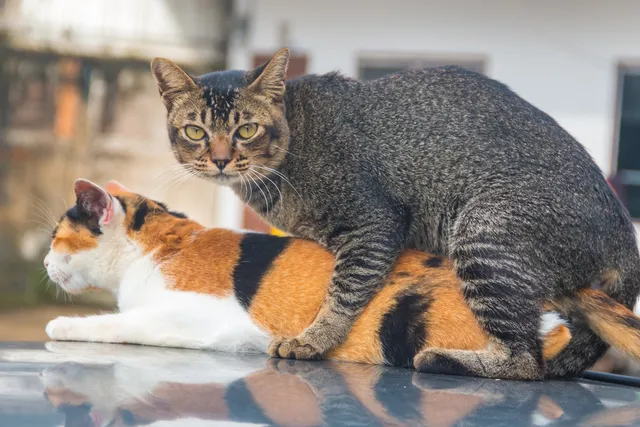
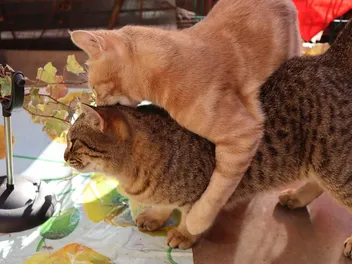
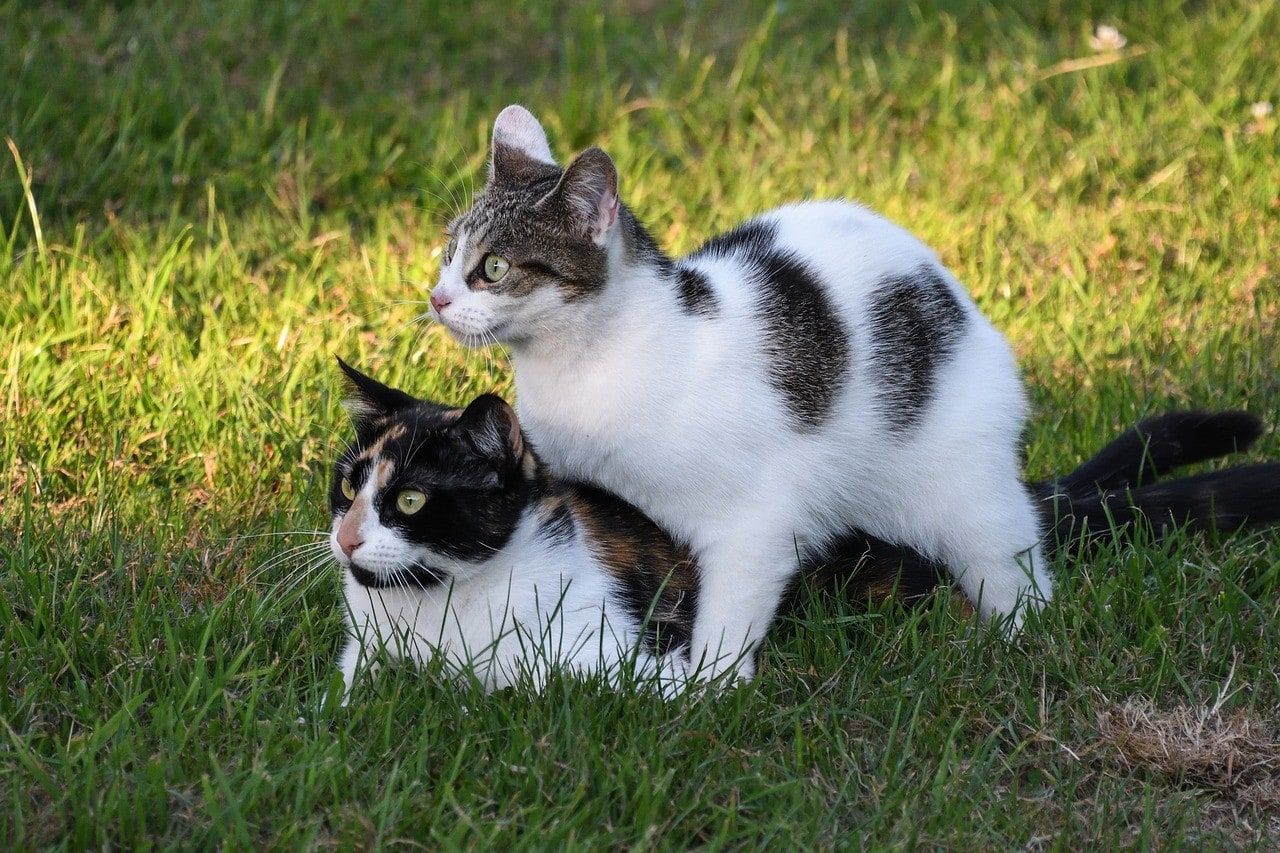
Watching your male cat mount various objects, you, or even other animals around your home can be frustrating and confusing. It doesn't make sense, especially if your cat is neutered. To get the behavior to stop, we have to understand why it's happening first.
Mounting is normal cat behavior, but the reasons for it can vary. In this article, we look at seven reasons that male cats mount and what you can do about it. It might take a while to figure out why this is occurring, so you may have to try several methods to see which one works best.
Remember, never get angry with your cat for doing what comes naturally to them. They don't understand why you're upset, and they don't think that they're doing anything wrong. Instead, use these methods to try to get this behavior under control.

The 7 Reasons That Male Cats Mount & What to Do About It
1. Your Cat Isn’t Neutered or Was Neutered Recently
If your male cat is not neutered, the mounting behavior is likely driven by hormones. You can try to correct the behavior using the positive reinforcement methods in this article, but you can’t train a cat out of its hormones. Intact male cats feel a need to mate with a female, and the mounting behavior can increase if they smell a female cat in heat.

What to Do
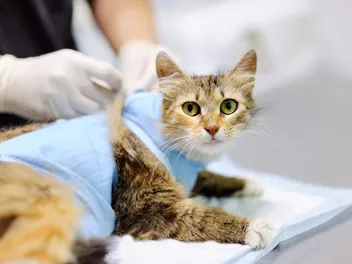
Have your cat neutered to reduce their desire to mount. If your cat is over 1 year old, the mounting may have already become a habit that will continue after the surgery. If your cat was recently neutered but is still mounting, they may need more time for their hormones to dissipate. It can take weeks for your cat’s hormones to decrease, so the mounting may continue until then.
2. Change in the Household
Has your household recently experienced a major shift? Did you add a new family member or pet? Did you change residences? This change may not seem major to you, but it can be extremely stressful for your cat. Cats are creatures that thrive on routine. Any deviation from that routine can be upsetting for them. Even something as slight as moving their food bowls can increase their anxiety.
What to Do
Give your cat space and time to adjust to this change. Periods of stress can cause illness in cats, so it’s important to keep everything as calm around them as you can. Keep their routine as close to normal as possible, even with new changes in the home. Give your cat plenty of attention, and be sure to schedule time just to play and interact with them so they don’t feel neglected.
If they want to hide for a while and have time to themselves, make sure they have a comfortable place to go, with a bed, toys, and their litter box close by. Try to keep disruption to their items, like food bowls, cat trees, and litter boxes, to a minimum. If you’ve recently moved, set up your cat’s things in their permanent places right away. Give your cat the time that they need to get used to the changes and feel comfortable in their home again. You may want to speak to a vet about medications to keep them calm if they can’t seem to relax.
3. Your Cat Is Depressed
Did your cat recently suffer a loss? A human or pet suddenly removed from the household can cause sadness and depression in your cat. Not eating, sleeping more than usual, having a lack of interest in playtime, and there being an increase of abnormal behaviors, like mounting, are all signs that your cat may be depressed. Since mounting is a self-soothing behavior, male cats might engage in it when dealing with anxiety, unease, boredom, sadness, or lack of motivation.

What to Do
Speak to a vet if you think that your cat is depressed. They may recommend anxiety medication. Another thing that you can do to help is sticking to a routine as much as possible. When a cat is on a schedule, they will feel more relaxed. Increase your playtime and physical affection with them, even if your cat isn’t seeking this attention from you. Approach them to try to engage them with toys or a good scratch behind the ears. Make their meals more exciting by adding cat-safe chicken broth or low sodium tuna water from a can to their food. This will also force them to consume more liquid, keeping dehydration at bay.
4. Your Cat Wants More Attention
Cats can get bored if they aren’t given enough attention. If your cat is mounting your leg or objects in the home, they may be trying to tell you that they need you to focus on them. If you’ve been busier than usual lately and not sticking to your own routine, your cat may be missing the time on the couch with you or sitting on your lap. If you've been away from home for a long period, such as a vacation, your cat may be telling you that they’ve missed you and want your attention now that you’re back.
What to Do
Give your cat the attention that they crave, even if you have to schedule a time to dedicate to it. Your cat wants to interact with you. Playing with your cat can tire them out mentally and physically, leaving your cat feeling satisfied with no extra energy to behave in undesirable ways. Encourage your cat to come over to you, and invite them up into your lap if that's where they usually are. Let them know that you haven't forgotten about them.
5. Your Cat Wants More Territory
If your cat is feeling too confined, he may want more territory to ward off boredom. While it’s impossible to increase the size of your home, you can do other things to give them more options. Your cat may just want new views of the world around them. Remember, your home is their entire living space.

What to Do
Give your cat more places of their own. Add cat trees to give your cat climbing options. You can also build cat shelves to save floor space. Place beds or blankets in front of windows so your cat can look outside. Birdwatching makes great natural cat TV. If you can invest in cat condos or tunnels, you can give your cat different places to hide and nap. These small additions can make your cat feel like you’ve expanded his territory.
6. You’ve Added a New Cat to the Home
If your cat is mounting a new cat or kitten in the home, they may be trying to establish dominance.
What to Do
Make sure your cats were introduced properly. If not, try to introduce them again. Keep them in separate rooms until they get used to each other’s smells and sounds. Feed them on opposite sides of the door so they can get used to each other’s presence. Let them see and smell each other through a baby gate or screen door before letting them spend time in the same room. Continue this process until all hissing, growling, and signs of aggression have gone away and they seem genuinely interested in one another.
Remember to keep their food dishes separate in the house. Give them separate places to relax by themselves, and don’t force them to use one litter box. The general rule is one litter box per cat, plus one extra. That will keep everyone happy.
You may also want to consider using pheromone diffusers. These plug into an outlet and work by releasing pheromones that mimic those of a mother cat. They can reduce tension and help build a peaceful multi-cat home.
7. Medical Conditions
If your male cat is suddenly mounting things, there might be a medical issue behind this behavior. While this is not a common reason that cats mount, it does happen. Medical conditions should be ruled out before trying any other methods of behavior modification. If your cat has a retained testicle inside his abdominal wall, it will be producing testosterone. This is a rare medical condition known as Cryptorchidism where one or both testicles do not descend to the scrotum. Other rare reproductive genetic abnormalities and disorders could also be causing the cat to mount.

What to Do
Bring your cat to the vet for an exam. Talk to a vet about your cat’s recent behavior. The vet will take a sample of your cat’s blood and maybe do some diagnostic imaging tests such as X-rays or ultrasounds. Once you get a diagnosis, a vet will come up with a suitable treatment plan.
What to Do When Your Cat Is Mounting
If you catch your cat in the act of mounting, there are a few things that you can do. First, don’t throw anything at or hit your cat for doing this. To them, this is a perfectly natural behavior, and your reaction could scare and confuse them. Since stress is a potential reason for mounting, you don’t want to do anything to make the issue worse.
You may notice their behavior before the mounting starts and stop it before it happens. Watch your cat's body language. Increased affection, purring, dilated eyes, and kneading of your body or the object that is about to be mounted are signs that this is going to happen.
Redirect their attention and get them focused on something else. Engage them in a play session. When your cat relaxes and focuses on another activity, they will forget about mounting for the moment, then you can offer them a treat.
When you see your cat behaving appropriately, like cuddling with you or playing nicely with other pets in the home, reward them with praise, affection, and treats. Positively reinforce the behavior you want to keep seeing.
If you can’t redirect your cat and they start to mount, anyway, despite your best efforts to keep them otherwise engaged, it’s time to act. If they mount your leg, get up and walk away. If they mount an object, pick it up and move it. If you can’t move the object, clap your hands together loudly.

Is There Any Harm in Letting My Cat Mount?
If you’ve ruled out a health issue, there is no harm in this behavior. Some cat owners find it unpleasant, though, and want it to stop. If you don’t mind it, nothing needs to be done. Just make sure your cat isn’t doing this compulsively. This behavior can be harmful to other animals, though.
Your cat should also not be allowed to mount other animals in the home. Even if they aren’t hurting them, the other pet may feel stressed or scared. If your cat is mounting other pets, take the necessary steps to stop this so all your pets are comfortable in their home.
Conclusion
There are many reasons that male cats mount objects in the home, their owners, or other pets. We hope that you’ve learned a few ways to try to stop this from happening if you don’t like this behavior. Make sure to have your cat checked by a vet first to rule out any medical conditions. For the most part, this is normal cat behavior and doesn’t necessarily mean your cat is unhealthy—and it also doesn’t mean that they’re a bad cat! By positively encouraging them, you can teach them the ways that you want them to behave instead.
See also:
Featured Image Credit: christels, Pixabay
Expert cat care, straight to your inbox
News, insights, and useful advice, delivered to you.

No spam — unsubscribe anytime.
By signing up, you agree to our Terms & Conditions and Privacy & Cookies Policy.
How useful was this post?
Click a star to rate. You can leave written feedback afterwards. (We read all feedback.)
Christian started writing for a local newspaper as a teenager, and he's been involved in the publishing industry for most of his adult life. Combining his love of writing with a passion for animals, he is currently the Director of Editorial at Pangolia and the Editor-in-Chief at Catster.
Christian lives in the Philippines with his wife, son, and four rescue cats: Trixie, Chloe, Sparky, and Chopper.