My Cat Wants to Be Alone All of a Sudden: 8 Vet Approved Reasons


Cats have a way of getting their alone time whether we want to give it to them or not. Whether your cat is highly affectionate and spends most of their time by your side or one of those cats that simply want your love on their terms, it’s easy for pet owners to notice when something is off with their beloved feline.
At times, your social kitty may want to be alone all of a sudden. When this happens, our pet-loving brains instantly go to thoughts of our pet hating us or them having a serious illness. That’s not always the case. If you aren’t sure what’s happening between you and your cat, or why they’re suddenly staring at you from the corner like you’ve done something horrendous, it’s time to start thinking back on every interaction the two of you have had. It could be the simplest thing or something you aren’t expecting.
Here are 8 possible reasons your cat may be avoiding interaction so you can ease your mind and try to fix the issue.

The 8 Reasons Why Your Cat May Want to Be Alone
1. Your Cat Isn’t Feeling Well

Cats aren’t always as easy to read as a dog. When they aren’t feeling their best, some cats prefer to be alone and deal with what’s going on. Illness is the most common cause of cats isolating themselves and should never be misinterpreted as an emotional or mood change. Only a vet can check them out thoroughly and make sure there is nothing going on before you assume the reason for their sudden shy behavior is something more ‘benign.’
This can happen with something as simple as an upset tummy or bigger issues that require a veterinarian visit and investigations. As a responsible pet parent, you must pay close attention to what’s happening with your kitty. If they are isolating themselves, don’t push yourself on them but look for other signs of illness to ensure they aren’t sick. If this persists for more than 12 hours, or they are quiet, not interested in food, having signs of nausea, vomiting, diarrhea, urinary signs, or anything else out of the ordinary, it’s crucial to get them checked out by a vet straight away.
2. Your Cat Is in a Bad Mood
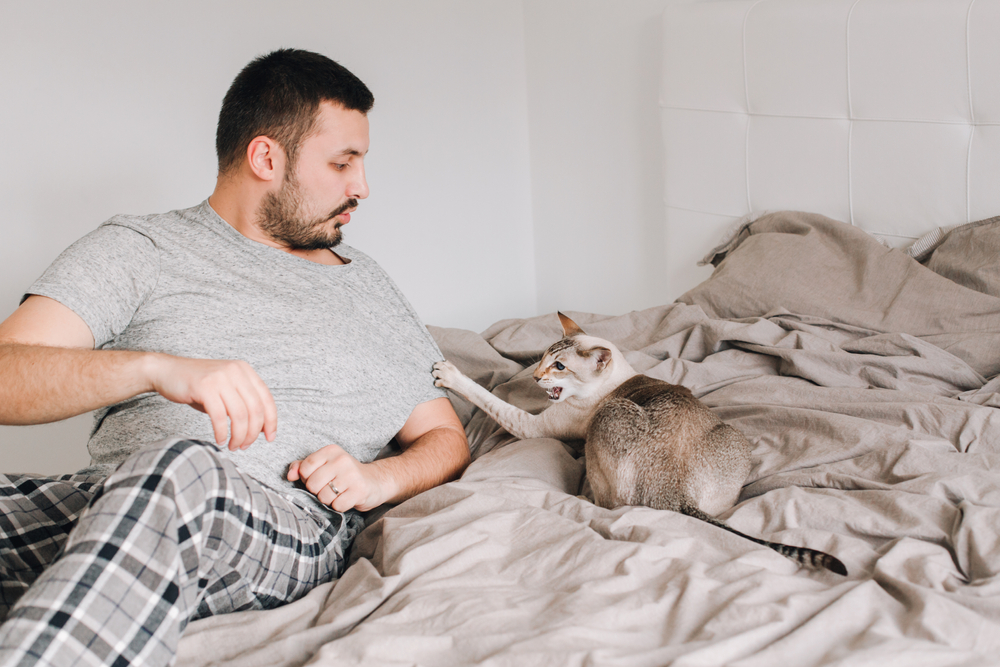
As we all know, cats are notorious for getting upset with us, for relatively no reason at all. Perhaps you missed their feeding time by a few minutes, were away for a week and someone else was looking after them, didn’t notice when they strolled by and expected a pat, or you could have sneezed and startled them. No matter what took place in their area, when your kitty isn’t happy, you’ll know it. Steering clear of you during this time could be your cat’s way of showing you that they aren’t happy, or it could simply be your kitty’s opportunity to make you feel bad for whatever you’ve done!
3. Your Cat Isn’t Happy with a Change

Cats are known for liking the status quo. You may share your space with the most affectionate cat around, but if something changes and they are having a hard time dealing with it, isolation may be their go-to. If you’ve recently moved, added a new pet to the home, rearranged the furniture, or perhaps you’ve been bringing new people over, expect to see your cat react. This is common and in most situations ends as quickly as it started.
4. Your Cat Is Aging
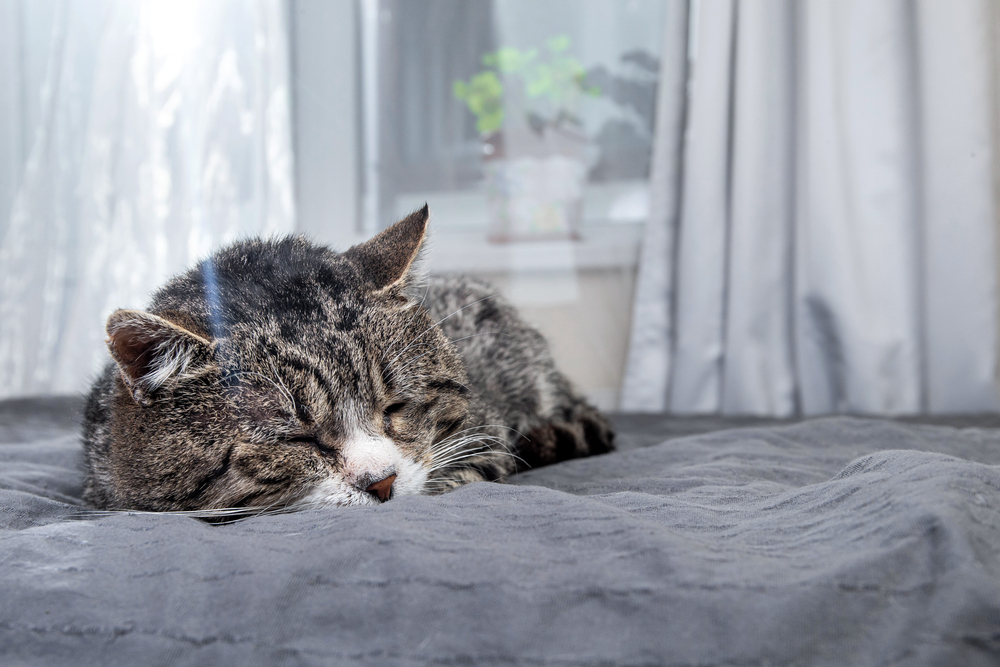
There are certain times in a cat’s life when they go through changes. It’s no different than a growing human. As a kitten, your cat may want to be with you all the time. During their “teenage” years, they may pull away a bit. Senior cats are also more likely to spend time on their own. They require more peace and quiet so they can get the rest they need. This is also true for cats that are nearing the end of their time with you. Isolation is very common before a cat passes. Many feel it is their way of keeping you from seeing it happen, but this is anecdotal.
If you have a senior cat that is isolating themself from you or isn’t quite right, don’t assume it’s old age. It’s imperative to get them checked out by a vet. Firstly, there are things a vet can do to make your senior cat comfortable and pain-free, and their time may not have yet come. Secondly, we strongly discourage letting your cat pass at home. This is often prolonged and uncomfortable for your cat and is not something you want to put your lifelong friend through when there are peaceful and quick ways it can be done at a vet, with your cat having their last cuddle in your lap and not feeling any pain or experiencing suffering.
5. Your Cat’s Senses Are Deteriorating

A cat uses their senses for everything. If they are having issues with their sight, hearing, or smell it may cause them to act differently, but they may also compensate greatly and it can go unnoticed for a while. Keep in mind that deteriorating senses don’t only happen in older cats. Your kitty could be suffering from an issue that only a vet can help out with. If you don’t feel like your cat is hearing you when you call or shows signs of worsening eyesight, plan a checkup as soon as possible. Older cats may also suffer from cognitive decline and become more confused or demented, but this can also be seen with various medical conditions, so again it’s important to get your cat checked out promptly.
6. You Cat Senses Another Cat
It’s possible if your kitty is isolating themselves, that another cat has been near your home. With their keen sense of smell, a cat doesn’t need to see another cat to know they’ve been around; they can smell them. This is especially true if an outside cat has sprayed around your home. When your kitty can’t find the elusive cat they smell and feel their territory is endangered, pulling away and isolating can be normal. They may react similarly if there is a new dog or one they are not getting along well with in your home, and they are keeping their safe distance.
7. Your Cat Could Be Depressed or Anxious

Unfortunately, like us humans, animals can be depressed and scared and suffer from anxiety. Things going on in your life like extended hours at work, a new relationship, or even a trip where your kitty was left behind with a pet sitter can leave your cat feeling unhappy. This is especially true if your cat is very affectionate and spends most of their time with you. When this happens, give your kitty time. Offer your love and affection, when they are ready, they will come back for it. Never punish them.
Instead, ensure they have the peace and quiet they need, without loud noise or other people coming to your home. Noise and changes in the home, or trauma that you may not have witnessed, may also lead to stress and anxiety, resulting in hiding. Some illnesses can lead to anxiety due to pain and discomfort, and if your cat is suddenly exhibiting signs of hiding and avoiding contact with you, it’s crucial to get them checked by a vet to make sure there isn’t an underlying cause. Another possibility is separation anxiety, which may need an assessment from a feline behaviorist.
8. Your Cat Is Ready to Give Birth
If your cat is pregnant, when she feels her body is ready to start the birthing process, she may begin to isolate. This is completely normal and shouldn’t cause you any worry. It’s your cat’s way of ensuring she and her kittens are safe and comfortable during birth. If you’re truly concerned, watch your cat and learn which spot she frequents so you can be there for her when the time comes.

Conclusion
Trying to understand your cat may be difficult, but it’s something you should attempt as a responsible pet owner. While a cat suddenly deciding they want to be alone can simply be a temper tantrum or pouting session from your kitty, other more serious things are likely at play, primarily illness and anxiety. As always, carefully monitor your cat for signs they may need a veterinarian.
If an illness isn’t the issue and a vet gives them the green light, you may need to give them the time and space they need, while ensuring your home is free of other animals and noise. You may need to consider a behaviorist, or pheromone plug-ins and similar. Speak to a vet about the reasons your cat is hiding. If you have gotten to the bottom of the issue and it was addressed appropriately and promptly, they’ll return to demanding all your attention in no time.
Sources
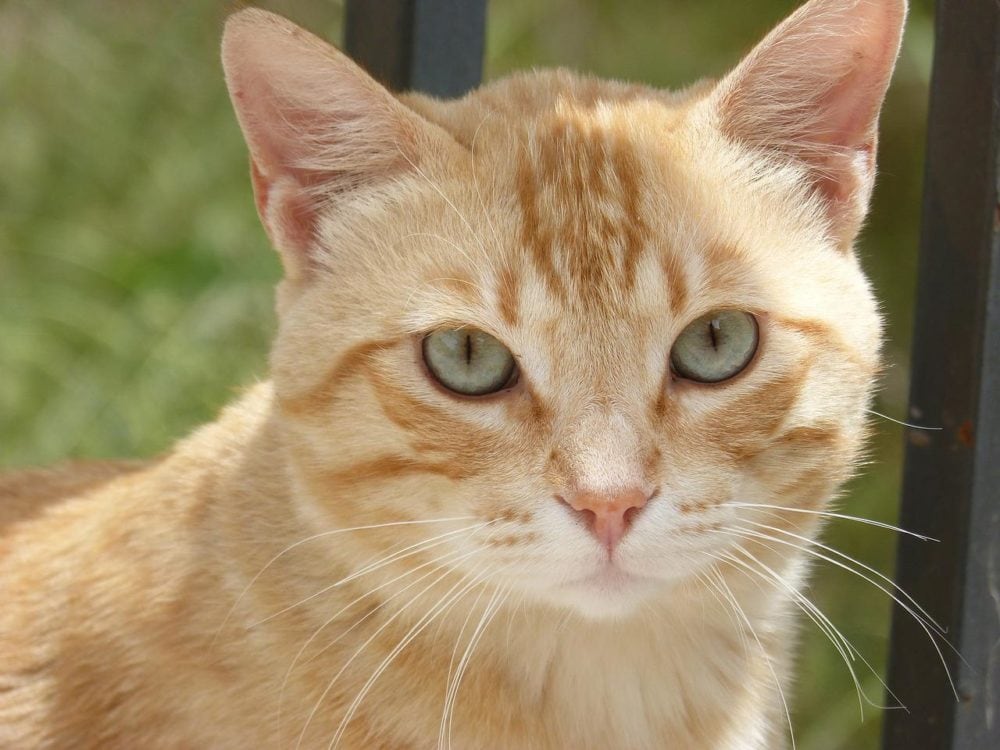
Featured Image Credit: mediarney, Pixabay

Expert cat care, straight to your inbox
Vet-reviewed advice, behavior tips, and the best of Catster. Free, and you can unsubscribe anytime.
By signing up, you agree to our Terms & Conditions and Privacy & Cookies Policy.
Christian started writing for a local newspaper as a teenager, and he's been involved in the publishing industry for most of his adult life. Combining his love of writing with a passion for animals, he is currently the Director of Editorial at Pangolia and the Editor-in-Chief at Catster.
Christian lives in the Philippines with his wife, son, and four rescue cats: Trixie, Chloe, Sparky, and Chopper.
Join the conversation
Ask a question, share your story, or send private feedback.