What to Do When Your Cat Has an Asthma Attack: Vet Approved Tips

In this article
It may be a surprise to learn that just like people, cats can have asthma, and it can be a frightening experience when your cat suddenly suffers from an asthma attack.
While it’s a condition that your cat will have for their entire life, you can manage it at home with the help of your veterinarian. Here, we go over the common signs and symptoms of an asthma attack and what you can do to help your cat when this occurs.

Cat Asthma Attack
It’s essential that you become familiar with your cat’s asthma symptoms so you know when you can treat it and when you need to seek veterinary care.
The most important thing to note is that if your cat is ever clearly having difficulty breathing, don’t try to treat this yourself. Go immediately to the nearest animal emergency hospital!
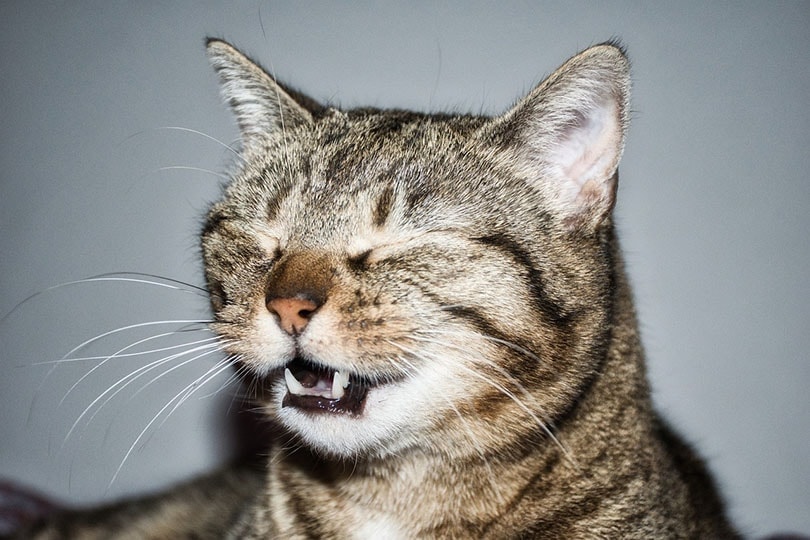
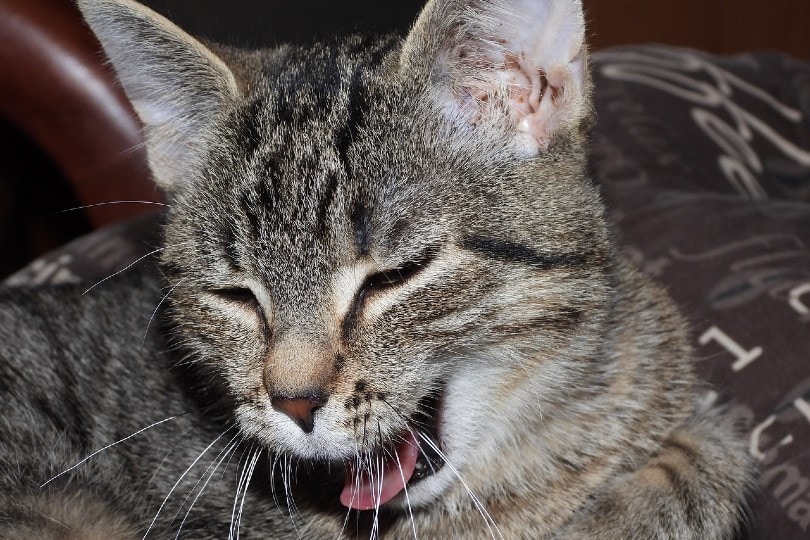
Signs of asthma in your cat can include:
If your cat is showing any of these symptoms, even if they only occur occasionally, speak to your vet immediately.
Also, keep an eye on your cat’s breathing while they’re asleep. The normal respiratory rate for a sleeping cat is 15 to 30 breaths in one minute. If your cat is breathing more than 30 breaths in a minute or with an open mouth, contact your vet because this is not normal.
You can count each breath for 30 seconds and then times that number by 2 to get the number of breaths for 1 minute.
If you’ve determined that your cat’s breathing pattern is irregular, try to keep them calm in a stress-free, cool, and well-ventilated area. But only do this if your cat is not struggling to breathe.
Take your cat to a vet in any situation where breathing is an issue or if you suspect they are suffering from an asthma attack. Be sure to stay calm, and ensure that your cat doesn’t feel stressed, as this can worsen the attack.
What Causes Asthma in Cats?
Cat asthma is a condition that affects the respiratory system and causes breathing issues from the swelling of the cat’s lungs and narrowing of the airways. Inhaling allergy triggers, most commonly pollen or dust can cause an allergy attack, which can be aggravated by stress.
Asthma in cats can be caused by the same triggers that can cause human asthma:
- Cigarette smoke
- Dust mites
- Dust
- Grass
- Cat litter dust
- Pollen
- Mildew/mold
- Certain foods
- Household chemicals
Reducing these triggers can help improve your cat’s breathing. But it’s practically impossible to remove all environmental allergens. This is where long-term treatments may be helpful.
How Is Cat Asthma Diagnosed?
There are several tests that vets can run to diagnose cat asthma. An attack can sometimes be mistaken as a cat vomiting up a hairball, so it’s best to have them officially diagnosed so you can provide your cat with the right treatment.
Most vets will need to run tests that will rule out other conditions that can present in a similar way to asthma, such as foreign bodies, upper respiratory infections, pneumonia, cardiac problems, and parasites.
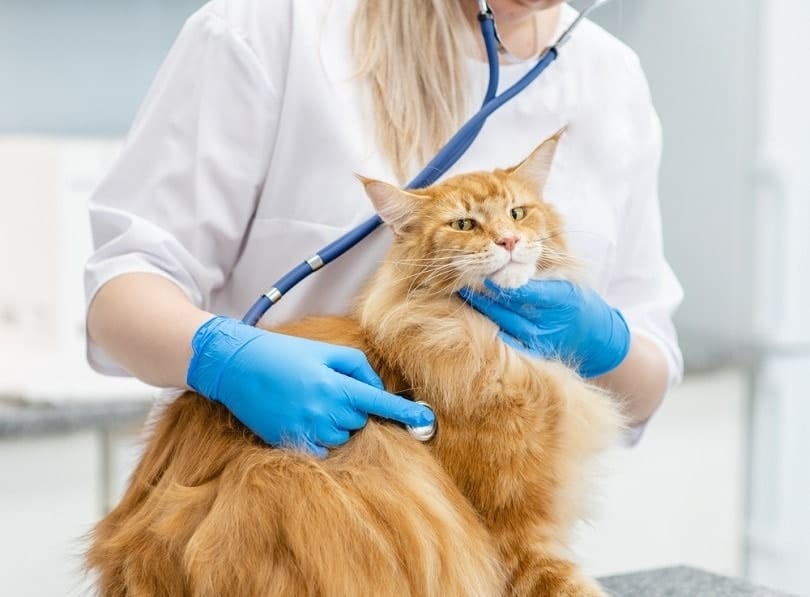
Their medical history, blood and urine tests, and listening to your cat’s chest with a stethoscope are the first steps in the diagnosing process. If the vet does suspect asthma, X-rays of your cat’s lungs may be taken. In some cases, additional testing may be necessary.
Once your veterinarian has determined your cat has asthma, they will discuss a treatment plan that is appropriate for your feline friend.

Treatment for Cat Asthma
Treatment for cat asthma starts with getting to the root of the problem, which is reducing the inflammation causing the symptoms. It’s important to note that your cat should continuously be receiving treatment even when there are no apparent symptoms. Always follow your vet's instructions!
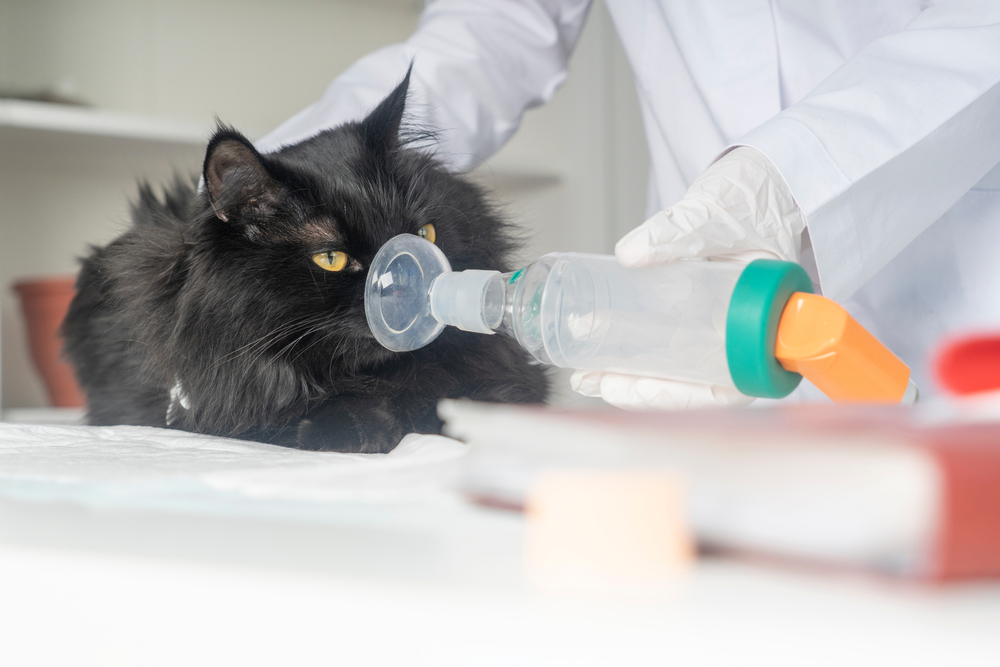
There are two kinds of treatments that are typically prescribed: bronchodilator medication for widening the air passages and corticosteroids for reducing inflammation. Sometimes, antihistamines can also be prescribed if the other treatments aren’t working properly.
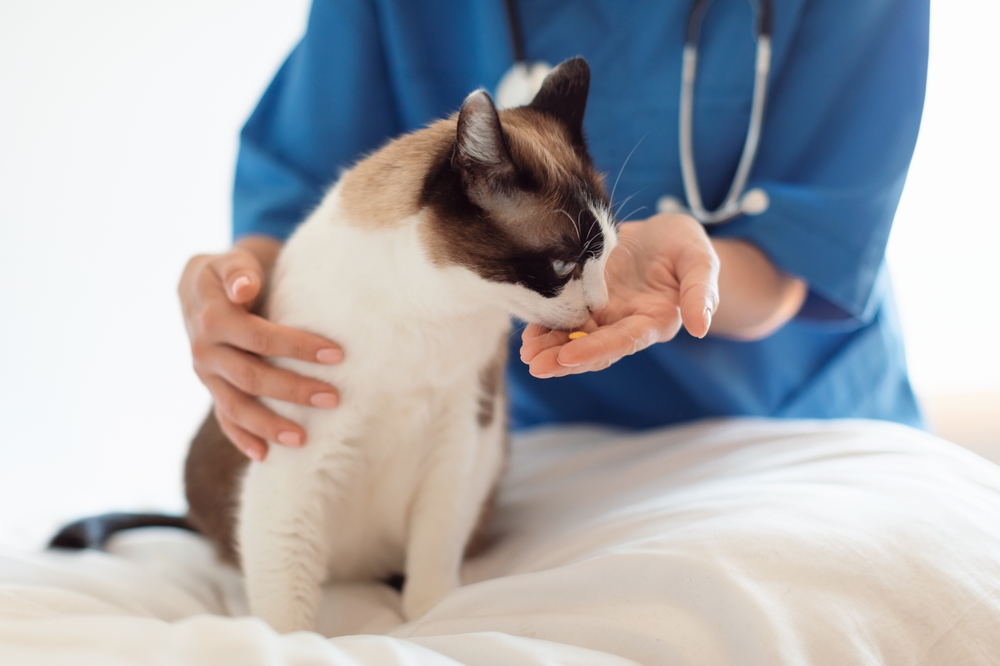
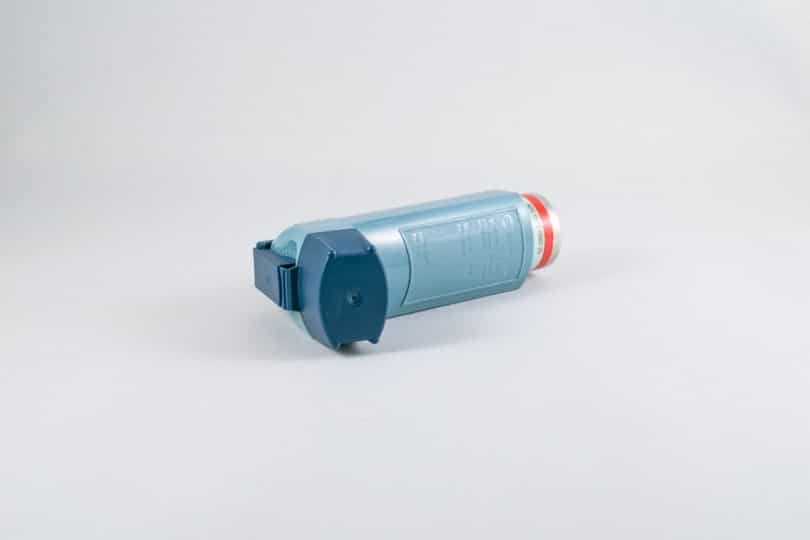
The meds are usually given to the cat with an inhaler but can also be offered by injection or in pill form. However, there are more side effects associated with oral medications. So inhalers tend to be the preferred treatment.

Helping Your Cat at Home
Besides following your veterinarian’s instructions and providing your cat with the appropriate medication, you can take additional steps to make them more comfortable.
Your vet will provide directions on reducing your cat’s contact with environmental allergens, such as:
- Ensuring they are in a well-ventilated space
- Only use a low-dust and unscented cat litter
- Avoiding smoking around your cat
- Having no air fresheners, perfumes, or other aerosol products in the house
Also, keep your cat as stress-free as possible, and maintain their health — obesity can exacerbate asthma.
Consider keeping a log of your cat’s asthma attacks, including the dates and times, the symptoms, treatments, and the environmental conditions both inside and out. Taking a video of the attack can also provide helpful information for your veterinarian.

Conclusion
If your cat is suffering from an asthma attack and is struggling to breathe, take them to a veterinarian or the nearest emergency clinic. Become familiar with your cat’s condition, and be sure to administer their medication as directed. Keep your cat as stress-free as possible.
Their overall prognosis is good as long as you keep an eye on your cat and follow the vet’s advice and instructions. Most cats with asthma can live long and happy lives.
See Also:
Featured Image Credit: chie hidaka, Shutterstock

Expert cat care, straight to your inbox
Vet-reviewed advice, behavior tips, and the best of Catster. Free, and you can unsubscribe anytime.
By signing up, you agree to our Terms & Conditions and Privacy & Cookies Policy.
Kathryn was a librarian in a previous lifetime and is currently a pet writer. When she was a child, she hoped to work in ZOOs or with wildlife in some way, thanks to her all-consuming love for animals. Sadly, she's not strong in the sciences, so she fills her days with researching and writing about all kinds of animals and spends time playing with her adorable but very naughty tabby cat, Bella. Kathryn is hoping to add to her family in the near future – maybe another cat and a dog.
Join the conversation
Ask a question, share your story, or send private feedback.