Can Cats Die From Hairballs? Vet Reviewed Facts


In this article
Is your kitty facing a hairball problem? While hairballs in cats are natural, large lumps of hardened hair can block your kitty's digestive tract and cause fatal health threats that require surgical intervention.
Most cats have hairballs, regardless of the length of their hair. What isn't normal is frequent regurgitation of hairballs. It may mean your kitty has underlying health concerns like bacterial overgrowth, anxiety, or allergies.
As a cat parent, you must have found cleaning after these hair lumps unpleasant and gross. So, what exactly are hairballs, what signs should you look for, and how do you prevent your feline from having hairballs?

What Causes Hairballs in Cats?
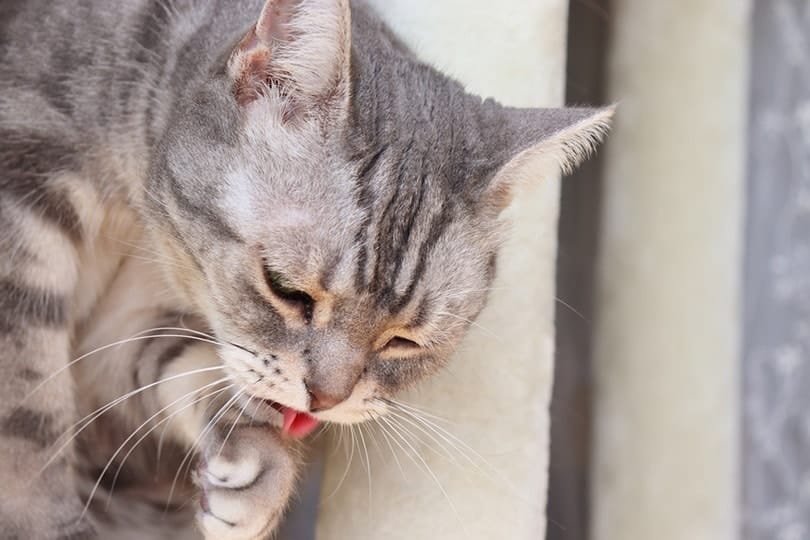
Indoor cats spend most of their daytime grooming to stay clean and soothe themselves. Cats groom by licking their coats.
When cats groom, hook-like structures on their tongue (papillae) pick up loose and dead fur, which they end up swallowing in the process. Unfortunately, hair has a complex and indigestible protein known as keratin.
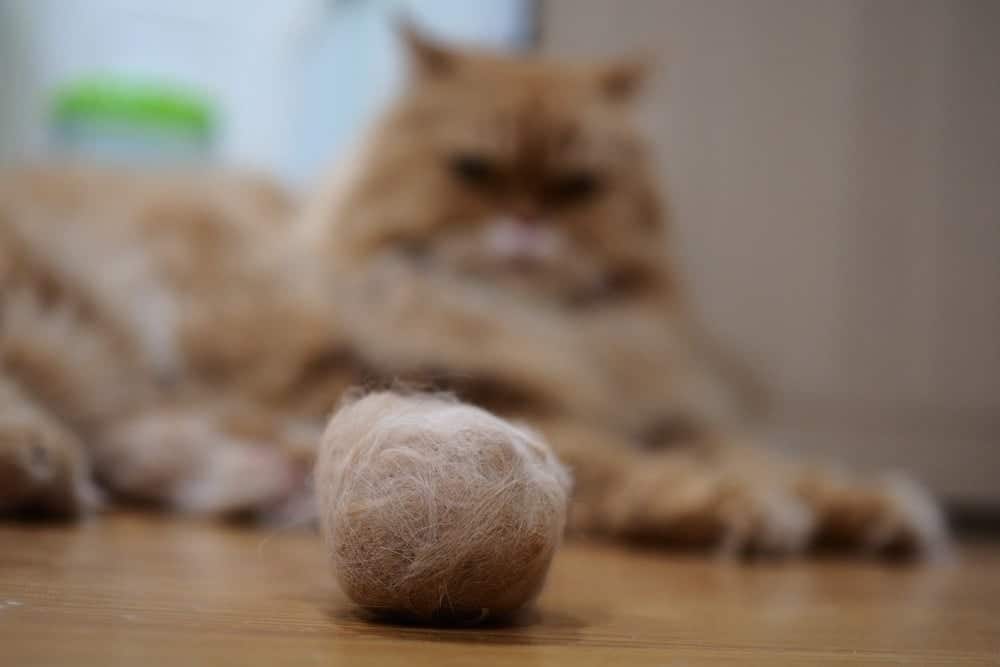
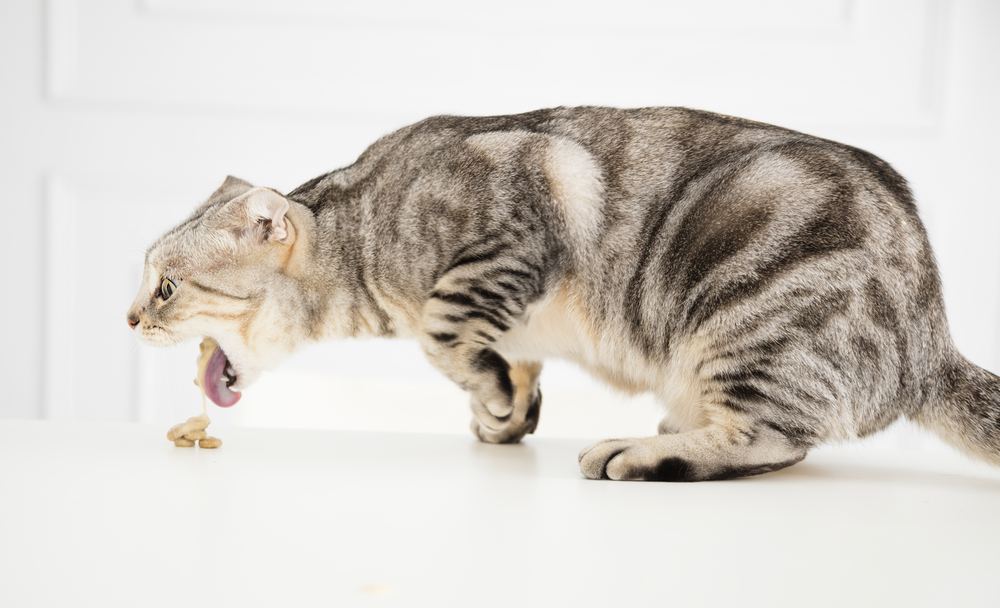
Although it does not usually involve complications, there are times when some hairs remain in the stomach and collect into a damp lump of fur. Usually, kitties remove these hairs by passing them in their feces. At other times, cats may end up vomiting the hairballs, also known as trichobezoar.

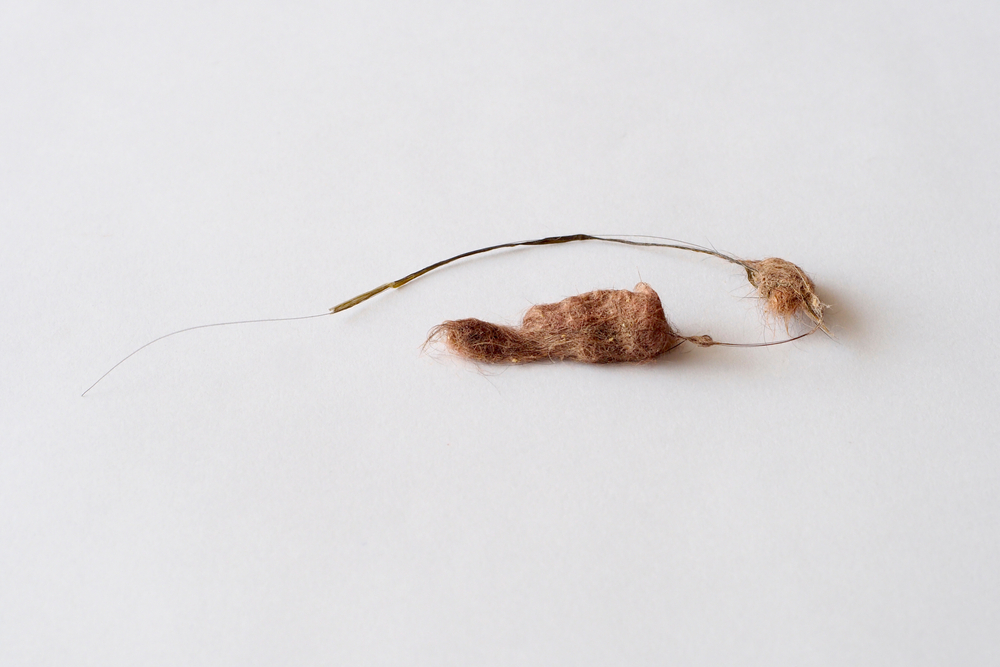
Hairballs are not round but form a tube and sausage-like shape as they squeeze through the narrow esophagus on their way out. These hairballs form when the cat ingests excess hair that can't move through the digestive tract smoothly.
Hairballs are more common in long-haired cat breeds that tend to groom, shed, and pick up more hair than short-haired breeds. They are also more common in cats with skin issues than those with problem-free skin. They also appear more in adult cats than kittens because kitties become adept groomers with age.

How Often Should Cats Throw Up Hairballs?
This condition is normal and has no cause for concern unless your feline friend tends to cough them up more often than usual, leading to gastrointestinal obstruction.
So, how often should it be? The numbers vary depending on your vet. Some vet authorities suggest that a wad of fur every one or two weeks is fair for a healthy cat, while some kitties, like the long-haired Persians and Maine coons throw up hairballs once a year or seldom.
You might notice that your cat tends to vomit hairballs more often during certain times. Well, furballs are seasonal. Hairballs are more common in summer when cats groom more often to shed their winter coats.
But the bottom line is that only you understand what's typical for your kitty, and you should consult a vet if your feline friend is regurgitating hairballs more often than it should.
Frequent hairballs may indicate reduced motility and impairment of the feline's digestive system. Reduced motility means the feline's gastrointestinal tract is suffering since food and moisture aren't passing through it as they should.
When the intestinal walls continuously come into contact with the resulting uncleared antigens and pathogens for a long time, it causes a bacteria overgrowth that prevents nutrient absorption.
Similarly, kitties that buff out excess hairballs may be overgrooming, making them ingest too much fur. Frequent hairballs and excessive grooming could be signs of anxiety and distress in response to sudden changes in the kitty's environment, allergies, food sensitivities, unhealthy skin, or an illness.
So, check with a vet if your feline friend is grooming excessively or aggressively.

Signs of Hairballs in Cats
It is disturbing to see or clean a cat's hairball. But how will you distinguish a hairball? What are the accompanying signs?
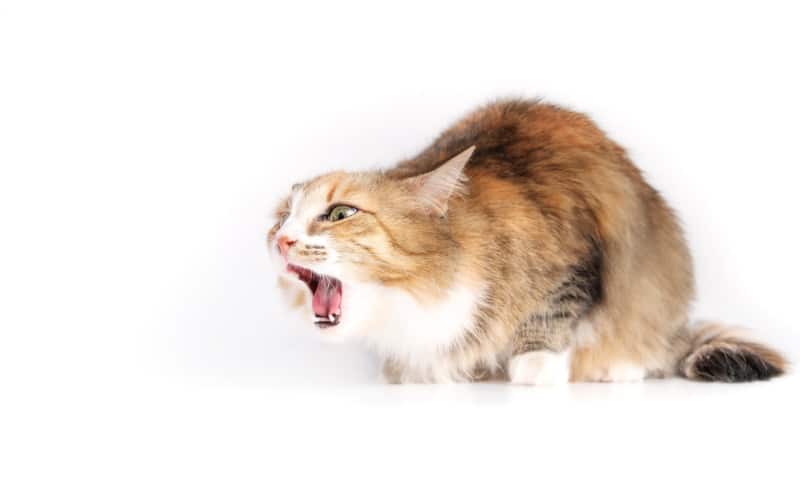
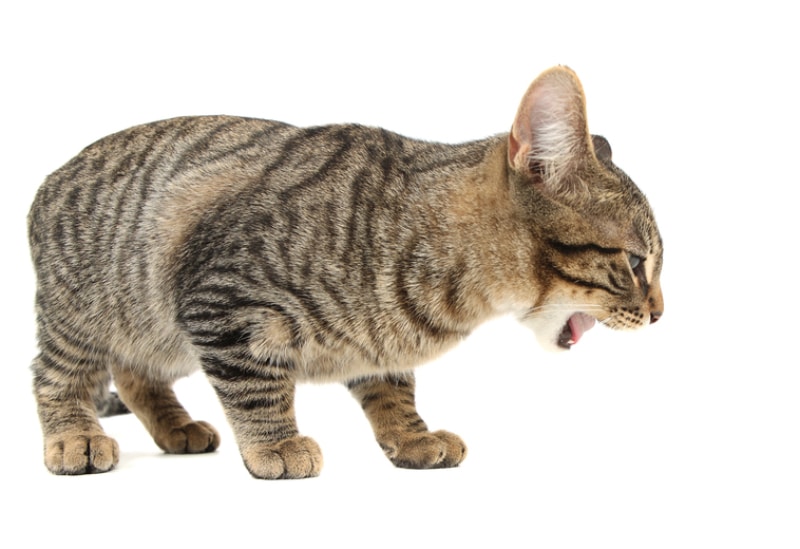
First, your cat may gag and eventually cough up a bullet-like particle that is the same color as its hair, which contains fur and normal stool. In addition to gagging and vomiting, your kitty may exhibit:
Contact your family vet whenever your cat displays the above signs to confirm the hairball because the signs can indicate other health conditions. It would be best to keep a diary of how often your cat regurgitates the hairballs and the other signs it displays.
Your vet may require the feline's history of hairball regurgitation before performing physical exams, ordering blood work, X-rays, and radiographs to check for the feline's intestinal tract obstruction. The vet will treat the gut blockage immediately or call for surgery before it turns deadly for your cat.

Treatments of Hairballs in Cats
Although no permanent treatment can prevent hairballs, you can put measures in place to reduce their likelihood and frequency. There are several treatments that various veterinary authorities recommend, depending on the severity and urgency of the condition.
1. Use a Hairball Preventive or Laxative
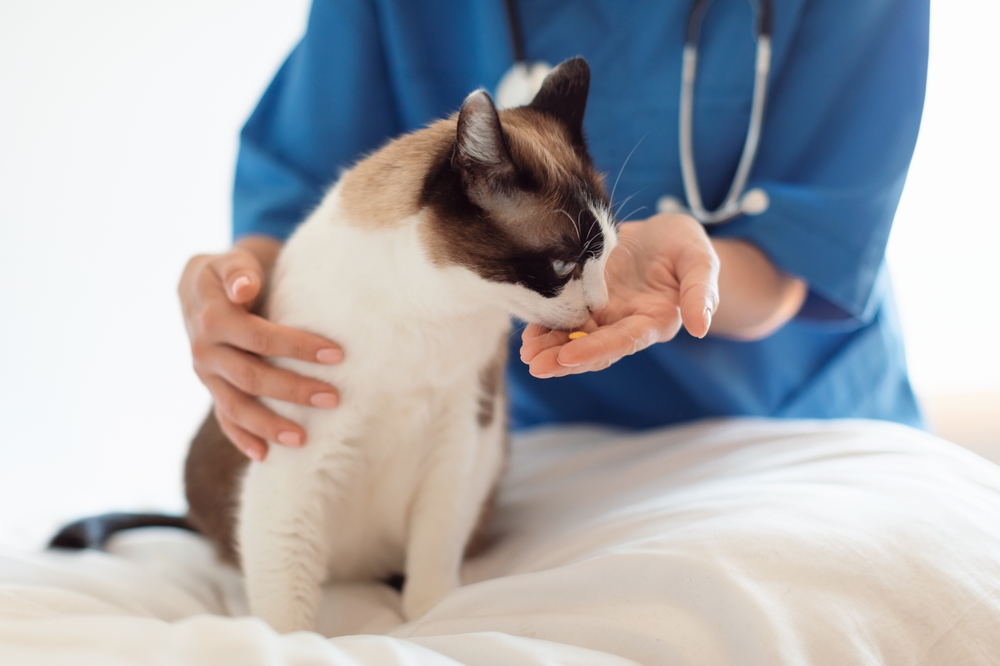
You can find laxatives in the market, such as Cat Lax, that help move the hairballs down the digestive tract and prevent them from occurring. The laxatives can be mild and usually treat the problem at its root: the coat.
These hairball gels and pastes contain petroleum jelly and mineral oils not absorbed into the cat's digestive system if ingested. Instead, they act as a lubricant so the hairball can pass unobstructed. The good thing is that most kitties enjoy the taste and consider the laxatives and ointments a treat.
Cat parents can apply these hairball preventives and gels on the cat's coat twice or thrice a week for it to lick off their paws.
Although laxatives effectively enable the passage of stubborn hairballs, it would be best for cat parents to administer vet-approved preventives only. Plus, you should not use this treatment with food to avoid interfering with and affecting your cat's regular diet.
2. Groom Your Cat Regularly
Cats like and swallow loose hair frequently. You can help reduce the amount of ingested hair and prevent regular hairballs by combing or brushing the cat's coat several times a week. The more hair you can remove, the less hair your cat ends up ingesting.
Regular or daily grooming helps the cat shed loose hair and provides a fun moment for you to bond with your feline friend.
You can take the cat to a professional groomer for a grooming session and haircut twice a year, especially if your cat is long-haired if your other commitments prevent you from grooming it regularly.
3. Change of Diet
Thankfully, many pet food manufacturers today make specialized hairball-reduction formulas and cat foods. Excellent examples include Greenies Feline Hairball Control, Iams Proactive Health Hairball Care, and Purina ONE Hairball, among many others.
Introducing your cat to this specialized diet will help your kitty to pass and eliminate the fur build-up from the digestive system.
A vet may recommend high-fiber formulas known to boost the health of your cat's coat, keep the digestive system functioning as it should, and reduce shedding.
Only change your kitty's diet, use commercial diets, or introduce your cat to hairball-reducing treats after approval from a vet.
4. Discourage Excessive Grooming
Yes, hairballs in cats can be a result of compulsive grooming. While these animals naturally groom themselves, you can help reduce how often they do it by initiating other recreational activities that keep the cat occupied.
You can train them to get used to playing with cat toys, running outdoors, and playing with you to take up the time they may otherwise use to lick its coat.

5. Surgical Removal
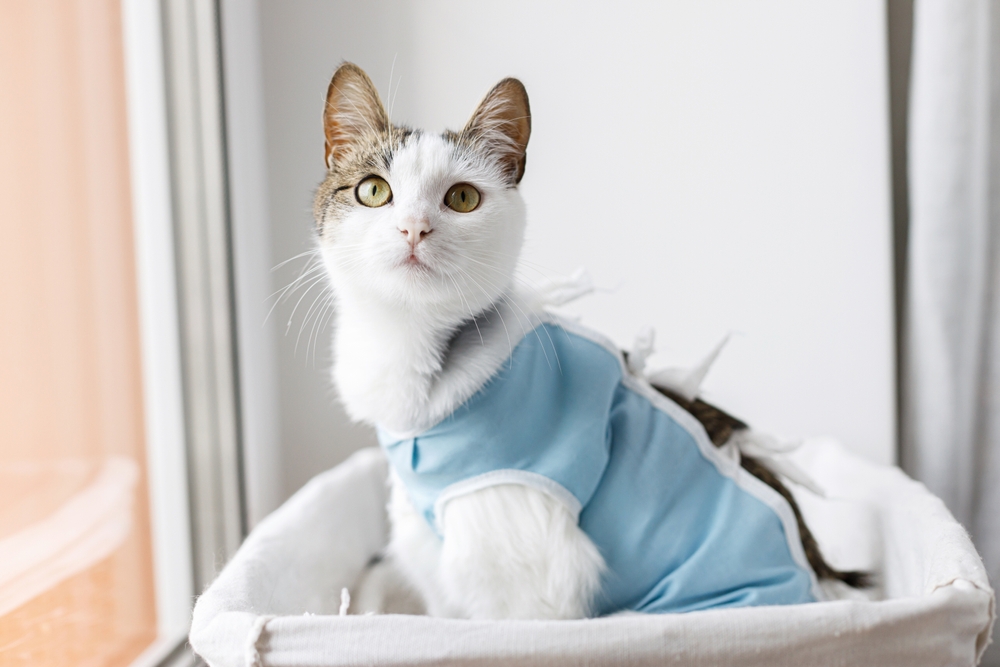
Unfortunately, your cat may require surgery to dislodge the hairballs in its system. Vets recommend this treatment plan if the condition is severe and life-threatening. Surgical procedures usually happen immediately after the diagnosis to prevent fatalities.
6. Controlling Food Portions
Sometimes, cats pick hair in their food while eating. It is possible because cats can shed hair into their food.
It would help if cat parents fed their pets multiple small meals rather than one or two huge meals in a day to reduce the cat's time at the food station and prevent shedding, ingestion of fur, and formation of hairballs.
7. Feed Your Cat Hypoallergenic Food
Allergies could also cause excessive shedding that results in hairballs. If you start noticing hair in your cat's stool or cough-up, it will help to feed your pet hypoallergenic cat foods exclusively for some time.
Hypoallergenic foods you can feed your cat include Addiction Grain-Free Salmon Cat Food, Royal Canin Cat Food, and Hill's Prescription Diet Cat Food.
If these foods don't seem to work, check with a vet and talk to them about less-allergenic prescription diets before ruling out allergies as the cause of frequent hairballs.

What to Do After a Cat's Hairball Treatment
Hairball and intestinal obstruction treatment can guarantee your cat's full recovery, although it may take some time. It would be best to conduct a follow-up appointment with a vet to ensure the kitty responds well to treatment and hasten recovery.
A follow-up plan is mandatory, especially if the vet recommends a surgical treatment. A vet will check the cat's healing progress and suggest ways to prevent hairball concerns in the future.

Summary
Finding a cylindrical pile of fur in your cat's vomit or stool is not only disgusting, but it could also be a sign of an underlying health concern.
You can reduce the prevalence of hairballs using dietary plans like high-fiber and hypoallergenic cat food. Better still, you can prevent hairballs using simple and non-dietary hairball remedies like regular grooming and gel application.
But before starting any treatments, consult a vet first, as your kitty may even need surgery to alleviate the condition immediately.
Featured Image Credit: Tom Wang, Shutterstock

Expert cat care, straight to your inbox
Vet-reviewed advice, behavior tips, and the best of Catster. Free, and you can unsubscribe anytime.
By signing up, you agree to our Terms & Conditions and Privacy & Cookies Policy.
Christian started writing for a local newspaper as a teenager, and he's been involved in the publishing industry for most of his adult life. Combining his love of writing with a passion for animals, he is currently the Director of Editorial at Pangolia and the Editor-in-Chief at Catster.
Christian lives in the Philippines with his wife, son, and four rescue cats: Trixie, Chloe, Sparky, and Chopper.
Join the conversation
Ask a question, share your story, or send private feedback.