How to Tell the Difference Between a Cat Hairball & Cough: Vet-Reviewed Facts


In this article
Seasoned cat owners could hear a cat retching up a hairball from a mile away, but the sound might sound like a cough to an inexperienced owner. However, these two things are different, and it’s essential to tell the difference between them; your cat’s health depends on it! This article goes over the key differences between a hairball cough and a regular cough.

How to Tell if Your Cat Has a Hairball
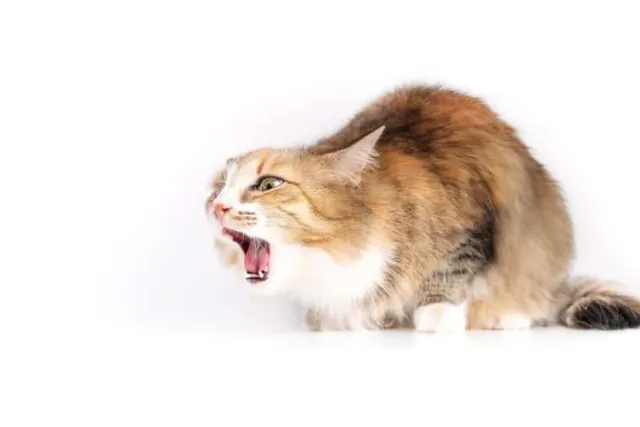
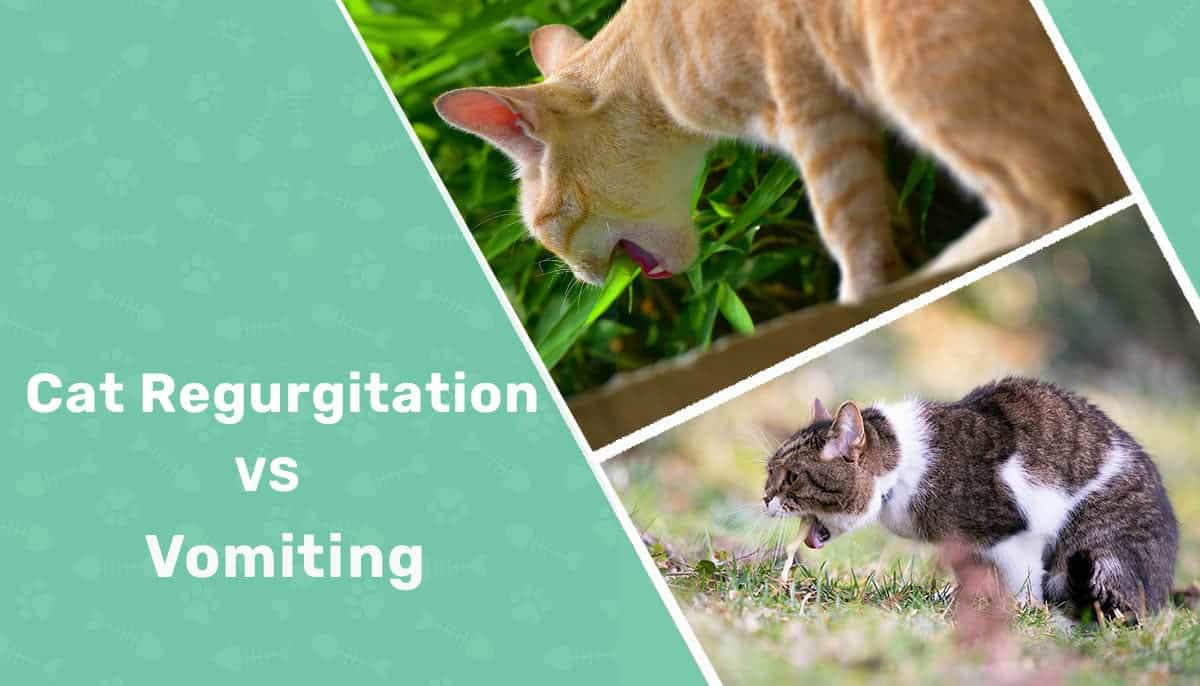
If your cat has a hairball, it will start making a deep, throaty “ack aaaaaccckkk” sound. This sound should come from deep in the diaphragm and will be accompanied by a smooth, repetitive stomach contraction as the body tries to expel the hairball from the stomach.
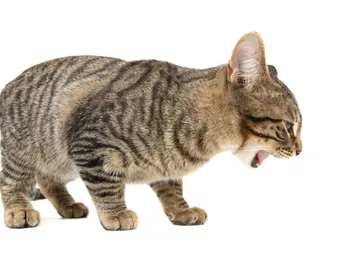
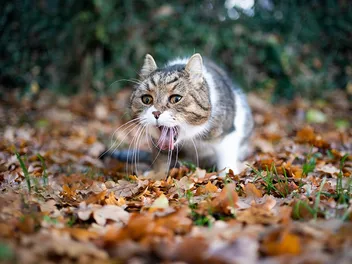
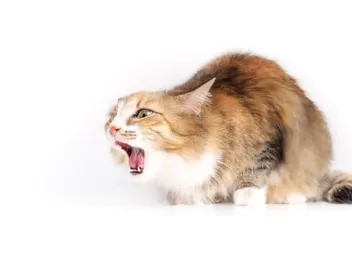
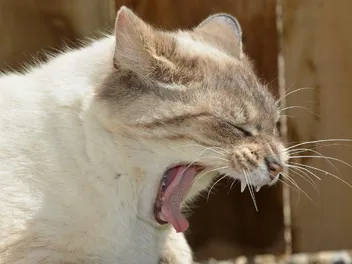
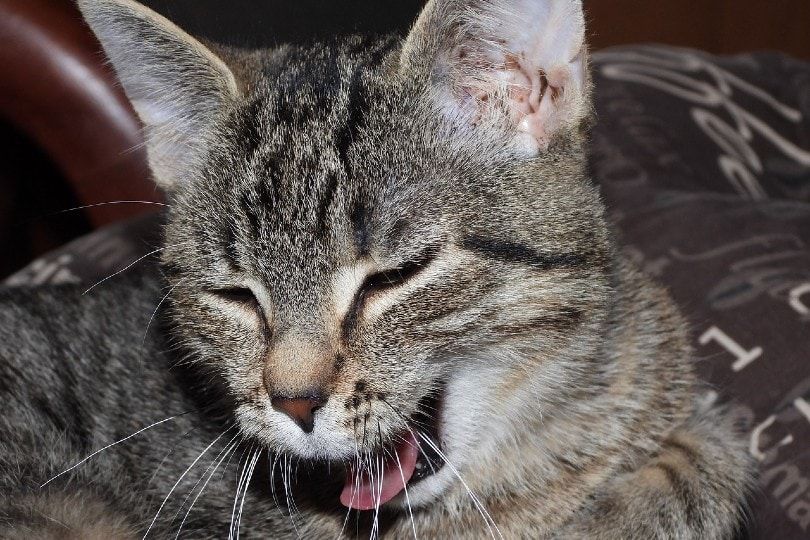
Your cat shouldn’t shake or tremble when coughing up a hairball. The retching motion should be relatively clean and—again—repetitive. You can usually tell when your cat is retching because they’ll extend the neck, open their mouth—sometimes with the tongue out—and hunch their back over as their stomach contracts.

How to Tell if Your Cat Has a Cough
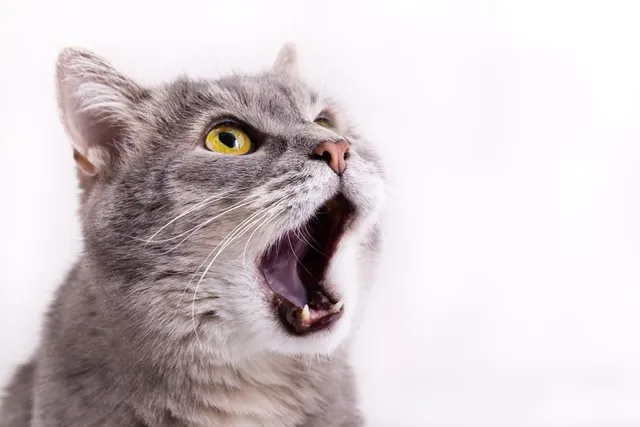
If your cat has a cough, the organs affected are different from those affected by a hairball. The hairball affects the stomach, producing that deep “aaaackkkk” sound from the diaphragm, while a cough affects the airways and lungs, making a raspy, short “hack! HACK!”
If your cat has a cough, you’ll also see different body movements. While retching produces a smooth, repetitive contraction, coughing produces a short, jerky shaking motion that affects the whole body. A cat that is coughing will likely be tensed up throughout most of the muscles, while a cat retching is more likely to undulate through the body as the stomach contracts.
If you're concerned about your cat's health we suggest you speak to a vet.
Causes & Treatments for Hairballs in Cats
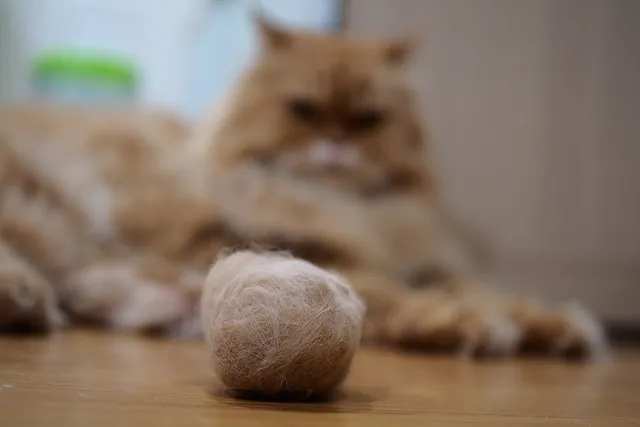
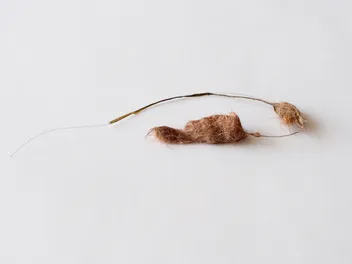
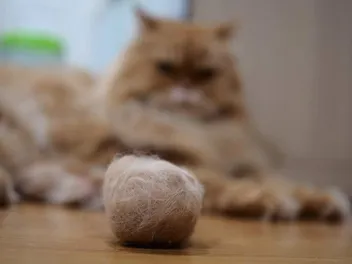
Hairballs develop when cats ingest their fur during grooming. The size, shape, and color of the hairball will vary based on the individual. However, it’s not uncommon for hairballs to appear slimy and mucous-covered since they’re just masses of hair covered in stomach fluids.
While hairballs may seem like a typical cat occurrence, they shouldn’t happen frequently. If your cat has a hairball more than once a month, that’s a pretty good sign that something isn’t right with their digestion. Alternatively, it may be caused by overgrooming or your cat’s fur length.
You can treat hairballs with over-the-counter medications like Laxatone, which lubricates the stomach’s contents to allow them to pass through the intestinal tract more easily. Laxatone also contains a mild laxative to push the stomach’s contents through the intestinal tract faster, preventing the hair from building up.
Brushing your cat frequently can also help reduce the number of hairballs they experience by removing shed fur from the coat before it can even get into your cat’s digestive system. It’s important to treat hairballs at first sight since they can grow in size to the point where they need to be surgically removed in rare cases.

Causes & Treatments for Coughing in Cats
Coughing can be a symptom of many different ailments for cats. The most common cause of coughing in cats is inflammation of the respiratory tract—the airways and lungs—like bronchitis. Cats can also develop asthma, which can be life-threatening if not treated properly.
Respiratory inflammation may be due to allergies to pollen or food, cleaning supplies, and even dust and cat litter. Alternatively, the cat may be experiencing a disease of the respiratory tract, such as cat flu.
Rarely an object may become lodged in the windpipe—more commonly referred to as choking, this is an emergency.
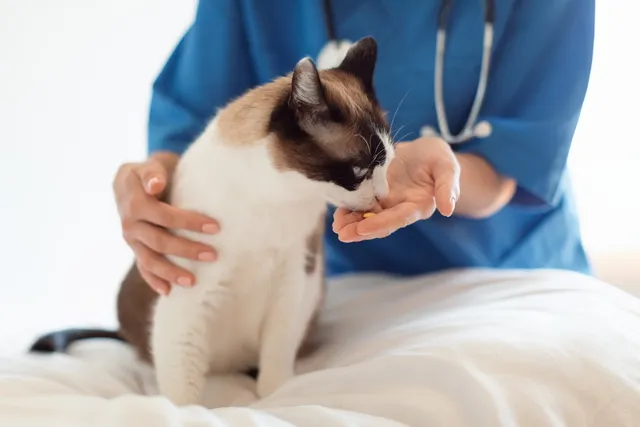
Cats may also cough when they’re afflicted with congestive heart failure. Overall, if your cat is coughing, it’s best to get them to the vet. Your veterinarian will be able to tell if your cat needs to be kept for observation, have X-rays, or be treated for any severe illnesses.

Final Thoughts
It can be worrisome when we think our pets are sick. Luckily, it’s pretty easy to tell the difference between a cat that’s retching up a hairball and one that’s coughing because they’re sick. If you think your pet is ill, call your veterinarian first. They have the most hands-on experience with your cat and will be able to tell if something isn’t right.
Featured Image Credit: Ada K, Pixabay
Expert cat care, straight to your inbox
News, insights, and useful advice, delivered to you.

No spam — unsubscribe anytime.
By signing up, you agree to our Terms & Conditions and Privacy & Cookies Policy.
How useful was this post?
Click a star to rate. You can leave written feedback afterwards. (We read all feedback.)
Luxifa is a freelance writer with a passion for animal science and technology. She loves to share the world of animal science with people to help them make informed decisions for themselves and their pets. Luxifa has worked in professional pet care for over six years and strives to help change the world of pet care by bringing the information people need to them in terms they can understand. Knowledge is power, and Luxifa loves to help everyone become the most informed they can be.