Can Cats Choke on Hairballs? Vet Approved Signs & How to Help Them


In this article
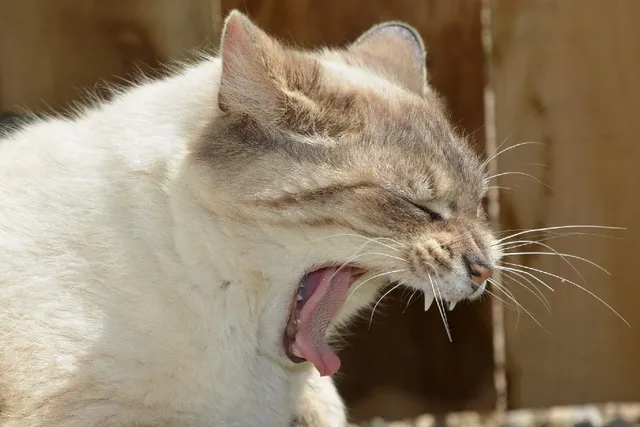
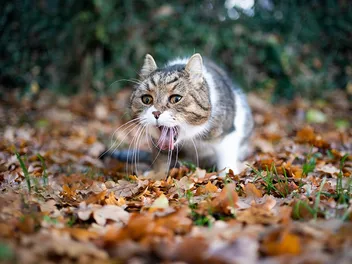
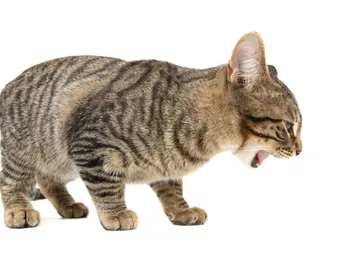
Though watching and hearing a cat coughing up a hairball is a pretty unpleasant and even disturbing experience if you’re new to cat parenting, it’s not unusual for cats to expel hairballs in this manner. But can cats choke on hairballs? In some instances—particularly those involving especially large hairballs—cats can choke on a hairball.
It can take a while for some cats to eliminate a hairball. When a cat can’t pass a hairball, it can lead to dangerous situations like choking or a blockage in your cat’s intestinal tract or stomach. In this post, we’ll give you a heads-up about the symptoms of choking in cats and what to do if your cat is choking.

What Are Hairballs?
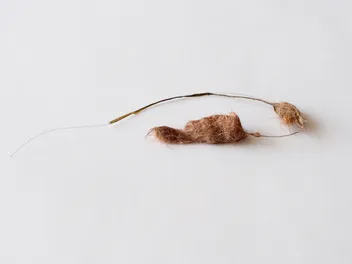
Cats are fastidious about keeping themselves clean, which means self-grooming is a part of their daily routine. When a cat does this, their rough tongue pulls away loose and dead hairs from their coat and the cat then swallows these hairs.
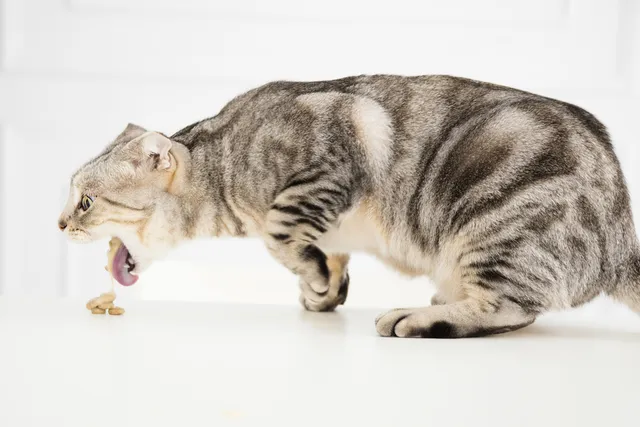
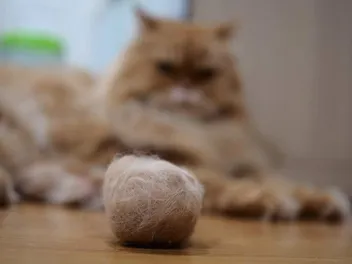
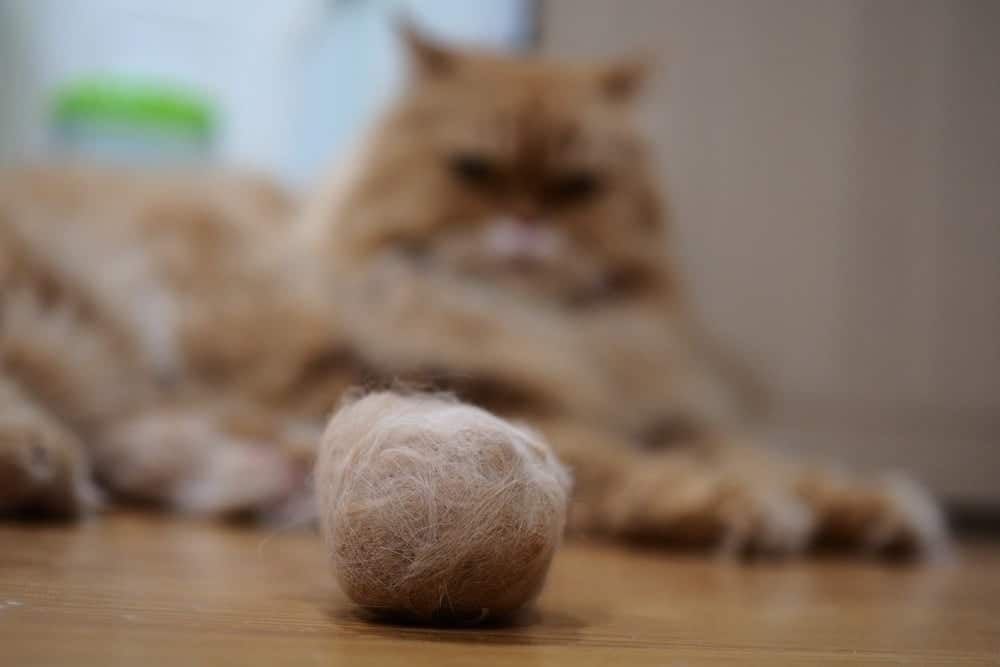
This can cause a buildup of hair in the stomach, which the cat will at some point expel by vomiting. This is what’s commonly described as “coughing up a hairball”. Any cat can have hairballs, but they’re especially common in long-haired cats and during shedding seasons.

Signs of Hairballs in Cats
It’s pretty normal for cats to cough up hairballs now and then.
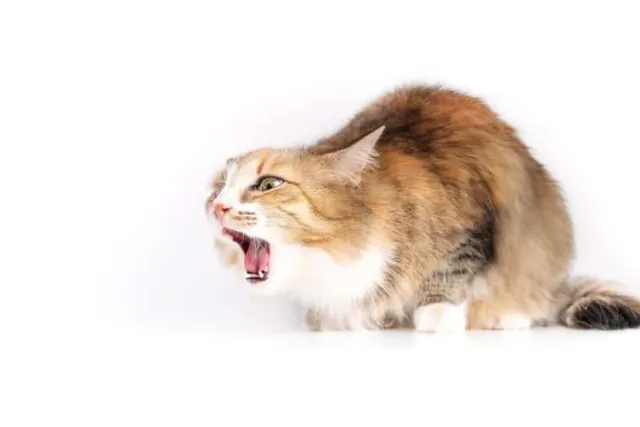
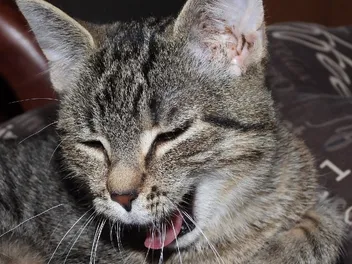
Signs of a hairball include:
When Are Hairballs Dangerous?
Though it doesn’t often happen, in some cases, hairballs can cause an intestinal blockage, which can be deadly if treatment is not sought. Signs of a blockage include vomiting, abdominal pain, not going to the bathroom, lethargy, loss of appetite, and repeatedly gagging without producing a hairball.

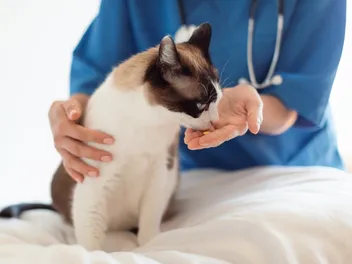
If you suspect that your cat has an obstruction caused by hairballs or another object, please contact your vet straight away to get them treated. Treatment for obstructions often involves removing the hairball surgically, though sometimes an endoscope is used.
Hairballs can also be dangerous if they cause cats to choke.
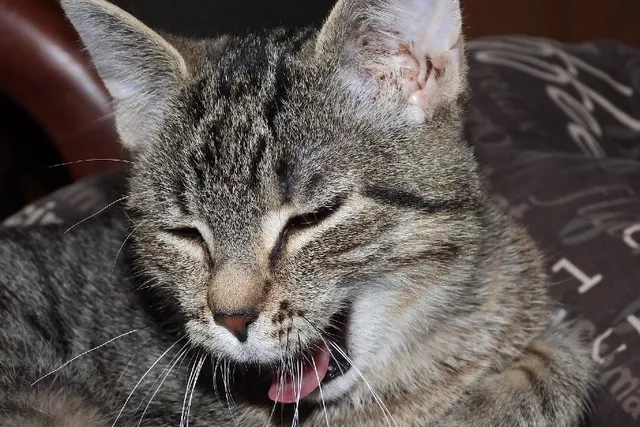
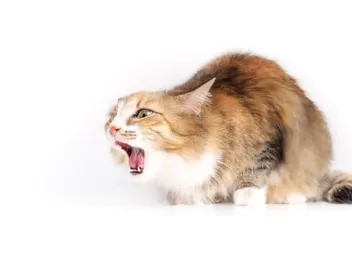
You need to watch out for the following signs of choking:
What to Do if a Cat Is Choking (3-Step Guide)
If you can’t hear air passing through your cat’s windpipe or they’re showing other choking signs, do the following (instructions according to Hill’s Pet’s advice):
1. Wrap Your Cat Up
It’s important to keep your cat still while you help them to avoid injuries to you (i.e. scratching). Wrap your cat in a towel or blanket to restrain them.

2. Look in Your Cat’s Mouth
Look inside your cat’s mouth and see if you can remove whatever is causing them to choke by hand. You can also carefully use tweezers if you can’t get your hand in their mouth. Don’t try to remove anything if you can’t see the object/hairball causing your cat to choke to avoid irritating their throat.
3. Do a “Cat Heimlich Maneuver”
If your cat has collapsed and/or is not breathing, your next step is to do a feline-adapted version of the Heimlich maneuver. Please do this only in the event of a collapse or if your cat has stopped breathing.
Important: If your cat has string stuck in their throat, don’t force it out if you can’t pull it out easily. It's probably stuck on something and needs to be removed by a vet.
Follow these steps:
Final Thoughts
To recap, hairballs are something that every cat coughs up occasionally, but in severe cases, an especially large hairball could cause your cat to choke. A hairball obstruction in the intestinal or digestive tract is also a serious situation that requires veterinary treatment.
For this reason, it’s important to always be vigilant for signs of potential hairball blockages and to be aware of the signs of choking and what to do if your cat does choke.
Featured Image Credit: Montakan Wannasri, Shutterstock
Expert cat care, straight to your inbox
News, insights, and useful advice, delivered to you.

No spam — unsubscribe anytime.
By signing up, you agree to our Terms & Conditions and Privacy & Cookies Policy.
How useful was this post?
Click a star to rate. You can leave written feedback afterwards. (We read all feedback.)
Kit Copson is a freelance writer and lifelong animal lover with a strong interest in animal welfare. She has parented various furry beings over the years and is currently a proud cat mom of two—one very chilled (unless hungry) Siamese and a skittish but adorable Domestic Shorthair—and dog mom of one—an adopted Bichon Poodle cross. When not writing about or spending time with animals, Kit can be found doodling in her sketchpad, reading, or more often than not, drinking tea.