What Does a Cat Hairball Look Like? Vet-Reviewed Facts & FAQ


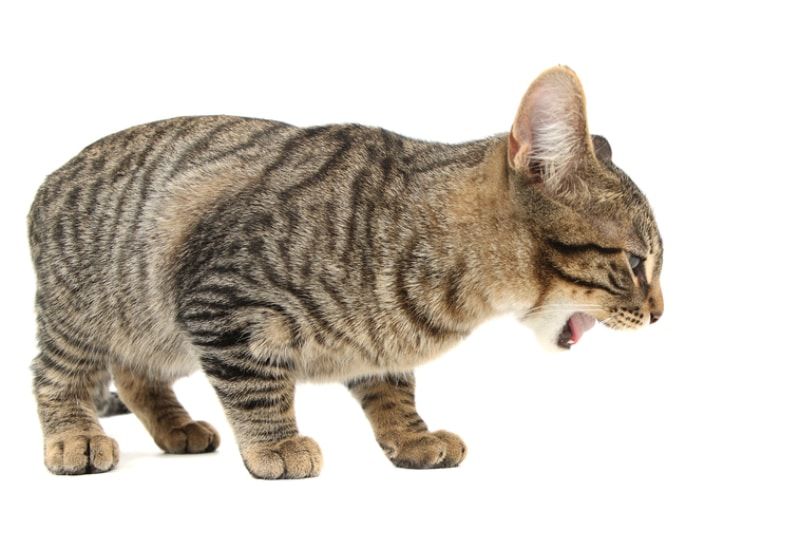
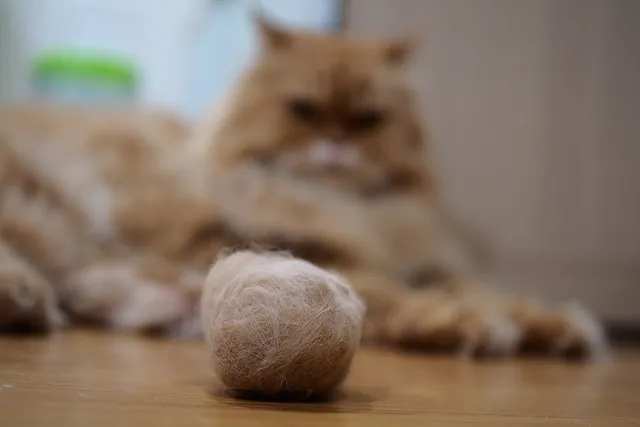
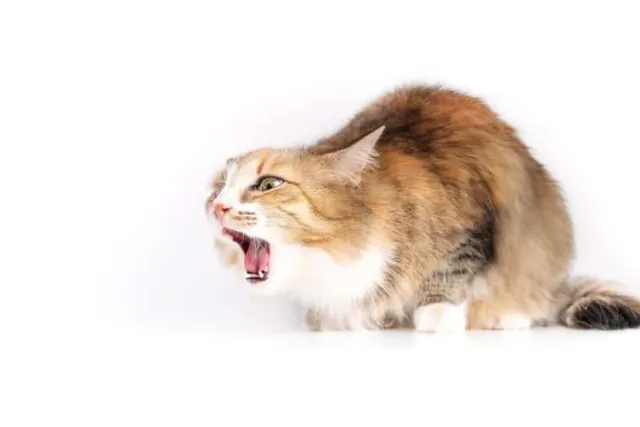
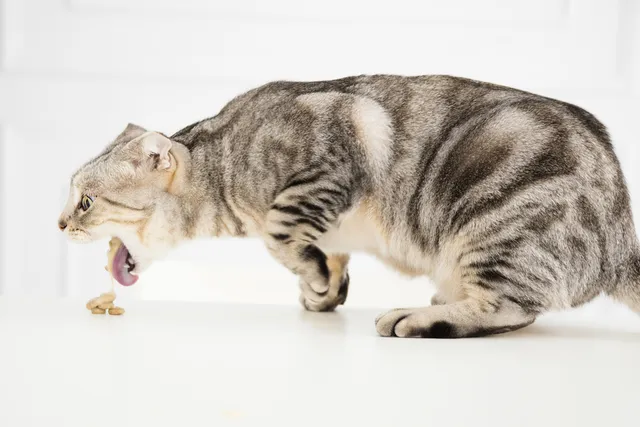
The sound of a cat retching up a hairball will get most pet parents moving at lightning speed to protect their beloved furniture, clothes, and anything else their demon-spawn cat might want to puke on. However, new cat owners might be a bit befuddled when it comes to hairballs since they don’t look anything like the name implies.
Curious to learn more? Keep reading!

What Do Hairballs Look Like?
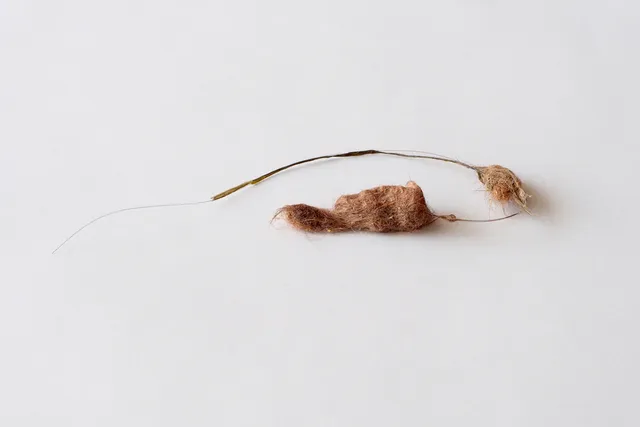
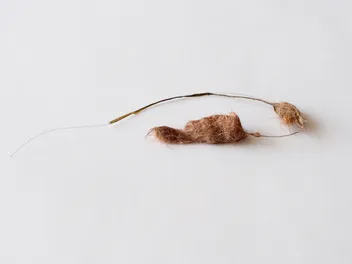
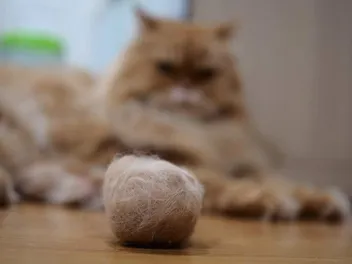
By the time a cat’s hairball hits the floor, it’s unlikely to look like a ball at all. It’s more likely to look like a mucousy tube of hair based on the length of your cat’s fur. The fur contained in the ball might be a little bit discolored from sitting in the cat’s stomach acids for however long. It could also be darkened by the color of food or bile. It’s easy to understand why this occurs when we look at the origin of the hairball.

Where Do Hairballs Come From?
Hairballs are a result of your cat’s grooming habits. Cats groom their fur using their tongues. While this might seem a little bit gross, it’s very effective as cats are one of the cleanest animals you can get! However, when your cat grooms their fur, they ingest some of the shed fur that comes off on their tongue.
Despite this behavior dating back to when they first evolved, they never evolved a digestive system that allows them to digest the fur. Generally, the fur passes through the gastrointestinal tract undigested and is excreted in their feces. However, in some cases, the fur that doesn't pass entangles and builds up in the stomach.
In these cases, the hairball will be expelled from the stomach through the esophagus. In extremely rare cases, the hairball may be too big to be excreted from either end and may require surgical intervention to remove it. However, these cases are quite rare, and most hairballs will be expelled naturally in time.
In most cases, the hairball is the result of a cat’s grooming and doesn’t have any insidious implications for your cat’s health; this is especially true for long-haired cats whose hair is harder to pass through the digestive tract because of length. However, frequent hairballs can be the result of obsessive-compulsive disorder in cats.

Obsessive-Compulsive Grooming in Cats
The occasional hairball isn’t anything to worry about with cats. They spend upwards of 30% of their days grooming themselves in some way. With all that time spent grooming, they’re bound to ingest a fair bit of their own hair.
However, frequent hairballs are often caused by obsessive-compulsive grooming. Grooming helps soothe cats and can become an obsession for cats who have anxiety. Since grooming makes them feel safe and calm, they may do so excessively to the point of causing themselves to develop frequent hairballs from obsessive grooming.
Cats who groom obsessively may also experience skin sores, bald spots, and other signs of trauma to the skin and fur from overgrooming. Much like people can wash their hands until they turn red, cats can also groom away necessary skin oils during obsessive grooming sessions.

How to Handle Hairballs in Cats
If your cat has frequent hairballs, the first order of business is ensuring that your cat doesn’t show any signs of overgrooming or illness that might be causing their hairballs. While the occasional hairball is nothing to worry about, your cat shouldn’t be getting hairballs more than once a month. Regular hair brushing and a diet high in moisture content are the best ways to prevent hairball formation. Ensuring that your cat has access to cat grass and adding a spoon of unsweetened organic pumpkin puree to their diet are great natural ways to help.
Over-the-counter hairball treatments tend to be very effective. These medications lubricate the hair in the stomach and contain a mild laxative to push the hair through the digestive tract before it has the chance to build up into a hairball.

Final Thoughts
Hairballs can be scary the first time you encounter them (and they are a bit gross!). Still, they’re an inevitable part of being a cat owner. So, getting used to handling them and knowing when they’re indicative of a problem is critical to taking care of your cat. If your cat has been experiencing more hairballs than usual, contact your veterinarian. They will be able to make a better judgment call on whether your cat needs medical attention since they have access to your cat’s medical records and know better than we do what behaviors are typical for your cat.
Related Reads:
Featured Image Credit: Suzanne Tucker, Shutterstock
Expert cat care, straight to your inbox
News, insights, and useful advice, delivered to you.

No spam — unsubscribe anytime.
By signing up, you agree to our Terms & Conditions and Privacy & Cookies Policy.
How useful was this post?
Click a star to rate. You can leave written feedback afterwards. (We read all feedback.)
Luxifa is a freelance writer with a passion for animal science and technology. She loves to share the world of animal science with people to help them make informed decisions for themselves and their pets. Luxifa has worked in professional pet care for over six years and strives to help change the world of pet care by bringing the information people need to them in terms they can understand. Knowledge is power, and Luxifa loves to help everyone become the most informed they can be.