How to Help Your Cat Pass a Hairball: 6 Vet-Approved Tips & Tricks


In this article
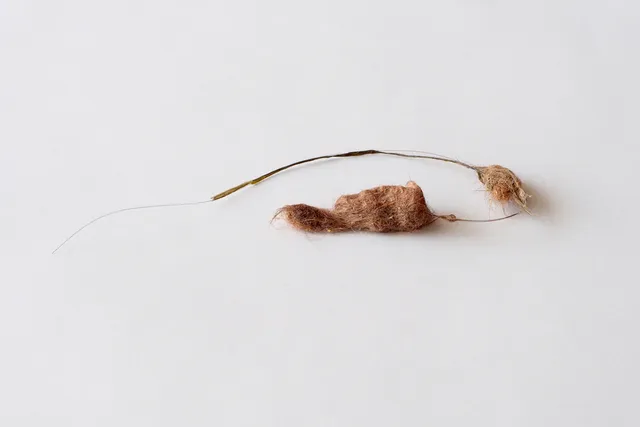
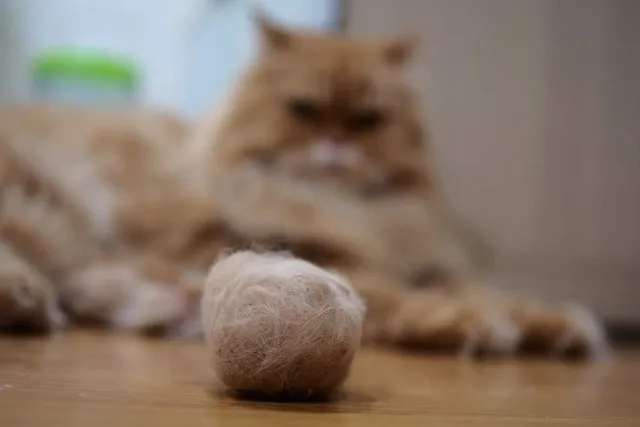
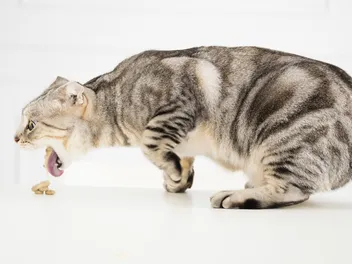
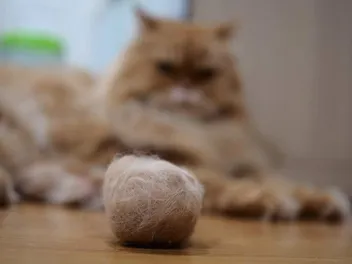
Many cat owners think that hairballs are just a natural part of a cat’s life and that there’s nothing that can be done about them.1 You may be surprised to learn that cats throwing up hairballs isn’t actually normal. While their vomiting an occasional hairball isn’t anything to worry about, it’s more natural for cats to pass hairballs when they poop.
When cat hair has a chance to build up in the stomach, it will eventually become too big and need to be removed. If cats regularly pass hair in their poop, they won’t need to vomit big clumps of hair.
In this article, we look at six ways that you can help your cat pass a hairball when they poop, along with tips to help prevent hairballs in the future.

How to Help Your Cat Pass a Hairball
1. Change Their Feeding Schedule
Many cat owners feed their cats two large meals a day. This may not help their digestive systems work regularly. Feeding them smaller meals more frequently throughout the day can help the fur in their stomach be pushed into the intestines.
Take your cat’s daily food allotment and divide it into four to eight small meals throughout the day. Not only can this keep their digestive system working to remove more hair, but it can also help your cat maintain their weight, feel more satisfied, and have more energy. It has been shown that cats prefer to eat little and often, as this mimics feeding habits in the natural environment.

2. Change Their Food
Switch your cat to a food that is made for hairball control or digestive health. These foods have ingredients in them to help the hair move from the stomach through the digestive tract, so your cat can pass it when they poop. Regularly eating these foods can keep cats from vomiting hairballs regularly. Be sure to transition your cat to a new food properly to avoid stomach issues.
3. Add More Fiber
Adding more fiber to your cat’s diet will help them have an easier time passing hair through their intestines. Talk to a vet about which fiber supplements will be best to add to your cat’s food.
You can also use canned pumpkin. One teaspoon a day can help give them the fiber that they need to pass the hair easily. Just make sure the pumpkin that you use is plain, pure pumpkin and not pumpkin pie filling, which has added sugar and spices that may be harmful to your cat.
4. Use a Hairball Lubricant
Hairball lubricant is a paste or gel that comes in enticing flavors. It lubricates the inside of the cat’s intestines to get the hair moving. Just put a dab of the lubricant on your cat’s paw, and they will lick it off. Talk to your vet before starting this routine to make sure it’s the best solution.
5. Give Your Cat Hairball Control Treats
Hairball control treats give your cat the ingredients necessary to pass hairballs without you having to change their regular food or use a messy gel. Even after your cat has passed the hairball, you can continue giving them these treats to prevent hairball buildup in the future.

6. Use Olive Oil or Fish Oil
Adding fish oil to your cat’s food can help them pass a hairball naturally. A teaspoon of oil every week should be enough to keep things moving. It also helps with coat conditions.

Preventing and Minimizing Hairballs in Cats
Now that you know how to help your cat pass hairballs, there are a few things that you can do to minimize them and prevent them from occurring. It’s impossible to stop hairballs completely because cats swallow hair every time they groom themselves. But with these tips, you can slow their frequency and make them easier for your cat to deal with.
Brush your cat regularly. Your cat may self-groom every day, but the less hair they swallow means less of it will wind up in their stomach. Ideally, you should brush your cat weekly. Brushing daily is even better. The goal is to remove as much loose hair as you can. A bonus is that less hair winds up around your house, too.
Increase your cat’s water intake. This is especially helpful if your cat only eats dry kibble. Cats don’t normally drink as much water as they should. In addition to offering your cat a fresh, clean water source each day, try to encourage them to drink more. Use a water fountain that might interest them more than a regular bowl of water. You can also add water or broth to their food to give them more moisture. The proper amount of hydration will keep their digestive systems working well.
Conclusion
Hairballs don’t have to be a regular part of your cat’s life. We hope that you’ve learned a few tips and tricks that you can start doing today to help your cat pass hairballs and be more comfortable. By following our suggestions for preventing hairballs, you can keep them from returning frequently. Remember to always monitor your cat for signs of changes in behavior. There could be a medical reason your cat is vomiting hairballs more frequently. If you notice anything strange, contact your vet right away. Be sure to talk to your vet before you make any changes to your cat’s diet too.
Related Read: How Does Hairball Control Cat Food Work?
Featured Image Credit: Suzanne Tucker, Shutterstock
Expert cat care, straight to your inbox
News, insights, and useful advice, delivered to you.

No spam — unsubscribe anytime.
By signing up, you agree to our Terms & Conditions and Privacy & Cookies Policy.
How useful was this post?
Click a star to rate. You can leave written feedback afterwards. (We read all feedback.)
Jessica is a lifelong resident of Chicago who has shared her home with furry, feathered, and scaly pets for over 30 years. Animal enthusiast since childhood Jessica owned and operated a pet care company. Nowadays, Jessica is a full-time writer who loves to explore all animal topics while contemplating the birds and squirrels enjoying the oasis of her backyard.