National Hairball Awareness Day 2026: When It Is & How It's Celebrated
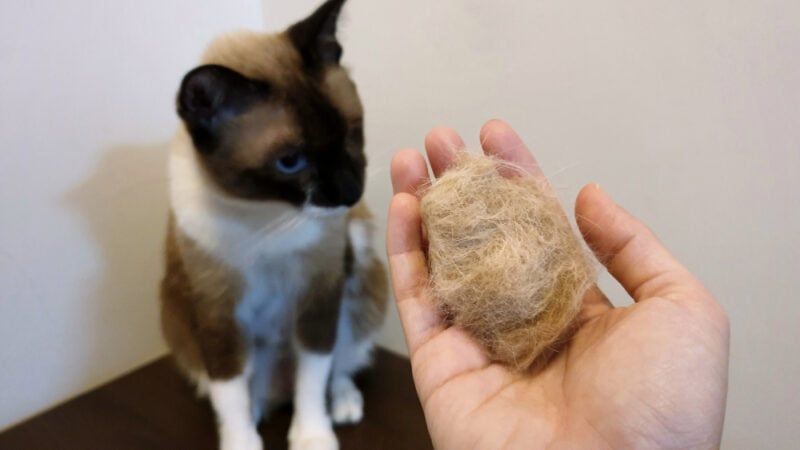
National Hairball Awareness Day was founded by renowned pet nutrition expert Dr. Blake Hawley to help educate cat owners about hairballs and how they can help prevent them. Veterinarians often teach pet parents about how best to treat kitties that experience hairballs often. However, there are a few things that you can also do at home to help. This year, National Hairball Awareness Day will be celebrated on April 24th 2026.

When Is It Celebrated?
This unique awareness day is celebrated on the last Friday of each April. You’ll likely see a few posts or memes on social media around this time to help spread the word. If you do, share it so other cat parents can also learn. If you don’t see a post, create one! Everyone would love to see photos of your kitties while sharing information with others who may not know how to prevent hairballs.

What Are Hairballs?
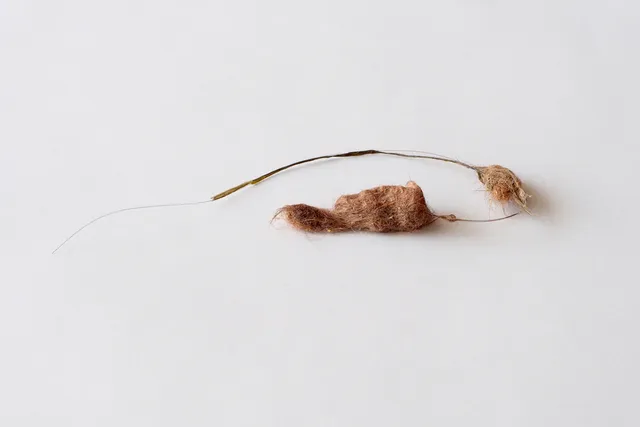
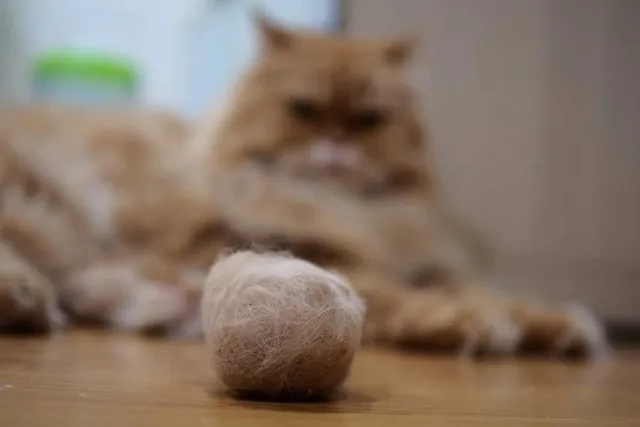
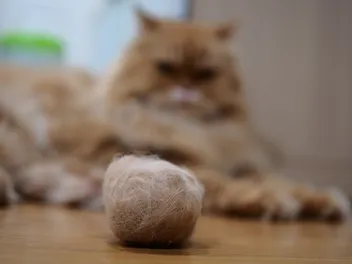
Hairballs in cats are also called trichobezoars.1 Cats naturally ingest fur as they groom themselves, and much of it passes through the digestive system without causing trouble. However, in some cases, it may get stuck in the stomach or intestines. This can happen due to an existing partial obstruction or a disease that causes slower digestion than normal. Hair will then form a large, tangled mass known as a hairball.
Are Hairballs Common?
Cats with long hair are more likely to get hairballs, but any cat may get the occasional one. The anatomy of your cat’s tongue is designed to work like a brush to remove hair. The hair they remove and ingest has the potential to cause a hairball.

But Are They Dangerous?
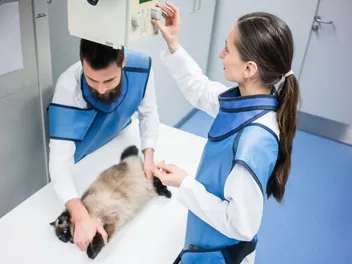
You should become concerned if your cat is experiencing frequent hairballs or if they are particularly distressing for them. Frequent hairballs could be a sign of an underlying health condition slowing down their digestive system or an existing bowel blockage that may be contributing to the problem.
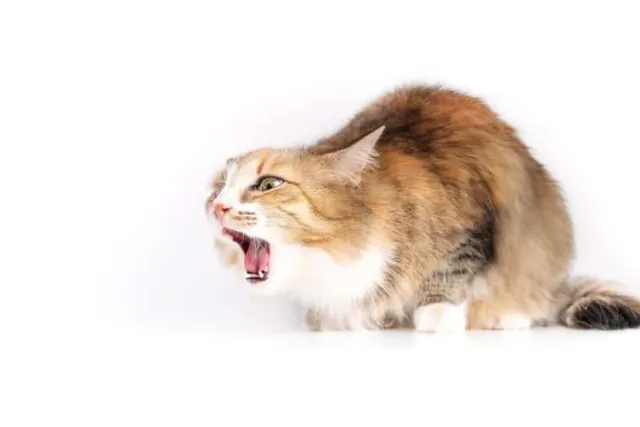
Hairballs may become dangerous if they grow too large for your cat to pass normally or to vomit up, creating a potentially life-threatening blockage. This is rare but more common in long-haired cats, and owners should be aware of the following signs:
- Continued gagging, hacking, or retching
- Lack of appetite
- Lethargy/fatigue
- Constipation or diarrhea
Can Hairballs Be Prevented?
The good news is that there are some things you can do to help prevent hairballs, especially for cats that experience them often. Your first step should be to visit the vet to ensure no underlying health condition contributes to the frequent hairballs. Then, give some of these tips a try.

Groom Them Regularly
Removing as much shed hair from your cat as possible through regular brushing keeps them from detaching dead and dying hair as they groom themselves. Brushing is a great time to bond with your pet as well. If they don’t particularly care for grooming, they may adjust to it with positive reinforcement.
Never brush or otherwise groom your cat forcefully, as it could make them adverse to it. You may consider professional grooming every few months if you can’t brush them at home or if it hasn’t been effective at controlling hairballs.
Some cats groom themselves excessively. Behavioral issues or illnesses can cause overgrooming, so if you notice them licking themselves more than usual, you should make an appointment with the vet. This is especially true if they favor a particular spot and have lost fur. However, you may be able to discourage excessive grooming by reducing stress, treating allergies, or taking medication for a diagnosed thyroid condition.
Change Their Diet
The solution to frequent hairballs may be as simple as changing your cat’s diet. You can adjust their diet in many ways to help prevent hairballs, including food and treats formulated specifically for hairball control. Pumpkin, apples, and carrots are high in fiber and may help your cat’s digestive system work more efficiently. Oily fish like tuna and sardines can lubricate the digestive tract and keep things moving smoothly so that hairballs don’t have a chance to form or cause an obstruction.

Increase Hydration
Just like humans, dehydration in cats can slow digestion and cause other health issues. Humans can go to the fridge and grab a bottle of water. How do you get your cat to hydrate? You can do a few things to encourage your cat to drink more or provide hydration in other ways.
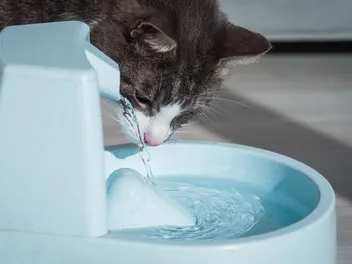
First, ensure there are multiple sources of fresh water throughout the home. You may need to place several water bowls. If possible, make at least one of these a water fountain. Second, try offering wet food, water from tuna, or low-sodium chicken broth to their food as well.
Conclusion
While cleaning up a hairball mess is unpleasant, hacking one up is equally uncomfortable for your cat. If you notice frequent hairballs or that they are struggling to vomit them up, you should first contact the vet for a medical evaluation. If your cat is otherwise healthy, try making changes to prevent hairballs. They will appreciate your efforts, and you will have fewer messes to clean up after!
See Also
Sources
Featured Image Credit: RJ22, Shutterstock
Expert cat care, straight to your inbox
News, insights, and useful advice, delivered to you.

No spam — unsubscribe anytime.
By signing up, you agree to our Terms & Conditions and Privacy & Cookies Policy.
How useful was this post?
Click a star to rate. You can leave written feedback afterwards. (We read all feedback.)

Krysha is the owner of a chatty Tortie cat named Shelly, whom she rescued and cares for. Through her experiences caring for various animals such as dogs, cats, turtles, lizards, hamsters, and fish, Krysha has been motivated to promote awareness about local animal shelters and advocate for simple ways to assist them.