My Cat Has Never Had a Hairball, Is That Normal? Vet-Reviewed Facts & FAQ


In this article
You may hear other cat owners complaining about finding a hairball on the carpet and talking about it like it's just another part of cat ownership, and for many people, it is. However, some cats don't have hairballs. If your cat has never produced an unsightly clump of hair on the carpet, you may be wondering why.
The good news is that it's perfectly normal for your cat to not have hairballs. Hairballs are actually not normal, even though they seem to be so common. Let's learn more about hairballs and what it means if your cat does or doesn't have one.

What Is a Hairball?
It can seem like every cat should have hairballs because of how often they are discussed. They appear to be regular activities for a cat, just like eating and sleeping. But hairballs shouldn't be regular because they aren't natural. In fact, they are expelled from the cat's body specifically because they are unnatural.
Cats have tiny hooks on their tongues called papillae made of keratin. These hooks give cats' tongues that rough, sandpapery texture. These spines can detangle knots, help cats eat, and aid them in grooming.
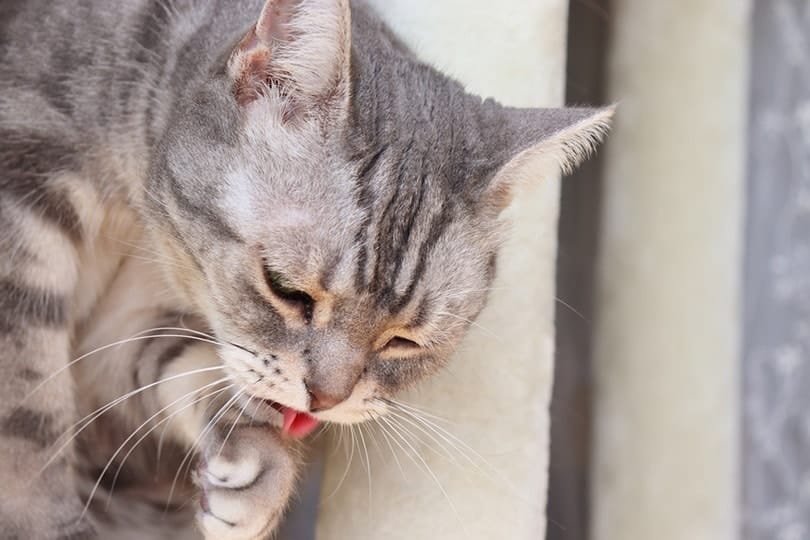
When cats groom themselves, their rough tongues grab and remove dead hair from the coat. This hair then usually ends up being swallowed. Over time, more and more hair gets swallowed. Most of this hair is passed through the digestive tract.
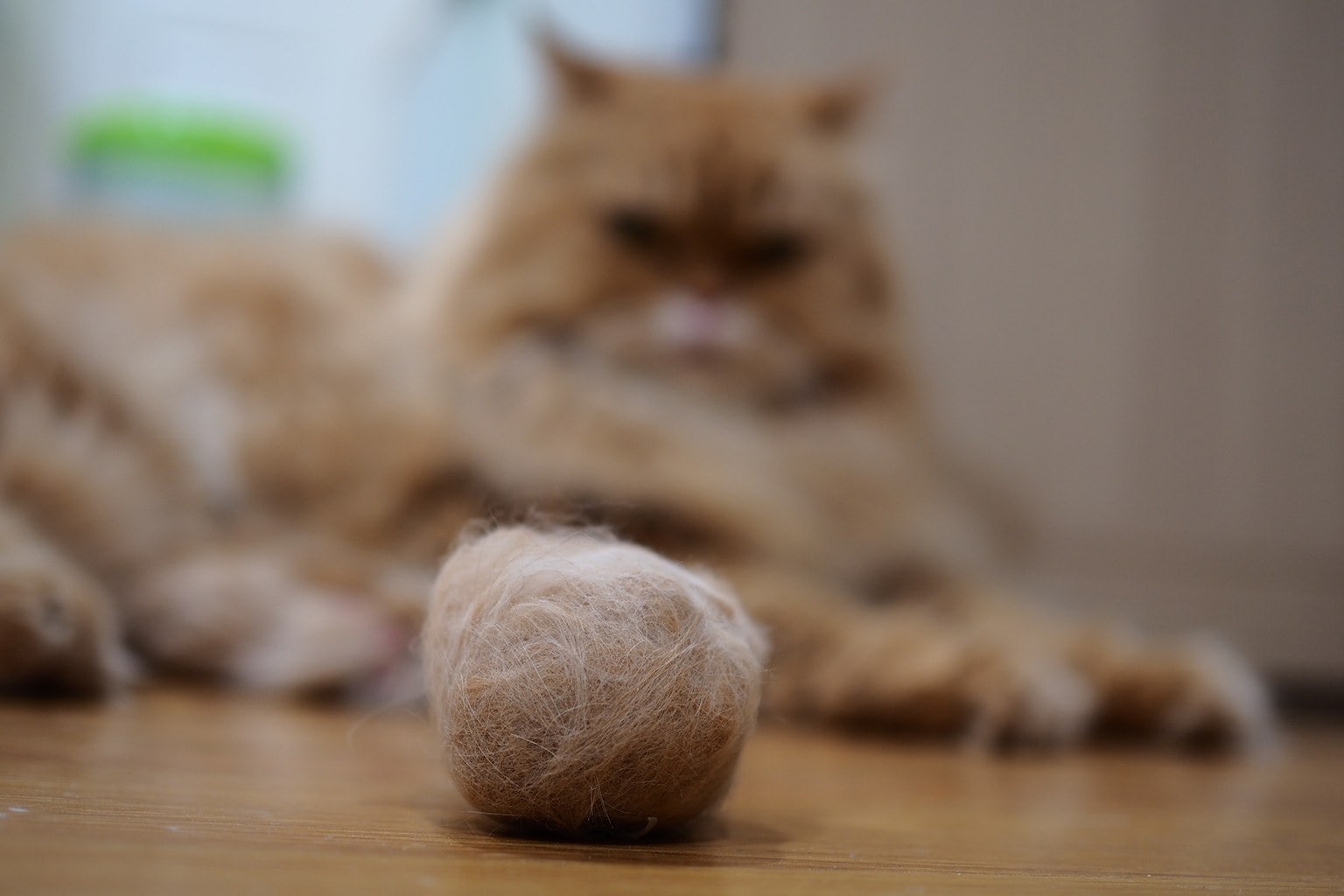
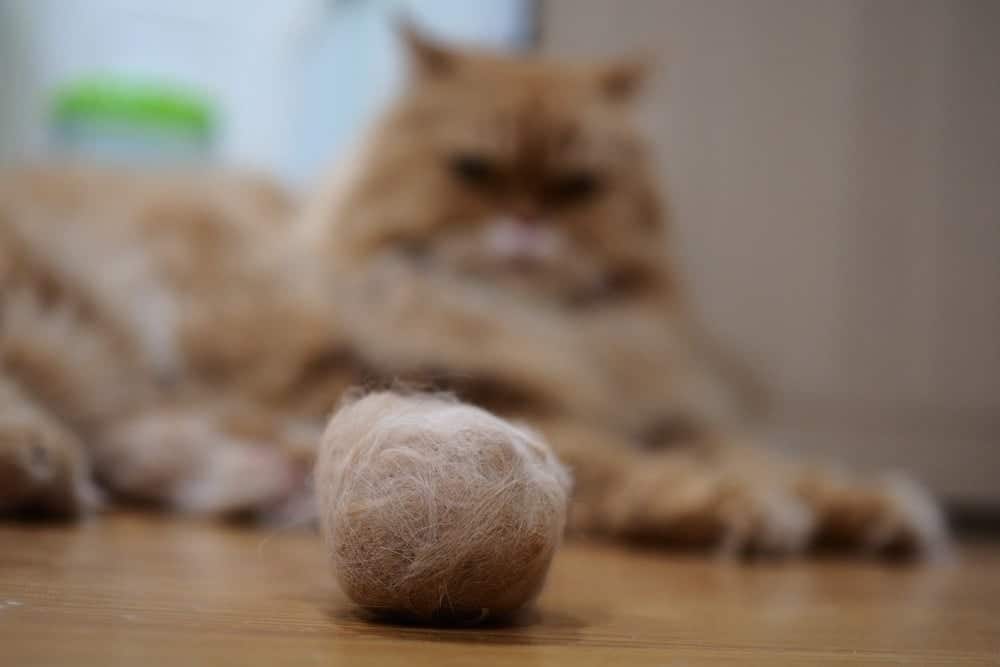
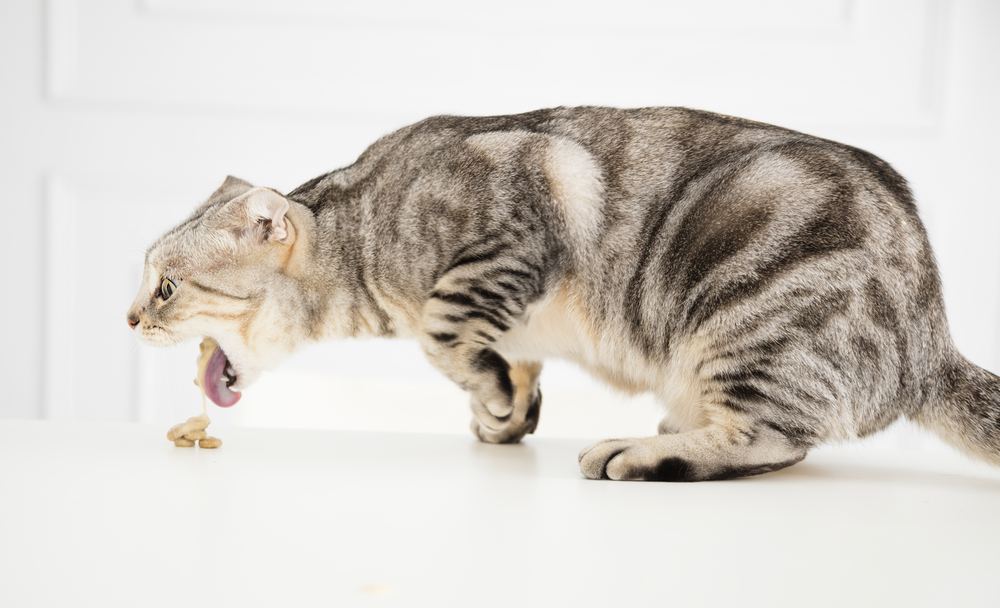
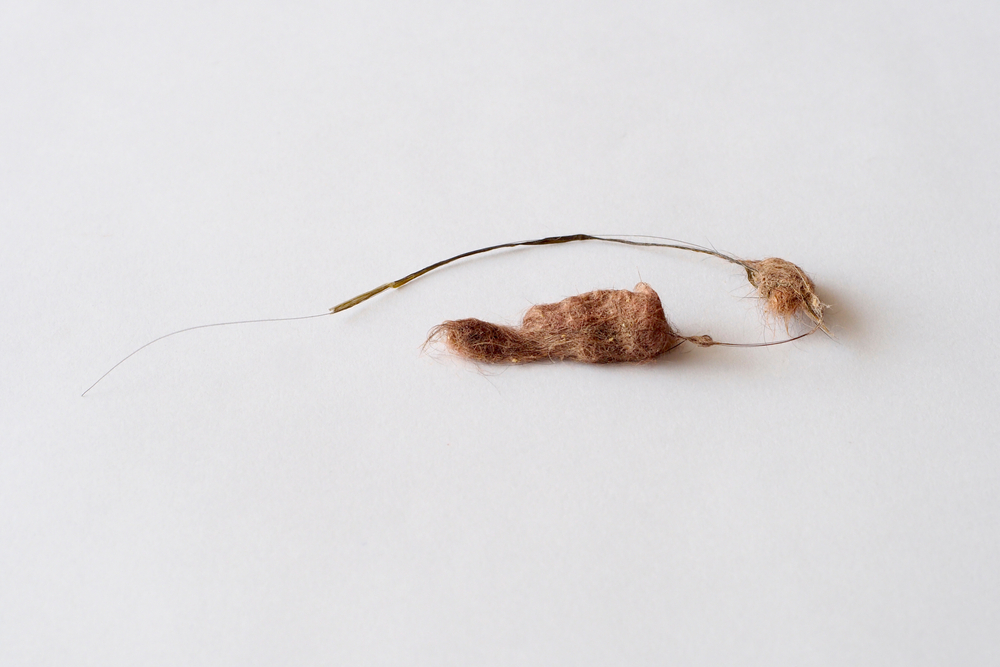
When the hair cannot pass through the digestive tract, it forms a wad in the stomach, known as a hairball, which has to be removed eventually. This is what cat owners refer to as "coughing up" a hairball. What the cat is actually doing is vomiting the hairball.
The hairball passes through the esophagus as it's vomited. This pushes it into a long, tubular shape of hair with a bit of fluid and, possibly, undigested food mixed in.

Why Aren't Hairballs Normal?
Normally, any swallowed hair passes through the cat's digestive tract and comes out in the feces. When hair builds up and needs to be vomited, it could indicate a health issue. Healthy cats should have no more than one hairball per week.
If your cat is vomiting more than this, have them seen by your veterinarian. This is especially true if your cat is not eating, seems lethargic, or tries to vomit without producing anything.

If Your Cat Has Never Had a Hairball
As long as your cat is healthy and acting normally, not having a hairball is nothing to worry about. It simply means that hair is not building up in their stomach. There could be several reasons for this. Maybe the hair is adequately being passed through their digestive tracts. They could also be less interested in grooming than other cats and, therefore, not consume as much hair.
Coughing Up a Hairball
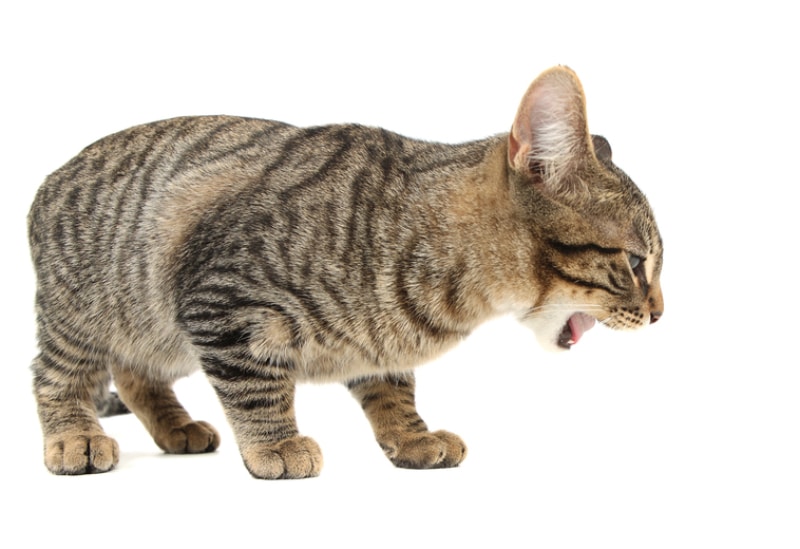
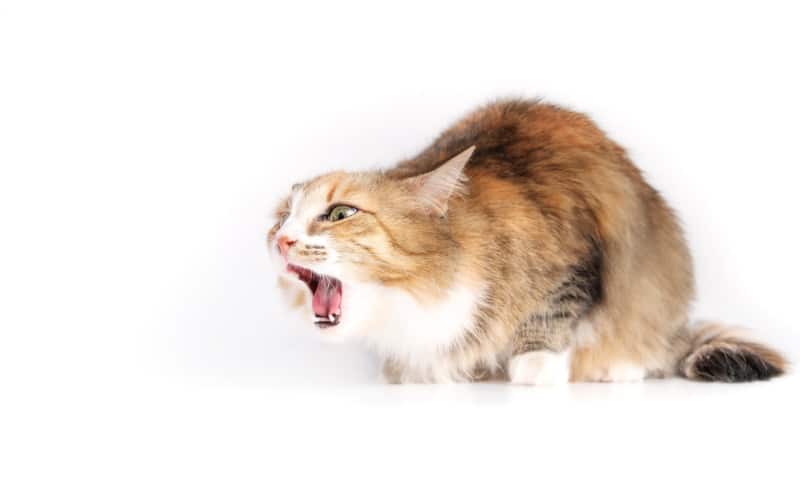
Cats vomit hairballs. They don't cough them up. If your cat is making coughing sounds, it's best to assume that they are not trying to eliminate a hairball. Coughing can indicate other health issues, like respiratory infections and feline asthma. If your cat is coughing, take them to the vet for an examination to rule out any health conditions.
Hairball Blockages
Sometimes, a hairball becomes too big inside the cat, forming a blockage. Nothing happens no matter how hard the cat tries to expel the hairball. Symptoms of a hairball blockage include repeated attempts to vomit with nothing coming out, lethargy, and continued retching. The cat may be unable to digest food and will throw it up hours later. They could also experience diarrhea or constipation.
A hairball blockage is not a common case but does require veterinary assistance. The vet may be able to have the cat pass the hairball with laxatives. If the blockage is too severe, surgery may be required to remove it.
Can Hairballs Be Prevented?
The best way to prevent or limit hairballs in your cat is to brush them regularly. Brushing removes the loose, dead hair that would otherwise be swallowed. Since they're swallowing less hair, any excess won't build up in their stomach or intestines.
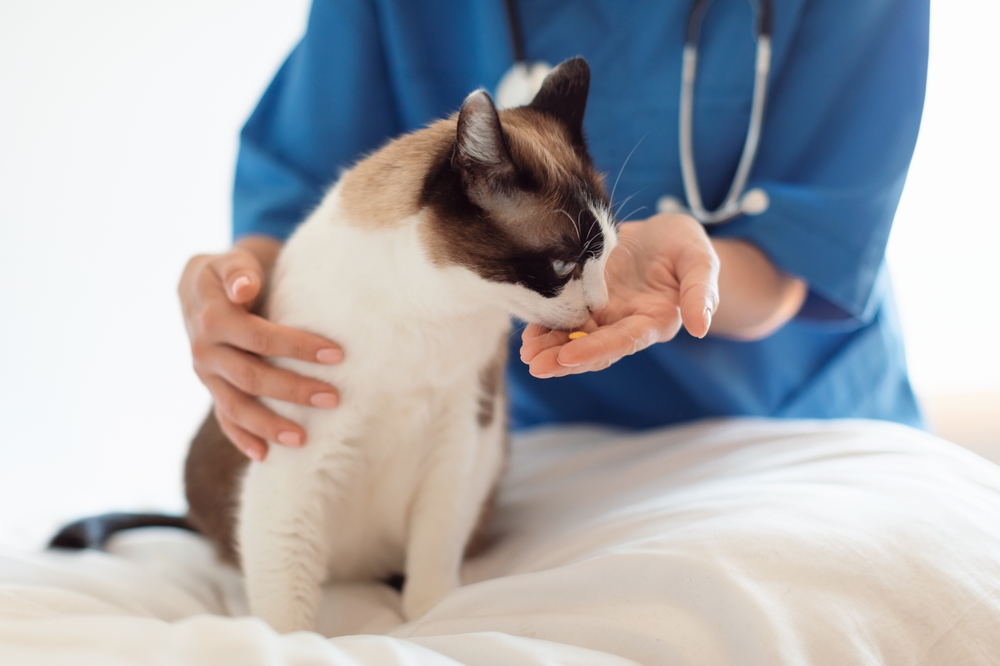
Certain hairball diets and treats are effective at preventing hairballs. Oral medications also work as lubricants to force hair through the digestive tract. High-fiber foods may help keep hair moving through your cat instead of being vomited up. Speak to your vet before starting your cat on anything new.

Final Thoughts
If your cat has never had a hairball, there's nothing to worry about. Hairballs are formed when too much hair collects in the stomach and has to be vomited to be removed. This is unpleasant for both you and your cat, so if your cat doesn't experience this, they aren't missing out.
If your cat is coughing repeatedly or vomiting with nothing coming up, they could be experiencing a health issue. A hairball blockage can occur that can only be treated by a veterinarian. If you notice any signs of a blockage, bring your cat to the vet right away.
Featured Image Credit: Joon Rungtipa, Shutterstock

Expert cat care, straight to your inbox
Vet-reviewed advice, behavior tips, and the best of Catster. Free, and you can unsubscribe anytime.
By signing up, you agree to our Terms & Conditions and Privacy & Cookies Policy.
Jessica is a lifelong resident of Chicago who has shared her home with furry, feathered, and scaly pets for over 30 years. Animal enthusiast since childhood Jessica owned and operated a pet care company. Nowadays, Jessica is a full-time writer who loves to explore all animal topics while contemplating the birds and squirrels enjoying the oasis of her backyard.
Join the conversation
Ask a question, share your story, or send private feedback.