How to Prevent Hairballs in Cats: 4 Vet Approved Methods


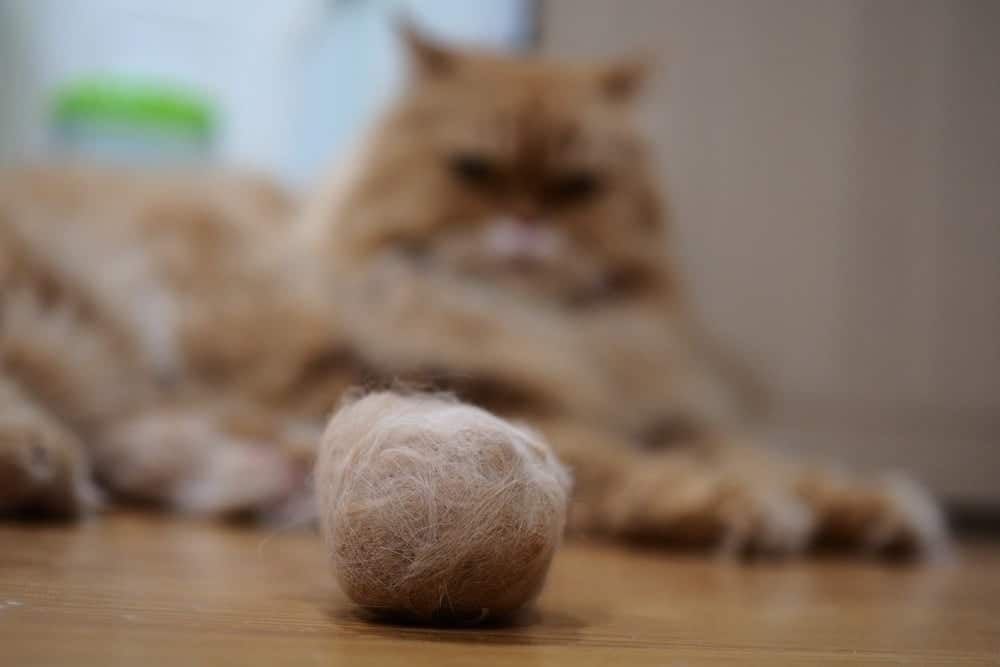
There's nothing like cleaning up a hairball to start your morning, and the ensuing cleanup is sure to leave a scowl on your face for the rest of the day. Luckily, preventing hairballs is simple, and it doesn't take a large monetary or time investment to prevent your cat from frequently coughing up hairballs. However, to prevent hairballs, you have to identify the cause. Understanding the science of hairballs is the first step to conquering them.

What Are Hairballs?
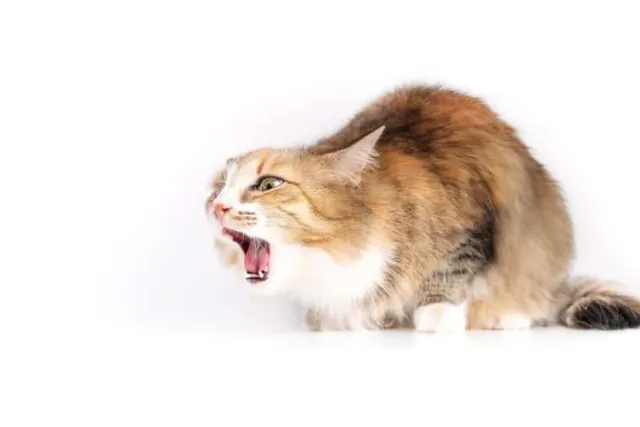
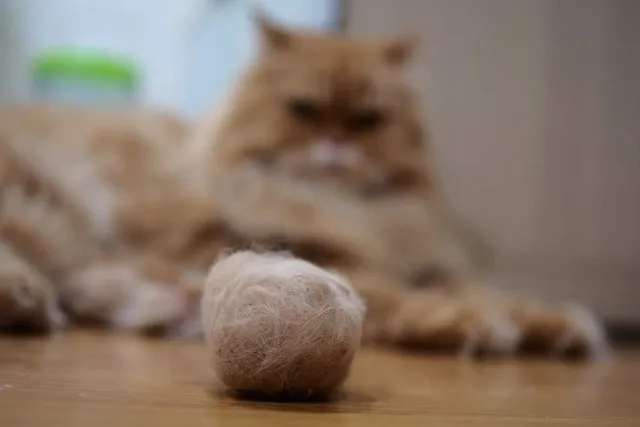
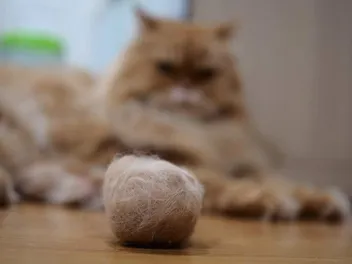
As the name implies, a hairball is a mass of hair your cat throws up. Cats ingest a large amount of hair when grooming themselves, and they groom themselves often! Cats spend about 4% of their days grooming themselves—that's a whole hour every day! A lot of people can barely take a 5-minute shower, let alone lick their entire body for an hour.
Hairballs occur when the hair your cat ingests doesn't get passed through the digestive system promptly. Cats can't digest hair, which normally passes through the digestive system mostly intact. However, if it doesn't move through the digestive system, it can build up and form a massive ball in the stomach.
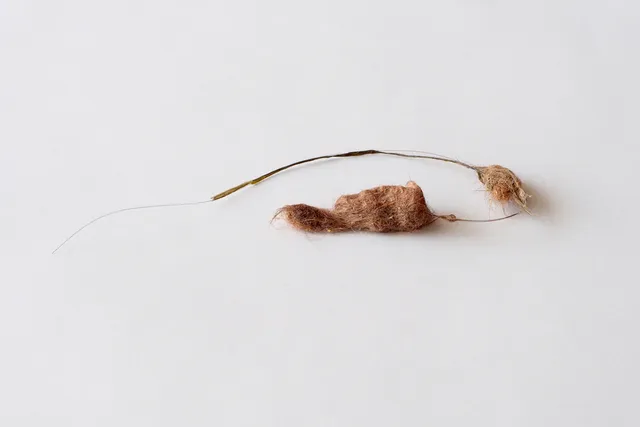
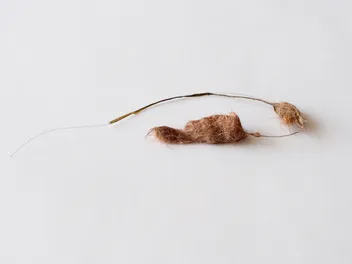
When the hairball hits the floor, it's usually not ball-shaped anymore; it will probably be shaped like a tube. The hairball may be slightly discolored and contain food particles that got stuck in the hair while moving through the stomach.
In most cases, the ball is relatively small and benign when the cat hacks it up. But in rare cases, the mass may become too big to pass through the digestive system and too big to throw up. In those cases, veterinary attention will be needed to remove the hairball from your cat's digestive system.
The 4 Methods to Prevent Hairballs in Cats?
The only way to prevent hairballs is to prevent your cat from ingesting too much hair. You won't be able to get your cat to stop grooming themselves, and you shouldn't try. However, you can help by brushing them with a slicker brush or deshedding tool. You can also give your cat anti-hairball treats, food, or medicine.
1. Deshed Your Cat Daily
Start by brushing your cat every day. When your cat's fur falls out, it will likely get caught in the undercoat, a layer of soft, fine fur that grows close to the skin. If you groom your cat every day or every other day, you'll reduce the hair your cat ingests.
A deshedding tool or slicker brush has sturdy pins or teeth that penetrate deep into the cat's coat and undercoat and capture fur. Deshedding combs, like the Furminator, also pluck out fur that is loose and ready to shed but hasn't fallen out yet. This tool won't just reduce hairballs; it will also reduce the amount of fur your cat sheds onto your furniture and clothing!
Brushing is especially important for long-haired cats.
2. Feed Your Cat Hairball Reducing and Gastro Health Foods and Treats
Another great way to reduce hairballs is to feed meals and treats that promote gastrointestinal health. They contain higher quantities of fiber and help your cat pass hairballs.
By stimulating food and other objects in the stomach to move through the digestive tract quicker, the foods move smaller quantities of hair through the digestive tract more frequently. This prevents the fur from building up in the stomach to the point where the cat will purge the hairball.
Hairball treats generally also contain a mild, edible lubricant that will help protect your cat's digestive tract as the laxative moves the hair through.

3. Give Your Cat Anti-Hairball Medicine
You can give your cat a wide selection of pastes and tablets to improve their hairball situation. Anti-hairball medications usually contain laxatone, a common lubricant medication that lubricates the hair in the stomach and the digestive tract. Laxatone allows your cat to pass hairballs more comfortably and allows larger amounts of hair to pass through the digestive tract easily.
Laxatone is also a mild laxative that will push the contents of your cat's stomach through the digestive tract and stimulate digestion. Your cat will pass a smaller quantity of hair instead of choking up a hairball.
4. Discourage Excessive Grooming
While grooming is a part of being a cat, you can discourage your cat from spending all day licking themselves by playing with them and introducing them to new stimuli. Your cat will need to spend time grooming their fur to stay clean, but you can reduce the amount of grooming they do by spending ample time playing with your cat so they're tuckered out.

Can Hairballs Be an Emergency?
Hairballs can become an emergency. If the hairball is too large, it will not be able to be eliminated from either end of your cat. Additionally, the presence of hairballs can cause other complications like constipation, repeated vomiting, and lack of appetite.
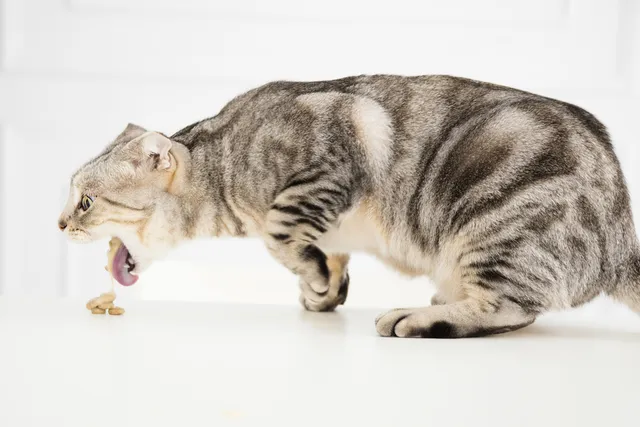
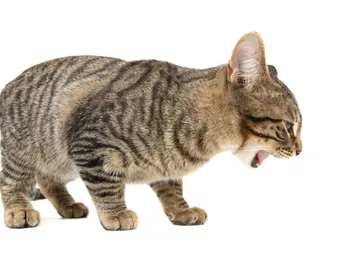
If your cat experiences prolonged vomiting, gagging, or retching without producing a hairball, it's a sign that your cat needs to be seen by a veterinarian. Lack of appetite, lethargy, constipation, and diarrhea are also common signs of intestinal blockage.
Final Thoughts
Hairballs can be frustrating for owners and cats. Your cat doesn't find it pleasant to hack up hairballs, and you should treat them as if they have a medical condition. It's not hard to give your cat a helping hand to prevent hairballs from forming. Doing your due diligence as a cat owner should have your cat feeling tip-top in no time!
Featured Image Credit: Montakan Wannasri, Shutterstock
Expert cat care, straight to your inbox
News, insights, and useful advice, delivered to you.

No spam — unsubscribe anytime.
By signing up, you agree to our Terms & Conditions and Privacy & Cookies Policy.
How useful was this post?
Click a star to rate. You can leave written feedback afterwards. (We read all feedback.)
Luxifa is a freelance writer with a passion for animal science and technology. She loves to share the world of animal science with people to help them make informed decisions for themselves and their pets. Luxifa has worked in professional pet care for over six years and strives to help change the world of pet care by bringing the information people need to them in terms they can understand. Knowledge is power, and Luxifa loves to help everyone become the most informed they can be.