Feline Cognitive Decline: Vet-Reviewed Signs, Diagnosis & Treatment



In this article
Watching your cat age can be devastating. It’s even harder when you notice behavioral changes taking place that your cat doesn’t appear to have any understanding of or control over. Feline cognitive dysfunction is a common condition that occurs in aging cats, and it could very well be the reason your senior cat suddenly exhibits strange behaviors.
If you believe your pet could potentially be suffering from cognitive decline, you need to educate yourself on the signs, causes, and treatment options available. Read on to learn everything you need to know about this condition to make your life easier and your cat’s golden years more enjoyable and comfortable.

What Is Feline Cognitive Decline?
Feline cognitive decline (FCD), also known as cognitive dysfunction or dementia, is a condition seen in some senior cats and is akin to Alzheimer’s disease that affects humans. FCD affects their critical thinking, memory, and behavior and is often to blame for sudden changes in behavior and personality in older cats. Studies show that around 28% of cats between 11 and 14 years will develop at least one behavioral issue stemming from cognitive decline1. This increases to 50% by the time the cat is 15 years old.

What Are the Signs of Feline Cognitive Decline?
Cognitive decline behavioral changes in cats can be summarized using the acronym VISHDAAL.
What Are the Causes of Feline Cognitive Decline?
While the exact cause of feline cognitive decline is unknown, it is generally believed to be the result of age-related brain degeneration. Studies suggest that there are several brain alterations involved in the development of dementia, including vascular changes, compromised blood flow, oxidative damage and the deposition of beta amyloid plaques.1
Age and disease can lead to an excess of free radicals which may cause oxidative damage to the brain. The blood flow to and in the brain may be compromised by blood vessel changes, heart disease, and alterations in the blood’s viscosity. Reduced blood flow to the brain can result in the loss of brain neurons (nerve cells), which are responsible for sending out commands based on the information they receive. Loss of neurons impacts a cat’s thought process as well as their behavior.

How Do I Care for a Cat With Feline Cognitive Decline
While feline cognitive decline is not treatable, there are things you can do to make aging easier and more comfortable for your cat. Approaches focus primarily on environmental changes and enrichment, supplementation, and medication.
Environmental Enrichment & Changes
Adding new elements to your cat’s environment may help with the disorientation they’re feeling. Things like ramps or pet stairs are useful for pets having difficulty jumping onto places they used to frequent (e.g., your bed).
An automatic feeder can be a worthwhile investment for cats that up all hours of the night vocalizing. The feeder can be set to dispense food at the times when the aging cat is the most active and likely the hungriest.
You might also consider installing night lights or playing soft music throughout the night to help with the anxiety your aging cat may feel due to their disrupted sleep patterns.
Keep your pet’s mind active by providing them with puzzle feeders and brain games. This is something you should do throughout your cat’s entire life, but it’s also an excellent mental workout for kitties with dementia.
Aging cats will require easier access to their essentials, such as their food and water bowls and their litter box. You may need to buy a low-entry litter box to make getting in and out easier on your cat and put their bowls in easier-to-reach places. Raised food dishes are a great investment, especially if your cat is also dealing with arthritis.
If you notice your cat getting lost at night, you may need to confine them to a slightly smaller space. That doesn’t mean locking them in a room for the night, but maybe keep your basement door shut or put a baby gate by the stairs, effectively shrinking the space they have to roam and get disoriented.
Introduce changes to your cat’s environment very slowly and gradually to prevent confusion. Owners of cats with severe cognitive dysfunction may find any changes to their environment make things worse, causing extreme stress and even exacerbating the signs of dementia.

Supplementation
Supplementation may be useful for some cats suffering from feline cognitive decline. A veterinarian can provide recommendations based on your cat’s health and the signs they’re exhibiting.
According to the Cornell Feline Health Center, diets high in vitamin E and antioxidants may be able to slow the effects of aging2. Additionally, omega-3 fatty acids may help modulate the inflammatory process to help cats with cognitive decline.
We do not recommend introducing supplements without first getting the okay from a vet.
Medication
While no FDA-approved medications exist for treating any behavioral disorders in cats, some veterinarians may prescribe anti-anxiety medications to help alleviate some of the signs of the condition.
Selegiline hydrochloride is a monoamine oxidase inhibitor that may decrease the signs of cognitive dysfunction in animals. This is an FDA-approved medication for the treatment of canine cognitive dysfunction, but it is currently used off-label for cats.
Frequently Asked Questions (FAQ)
How long can cats live with dementia?
Cats with cognitive decline can still live fairly long lives, but every case will be different. Some cats will progress faster than others, which can impact their quality of life swiftly and severely.
Is there anything that can be done to slow dementia?
The “use it or lose it” phrase is important when it comes to managing signs of cognitive decline in cats. Actively engage your pet in activities that are mentally and physically stimulating. Rotate in new toys occasionally and encourage them to go through the prey sequence of stalking, chasing, and hunting.
Is it for sure cognitive decline if my cat exhibits some of the signs mentioned above?
Many other health conditions can cause behavioral changes similar to those seen in cases of cognitive decline. Additionally, some diseases can exacerbate the clinical signs of CDS, including chronic kidney disease and hyperthyroidism, complicating both diagnosis and treatment.
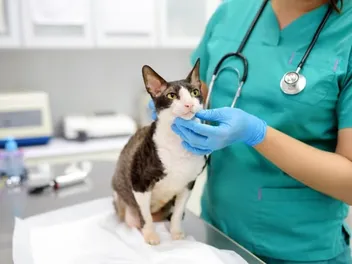
It’s best not to self-diagnose your cat with any conditions but to keep a detailed record of all the signs you witness them exhibit. Take these records along with you to a vet so they can look at the changes you’re seeing in your cat and compare them to the tests they run at the clinic to provide a more accurate diagnosis.

Conclusion
It’s not easy to watch your cat age regardless of their brain health, but seeing them suffer from feline cognitive decline can be even more challenging. You can make the process easier on your aging kitty by implementing some of the tips above and visiting a veterinarian for advice and recommendations. Remember, cats with cognitive decline can still live many long and fulfilling years. Diagnosis is not a death sentence.
Sources
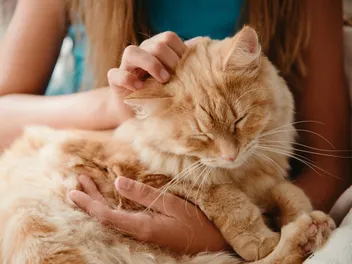
Featured Image Credit: 4 PM production, Shutterstock
Expert cat care, straight to your inbox
News, insights, and useful advice, delivered to you.

No spam — unsubscribe anytime.
By signing up, you agree to our Terms & Conditions and Privacy & Cookies Policy.
How useful was this post?
Click a star to rate. You can leave written feedback afterwards. (We read all feedback.)
For Chantelle, writing and animals are the two driving forces in her life. Growing up on the Canadian prairies surrounded by pets, she now shares her home with five cats, two guinea pigs, and a bearded dragon. Chantelle, her husband, and their child pride themselves on being dedicated pet parent, even spending a fortune on wall-mounted cat shelves to provide their cats with an indoor jungle gym. When she's not snuggling with her cats or photographing their humorous moments, Chantelle is exploring the Rocky Mountains, rewatching her favorite Netflix series, and reading up on various random subjects.