What Behavioral Changes Can I Expect from an Older Cat? Vet Verified


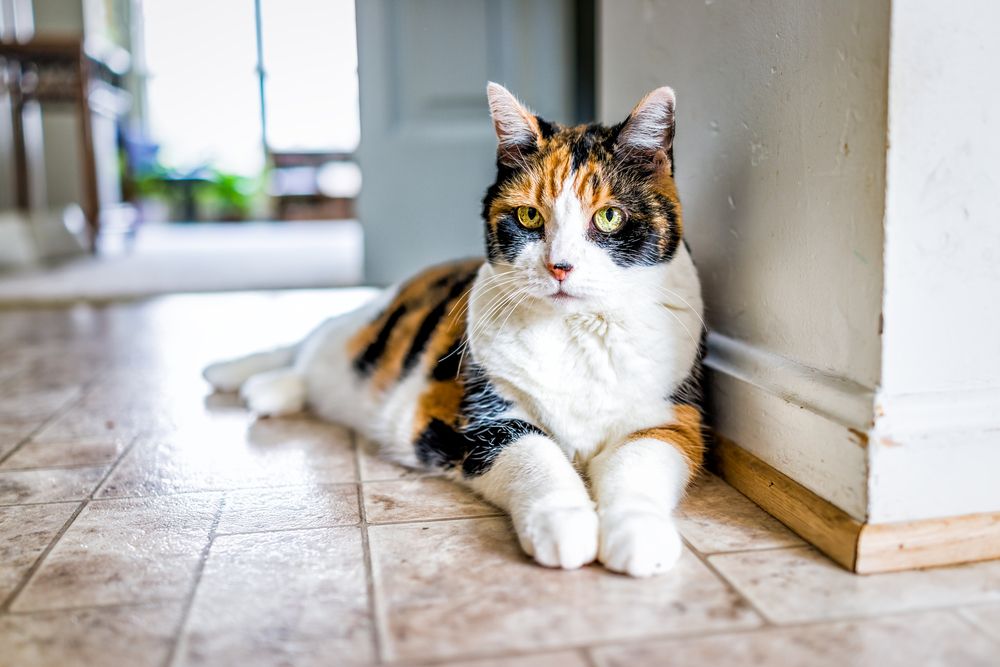
If you’ve spent many years with your cat and they’ve suddenly started to act and do things differently, it could be because of their old age. Cats typically have a lifespan of 12–18 years (although some live much longer) and are considered senior from around 11 years. As cats age, they require more care and should be seen by a veterinarian for bi-yearly checkups. Not only are older cats at a higher risk for certain diseases and physiological changes, but they’re also more likely to undergo behavioral changes.
You may have already noticed that your cat has less energy, can no longer hear you, or is struggling with painful joints. Below, we’ll discuss the behavioral changes that you can expect from an older cat and how to care for them so that they can enjoy their last years to the fullest.

The 8 Behavioral Changes to Expect From Older Cats:
1. They Sleep More Than Usual
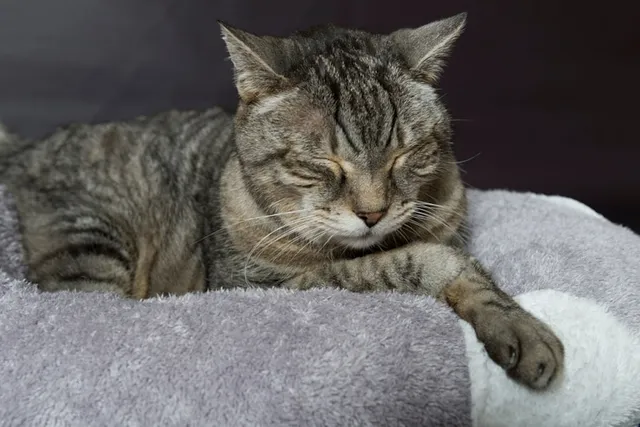
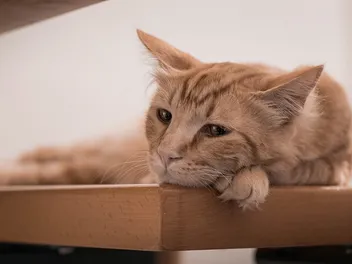
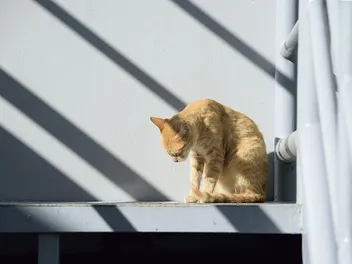
It may feel like you rarely see your older cat awake these days, but a change in their sleeping patterns is normal. As they age, their energy decreases, and they’re usually not able to move about like they once could. When your cat does move about or partake in family activities, they will become tired more quickly and need to recover, which happens through sleeping.
2. They No Longer Respond to You
If your senior cat has stopped responding to you or no longer appears when you call them, chances are that they’re not ignoring you but rather can’t hear you, at least not clearly anyway. As cats age, many of them experience hearing loss or become completely deaf. Because deafness in older cats occurs gradually, it can be difficult to notice until it has already happened.
You may have recently noticed that your cat no longer greets you at the door when you arrive home or no longer appears next to you when you open their favorite packet of treats. You can test whether your cat is deaf by clapping your hands or making a noise when they’re facing away from you. If they don’t turn to look where the sound is coming from, it’s probably because they can’t hear it.

3. They Stop Grooming Themselves Well
Your older cat is slowing down, and even a grooming session can feel exhausting, so your cat may not groom themselves as frequently or thoroughly as they once did. It’s common for older cats to look unkempt, have mats and tangles, and have dandruff in their fur. When they reach this stage, they may need your help more than ever.
Sometimes, older cats stop grooming themselves properly because they have arthritis, which causes pain as they move and stretch to reach the different areas of their coat and body. Older cats are also more likely to become obese, which can also cause them to neglect their coats because their movements are limited. Dental disease can further complicate the issue.
4. They Become Confused
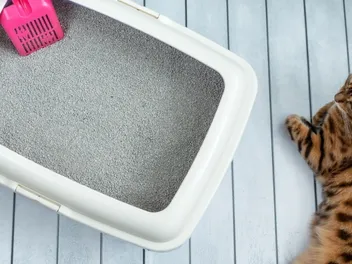
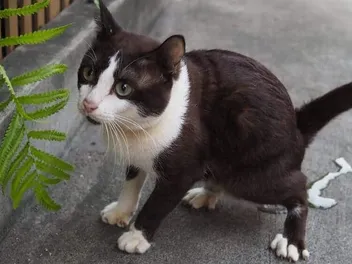
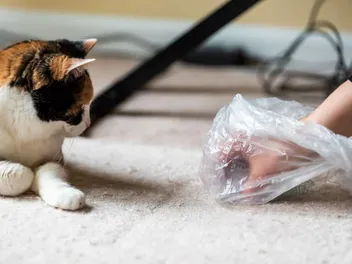
Sadly, feline cognitive dysfunction is very common in older cats. It is when a cat’s cognitive abilities decline with age. You may have noticed several signs of it in your cat as they have gotten older, such as changes in activity levels, a lack of interest, forgetting where their litter box is, restlessness, wandering, increase in vocalization, memory loss, disorientation, or a change in their sleep pattern.
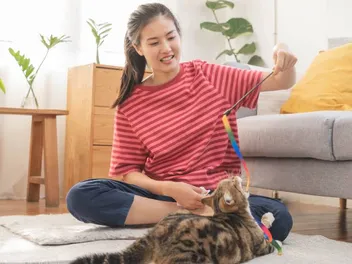
You can help your aging cat stay sharp by keeping them mentally and physically stimulated. You can do this by giving them toys to play with, taking them for walks, getting them outside, and placing perches in areas that allow them to watch the world around them. Speak with a vet, as well, as new treatments are available to help cats with cognitive dysfunction syndrome.
5. They’re Not as Playful or Adventurous
Your older cat might be sleeping a lot more and playing a lot less. It could be because they tire more quickly or because they no longer have the same level of interest in their toys as they once did. Your cat may also no longer feel the need to go outside much anymore except to potty or be around you. You may have noticed that they no longer climb trees, try to catch insects in the grass, or bring you “gifts.”
If your cat’s energy levels have dropped suddenly, their old age might not be the cause, and they might be ill. It’s important to take your cat to the vet to get examined if you’re concerned that they’re not well, as a sudden change in behavior can signal a health issue in your cat.
6. They’re More Needy
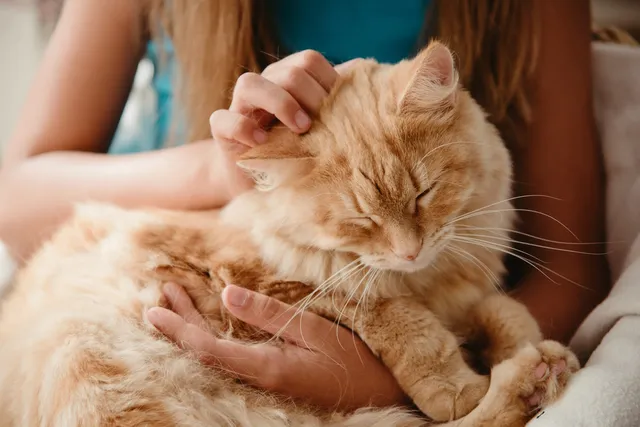
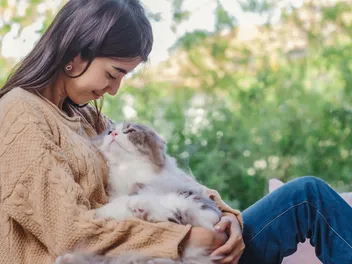
Older cats often become more distant or needy than usual. The emotional change can cause a once friendly cat to become disinterested in you or an unaffectionate cat to suddenly become needy, want to follow you around, and crave cuddles. Although it can feel like you’ve got a different cat in your home, personality flips tend to come with old age.
Make sure to give your cat whatever it is they need—whether that is affection or to give them some space.

7. Their Appetite Changes
It’s not uncommon for older cats to eat less or become picky eaters. This can be because they’re not burning as much energy and don’t require as much food as they did in their more active days. It’s important to feed your cat age-appropriate cat food that is nutritionally complete so that they receive all the nutrients their body needs.
However, your senior cat might not be eating because they have dental disease, which commonly affects older cats and causes pain when they chew their kibble. Your cat might do better with canned food because it is softer on their gums and teeth. Older cats may also lose their sense of smell, which can make food boring and bland because they can’t taste it. This can make a cat lose interest in their food.
Cats that are struggling to eat should be seen by a vet to determine what the underlying issue is.
8. They Become More Aggressive
Older cats may be painful, which may cause them to become more aggressive towards the people and pets in your home. However, their aggression might also be the result of feline cognitive dysfunction, which can cause them to be confused and disorientated.

How to Care for Older Cats
One of the best things you can do for your older cat is to take them to their wellness checkups, as this will help your vet catch problems early and intervene. Cats that see their vet often are less likely to suffer from dental disease and other preventable health issues. They’ll also be able to advise you on how best to care for your cat as they age.
Because your cat isn’t able to groom themselves properly, you can keep their fur tangle-free by brushing them every day. This will also remove their loose hairs and spread their natural oils, which will improve the look of their coat.
Your cat’s nails might need to be trimmed more often because they’re not climbing, scratching, or doing many of the other activities they once did. You should also brush their teeth often to prevent dental disease and provide them with proper nutrition. As your cat ages, they’re going to experience many changes, which can be stressful for them. They’ll have less energy and patience, will be set in their ways, and will likely experience some level of pain or discomfort.
Reduce stress for your cat wherever possible. Get them a bed that is gentle on their joints and find a litter box that is low enough to easily get in and out of. Put their food and water in a quiet spot so that they can eat in peace. Give them as much or as little attention as they demand, and if you’re planning a trip away, get a pet sitter to stay in your home to care for your cat instead of taking them to the kennel. This will be a lot more comfortable and stress-free for your cat.
Conclusion
Older cats go through many changes, including behavioral ones. Older cats tend to sleep more, experience hearing loss, stop grooming themselves, become confused, lose interest in things, become more needy, lose their appetite, and become more aggressive.
Embrace their changes and care for them by taking them to regular wellness checks, making them comfortable, reducing their stress, giving them proper nutrition, and helping them groom themselves to prevent dental disease and matted fur.
Sources
Featured Image Credit: Kristi-Blokhin, Shutterstock
Expert cat care, straight to your inbox
News, insights, and useful advice, delivered to you.

No spam — unsubscribe anytime.
By signing up, you agree to our Terms & Conditions and Privacy & Cookies Policy.
How useful was this post?
Click a star to rate. You can leave written feedback afterwards. (We read all feedback.)
Keri-Beth is a freelance writer from South Africa who loves writing about cats. She's very passionate about pet care and has spent quite a bit of time volunteering at animal shelters. Keri-Beth currently has two dogs: Benji, the Golden Cocker Spaniel, and Gracie, the Boerboel.
Keri-Beth's favorite hobbies include photography and camping. She lives with her husband, who is a professional drummer.