How Long Does Flea Medicine Take to Dry? Vet Approved Facts & FAQ

In this article
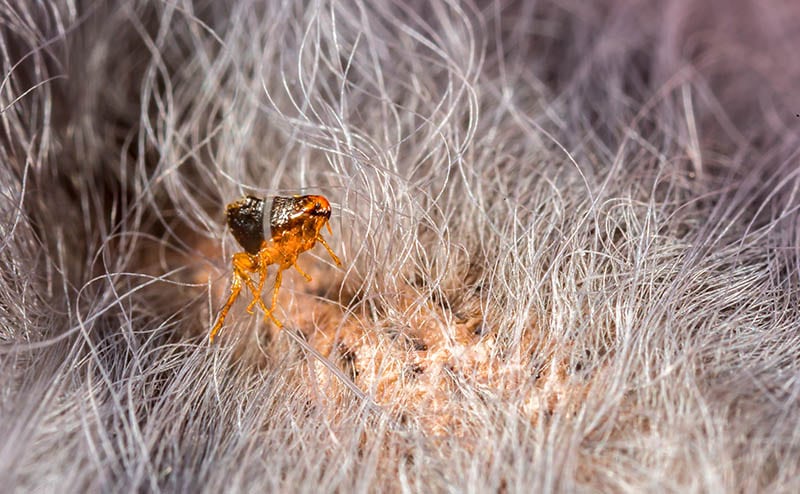
Fleas are tiny, but they are a big problem. Getting rid of fleas can be tricky once your pet brings fleas into the home. So, many pet owners try to prevent an infestation by administering preventative medication. However, you can also use flea medicine if your pet has fleas and you’re trying to get rid of them.
If this is your first experience with flea medicine, you might have questions, and one of them might be how long does the medicine take to dry? Generally, you’re looking at a few hours for the solution to appear dry, but this does not mean it’s safe to touch or bathe your pet. Below, we’ll look closer at what you should expect from flea medication after it’s dried.

How to Administer Flea Treatment
To ensure that the topical flea medicine dries effectively, you must first administer it correctly. Your medicine will come with instructions, so read those, and if you are feeling unsure about your first time, you can always ask your veterinarian to show you how it’s done. However, it’s really simple, and you shouldn’t have any problems.
- Read the packaging instructions, or instructions on the manufacturer’s website.
- Pick a time when your pet is calm. After a meal or a long walk are excellent times.
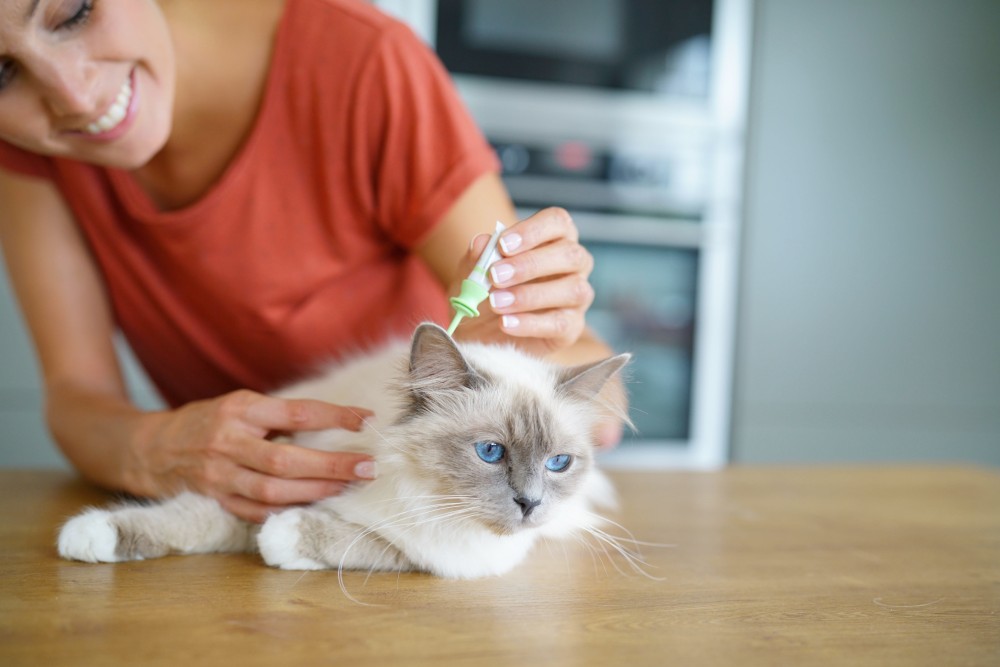
- Put on disposable gloves and gently part your pet’s fur at the base of the skull until you can see their skin. This placement ensures they cannot lick off the treatment. Place the pipette in this area and squeeze out a little of the medication. There shouldn't be an excessive amount of liquid in one spot, so part the hair in a line, applying the liquid as you go. Always apply it to the skin and not the fur.
- Wash your hands thoroughly.
- Reward your pet with a yummy treat.
You should only give your pet flea treatment that’s recommended for them; ideally, it should be prescribed by a vet. Products suitable for a dog aren’t necessarily suitable for a cat, as some contain permethrin, which is toxic to cats but safe for dogs.
How Long Does It Take for the Medicine to Work?
| Topical Flea Medication | Time Until Medication Dried | Time Until Fleas Start Dying | Time Until You Can Wash Your Pet |
| Bravecto Spot-on for dogs | Up to 48 hours | Starts killing fleas within hours, 99% killed within 24 hours | 3 days |
| Bravecto Spot-on for cats | Two hours | 100% of fleas killed within 8 hours | Not evaluated |
| Revolution topical for dogs and cats | Two hours | Kills > 98% of fleas within 36 hours | 2 hours |
| Frontline Shield for dogs | Quick-drying, up to 24 hours | Kills fleas in 5 minutes, starting 2 days after treatment | 24 hours |
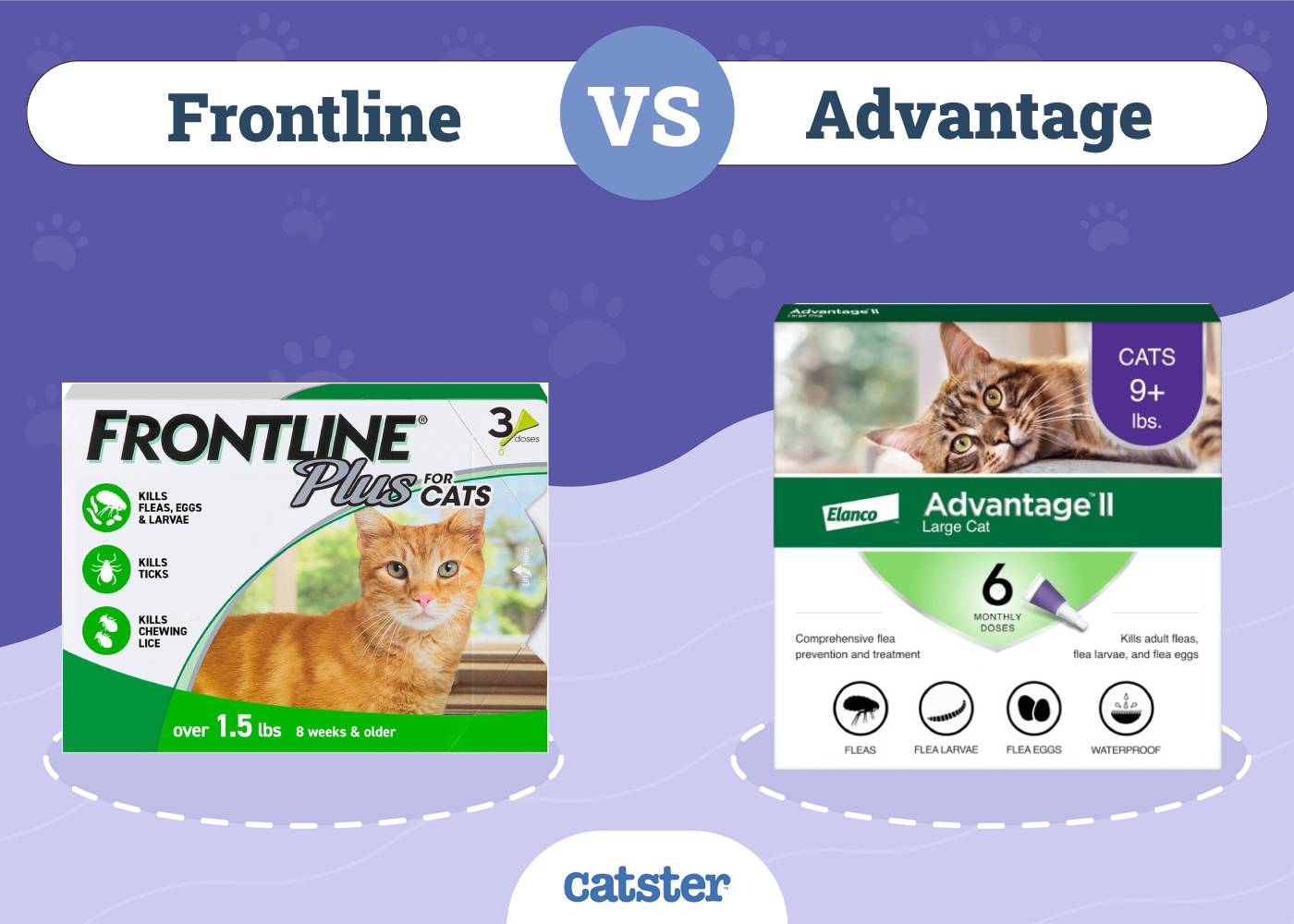
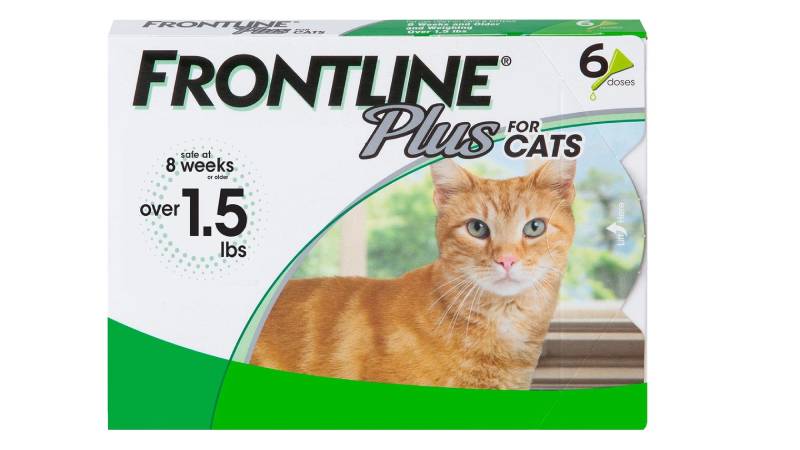
| Frontline Plus for cats | Up to 24 hours | Not-specified | 24 hours |
| Advantage II for cats | Up to 24 hours | 12 hours | 24 hours |
| Advantage II for dogs | Up to 24 hours | 12 hours | 24 hours |
How to Get Rid of Fleas
Flea treat all pets in the house as, if one has fleas, all are likely to be infected. Treating your pets kills all adult fleas that jump on them and breaks their reproductive cycle.
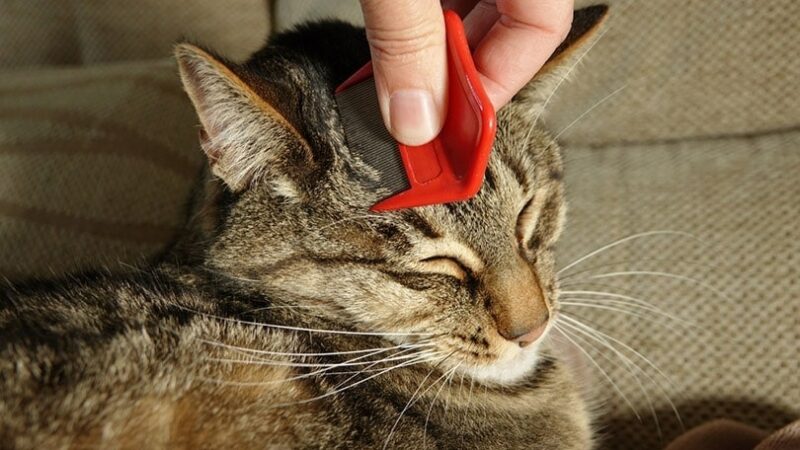
Removing the fleas on your pet is only part of your problem. While treating your pet, you must remove the eggs in the environment, which represent 50% of the flea burden in the home. Regularly clean and vacuum the floors, furniture, and nooks and crannies fleas like to hide in, like the skirting board. Wash all bedding that your pet goes on and steam clean the carpet.
Cleaning your home daily and vacuuming can reduce the population, but you’ll need a professional to tackle a severe infestation. Pest control technicians usually have pet-safe chemicals to treat eggs in the environment, but you and your pets must leave your home temporarily during the treatment.
Frequently Asked Questions
How Often Do Cats and Dogs Need Flea Treatment?
Dogs and cats should always be on flea prevention. Some products last for one month, others for three or even six. Use the product as recommended by the manufacturer. You can usually start treatment when dogs or cats are 8 weeks old, but again, check the label of your specific flea preventative for specific instructions. Your veterinarian can tell you which flea treatments are suitable for your pet.
How Long Do Fleas Live?
If you were hoping the fleas might die off themselves, you’d be disappointed to learn that fleas live for 2-3 months if a host is nearby. A female is also able to lay 50 eggs a day!
How Do You Know if Your Pet Has Fleas?
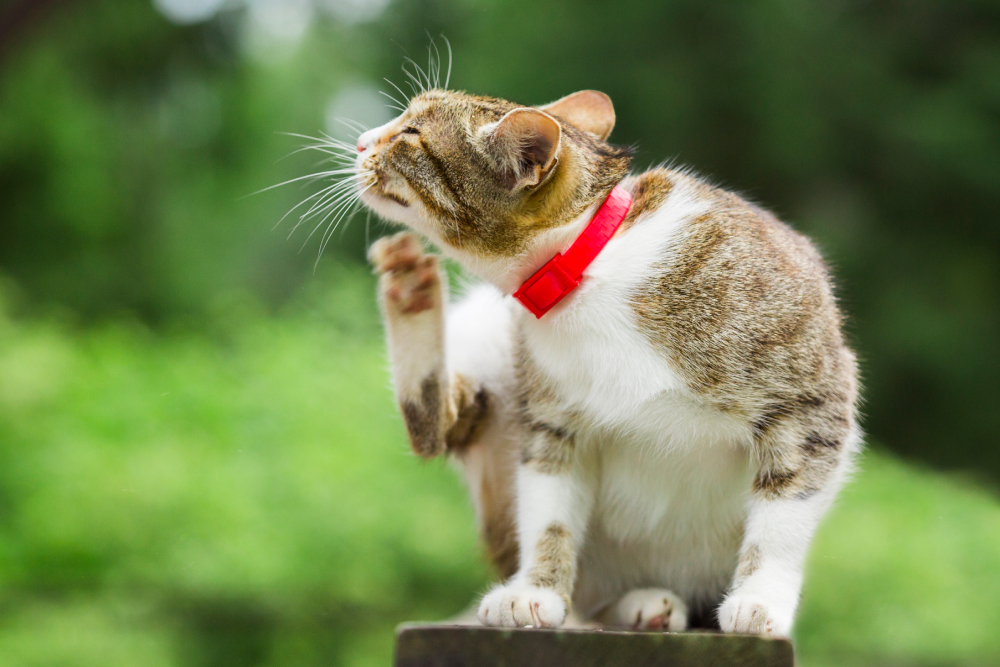
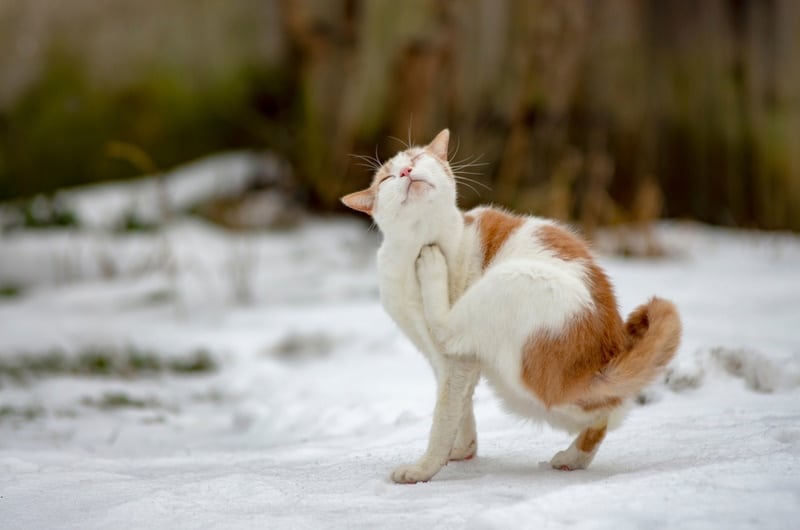
You can watch for a few signs that indicate your pet has fleas. Your pet might be restless and itchy, and when you part their fur, you’ll notice irritated, red skin. Although they’re small, you can see fleas with the naked eye. You can also check for flea dirt (also known as flea poop) on the back of your pet’s neck or back.

Final Thoughts
Generally, flea medicine will appear dry within a few hours however, you shouldn’t touch it until it is completely dry. The fastest-drying flea medications are safe to touch within 2 hours but some take up to 48 hours to completely dry. After application, your pet must stay dry for a period specified by the manufacturer, meaning no baths, swimming, or walking in the pouring rain!
If you follow the label instructions, the medicine should begin to work in a few hours to a few days depending on the product. Although flea medicine will provide relief for your pet, you’ll need to treat your yard and home if the infestation is severe.
Sources
Featured Image Credit: goodluz, Shutterstock

Expert cat care, straight to your inbox
Vet-reviewed advice, behavior tips, and the best of Catster. Free, and you can unsubscribe anytime.
By signing up, you agree to our Terms & Conditions and Privacy & Cookies Policy.
Kerry-Ann lives in Scotland and would love to have a bigger garden so she could have her very own Highland cow. But her dogs probably wouldn’t like that idea very much. She has a La Chon called Harry who was sick with a liver shunt when he was a puppy. It wasn't likely he would make it into adulthood, which was difficult to comprehend, but he beat the odds and is a healthy old man now. She also has a Pug called Maddie who is a big foodie. She’s small, sassy, and every day she finds a new way to wind her brother up.
When she isn’t writing you can find Kerry-Ann going for long walks when it isn't raining, reading, or watching cartoons. She would one day like to be a tourist in her own country and travel through the Highlands with her family.
Join the conversation
Ask a question, share your story, or send private feedback.