Are Bell Collars Bad for a Cat's Hearing? Vet-Verified Facts & FAQ



In this article
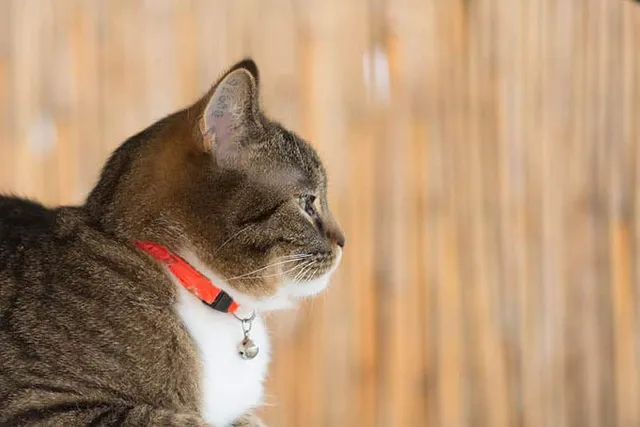
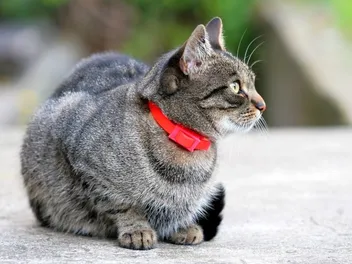
Bell collars are very popular among cat owners because the cute little jingle allows anyone around to know the cat is nearby. It’s no secret that these types of collars can make anxious cats very uncomfortable by the random sound that keeps following them around, but could these bells also be bad for a cat’s hearing? In general, bell collars are not harmful to a cat's hearing. Keep reading to learn more about these collars and whether or not they could have any negative effects on your cat’s health.

Are Bell Collars Harmful to a Cat’s Hearing?
Cat parents are often concerned about the effects that bell collars could have on their cat’s ears but thankfully, studies in humans have shown that individuals are unaffected by the decibels produced by sounds akin to cat bells1. These bells produce sounds that range from about 50 to 60 dB and cats should be unaffected by sounds below 80 dB.
While this can put a cat lover's concern to rest over the potential effects these bells could have on hearing, there are some other negatives these collars could have, so it’s important to be well aware of the pros and cons of bell collars before you decide to put one around your cat’s neck.

The Pros & Cons of Bell Collars
As with most things in life, there are positives and negatives. The choice to use a bell collar or not is entirely up to the owner’s preference, so we’ve provided a list of all the pros and cons of these types of collars to help you make the most well-informed decision.
Top 3 Benefits of Bell Collars
1. Warns Potential Prey
The primary reason for owners electing to use a bell collar is to warn local wildlife to prevent them from falling victim to cats. This is primarily for cats that are allowed to wander outdoors.
Bell collars serve as a way to warn a cat’s potential prey of their presence, giving them enough forewarning to escape. While it is an effective approach, there are plenty of other ways to prevent cats from impacting local wildlife and negatively impacting the environment, with the most effective being keeping them indoors at all times.

2. Helps You Keep Track of Their Whereabouts
Another positive of bell collars is that it helps you keep track of your cat’s whereabouts. Cats have a special knack for sneaking into small spaces that you would least expect. Super agile kitties have even been known to camp out on top of refrigerators or cabinets. The bell collar will put a damper on their stealth and make them easier to find.
Finding the right cat collar can be tricky with so many options on the market. Our favorite is the Hepper Breakaway Collar, a durable hemp collar with adjustable slip-locks, a reliable quick-release buckle, and an included jingle bell to keep your local wildlife safe. This collar is stylish and practical, perfect for any cat!

- Hemp-Hemp Hooray - hemp breakaway cat collars are long-lasting and resistant to UV rays – The tight but breathable hemp knitting provides a stretch cat collar that's as durable as your pet
- What the neck?! - Our cat breakaway collar has adjustable sizing with metal slip-locks, and softens with use. This means its ideal bought as kitten collars for girls or kitten collars for boys
- Breakaway Safety - Cat collars breakaway to ensure that when out adventuring, the material getting caught doesn't mean your cat will be too. This cat safe collar gives you peace of mind, wherever they are
At Catster, we’ve admired Hepper for many years and decided to take a controlling ownership interest so that we could benefit from the outstanding designs of this cool cat company!
3. May Help Multiple Cat Households
Plenty of cat lovers understand that having a multiple-cat household isn’t always a peaceful, friendly environment. Cats are finicky creatures that won’t always get along with one another. If you have a cat that is known for bullying other household members, you can put a bell collar on them to warn the others of its presence to allow them a chance to get out of the line of fire.

Top 4 Downsides of Bell Collars
1. Bell Collars Are Noisy
It’s not exactly a surprise that bell collars are noisy, after all, it’s their main purpose aside from looks. It may seem cute at first to have your cat jingling everywhere they go, but the excessive noise may get old fast.
It’s important to remember that cats tend to be active during the night, so you may want to consider your cat’s habits when deciding whether you want them making a constant noise while they’re on the move.
If they aren’t waking you up early in the morning to light a fire under you to get started on their breakfast, you’re going to be woken up by the noise of the bell collar as they go about their business.
2. They Restrict Successful Hunting
While bell collars warning potential prey is a great way to protect local wildlife, you may rely on your cat’s help in keeping rodents out of your house. If you have an avid mouser and you put them in a bell collar, they won’t be the successful hunter you are used to. Cats use their stealthy hunting skills to capture those sneaky, unsuspecting rodents and you will certainly inhibit them by forcing them to make constant noise.

3. They Can Cause Anxiety
One of the biggest downfalls of a bell collar is when it causes a cat undue stress and anxiety. Some cats take to bell collars without any issues, but others that are more fearful can be debilitated by having this new noise attached to them.
Some cats have even hidden under beds in fear of this unknown sound they can’t escape, refusing to eat or use the litter box in fear of the bell. There’s no way to tell how your cat will react until you try out the collar, but if it’s something you are interested in using you will want to start them out as kittens or slowly transition adults by desensitizing them a bit.
4. They’re a Potential Safety Hazard
Another con to the bell collar is the potential safety hazard of getting snagged or stuck. It is already recommended that cats wear breakaway, quick-release collars to prevent this but the bell is also at risk of getting snagged just like the collar itself.
If you plan to use a bell collar, it’s best to be safe and opt for a breakaway with a bell rather than a traditional collar. This is especially important for cats that have access to the outdoors, which puts them at a greater risk of getting hung up on something or getting into altercations with other animals.
Conclusion
Bell collars are not harmful to a cat's hearing because the decibels produced by these collars are at least 20 decibels below what would affect their hearing. While effects on hearing may not be a concern when using this type of collar, there are plenty of other pros and cons to keep in mind when deciding whether to use a bell collar or not.
Featured Image Credit: Patara91, Shutterstock
Expert cat care, straight to your inbox
News, insights, and useful advice, delivered to you.

No spam — unsubscribe anytime.
By signing up, you agree to our Terms & Conditions and Privacy & Cookies Policy.
How useful was this post?
Click a star to rate. You can leave written feedback afterwards. (We read all feedback.)
Lindsey and her husband enjoy traveling the US with their kids and photographing wildlife. Her passion is to educate others on the importance of proper animal care, with an emphasis on reptiles and exotics since their care requirements can be much more complex. She is also a huge advocate for bully breeds. She feels most at home in the forest either on horseback or in hiking boots.