Why Do Cats Suck on Blankets? 5 Vet-Verified Reasons & Solutions


In this article
If you have had multiple cats throughout your life, you know that they are capable of strange behaviors, such as running around the house for no reason, meowing at birds and squirrels outside the window, and kneading on blankets.
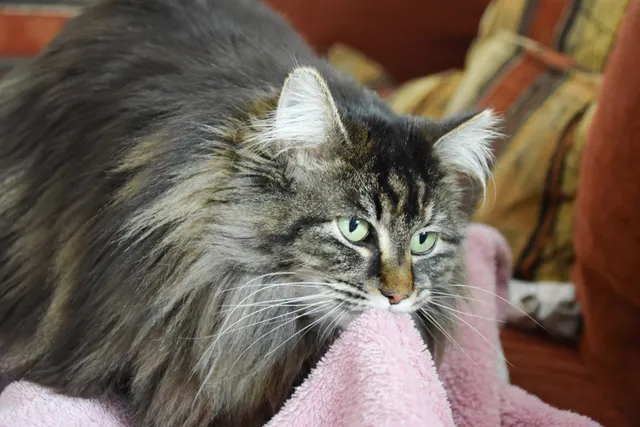
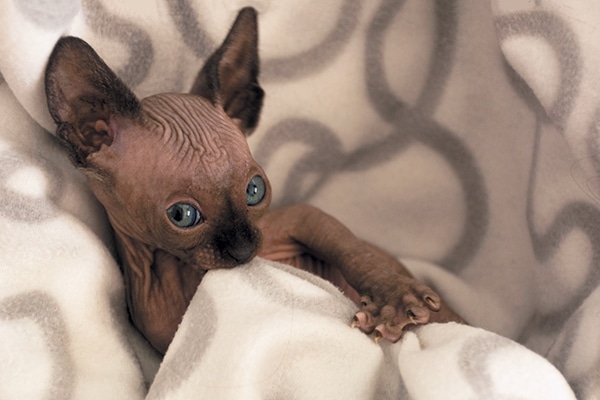
One behavior that has puzzled cat owners for generations is the seemingly instinctive act of sucking on blankets. Why do cats suck on blankets? While it may seem cute, the reasons behind this behavior are complex and not fully understood. If your cat does this, keep reading for a list of possible reasons and tips about what to do about it so you can keep your pet happy and healthy.

The 5 Reasons Why Does a Cat Suckle On Blankets
1. They Were Weaned Too Early
Since blanket suckling often accompanies kneading, the two behaviors are possibly related and tied to the natural behavior of kittens, which tend to knead their mother when they suckle. Many experts believe that if the kittens are weaned from the mother before they are ready, they may continue kneading and suckling similar surfaces, such as soft blankets, into adulthood.

2. It’s Comforting
Most kittens engage in kneading while they are suckling their mother. It’s typically a comforting time in their lives when they don’t have many worries. They may retain some memory of it as they age and occasionally suckle on a blanket to return to that time for a few minutes, especially if the environment around them is also safe and comfortable.
3. It’s Routine
A cat’s life is all about routine, and they do things each day with surprising predictability—and they seemingly can tell time better than most humans who wear a watch! It’s quite possible that they got into the habit of suckling and want to continue to do it even if they’re properly weaned, as it is part of their routine, and they found a blanket that is similar to their mother’s belly.
4. It’s Genetics
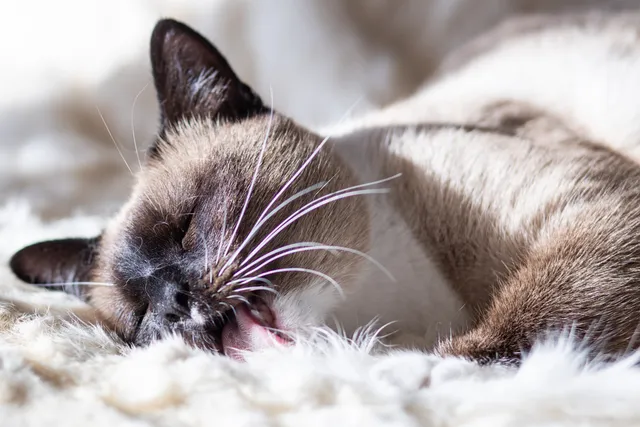
According to the Cornell Feline Health Center, some breeds, primarily Burmese and Siamese, are genetically more prone to suckling on blankets than others.1 This trait might then get passed on to mixed breeds, so if you have a domestic mixed cat that does this, it could be a sign that they have a Burmese or Siamese cat in their family tree.

5. They Are Bored
Cats like attention and can do interesting things to get it, including suckling or chewing on a blanket, especially if they notice that it causes you to stop what you are doing and pay attention to them.

When Is Suckling a Blanket a Problem?
1. If They Are Anxious
Sucking on a blanket might be a sign of anxiety in your cat, and they may be resorting to kitten behaviors to seek out comfort. If your cat starts to suck on blankets suddenly as an adult, especially in a new or recently changed environment, which can include the addition of a new pet, anxiety might be to blame. Set aside an area where they can hide if necessary, along with installing cat trees and cat condos to help make them more comfortable. For some cats, pheromone sprays can help create a calmer environment.
2. If They Are Thirsty
Some cat owners believe that their pets suck on a blanket when they are thirsty, mistaking the damp blanket as a source of water. This reason is especially possible if your cat doesn’t drink much and eats dry kibble. If you think that your pet might be thirsty, a cat water fountain can be an effective way to get them to drink.
3. If They Have Pica
Pica is a condition in which a cat eats non-food items, which can include blankets. It can have many causes, including genetics, medical issues, dietary deficiencies, and environmental elements. If you think that your cat has Pica, contact the vet immediately to have them looked over and get advice to help put your pet on the road to recovery.
4. If they Have Dental Issues
Unfortunately, dental issues in cats are serious problems across America and the world, with a few sources suggesting that more than half of cats over the age of 3 have some form of it.2 If your cat is struggling with dental disease, they may be getting comfort from suckling or chewing blankets, as the repetitive motion and sucking might ease the pain. If you think that your pet might have a dental issue, contact your vet immediately to schedule an appointment to have them checked out.
The 7 Things to Do If a Cat Sucks on Blankets
1. Provide Comfort Objects
If you have cats nursing on blankets, offer soft toys or specially designated blankets as alternatives for your cat to suck on to redirect the behavior. Proper toys will help provide the comfort that they seek without damaging household items.
2. Go to Regular Veterinary Checkups
Schedule routine checkups with your veterinarian to ensure your cat’s overall health. Dental issues in particular can contribute to your cat sucking on blankets.
3. Provide Dental Care
Implement a regular dental care routine for your cat, which should include brushing their teeth with a cat-safe toothbrush, providing dental treats, or using dental toys designed to promote oral health.

4. Create Environmental Enrichment
Create a stimulating environment with toys, scratching posts, and climbing structures. Interactive playtime and puzzle feeders can mentally engage your cat, reducing the likelihood of boredom-related behaviors.
5. Maintain Consistency
Cats thrive on routine and consistency. Keep feeding, play, and sleep schedules consistent to create a sense of stability for your cat and help reduce stress and anxiety.
6. Use Positive Reinforcement
Use positive reinforcement techniques to reward your cat for desirable behaviors. When they choose an alternative comfort object over blanket-sucking, offer treats, praise, or affection to help them understand that you want them to keep making that choice.
7. Be Patient
Changing a cat’s behavior takes time and patience. If the blanket-sucking behavior persists or is causing concern beyond what you feel is reasonable, talk with a veterinary behaviorist or a certified cat behavior consultant who can provide personalized advice tailored to your cat’s specific needs.
Summary
While no one knows for sure why some cats chew and suck on blankets, it seems closely tied to kneading, and both are common when a kitten is firstborn. Weaning a cat too early might be the cause, or they might do it out of habit or routine.
If your pet notices that blanket sucking gets your attention, they may keep doing it, and some cats, especially Siamese, Burmese, and possibly their descendants, are genetically more prone to doing it. It could be a problem if your cat is doing it as a result of high anxiety, dental issues, or pica, so it’s a good idea to schedule an appointment with your vet so you can talk over the behavior with them to rule out any health problems.
See also:
Featured Image Credit: Roman Samsonov, Shutterstock
Expert cat care, straight to your inbox
News, insights, and useful advice, delivered to you.

No spam — unsubscribe anytime.
By signing up, you agree to our Terms & Conditions and Privacy & Cookies Policy.
How useful was this post?
Click a star to rate. You can leave written feedback afterwards. (We read all feedback.)
Ed Malaker is a veteran writer who has contributed to a wide range of blogs that cover tools, pets, guitars, fitness, and computer programming. When he’s not writing, Ed is usually performing DIY projects around the house or working in the garden. He’s also a musician and spends a lot of time helping people fix their guitars and composing music for independent films.