Ragdoll Cat Grooming: 10 Vet-Approved Tips & Tricks

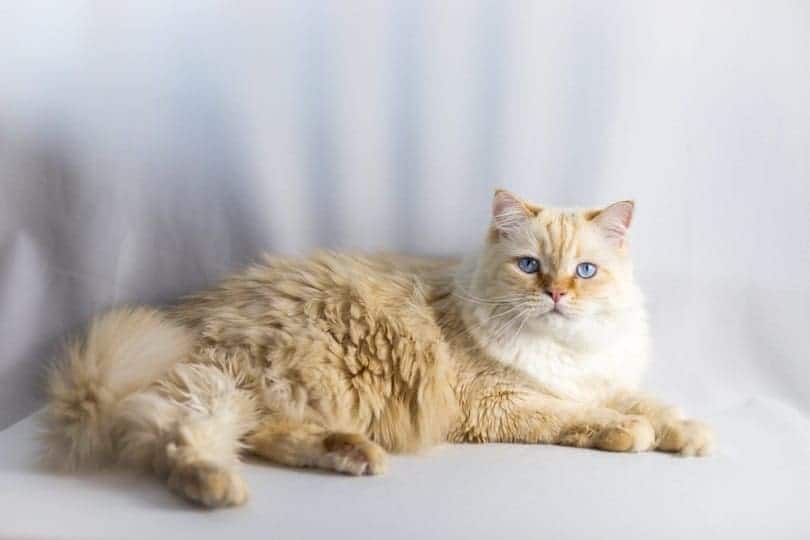
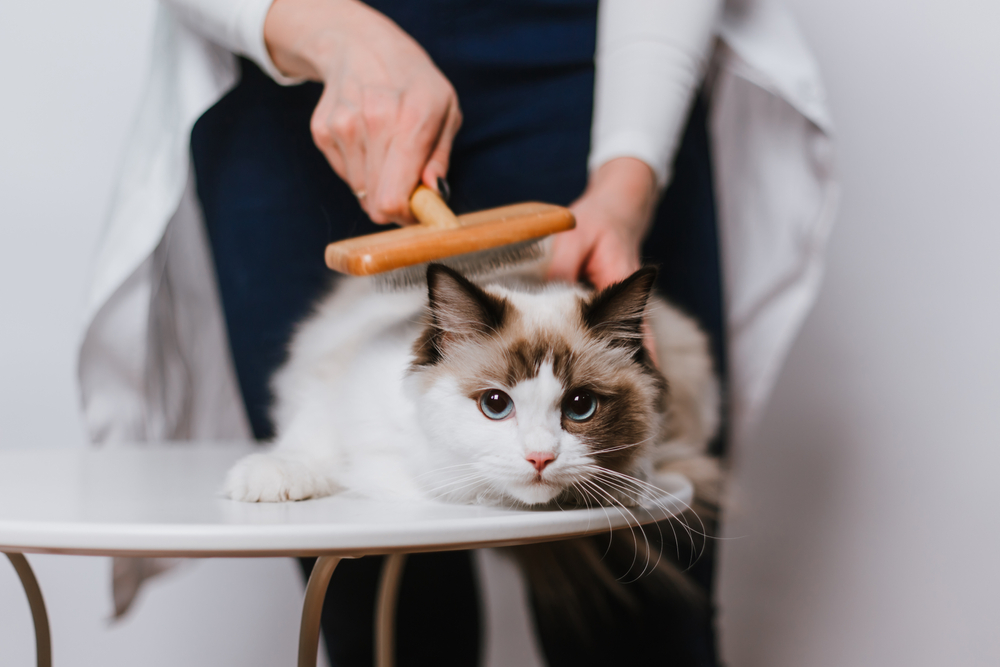
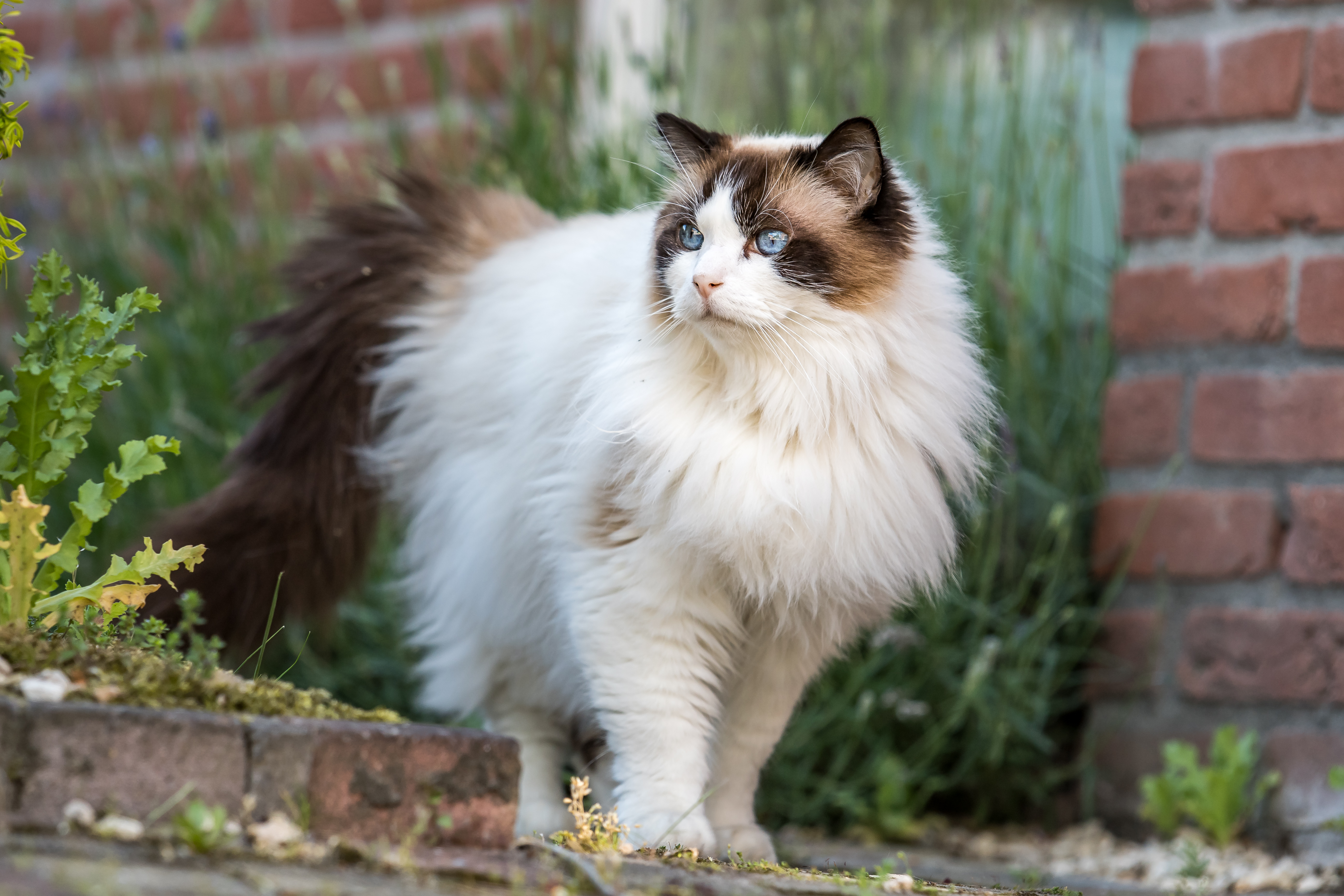
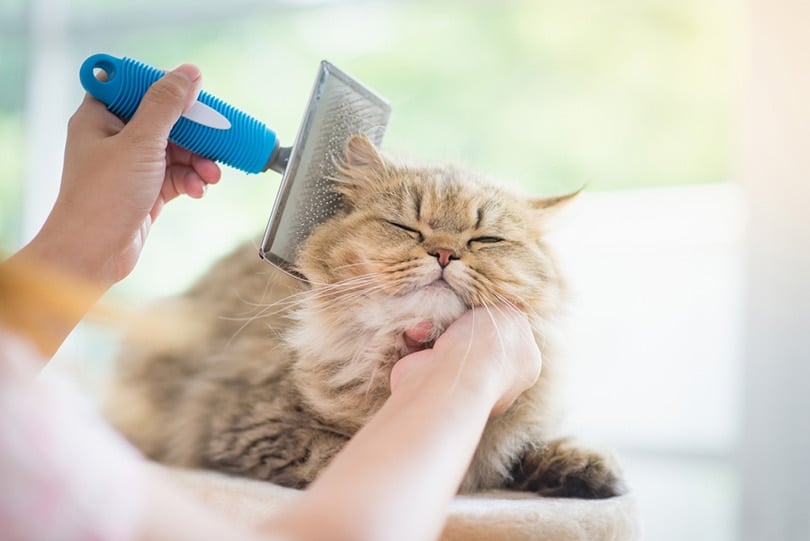
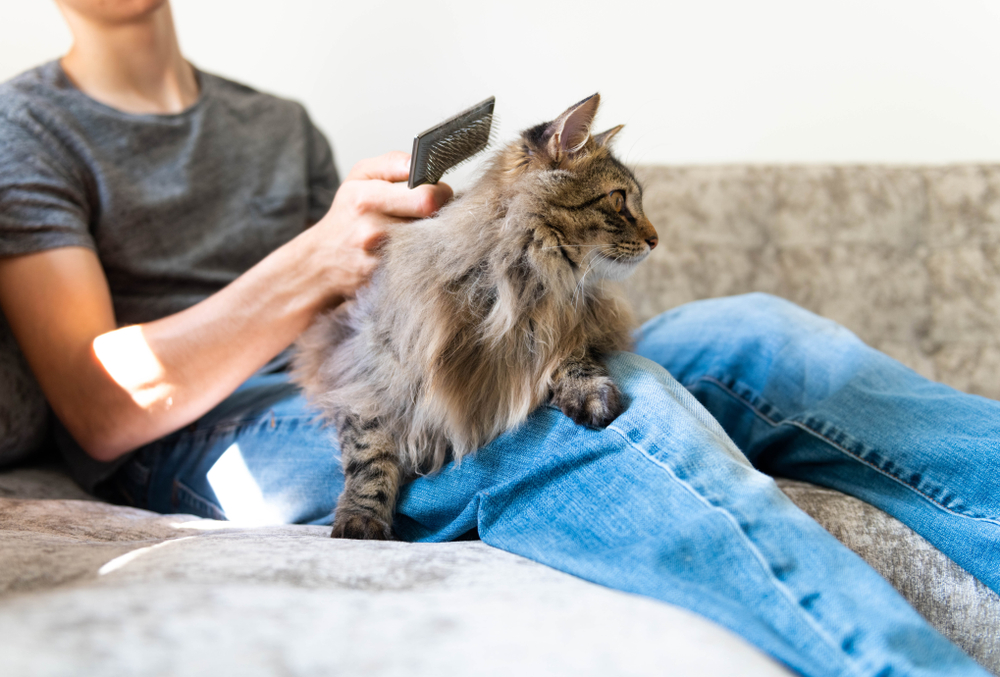
Ragdoll cats were developed in the early 1960s in California and are among the most affectionate and friendly cat breeds around today. Their semi-longhaired coats are thick and don’t often tangle, but these cats can still benefit from regular grooming sessions. Although Ragdolls, like other cats, can typically tend to their own grooming needs, they will likely enjoy your attention as you brush their fur.
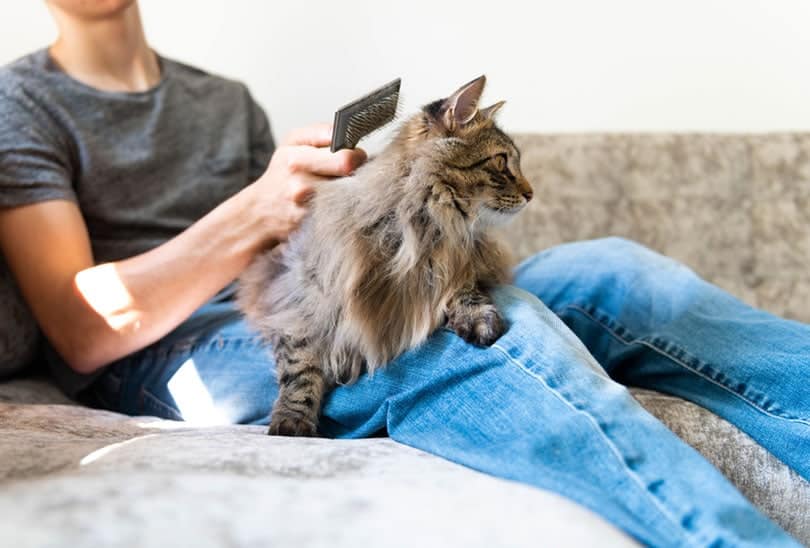
Despite the length of their coat, Ragdolls don’t require much grooming and don’t shed often except during spring and fall. A weekly comb-through should be more than enough to remove dead hair and tangles. We put together this list of tips and tricks to help you make the most out of your grooming sessions with your Ragdoll cat.

The 10 Tips for Ragdoll Cat Grooming
1. Start Early
The Ragdoll cat is a sedate breed that loves to be around people and is great for new cat owners. They can still be nervous around new things, though. If they’re not familiar with the brushes that you use or a grooming routine, they’ll be warier about you approaching them.
The younger your cat is when you start grooming them, the easier it will be. While your kitten might not be the bravest when it first comes to their new routine, they’ll adjust faster than older cats. Ragdolls are also naturally longhaired, and grooming them is a commitment that you’ll need to continue throughout their lifetime.
Older cats will need more time and patience when you first start grooming them. It’s best if you introduce the brushes to them before you start using them.

2. Develop a Routine
There’s a fine line between grooming your cat too much and not enough. Helping them out every now and then, particularly with longhaired cats like the Ragdoll, can help reduce hairballs and tangled knots. Most of the time, though, your cat can handle their grooming requirements themselves.
The grooming routine that you develop for your cat needs to take into account how capable your cat is at grooming themselves, the time of year, and how their coat is looking. For most Ragdolls, brushing once or twice a week is enough. Older cats with joint issues like arthritis might require more help grooming themselves and can start looking raggedy if you don’t grab a brush.
As for the time of year, cats usually shed their winter coats in the spring and fall, a regular grooming session can catch most of the loose hair before it ends up on your carpet.
3. Keep Sessions Fun
No matter how old your Ragdoll is or how long you’ve been grooming them, it’s important to keep their grooming sessions fun. By keeping the routine positive, your cat will associate it with good things and be happier to stay put and enjoy having your attention.
Most Ragdolls will tolerate many things their owners want them to do, like grooming sessions or even wearing clothing. You can keep them from getting bored or overstimulated by breaking up longer grooming sessions into shorter ones. Maybe take a break for a treat or a quick game with a ball.

4. Start With the Most Challenging Areas
When it comes to grooming your cat, it’s easiest to start with the more difficult areas — like the stomach and legs, and consider ending the session at least for a bit, giving your cat a treat before you move on to areas that don’t require as much work. This might sound strange if you’re a new cat owner, especially since it’s so much easier to start with their back.
By starting with the troublesome tangles, you’ll be reducing the chances of something distracting you from tackling them later and your cat will appreciate it.
Note that some cats don’t have much tolerance and might react negatively if your grooming session goes on for too long. Breaking it up makes it easier for both you and your cat.
It is also important to set them up for success, removing the possibility of negative stimuli like a dog barking and entering the room before you’re finished. Ragdolls might be laidback, but they can still be timid around loud noises or can be prone to the occasional grouchy mood.
5. Use Different Brushes
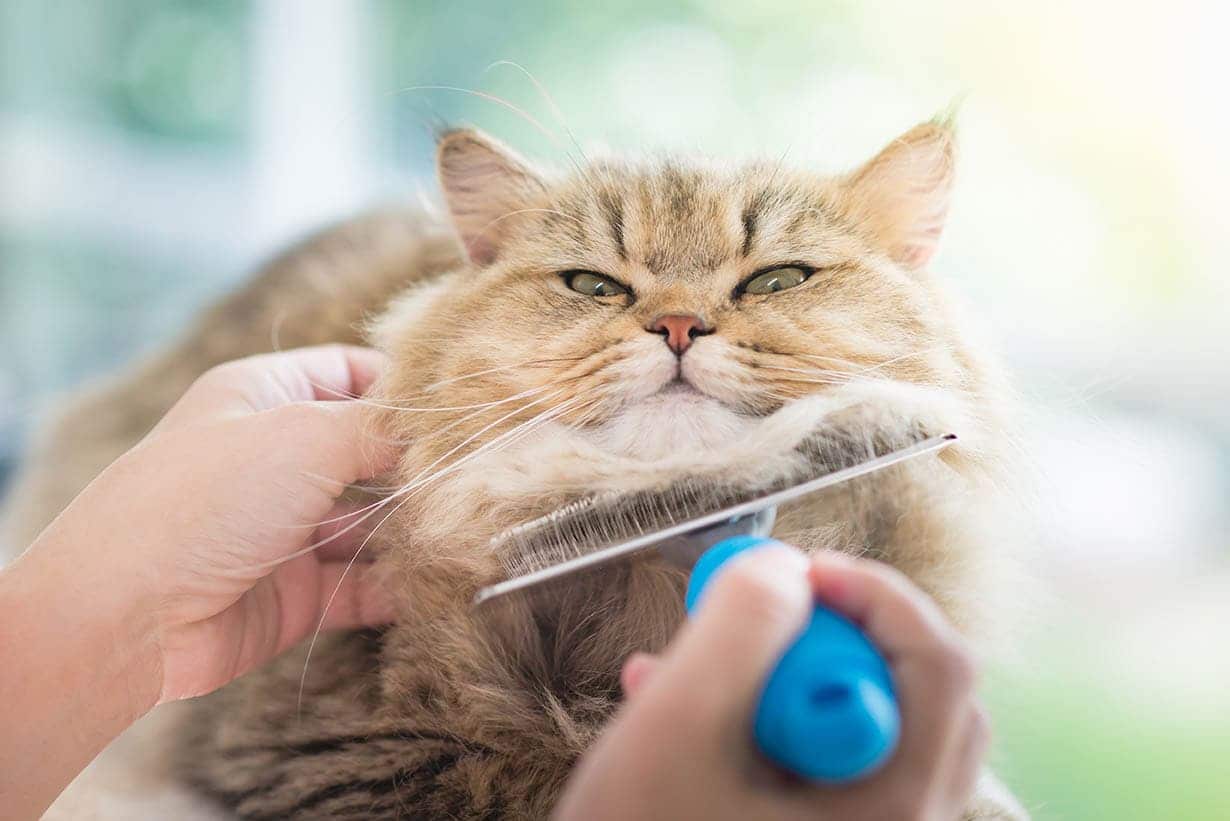
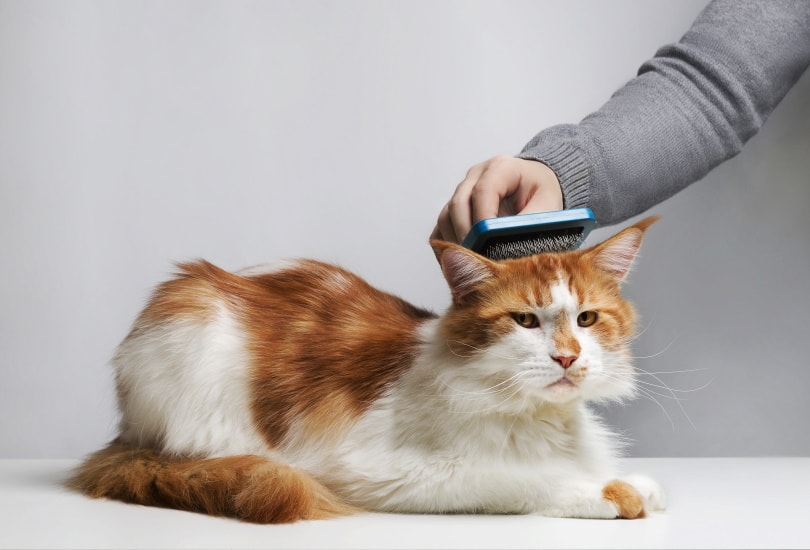
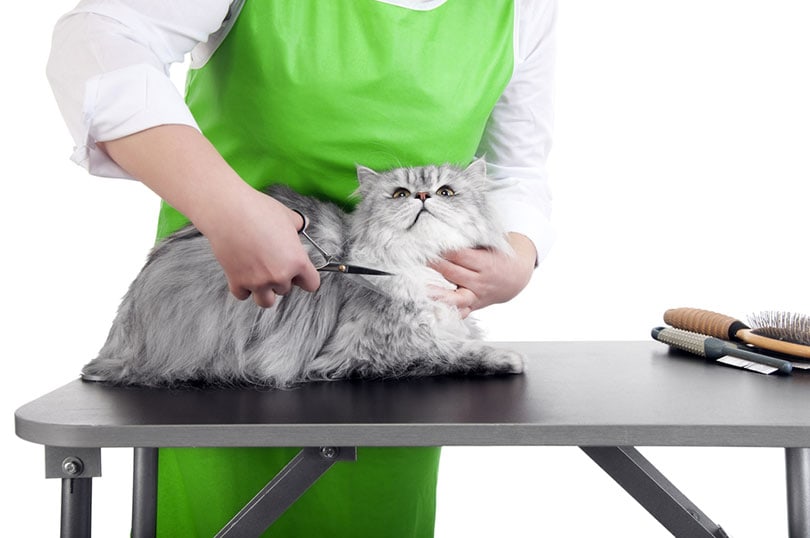
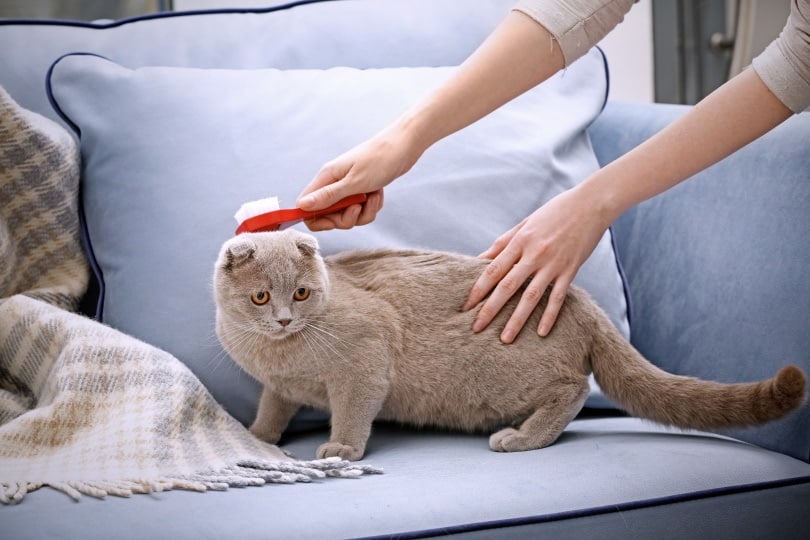
An effective grooming kit should contain a variety of different brushes to tackle all sorts of tangles. Soft bristle brushes are good for spreading the natural oils through your cat’s fur. The soft bristles will help you familiarize your cat with their new grooming routine without having to worry about hard bristles. They’re also easier to use on kittens.
You can use silicone or rubber bristle brushes to reach further into your Ragdoll’s coat. These brushes are still soft enough for kittens and cats with sensitive skin but might not have the strength to detangle tough mats.
Pin brushes and combs are the hardest brushes available. They’re great at easing through tangles but can be rough against sensitive skin if your cat isn’t used to the sensation. Work your way up from the softer brushes, and be gentle.

6. Use Grooming Gloves
If you start grooming your Ragdoll when they’re young, there shouldn’t be a problem with using brushes and combs. Some cats might be wary about the tools, though, especially if they’re older rescues, and associate the brushes with bad experiences.
Pay attention to your cat's reaction to the tools that you use to groom them. If they dislike the brushes and combs, you can use grooming gloves instead. These are simple silicone or rubber gloves that you wear while petting your cat that will collect loose hair almost as well as a brush would.
7. Do a Wellness Check
Grooming sessions are great opportunities to check your cat over for any health issues. As you tend to their fur, remember to check their skin for any irritation, red spots, bumps, or other concerns.
You’ll also be able to tell how well your cat is taking care of their grooming needs on their own by the state of their fur. Bald patches or unkempt fur can be signs of over- or under-grooming, pain, food allergies, an unbalanced diet, or other underlying health issues might be behind this.
Skin issues are often the first sign of many problems, so catching them early can help you keep your cat healthy.
If you are concerned about the health and well-being of your pet, seek veterinary advice for the best course of action.
8. Use Positive Reinforcement
The most important thing to remember when grooming any cat is to reward them when they sit still. Ragdolls might be more than happy to laze about on your lap all day, but they’ll appreciate a treat for their good behavior, anyway. A treat after calmly accepting a grooming session can make up for any particularly tough tangles that you might have stumbled across while you worked.
Positive reinforcement also helps your cat associate grooming with good things, and they’ll be more likely to tolerate the brushes or even the nail clippers next time that you bring them out.
9. Promote a Good-Quality Diet
Regular grooming sessions are ideal for keeping your cat’s fur looking healthy, but it's not the only way to help your Ragdoll look and feel good. Their diet plays a big part in their overall health and appearance. Make sure their food is high quality and meets their nutritional requirements.
Remember to adjust meal sizes and the number of snacks that you hand out depending on your Ragdoll’s daily caloric allowance. They’re a generally lazy breed that can be prone to obesity if overfed, which can interfere with their ability to groom themselves.

10. Listen to Your Cat
As tolerant and laidback as they may be, Ragdolls are still individuals. There are several reasons that they might not want their fur brushed even if they do bask in your attention. Particularly stubborn tangles, for example, can lead to unpleasant fur pulling. Your Ragdoll will not appreciate the helping hand if it causes pain, even if you didn’t realize that the matted fur is that badly tangled and didn’t mean to hurt them.
If your Ragdoll is overgrooming for any reason, their skin might be too sensitive for a pin brush. It can make an otherwise enjoyable grooming session uncomfortable for your feline.
Pay attention to your Ragdoll’s body language to make sure they’re enjoying the attention and not looking for a chance to bolt.
Conclusion
As one of the largest cats around, the Ragdoll is a gentle giant that adores basking in the attention of their favorite people. Their high tolerance for all sorts of things makes them one of the easiest cats to care for.
They also don’t have many grooming requirements, their lack of undercoat reduces their shedding and matting. Spending time brushing or combing their fur at least once a week is a perfect way to help reinforce the bond between you and your cat while keeping their semi-long coats looking great. By following these tips, we hope that you'll be able to make the most of your next grooming session.
Featured Image Credit: Carolyn R, Shutterstock

Expert cat care, straight to your inbox
Vet-reviewed advice, behavior tips, and the best of Catster. Free, and you can unsubscribe anytime.
By signing up, you agree to our Terms & Conditions and Privacy & Cookies Policy.
Christian started writing for a local newspaper as a teenager, and he's been involved in the publishing industry for most of his adult life. Combining his love of writing with a passion for animals, he is currently the Director of Editorial at Pangolia and the Editor-in-Chief at Catster.
Christian lives in the Philippines with his wife, son, and four rescue cats: Trixie, Chloe, Sparky, and Chopper.
Join the conversation
Ask a question, share your story, or send private feedback.