Why Do Cats Suck Their Tails? 7 Vet-Reviewed Reasons


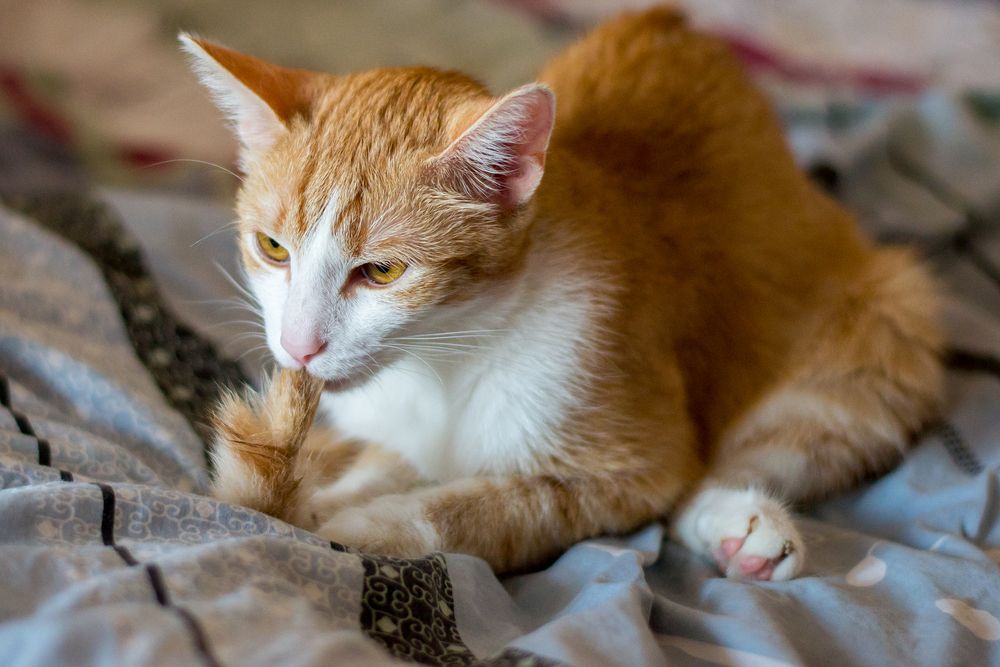
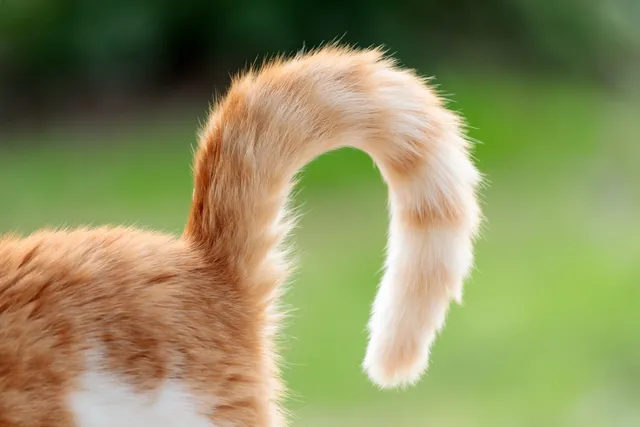
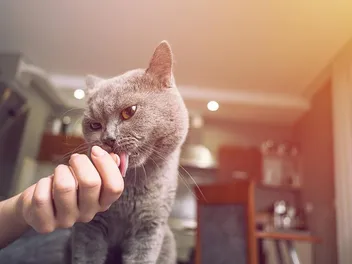
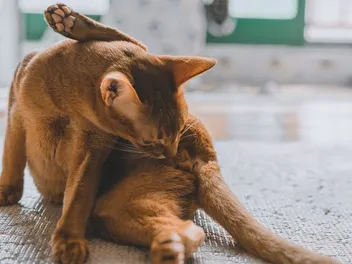
Tail-sucking is a confusing yet somewhat common feline behavior regardless of their age. Still, suckling is usually associated with nursing kittens, so it can be strange to observe this behavior in adult cats. Some cats might suck their tails habitually, while others might do it before specific tasks or when they feel unwell.
If you are dealing with a tail-sucking feline, this article will discuss the seven possible reasons behind their behavior.

The 7 Reasons Why Cats Suck Their Tails
1. Playfulness
If a cat is feeling playful, they might start playing with and sucking on their tails. This is commonly seen in cats who are playing with toys or other cats and start sucking on their tail when it catches their attention.
Cats playing with wands or teaser toys could also start randomly grabbing and sucking on their tails because its movements replicate those types of toys. They could also have mistaken their tail for another cat's leg or tail during playtime. The more your cat's tail moves, the more intrigued they might be to interact with it.
This possible reason isn't usually a cause for concern and is fairly normal. Most cats quickly realize that there are better forms of entertainment and eventually leave their tails alone to resume what they were doing before.

2. Boredom
As we previously mentioned, cats seem to find some entertainment from playing and sucking on their tails. A bored cat with limited entertainment options might resort to sucking on their tails. This could be their way of relieving their boredom by using their tail as an outlet for their frustration from a lack of mental stimulation.
In situations where a bored cat isn't having their needs met or feeling anxious or stressed from a lack of mental stimulation, their tail-sucking might progress to self-mutilation. This happens when they suck and overgroom their tail to the point of hair loss and skin irritation. It's essential to ensure that your cat has plenty of species-appropriate entertainment to prevent them from becoming bored.
Looking for toys that will cater to the many needs of your cat? The Hepper Hi-lo Cat Scratcher is one of our favorite cat products, and it will encourage your cat to get active. Its clever three-angle design offers multiple ways for your cat to climb, stretch, and exercise. Made of a sturdy plywood base and a replacement cardboard insert, this scratcher is an option that cats can enjoy for years to come. If your cat requires a little encouragement for self-play, the Hepper Catnip Mice Toy Set is a fantastic choice for their instinctual needs. Made with natural, bite-resistant hessian fabric and filled with organic catnip. Cats can satisfy their natural prey instincts while getting the physical activity they need to thrive.
| Image | Product | Details | |
|---|---|---|---|

|
Hepper Hi-Lo Cat Scratcher |
|
Check Price |

|
Hepper Catnip Mice Toy Set |
|
Check Price |
At Catster, we've admired Hepper for many years, and decided to take a controlling ownership interest so that we could benefit from the outstanding designs of this cool cat company!
3. Instinct
It's instinctual for kittens to suckle on things, such as their tails, even after they have been weaned. Suckling brings them a sense of safety, security, and food when they are nursed by their mother. It's normal for some kittens to suckle other objects or even themselves. Kittens are generally weaned from their mother's milk from 6 weeks old but continue to suckle for the next few weeks. Although suckling behavior can lessen as kittens grow older, some adult cats occasionally do it too.

4. Allergies
Cats with allergies may have itchy and irritated skin on their tails which is only relieved when biting or sucking on their tail.
To determine if this is a possible reason, look out for signs of skin allergies in cats such as:
- Hair loss
- Frequent scratching
- Overgrooming
- Scabs or open sores
These signs are usually visible in the areas your catch is itching the most, in this case, it would be their tails. However, you are likely to notice signs of skin allergies on other parts of their bodies too. Food, parasites, and environmental allergies are usually the main triggers for most cases of skin allergies in cats.
To help your cat feel comfortable again, you should consult with a veterinarian about your cat's possible skin allergies and tail overgrooming.
5. Pain or Discomfort
Cats may start sucking or licking their tail to self-soothe when they feel pain or discomfort. It could be a sign of overgrooming if their tail sucking becomes excessive or leads to skin irritation. Licking and sucking their tail could help them cope with pain and release endorphins which could ease their discomfort. Arthritis, injuries, infections, and bladder problems are some of the many possible causes for a cat to experience pain and discomfort.
Cats tend to hide their pain well, so don’t overlook sudden behavioral changes and get them checked out by a veterinarian if you have any concerns.

6. To Promote Relaxation
Cats generally associate suckling with positive emotions from a young age. Nursing from their mother brought them a sense of relaxation and security, which is a feeling that could be carried into adulthood. It's not unusual for some adult cats to suckle things to promote relaxation like they did when they were kittens.
They might suckle objects like blankets or certain toys, but some cats suck their tails too. Some owners find that their cats suck their tails to help them fall asleep or when they want to relax in a comfortable spot.
7. Anxiety or Stress
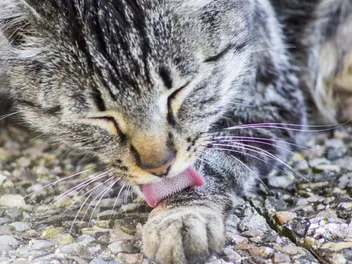
Similar to how a cat would suck their tail to relieve pain, they could do it when feeling stressed or anxious too. The endorphins released when grooming their tails through licking and suckling are soothing for overly anxious cats.
Furthermore, it might be considered a displacement behavior in cats highly aroused from situations of anxiety or stress. Displacement behavior can happen when cats cannot perform an appropriate behavior to a situation or emotion and perform an irrelevant activity instead. In this case, their displacement behavior would be tail-sucking to self-soothe when they are stressed or anxious.
For example, an anxious cat that is being harassed by another cat has the option to either run away or hide, but groom themselves instead. Although this behavior doesn’t seem like an appropriate reaction to the situation, it’s the cat's way of trying to make themselves feel better.
Those caring for anxious cats understand the struggles and discomfort that their companions feel on a daily basis. The innovative bowl shape of the Hepper Nest Bed provides nervous pets with support and its high sides offer a sense of security, diminishing stress and worry. To learn about how to the Hepper Nest can provide solace to your cat, click here.

- COMFY KITTY - Your cat or kitten will have an amazingly deep sleep in this self warming, nesting cat bed. The warm, fluffy cat bed lining provides calming stress relief for cats of all ages.
- PRETTY HOME - This round cat bed has a modern and unique design that’s perfect for a sleek indoor look. We don’t think of it as cat furniture but think of the Cat Nest as a “cat home”.
- SPACE SAVER - Reclaim your desk, window sill, or couch from kitten encroachment. This calming nest cat bed has an elevated, space-saving hideout so comfortable your kitty can't resist!
At Catster, we’ve admired Hepper for many years and decided to take a controlling ownership interest so that we could benefit from the outstanding designs of this cool cat company!
Conclusion
There are various possible reasons a cat could start sucking their tail. These possibilities range from instincts, pain, psychological, allergies, and even to promote relaxation. Tail sucking usually isn't concerning in cats who occasionally do it for relaxation or instinctive reasons. However, it can be concerning if they do it because of pain, allergies, anxiety, and stress-related reasons.
If your cat's tail sucking is becoming excessive or causing skin irritation or hair loss, you should contact a veterinarian.
See also:
Sources
Featured Image Credit: Vladimir Lazarev, Shutterstock
Expert cat care, straight to your inbox
News, insights, and useful advice, delivered to you.

No spam — unsubscribe anytime.
By signing up, you agree to our Terms & Conditions and Privacy & Cookies Policy.
How useful was this post?
Click a star to rate. You can leave written feedback afterwards. (We read all feedback.)
Sarah Psaradelis is an avid young writer with dual passions for literature and animals. She enjoys sharing knowledge of animal care and helping others. Sarah has over 8 years of writing experience and is currently studying veterinary science. She resides in South Africa where she takes care of fish, aquarium snails, dogs, and rodents. Sarah is a passionate vegan activist and animal rescuer pursuing her path to make the world a better place for humans and animals alike.