Norwegian Forest Cat: Info, Pictures, Facts, & Traits
In this article
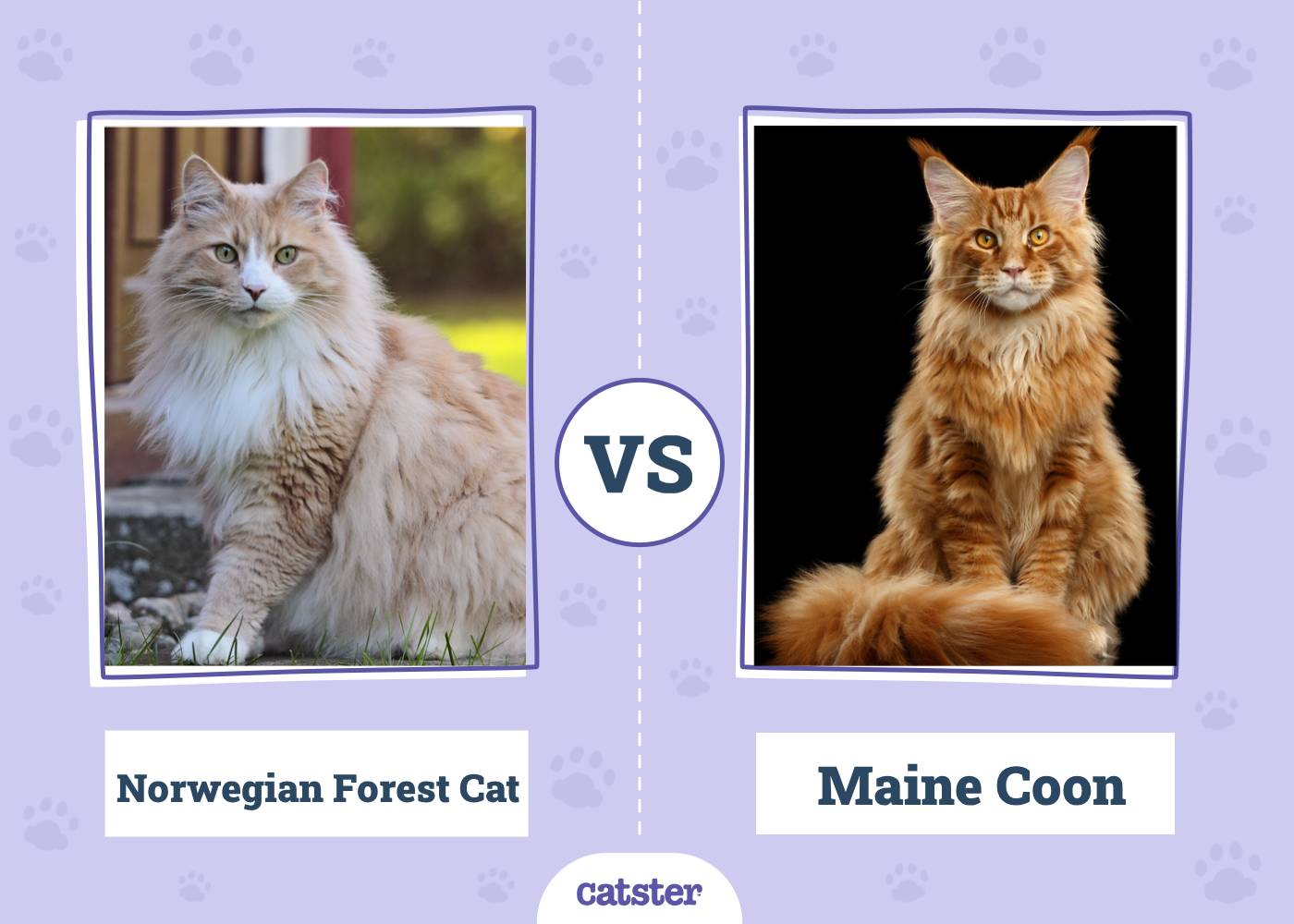
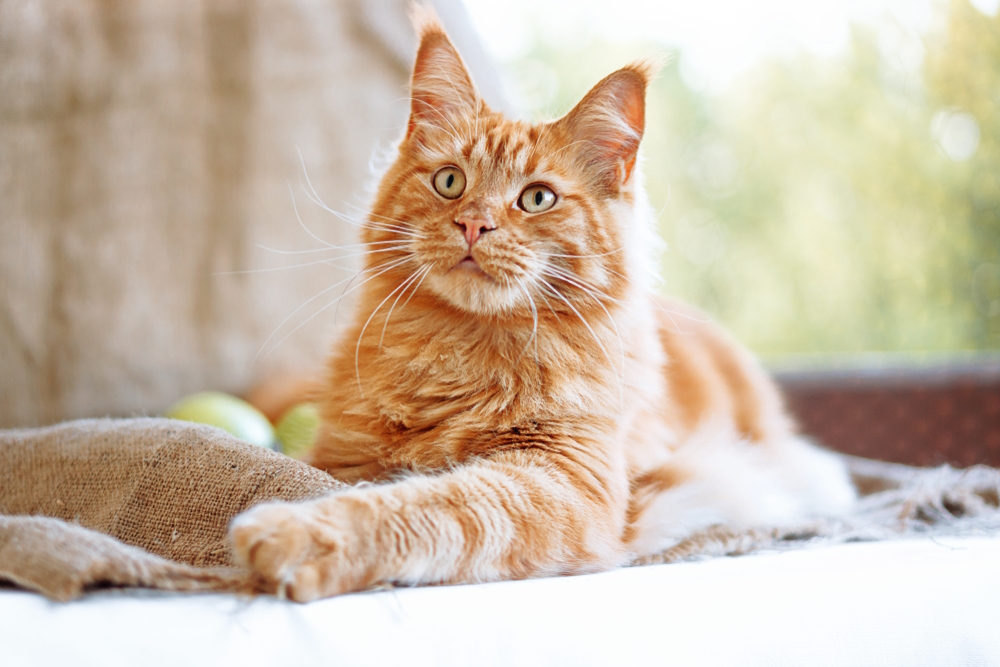
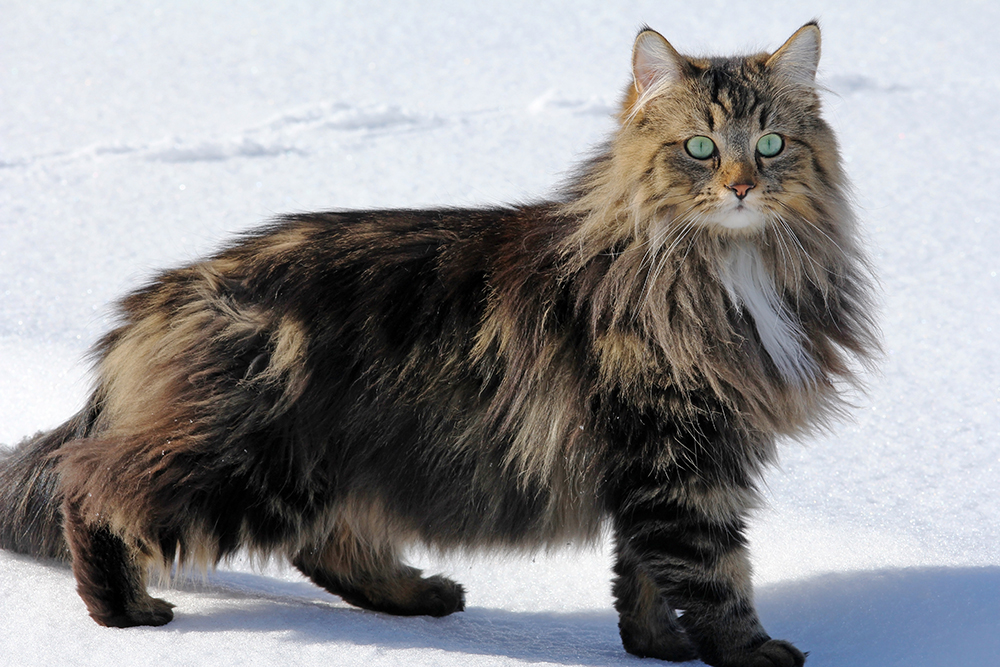
If you’re looking for a chunky cat that’s larger than life in more ways than one, the Norwegian Forest Cat's size and personality could make it the perfect addition to your family. This ancient breed is thought to have descended from the domestic cats found in Northern Europe during the Roman reign of power.
These muscular cats are sometimes nicknamed “Wegies,” and you will find that they elicit plenty of love and loyalty from their owners. This breed is significantly larger than your average domestic cat, and it’s no surprise that their forest heritage means they have a love of climbing. They can often be found hanging out on the tops of shelves, watching the world go by.
Breed Overview
Height:
Weight:
Lifespan:
Colors:
Suitable for:
Temperament:
Norwegian Forest Cats are affectionate yet not overly vocal. They’re smart and love to learn tricks or take their owners for adventures. If you have other pets, their playful nature means they can get along wonderfully in a multi-pet household. Let’s find out everything that you need to know about the charismatic Norwegian Forest Cat.
Norwegian Forest Cat Characteristics

Norwegian Forest Cat Kittens

We’ll warn you now that if you visit a litter of adorable Norwegian Forest Cats, you might not be able to resist bringing a sweet kitten home with you! While they might be cute, you need to be sure that you’re up to the challenge of owning this breed.
These cats are intelligent, playful, and energetic. While they’re perfectly happy to nap at least some of the day away, they need plenty of interaction from their owners if they’re going to be happy and content. This breed is also heavier and larger than most other cat breeds, so you may find that standard-sized cat accessories simply won’t suit them. You may need to invest in a larger cat carrier, scratching post, and cat bed than you might expect!
They can also suffer from a few different health conditions, and while the risk of your kitten developing these can be minimized by choosing a reputable breeder, you still need to be sure that you can accommodate any future vet bills.
Temperament & Intelligence of the Norwegian Forest Cat 🧠
Norwegian Forest Cats are affectionate but on their terms. They’ll be happy to come and sit on your lap for a cuddle when they feel like one, but you shouldn't expect them to always want to be picked up and snuggled.
These are clever cats, and they will love to have plenty of opportunities to play with food puzzles, toys, and anything else that you can provide to keep them entertained.
They’re an active breed but tend to swing between periods of focused and active play and a long nap or rest in a pool of sunshine. One thing that this breed absolutely loves is being as high up as possible. They’ll often seek out the highest point in your house, so if you can’t find your cat, be sure to look up! Given the Norwegian Forest Cat’s size, you may find that you want to secure any delicate bookshelves to the wall and consider placing breakables in areas of the house where your cat doesn’t have access. They may also need a larger and sturdier cat tree than most other breeds!
Are These Cats Good for Families? 👪
Norwegian Forest Cats are adaptable and laidback, and can easily fit into family life with minimal fuss. They’re not generally bothered about strangers, and while they may not seek them out for attention, they won’t go running from the room either.
While Norwegian Forest Cats do love attention and companionship, they’re also happy spending part of the day on their own. As long as they have something to eat, a cozy place to sleep, and something to climb, they’ll be happy to entertain themselves while you’re out of the house.
They can be a great choice of breed for kids to interact with, as they love playing and spending time with humans. Just make sure you teach kids to respect the cat’s need for space and to allow them to retreat to their own space when they’ve had enough.
Does This Breed Get Along With Other Pets? 🐶🐱
Norwegian Forest Cats are a great choice for a multi-pet household, and they can learn to live alongside both other cats and dogs. Depending on the personality of your cat and any other pets, they can enjoy playing together.
Just make sure to introduce new pets to each other carefully, and limit the first few introductions to short periods. Ensure that each pet has their own space to retreat to, and make sure they don’t need to compete over resources like water and food.
Norwegian Forest Cats might be large, but they don’t have the strongest prey drive. While we would never recommend leaving them in the same room as smaller pets unattended, they can usually live in the same house without any issues.

Things to Know When Owning a Norwegian Forest Cat
Deciding to become the owner of a Norwegian Forest Cat will involve an investment of both money and time. Make sure you can commit to their needs before you decide to bring a kitten home. Here are more details to help you make up your mind.
Food & Diet Requirements 🐡
Norwegian Forest Cats are active and will benefit from a diet that’s high in real meat. Look for a food that contains meat as the first ingredient and is free from meat by-products, artificial flavors, or colors.
Whether you choose to feed your cat wet food, dry kibble, raw food, or a combination will depend on your preferences and budget. Wet food can help add essential water to your cat’s system, which will keep them hydrated. But wet food is more expensive and can be messy. Dry kibble is convenient and cost-effective but lacks moisture. Many owners choose to combine both, feeding wet food at set times and leaving dry kibble out during the day.
Keep a close eye on your cat’s weight, as many domestic cats can become obese, which can lead to health conditions like diabetes. Your vet can help you assess your cat’s body condition to make sure they are a healthy weight.
This breed can develop hip dysplasia, so adding a supplement like glucosamine or choosing a food with omega fatty acids can help keep their bones as healthy as possible.
- Our Recommendations: Best Glucosamine for Cats – Reviews & Top Picks
Exercise 🐈
Norwegian Forest Cats are active, but they’ll also intersperse bursts of energy with a long nap. If your cat lives indoors, you may want to provide them with a range of enrichment options, including an outdoor cat enclosure, birdwatching stations, and of course, plenty of opportunities for climbing.
Adding shelves of different heights that your cat can sleep on, as well as climbing trees and elevated platforms, can stop your cat from climbing your bookcases or kitchen cupboards!

Training 🧶
Norwegian Forest Cats are intelligent and love to spend time with their owners, which makes them excellent candidates for training sessions! Whether your cat lives indoors or out, spending time each week teaching them basic commands is a great way to bond with your cat and provide them with mental and physical stimulation.
Norwegian Forest Cats do have an independent streak, so it’s best to keep your training sessions short, and don’t be surprised if they head off halfway through to find something else to do!
Using positive reinforcement training and having a few of your cat’s favorite treats and toys to use as rewards is a great way to motivate your cat and keep them engaged during training sessions. Norwegian Forest Cats can be taught to sit, stay, high-five, walk on a leash, come when called, and much more!
Grooming ✂️
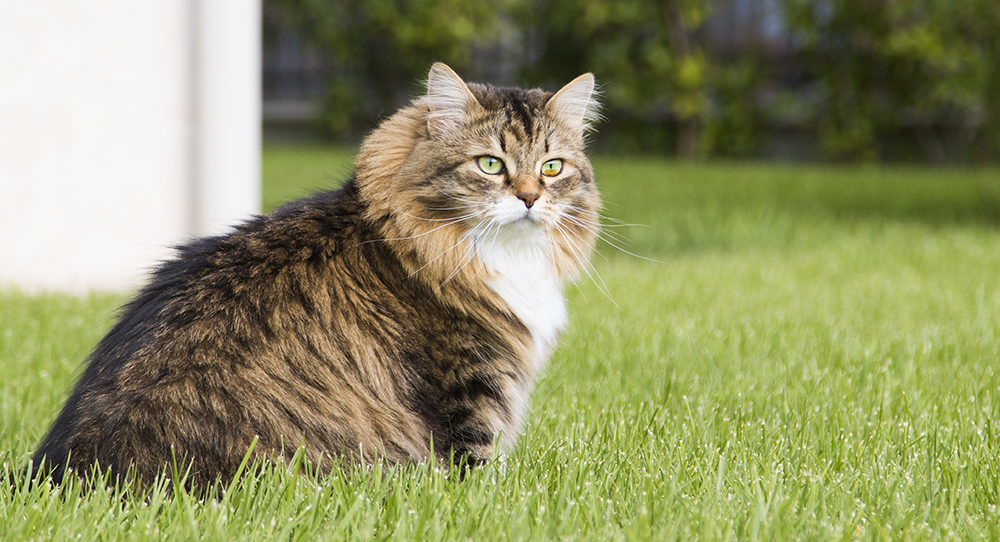
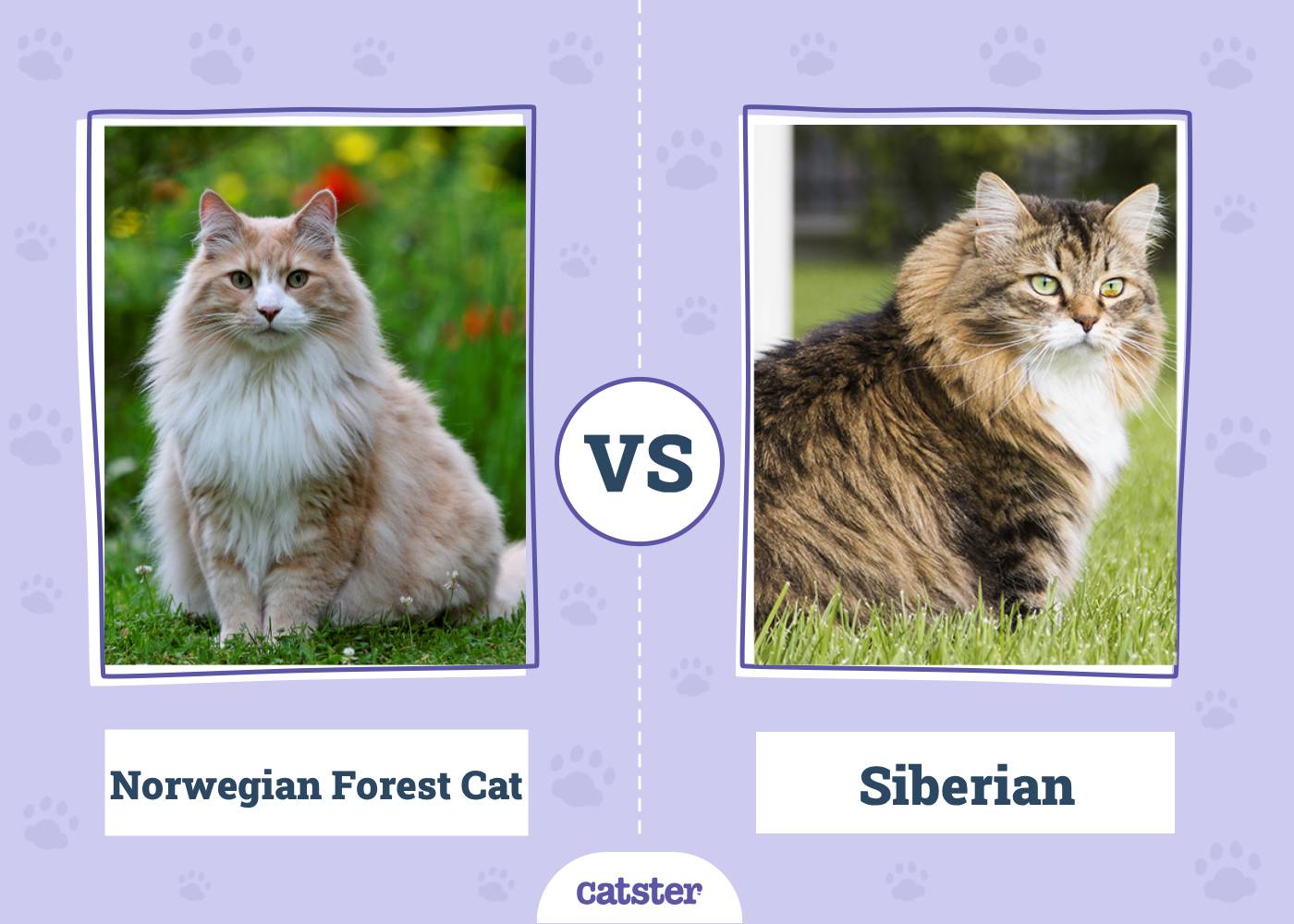
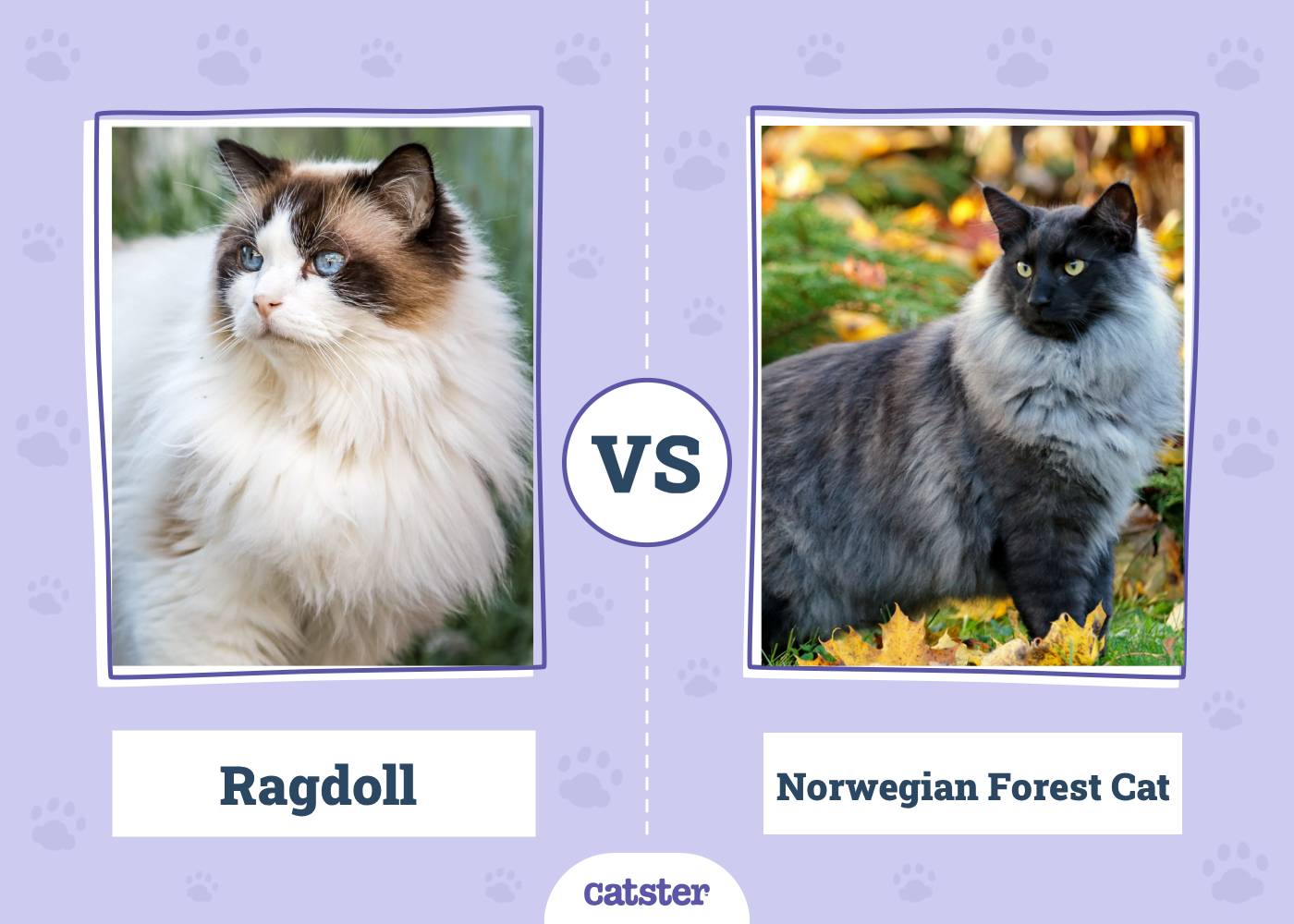
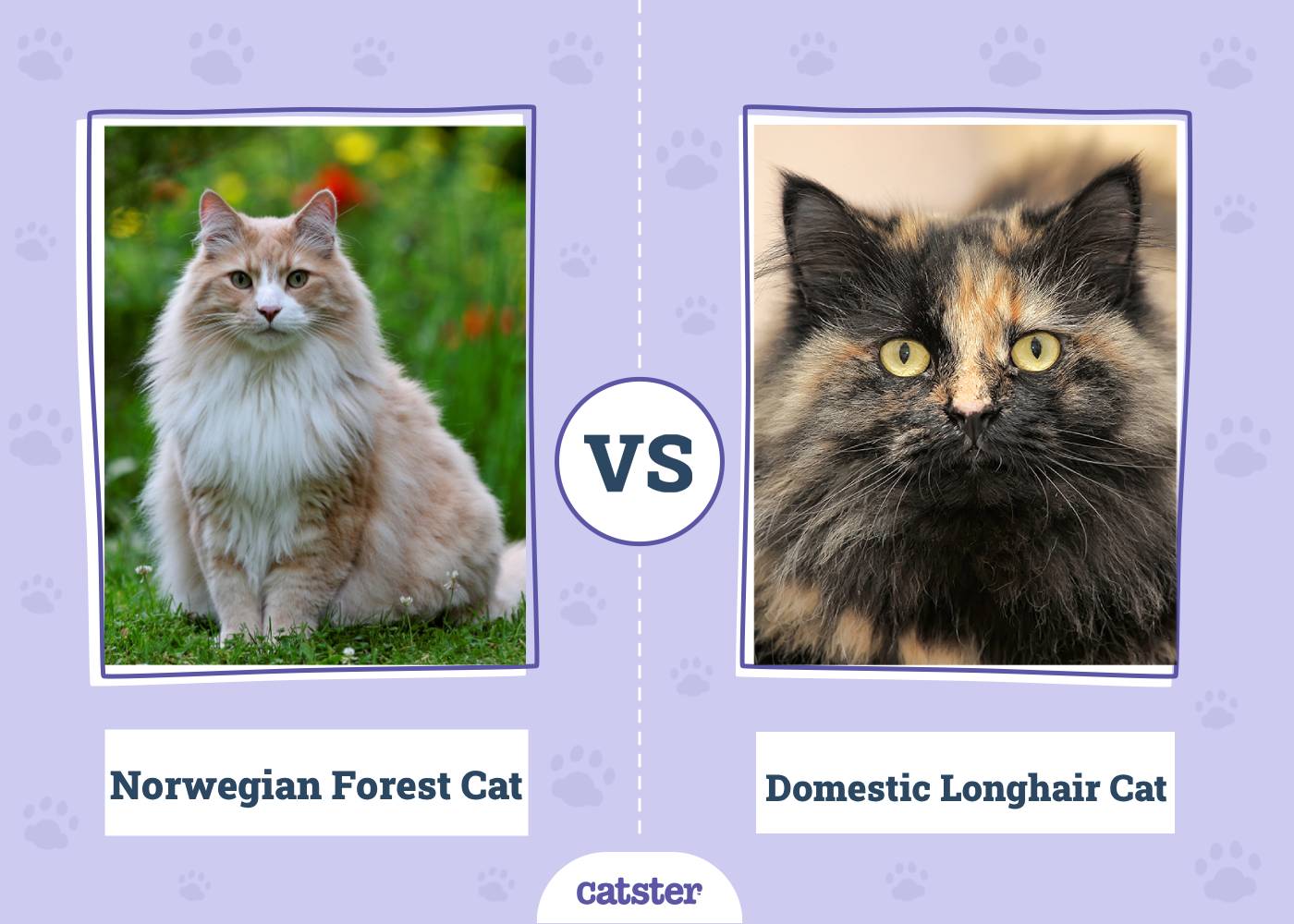
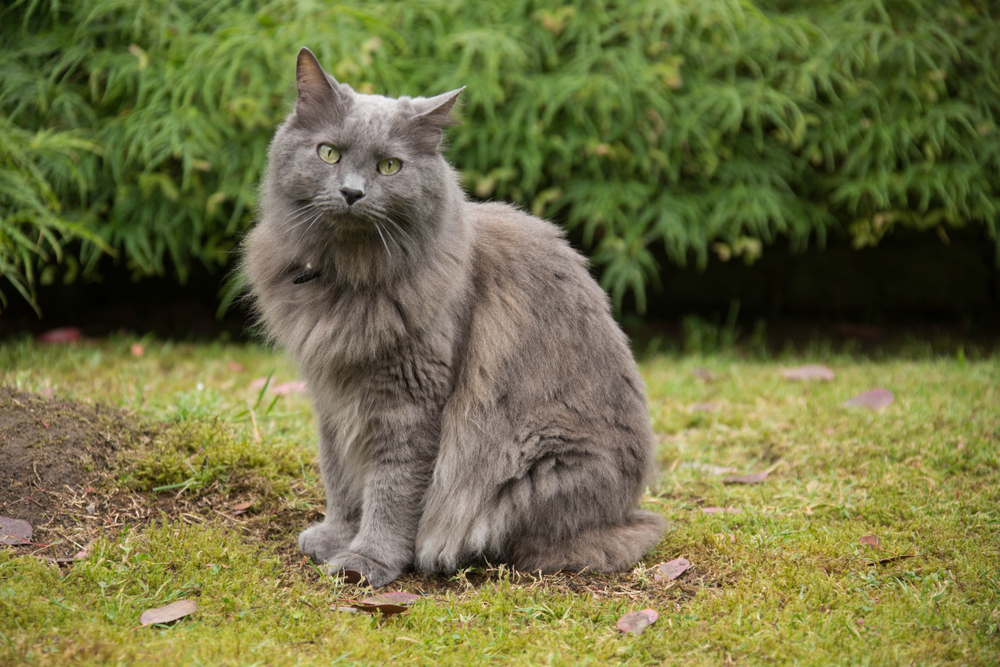
Norwegian Forest Cats have a double coat: a coarse, waterproof outer layer and a soft, insulating undercoat. It can take a Wegie kitten up to 6 months before they start to develop their tough outer coat, so take advantage of that fluffy softness while they’re still young!
Their coat is medium to long but is fairly low maintenance. A quick brush once or twice a week will usually be enough to keep their coats smooth and tangle-free.

Health and Conditions 🏥
Overall, the Norwegian Forest Cat is a healthy breed but like many purebred cats, they can suffer from a few hereditary conditions, which you’ll need to speak to a breeder about in detail. We outlined the most common of these here. All of these can be tested for, so ask for the results of health tests that the breeder carried out on both parent cats.
Male vs. Female
By now, you might have decided that the Norwegian Forest Cat is the perfect breed for you and your family. If you are now trying to decide if you’d prefer a male or female kitten, know that there are advantages and disadvantages to each.
The main thing is to choose a kitten with the personality that appeals to you the most and worry about what sex they are later.
3 Little-Known Facts About the Norwegian Forest Cat
1. They Can Be Found in Over 60 Different Colors
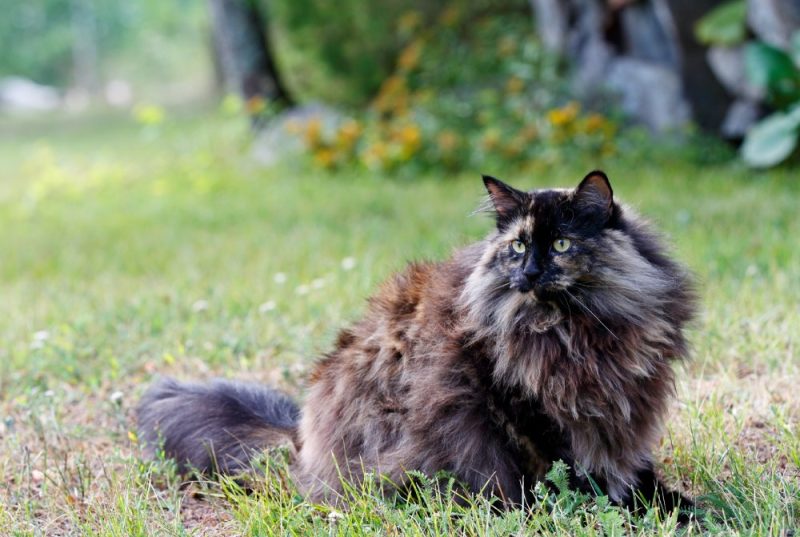
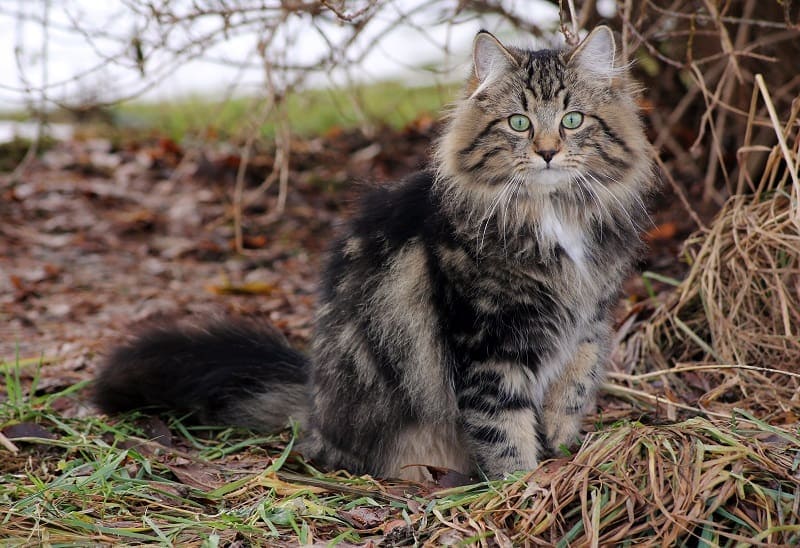
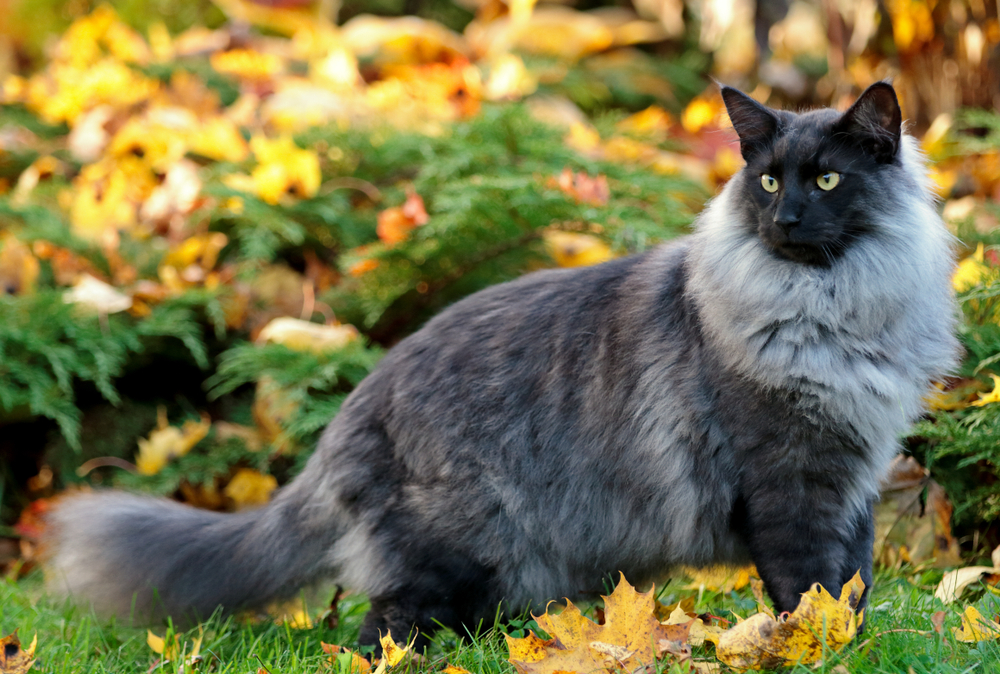
If you’ve been dreaming of an unusual-colored cat, you’re in luck! While one of the most common colors for a Norwegian Forest Cat is tabby with white patches, the Cat Fanciers Association (CFA) breed standard accepts over 60 different colors. So, from silver chinchilla to black, red smoke, orange, tortoiseshell, van bi-color, and others, you have so many choices!
The only colors that are not accepted are any that point to crossing with another breed. These include the Himalayan pointed pattern in any color, as well as fawn, cinnamon, sable, lavender, lilac, and chocolate.
2. They Have a Few Different Names
You might see the Norwegian Forest Cat referred to as a “Wegie,” but they’re also sometimes called the Norsk Skogkatt, Norskogatt, or Norskskaukatt. In their native Norway, they’re simply referred to as Skogkatt, or Forest Cat.
3. They’re an Ancient Breed
There are mentions of a large, longhaired cat in Norse myths, leading plenty of people to believe that these cats have been sharing their lives with humans for centuries. The Norse myths were originally shared orally but were written down sometime around 800 C.E. to 1200 C.E.
The Norwegian Forest Cat wasn’t recognized as a breed until the 1930s, but after the Second World War, the breed was nearly extinct. In the 1970s, breeders attempted to revive the breed. They were first seen in America in 1980 before being accepted into the CFA in 1984.
Final Thoughts
The Norwegian Forest Cat is a charismatic breed that will soon become a well-loved member of your family. They have many wonderful qualities, including affection, intelligence, independence, and just enough sassiness to make life interesting! You may come home to find your plucky Wegie kitten peering down at you from the highest spot that they can find or to learn that they’ve persuaded the dog to indulge them and play with their favorite toys.
Norwegian Forest Cats love attention, but they’re also happy to entertain themselves when you’ve got things to do. Their thick coats are relatively low-maintenance and may remind you of a wild cat when you see your pet stalking through the backyard. Wegies can suffer from certain health conditions, though, so you need to make sure to talk these over with any breeder.
If you have a Norwegian Forest Cat, we’d love to hear more about them!
See also:
Featured Image Credit: Astrid Gast, Shutterstock

Expert cat care, straight to your inbox
Vet-reviewed advice, behavior tips, and the best of Catster. Free, and you can unsubscribe anytime.
By signing up, you agree to our Terms & Conditions and Privacy & Cookies Policy.

Christian started writing for a local newspaper as a teenager, and he's been involved in the publishing industry for most of his adult life. Combining his love of writing with a passion for animals, he is currently the Director of Editorial at Pangolia and the Editor-in-Chief at Catster.
Christian lives in the Philippines with his wife, son, and four rescue cats: Trixie, Chloe, Sparky, and Chopper.
Join the conversation
Ask a question, share your story, or send private feedback.