Ragdoll Cat vs. Norwegian Forest Cat: Main Differences (With Pictures, Vet-Reviewed)


In this article
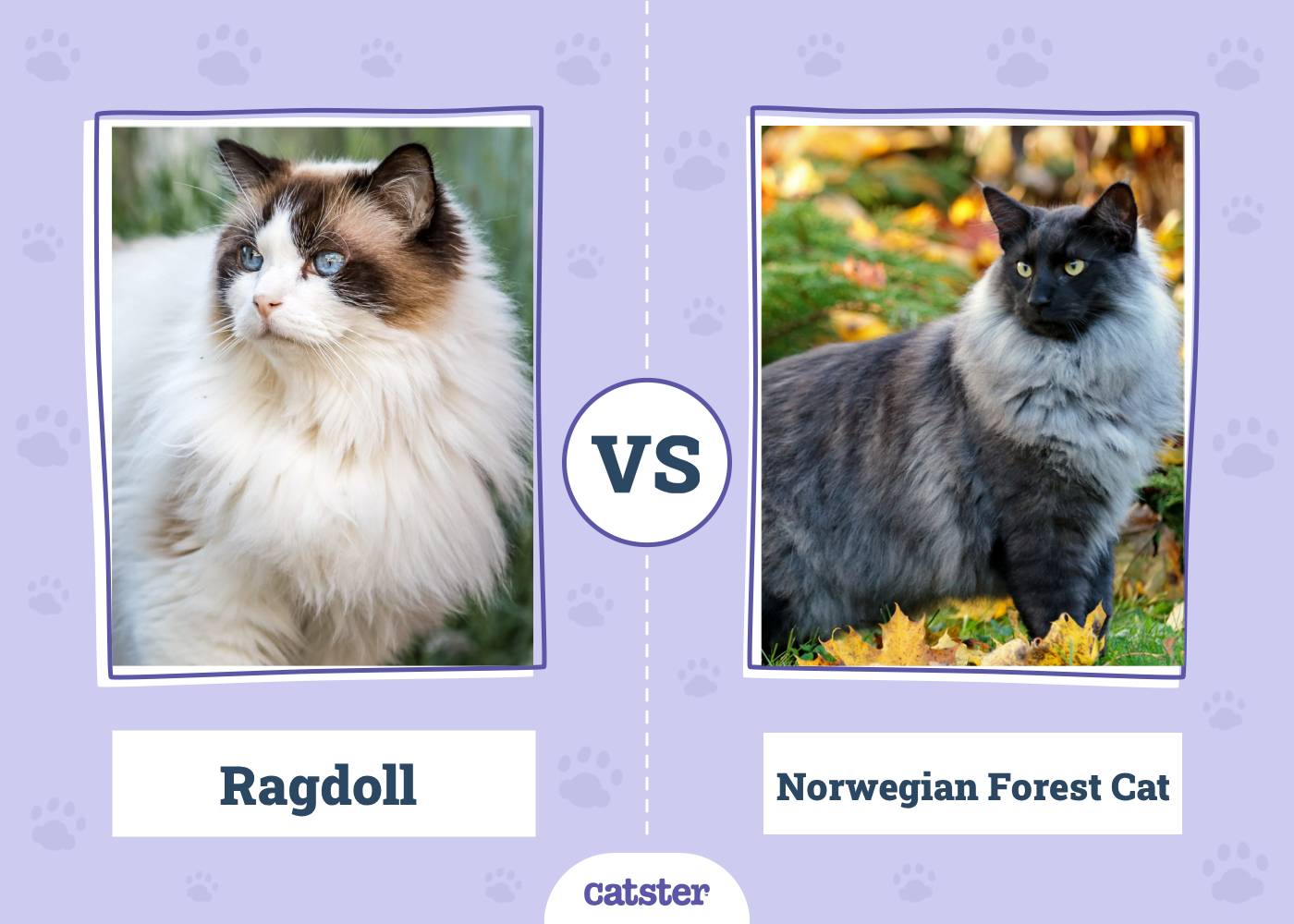
Ragdolls and Norwegian Forest Cats have very similar appearances with their long, thick coats and cute little faces. These breeds are also known for being exceptionally sweet and pretty chill about life in general. So, what’s the difference between the two?
While they have similar temperaments and appearances, you’ll find one breed to be more active and another to be a bit more affectionate. Plus, there are some other minute differences between them as well. Here’s a brief look at how the two breeds compare and differ, so you can decide which one would make the perfect addition to your family.

Visual Differences

At a Glance

Ragdoll Cat Overview

These adorably floppy cats were developed in California in the 1960s, making them a younger breed. Interestingly, the breeder who developed the Ragdoll had several wild claims about them, including CIA experimentation and alien influence. As a result, other breeders who followed in her footsteps and began breeding Ragdolls eventually distanced themselves from her.
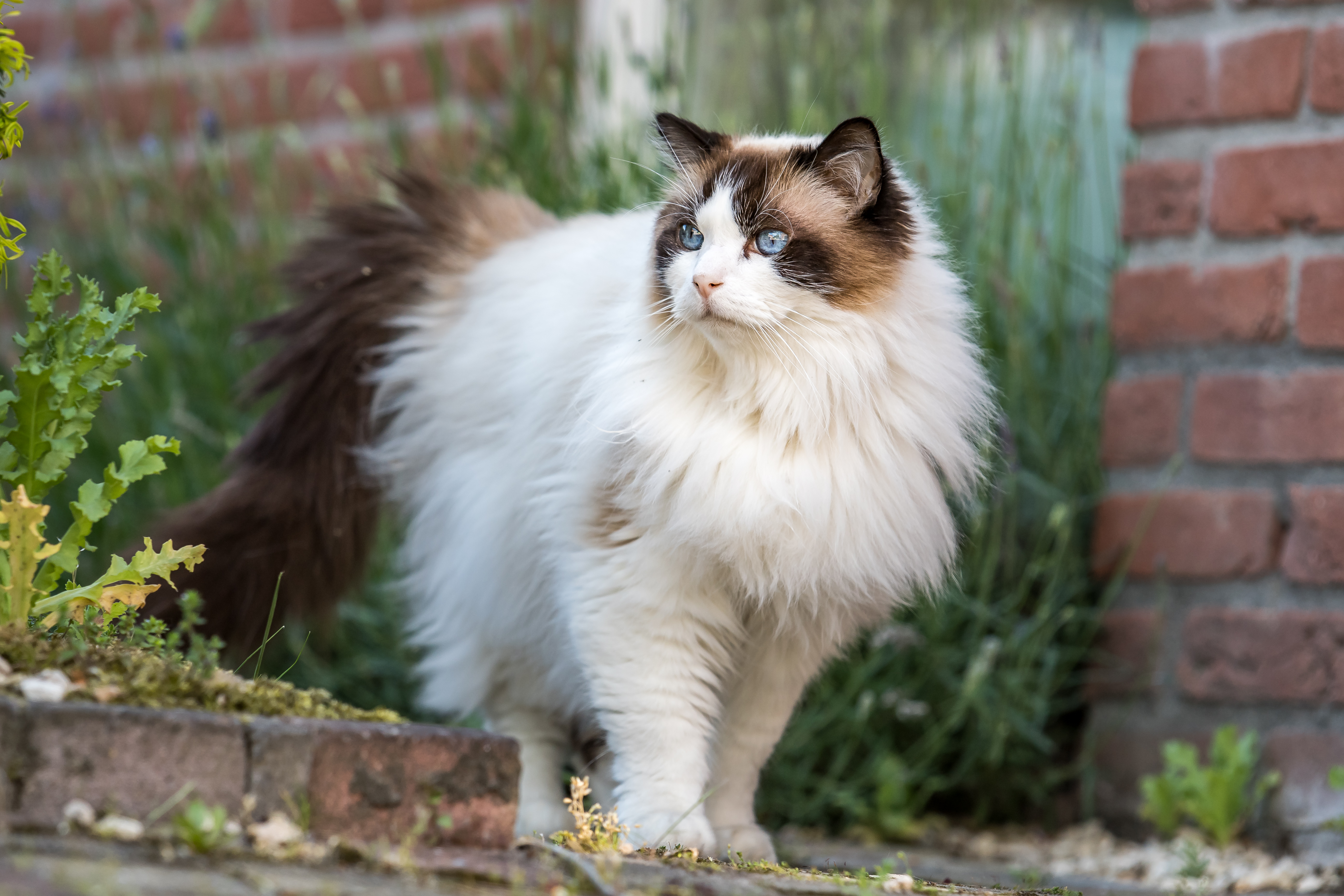
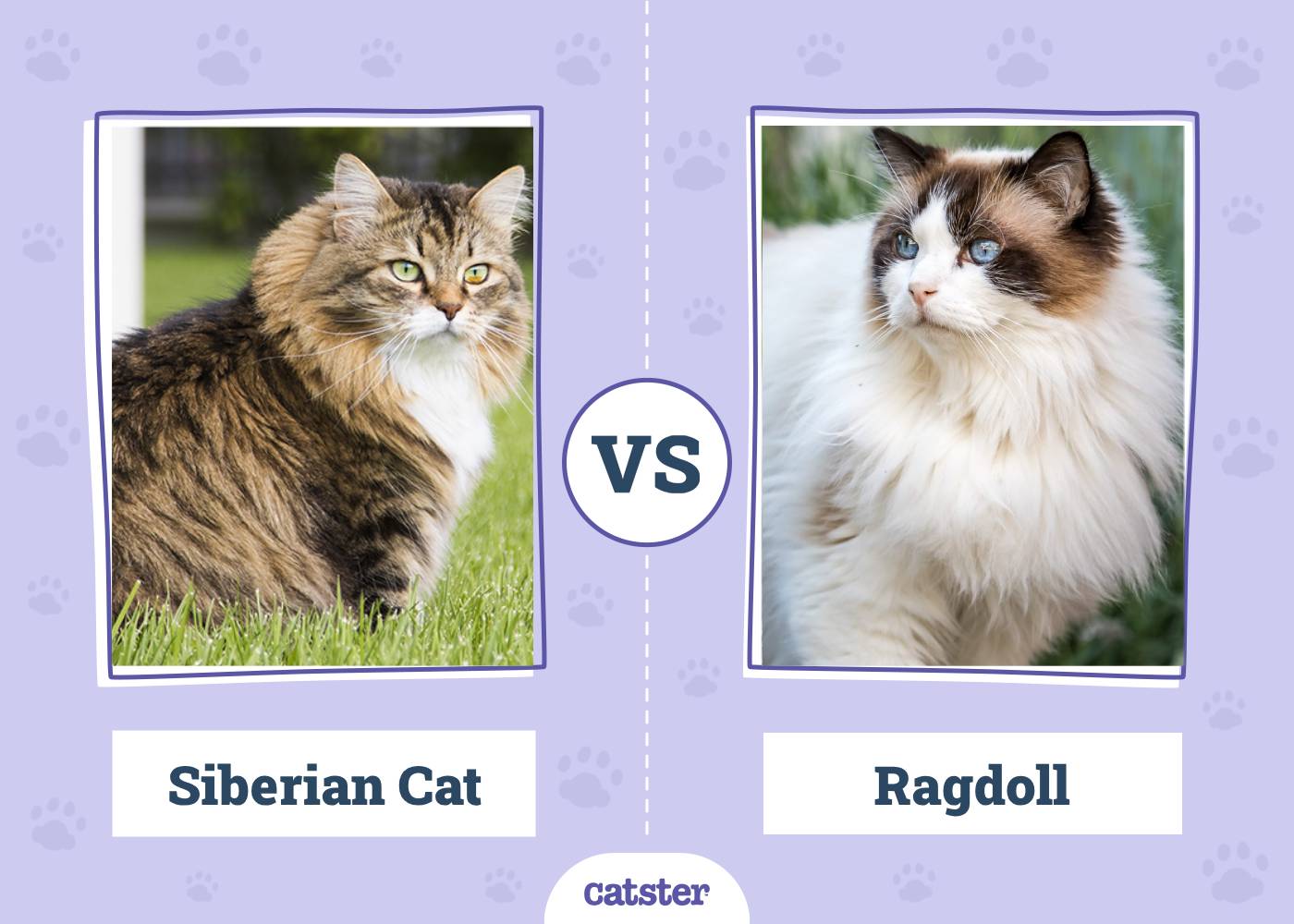
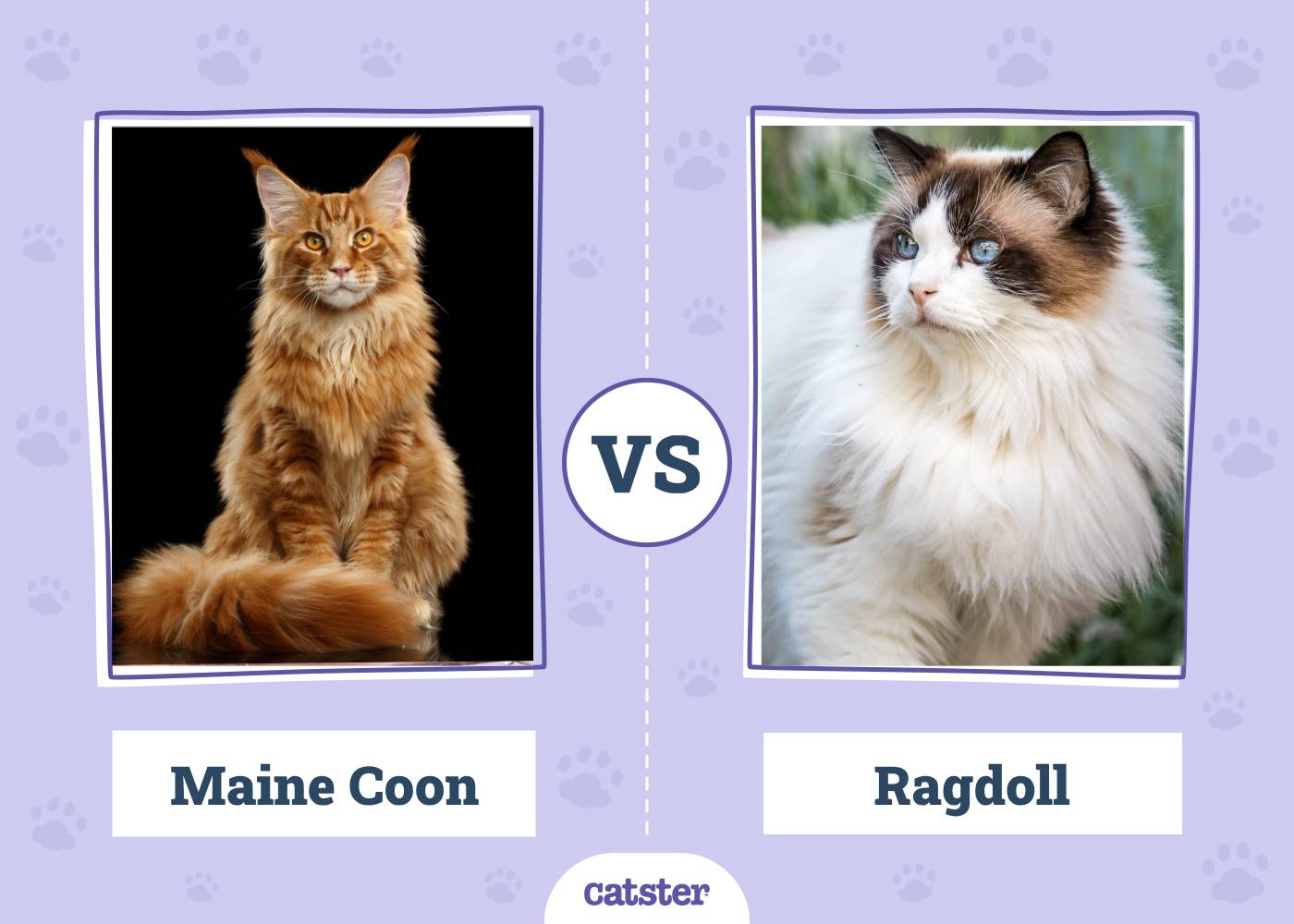
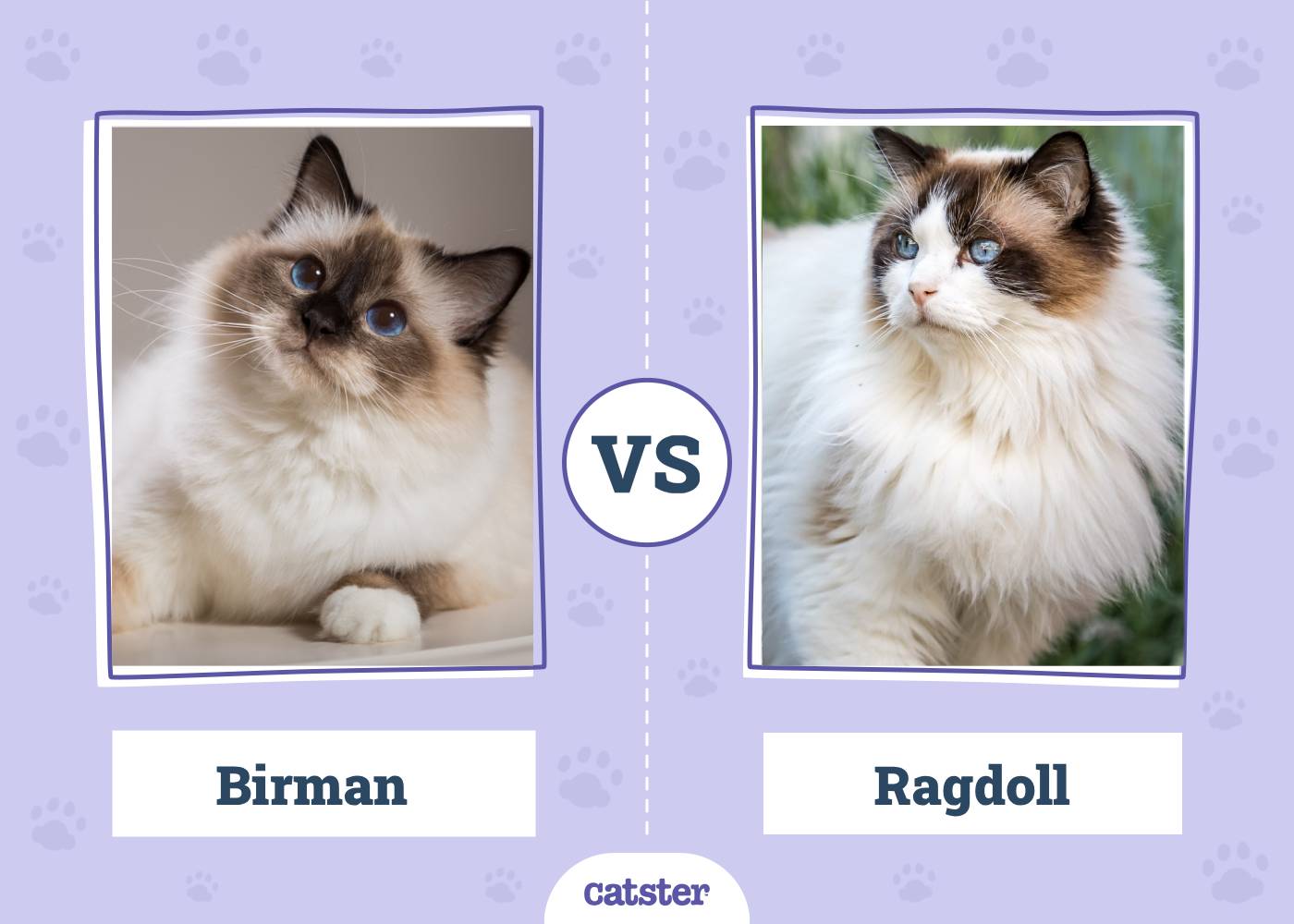
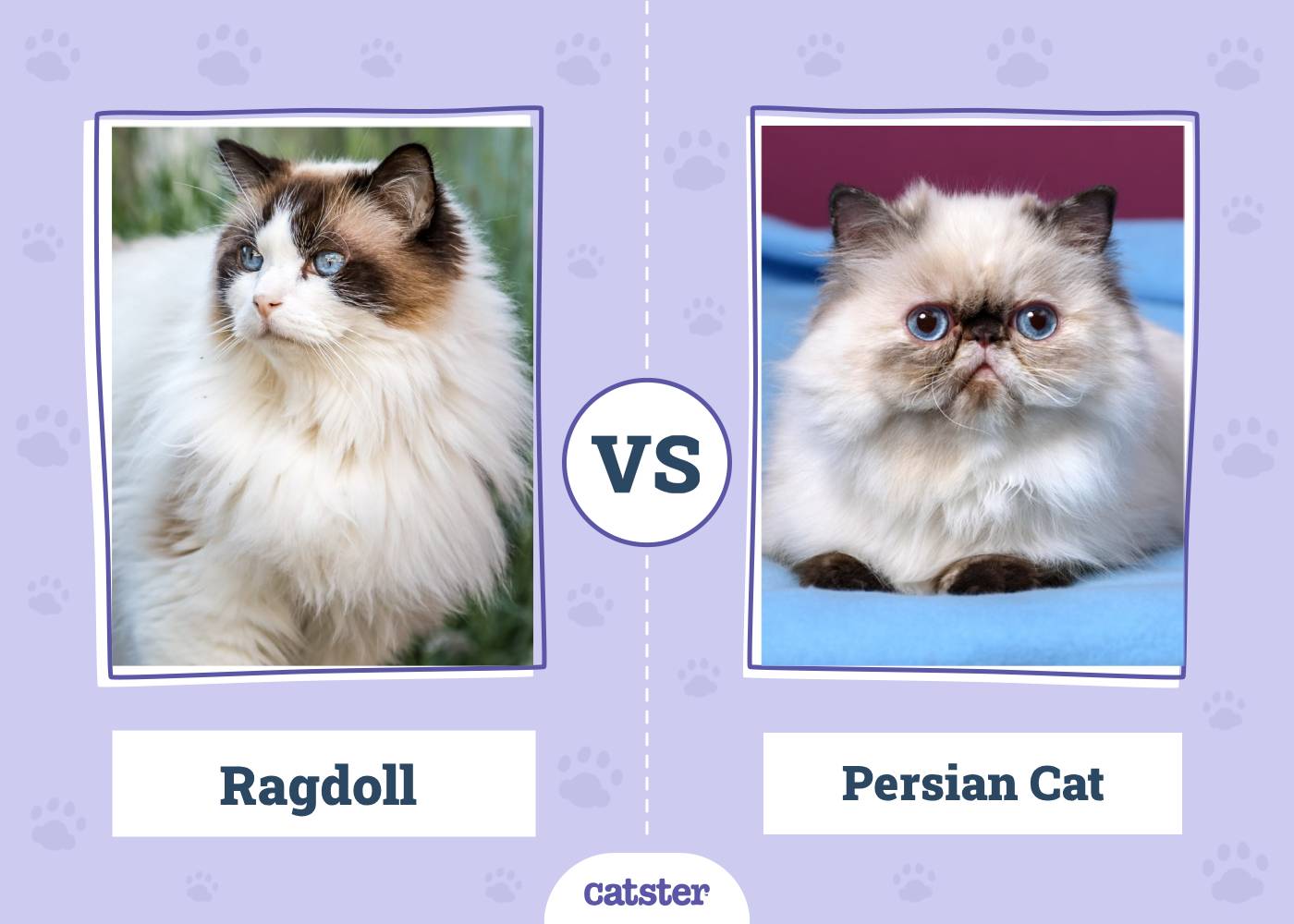
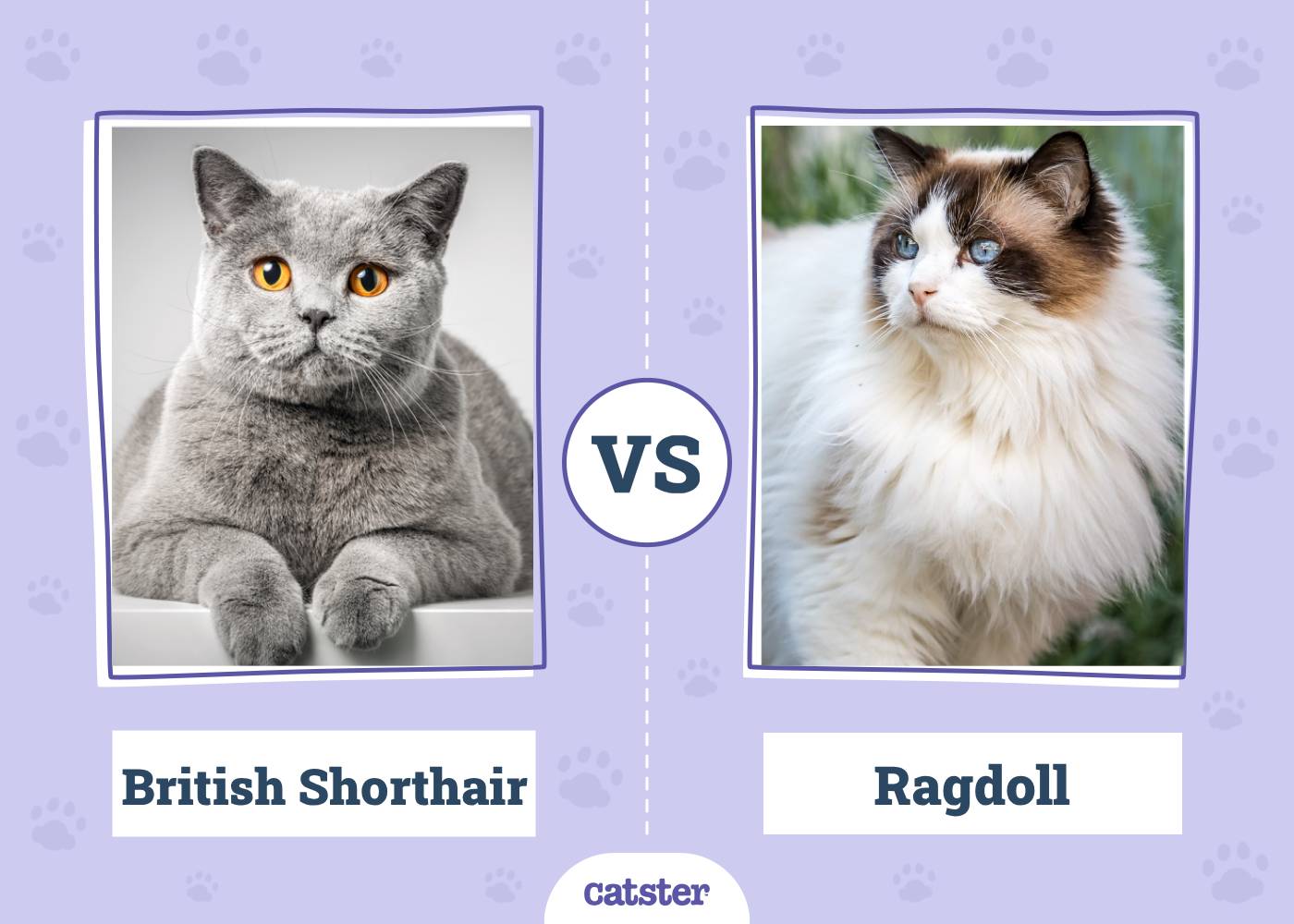
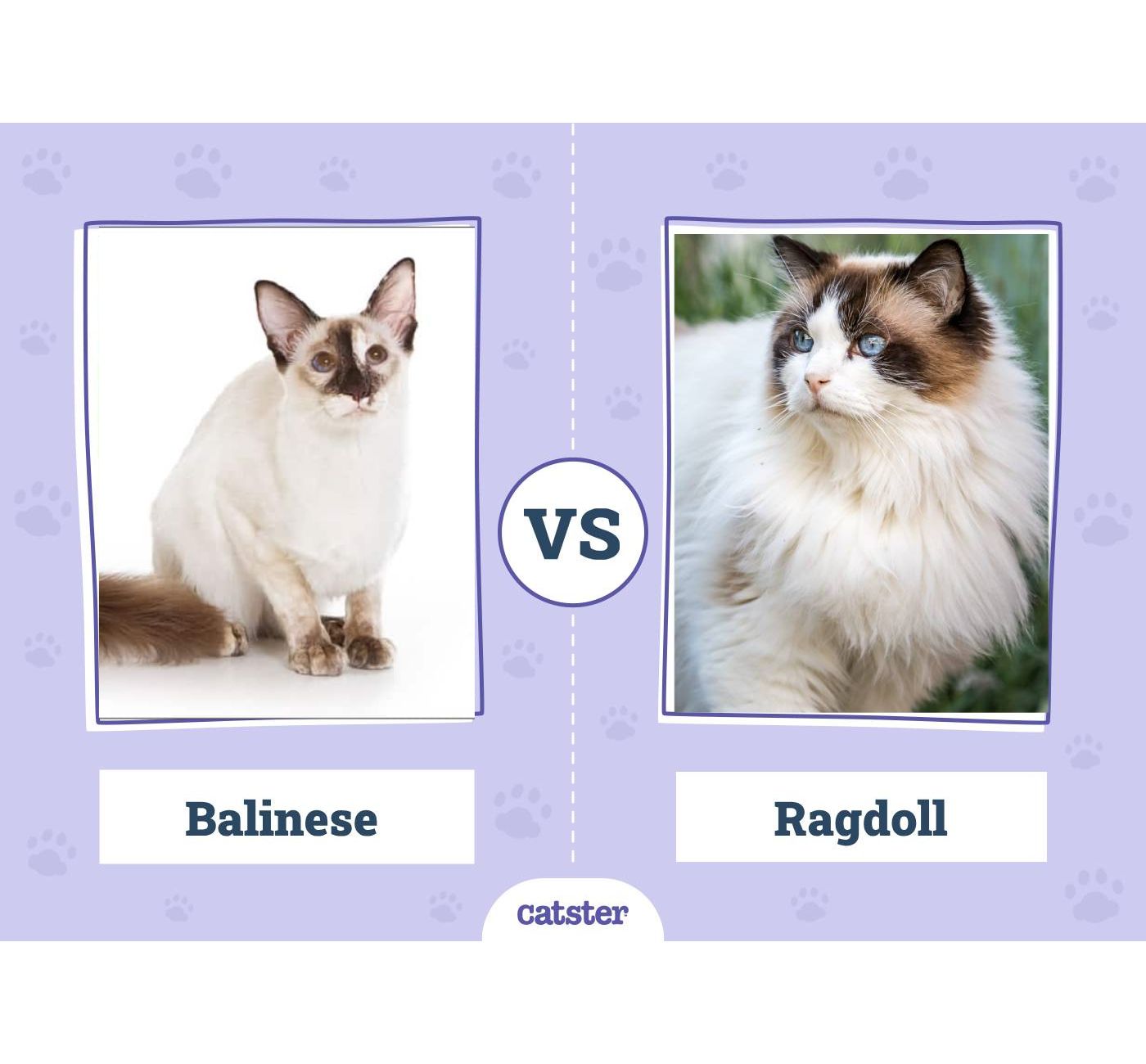
The Ragdoll is amongst the largest of domestic cats and is notable for their size and blue eyes. They have lighter-colored bodies with darker faces, tails, and legs.
Temperament
The Ragdoll’s name comes from the fact that they simply flop into the arms of whoever is holding them. They are incredibly affectionate and friendly cats who will wait for you at the door when they know you’re coming home, then follow you everywhere you go. They love snuggling up and spending time with their people.
Though they are laid-back and commonly called docile, it doesn’t mean this kitty doesn’t like to play! Ragdolls love toys and engaging in activities with the family; they can even learn to fetch or come when you call them. These kitties are also quite curious and enjoy figuring things out themselves.
They are quite polite and well-behaved, especially if you teach them desirable behaviors early on, such as using a scratching post. Ragdolls also aren’t very vocal. They may give you a tiny meow here and there, but they aren’t as loud as other breeds.

Care
When caring for a Ragdoll, you’ll need to learn how to groom them properly and what possible health issues you should keep an eye out for.
Grooming
Grooming your Ragdoll properly may seem like it will take a lot of time, but mostly it involves daily brushing. Because they have longer coats and little undercoat, you should groom them daily to remove tangles and mats. Pay particular attention to the hair on their legs, where mats are more likely. So long as you comb gently, you’ll find that your Ragdoll will love the experience and attention!
You’ll also need to occasionally check your cat’s tail to make sure no poop has gotten stuck in the fur there. Simply use a baby wipe to get rid of it if you do find some. Since the Ragdoll is a larger breed, be sure you get a large enough litter box for them—it can help keep them clean. You won’t need to fully bathe your Ragdoll often, as they are a very clean breed, but if you notice that their coat looks stringy or greasy, a bath might be needed.
Brushing your cat’s teeth is essential to preventing dental disease. While daily is recommended, we know the struggles of trying to brush a cat’s teeth. It’s best to get your cat used to toothbrushing from an early age. If, for some reason, you can’t manage daily, do it as often as you can.
Your Ragdoll’s nails should be trimmed if they start getting long. The ears should be checked weekly and cleaned with a cotton ball if dirty.
Health
You’ll find that the Ragdoll is a fairly healthy breed, but they are more at risk for a few diseases. In particular, it is hypertrophic cardiomyopathy. This heart disease is an inherited disease in Ragdolls. To lessen the chance that your cat may have this, always purchase from a reputable breeder and make sure they’ve done genetic tests to rule out this condition.
Yet another potential health risk for your Ragdoll is cryptococcosis, an infection caused by a fungus called Cryptococcus neoformans. The fungus gets in through the nasal passage and then spreads to other parts of the body. However, the good news is that most cats can be treated successfully for this.
Finally, your Ragdoll can become overweight if not encouraged to exercise regularly. Obesity can lead to a host of illnesses, so encourage your pet to play often and ensure they aren’t overeating.

Suitable For:
Due to their friendly, affectionate natures, Ragdolls make a suitable pet for just about anybody. They do incredibly well with children because of their laid-back tendencies, so they’re the perfect cat for families, although they still need supervision around kids. If those chill tendencies also extend to other pets, you shouldn't need to worry about them getting along if you have other cats or dogs in the home and they’ve been properly introduced. Do keep an eye on a Ragdoll around smaller pets, such as guinea pigs, though. While these cats don’t have a high prey drive, they are still cats and can be prone to chasing and injuring smaller animals.
Pros
- Very friendly
- Laidback
Cons
- Moderate grooming
- Potential for being overweight
Norwegian Forest Cat Overview

The Norwegian Forest Cat is an incredibly old breed, thought to have descended from cats in Europe during the time of the Roman reign, although this remains unconfirmed. Another of the larger breeds, these cats, also known as “Wegies,” came to the United States around 1980.
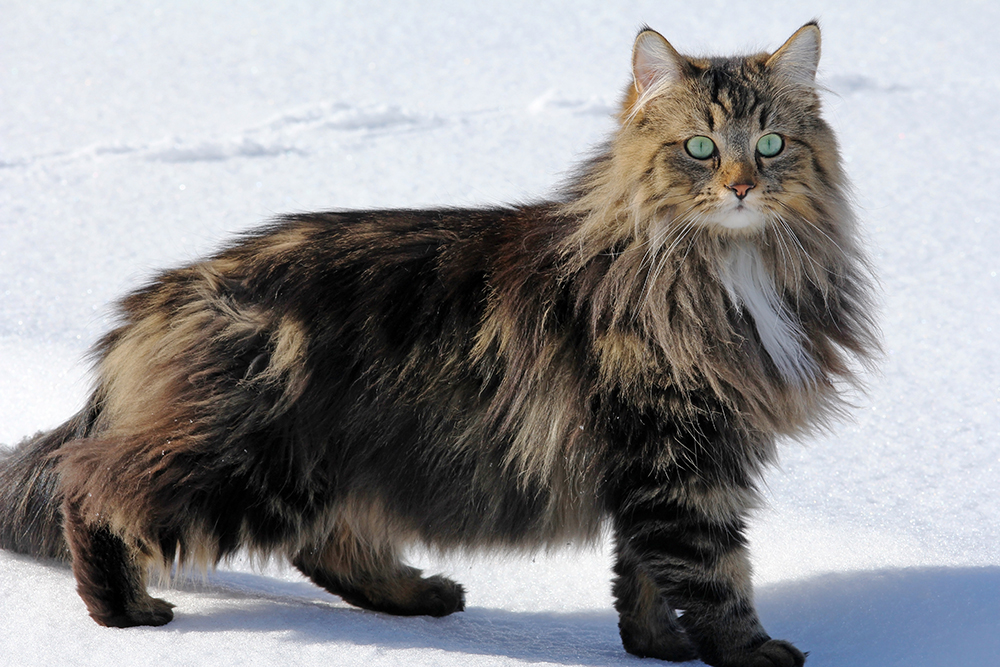
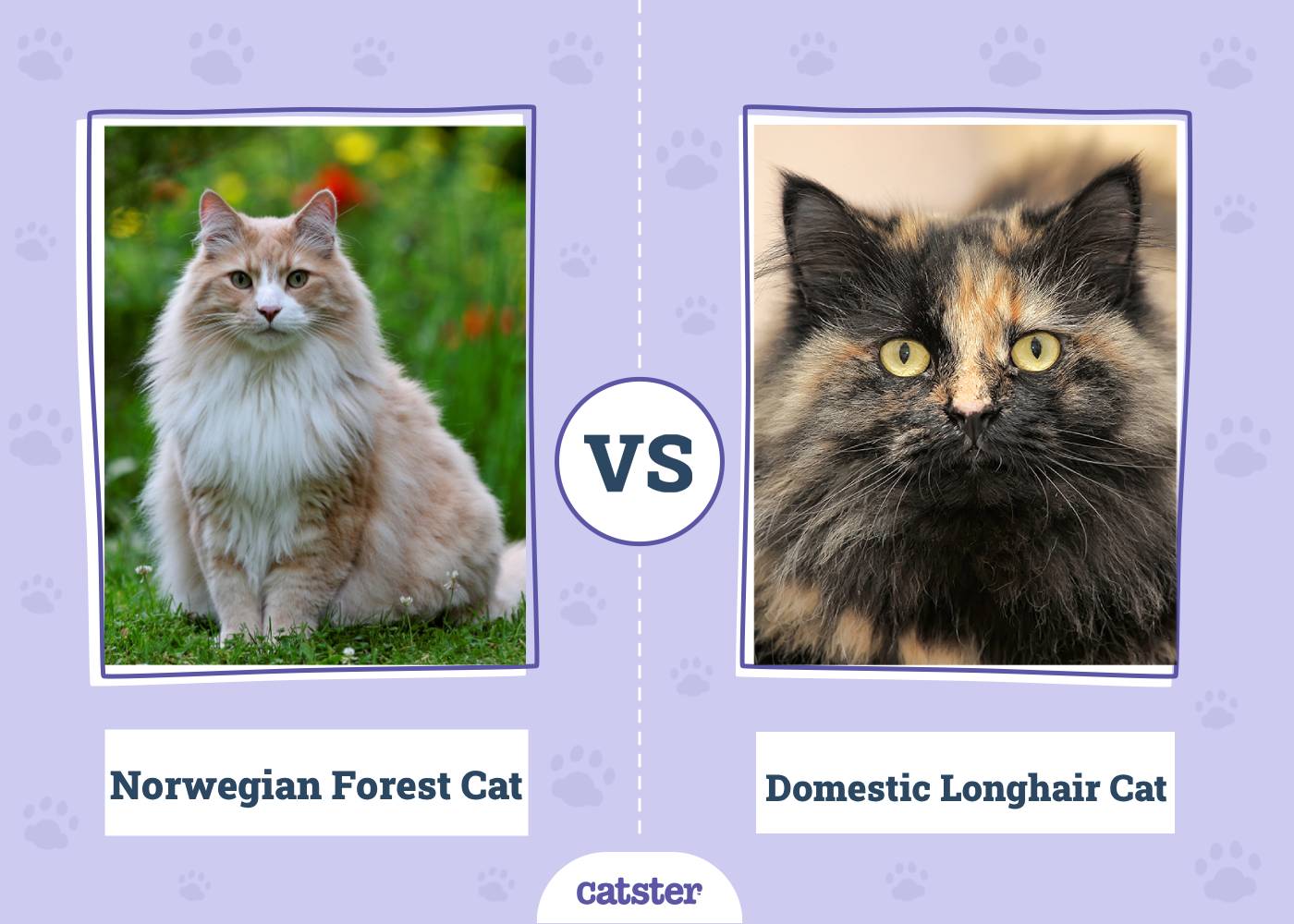
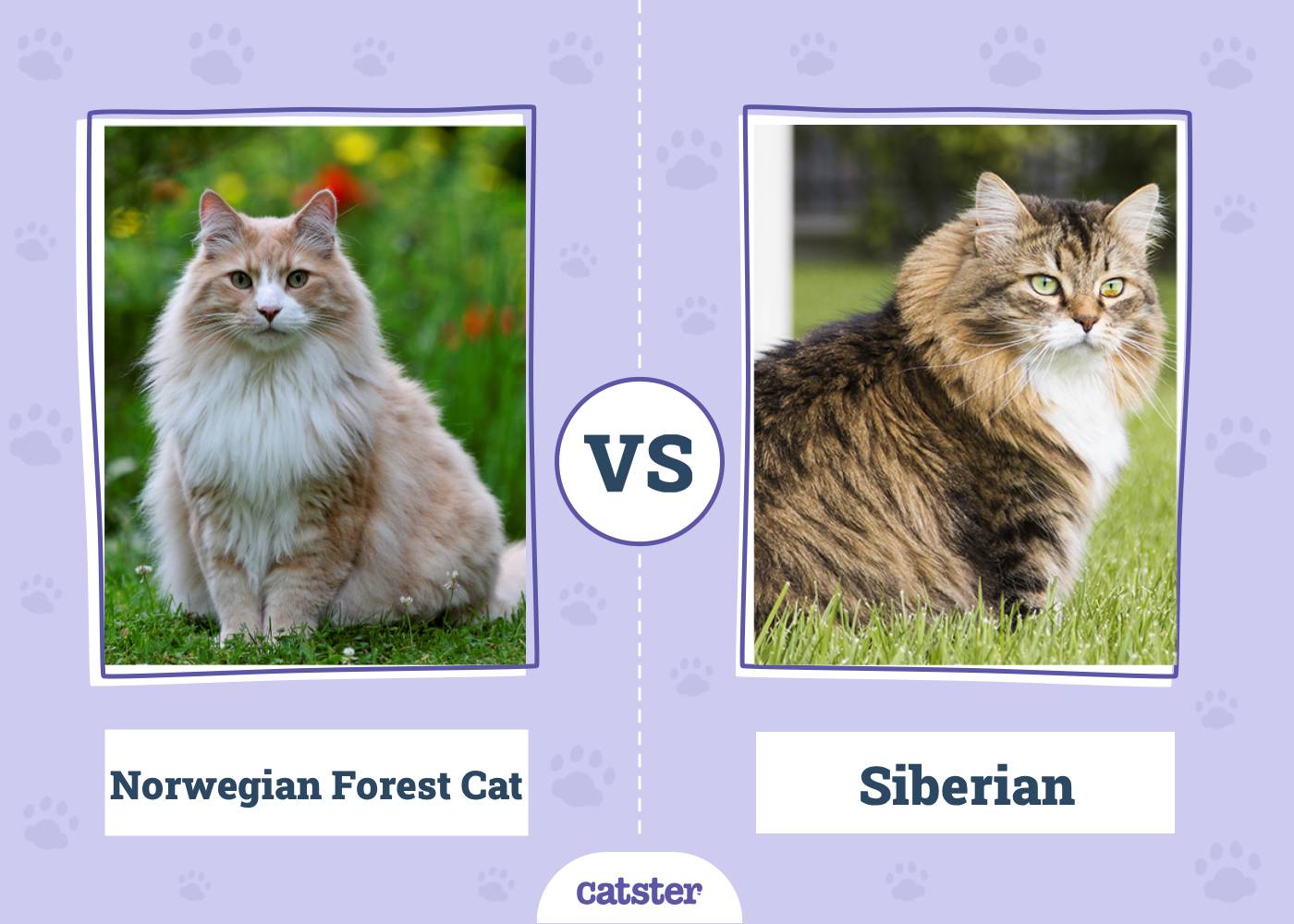
Norwegian Forest Cats are muscular and athletic with beautifully thick coats. Their faces have the shape of an upside-down triangle, with the chin being pointed and the face widening from there to the top of the head. This breed comes in a vast array of colors, from silver to black.
Temperament
Norwegian Forest Cats are sweet and friendly and will offer affection—but only when they feel like it. They’re happy to snuggle up to you, but they aren’t lap cats like Ragdolls. You’ll find them to be more reserved around strangers, but overall, these cats are able to take new people in stride.
This breed is also incredibly bright and highly active. They love to play and climb—the higher, the better, so secure any breakables you have on the shelves in your home—and they can entertain themselves when needed. This breed has a high prey drive, so toys that engage these instincts are particularly good. Norwegian Forest Cats also don’t mind water, so if you have an aquarium in the home, make sure they can’t break in to go fishing!
While they tend to purr when content, they’re otherwise the strong, stoic type. You’ll likely only hear a Norwegian Forest Cat meow when there’s something they want or if they feel as if they’re being ignored.

Care
Taking care of your Norwegian Forest Cat will be a bit of a chore due to their long, thick coats, but with a bit of work, you can be sure they’re kept well-groomed. This breed is also prone to a few diseases that you should know about to ensure their continued health.
Grooming
You’ll spend plenty of time brushing out your Norwegian Forest Cat. Because they have dense undercoats and a long, thick, water-shedding top coat, you’ll need to brush them thoroughly at least twice a week, if not daily. Those brushings will only increase when they have periods of heavy shedding (usually in the fall and spring).
Thankfully, you’ll rarely need to bathe your cat. That water-shedding coat of theirs makes it challenging to get them genuinely wet enough to shampoo and bathe.
If you’re able, brush their teeth each day to help prevent dental disease. If you can’t manage daily brushing, brushing as often as you can is better than no brushing at all.
Other than frequent brushing and teeth cleaning, you’ll need to keep an eye on their ears and nails. Checking their ears once a week should aid in preventing ear infections. Wipe them out with a cotton ball if they're dirty and contact your vet if you notice any excess discharge or if they're uncomfortable. Nails may be cut every few weeks, but this will vary among cats.
Because the Norwegian Forest Cat is so large, you’ll want to ensure you have an extra-large litter box that provides enough room for them to use it comfortably. A large litter box that’s kept clean will also help keep your cat clean.
Health
As with the Ragdoll, the Norwegian Forest Cat is a hardy breed, but is also more prone to certain illnesses, such as familial cardiomyopathy. Purchasing this breed via a reputable breeder will help in preventing this disease.
There’s also glycogen storage disease type IV, which causes an enzyme deficiency that makes it more difficult to metabolize glycogen properly. Although fatal, it is rare, and luckily, the genetic test is available.

Suitable For:
Norwegian Forest Cats are great for families with older children, as they are laid-back and love to play with their humans. This breed usually gets along with other animals, such as cats and dogs, when properly socialised and introduced. In the case of smaller pets, you’d need to keep a pretty close eye on them because of the Norwegian Forest Cat’s prey drive.
Pros
- Laid back
- Friendly
Cons
- Highly curious climbers (secure breakables)
- Prey-driven curiosity

Which Breed Is Right for You?

Whether a Ragdoll or a Norwegian Forest Cat is the best bet for you depends on what personality traits you’re looking for. If you adore lap cats that will snuggle you at any given moment, the Ragdoll will be a better fit. If you want an active cat that loves to play, the Norwegian Forest Cat will likely be best. Other than activity levels and willingness to get cuddly, both breeds are large and fluffy, sweet and friendly, and laid-back.
Featured Image Credit: Left - Serita Vossen, Shutterstock | Right - Elisa Putti, Shutterstock

Expert cat care, straight to your inbox
Vet-reviewed advice, behavior tips, and the best of Catster. Free, and you can unsubscribe anytime.
By signing up, you agree to our Terms & Conditions and Privacy & Cookies Policy.
Christian started writing for a local newspaper as a teenager, and he's been involved in the publishing industry for most of his adult life. Combining his love of writing with a passion for animals, he is currently the Director of Editorial at Pangolia and the Editor-in-Chief at Catster.
Christian lives in the Philippines with his wife, son, and four rescue cats: Trixie, Chloe, Sparky, and Chopper.
Join the conversation
Ask a question, share your story, or send private feedback.