Tortoiseshell Norwegian Forest Cat: Info, Facts, Pictures & History

In this article
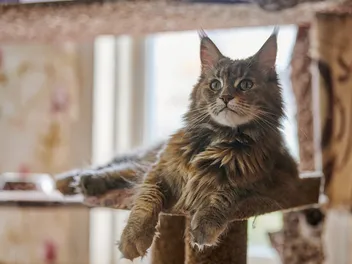
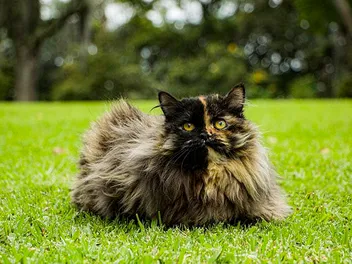
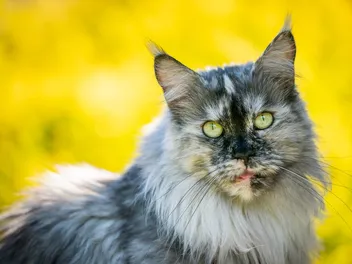
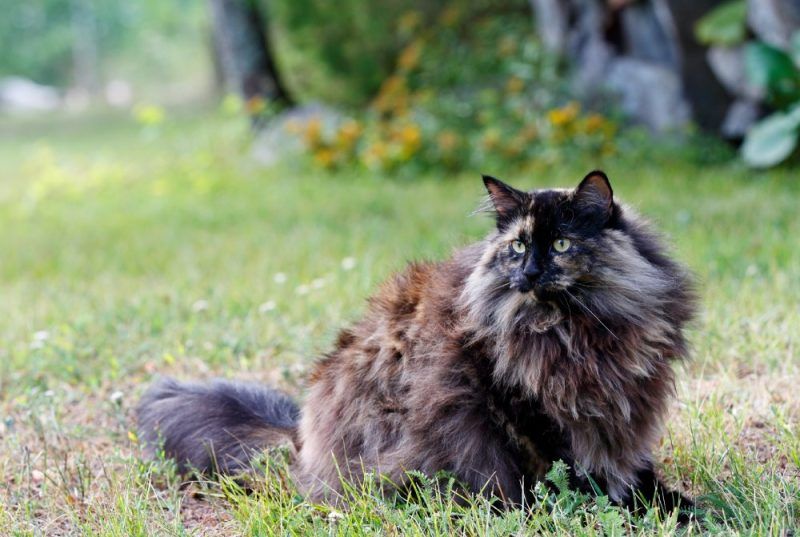
The Norwegian Forest Cat is a stunning sight, with lush, gorgeous coats and a majestic gaze. What makes these cats even more spectacular is if they have a tortoiseshell coat. The tortoiseshell Norwegian Forest cat is the feline we will be discussing today.
Breed Overview
Height:
Weight:
Lifespan:
Colors:
Suitable for:
Temperament:
Tortoiseshell cats, in general, are a real spectacle. Exclusively female, these intelligent, bossy beauties shine through no matter the breed. The Norwegian Forest tortie makes an excellent pet. Below, we'll discuss the history of these fine felines.
Tortoiseshell Norwegian Forest Cat Characteristics

The Earliest Records of Tortoiseshell Norwegian Forest Cats in History
The Norwegian Forest Cat is an ancient breed dating back to 1000 AD. Their ancestors may have been black and white British shorthair cats that adapted well to the cold. They could have been brought from Norway to Great Britain by the Vikings.
The Crusaders in the 14th century also brought long-haired cats to Norway. The variety of these two cats eventually gave way to the well-adapted Norwegian Forest Cat. The intensely thick coats of this breed help protect them from harsh Norwegian winters.
Cat enthusiasts discovered Norwegian Forest Cats in the early 20th century. The breed association began trying to perfect and preserve the breed, but World War II came soon after, halting all progress. By 1938, the Norwegian Forest Cat Club was formed in Oslo, Norway.
The war almost did the Norwegian Forest Cat in for good. During this period, they quickly became endangered and nearly extinct. But the Norwegian Forest Cat Club really came through, fostering the breed’s comeback by the 1950s.
To declare the success of the breed's revival, King Olav V designated them to represent Norway as the official cat of the country. Since then, it has gained popularity all over Europe and stands as the fifth most popular cat breed in France today.
Tortoiseshell was among the original colors of the Norwegian Forest Cat. It is a very common coat pattern and carries some unique genetic certainties with it as well.

How Tortoiseshell Norwegian Forest Cats Gained Popularity
The ancestors of Norwegian Forest Cats were likely mousers on ships that distributed goods and led the way for explorers and trade. These cats were considered extremely lucky and much-needed members of the crew. They helped sailors remove rodents threatening the food supply.
Combined with other imported cats, these sailor kitties put down roots and developed on Norway soil. Over time, however, cat fanciers got a hold of the breed lineage. They decided the cats would make exceptional show and pet animals for families.
Formal Recognition of Tortoiseshell Norwegian Forest Cats
As we discussed earlier in the article, the Norwegian Forest Cat Club was formed in 1938 as the original celebratory club for the group. The breed was exported in the 1970s. Afterward, it left Norway, traveling across Europe.
Finally, after its exit from Norway, it finally gained recognition from the Federation Internationale Feline (FIFe) thanks to Carl Fredrick Nordane. By 1994, the American Cat Fanciers Association recognized the Norwegian Forest Cat.


Top 9 Unique Facts About Tortoiseshell Norwegian Forest Cats
Since the tortoiseshell is a coat pattern, we will discuss facts about the color and the cat breed.
1. The Tortoiseshell Is Almost Always Female
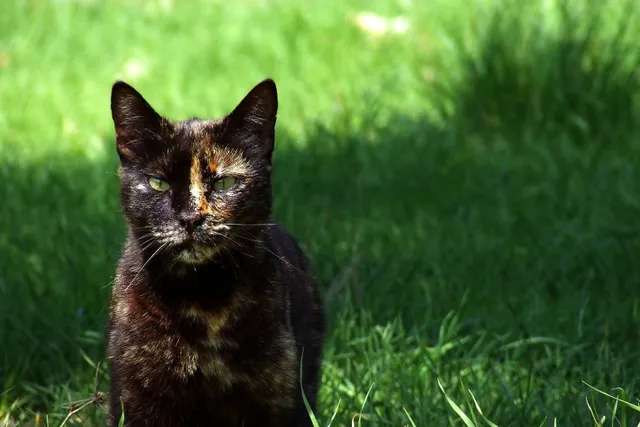
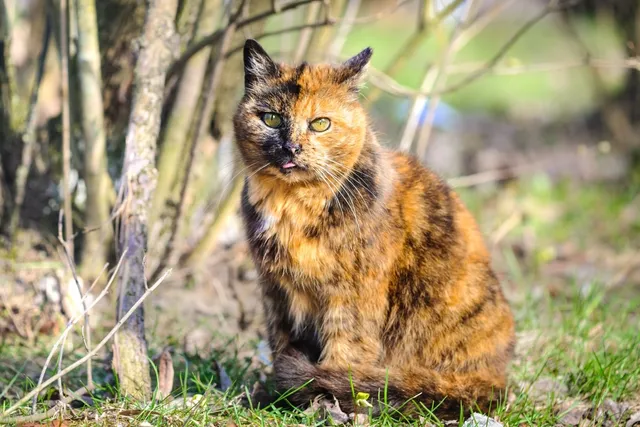
The tortoiseshell coat automatically gives way to the kitten’s gender. Tortoiseshells are strictly female, except in extremely rare circumstances that are nearly unheard of. The combination of genetics that forms the coat pattern requires a female-specific outcome.
Two X chromosomes are needed to create the tortie and are almost always female. In rare cases, a male touting the XXY chromosome combo might pop up, but it's nearly unfathomable.

2. The Tortoise Shell Is Known for Fortitude
You might have heard the term "tortitude" before. This describes the attitude that seems to come along with this coat pattern. Tortoiseshell cats tend to be very dominant, active, and vigilant.
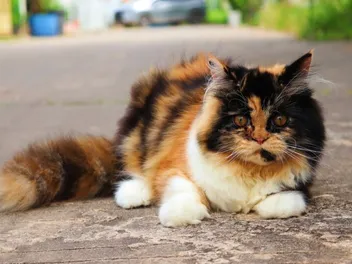
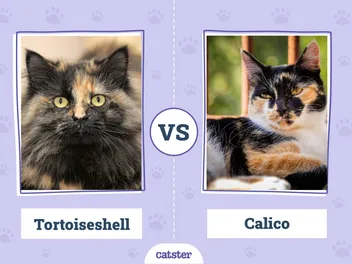
3. There Is a Difference Between a Tortoiseshell and a Calico
If you look at the calico and tortoiseshell, you might wonder what the difference is. After all, they look very similar. Calico cats have patches of white, and torties do not.
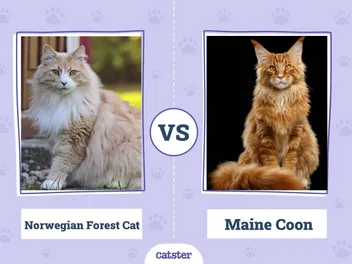
4. Norwegian Forest Cats Are Often Confused with Maine Coons
Blame it on those fluffy, thick tufts of gorgeous fur, but the Norwegian Forest Cat and the Maine Coon are often mistaken for one another. If you take note of their breed characteristics, your naked eye can pick apart the differences.
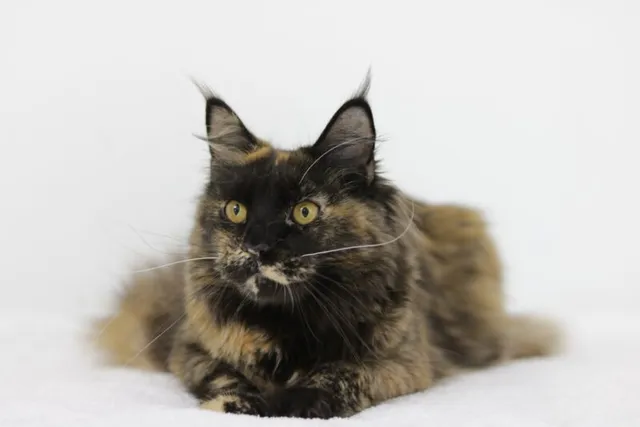
Maine Coons have strong, defined facial structures and tufts of hair sprawling from the ears—classically like that of a lynx or bobcat. They are massive and have long, fluffy coats.
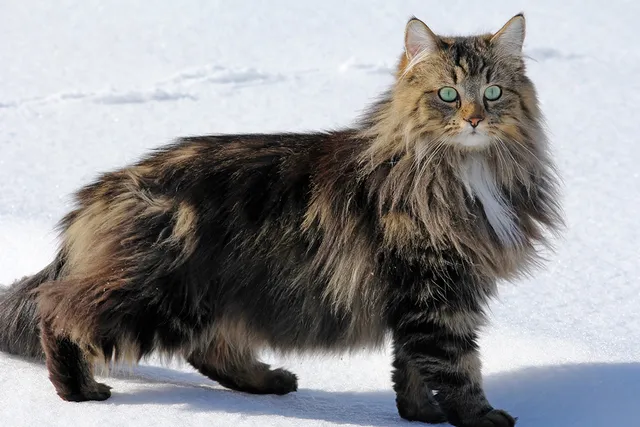
Norwegian Forest Cats have triangular heads and flatter faces than their Maine Coon cousins. They also have incredibly thick fur that seems to fluff out around the neck and evenly cascade downward.

5. Wedgies Really Love Climbing
Wedgie is what many people call their Norwegian Forest Cats. Blame it on their ancestral roots, but tortoiseshell (and all other) Wedgies love climbing. They will hop on top of any surface they can reach in the home.
So, it's ideal to have ramps, wall hangings, and bridges so they can explore the upper parts of the household. This satisfies their need to explore, keeps clutter off your floor, and provides mental and physical stimulation.
6. Wedgies Require Lots of Helpful Grooming
Your Norwegian Forest Cat will likely be a master groomer. They keep their coats nice and shiny. But to reduce the likelihood of mats and tangles, it's best to brush them daily to reach all the spots that might be hard to get.
Since they have such thick manes and coats, they need a little help preventing mats or tangles around the neck. Daily brushing is highly advisable. It makes the kitty's coat look shiny and healthy and is a great way to bond with your pet.
7. Your Norwegian Forest Cat Might Be Ultra-Attracted to Outdoor Dwellings
Even though most Norwegian Forest Cats love staying close to their family, they have a need to explore. They have ancestors' DNA that thrived in nature's elements with grace. Often, these cats prefer to be outdoor/indoor rather than strictly indoor cats.
Luckily, thanks to their coat adaptations, they were built to withstand harsh conditions. However, not all owners live where outdoor wanderings are feasible or advisable. But there are options! You can make a cat cage for a window, get an enclosure for small outdoor visits, and train your kitty to walk on a leash!

8. In Norse Mythology These Cats Are Revered for Their Magical Capabilities
Egyptian culture isn’t the only one that reveres cats for being magical—the Norse people did, too!
You may or may not be familiar with the goddess Freya, who symbolizes domestic life. In Scandinavian culture, there are many superstitions linking cats to marriage outcomes.
For example, if you feed your cat well, you are supposed to guarantee you'll get a sunny wedding day. Another claim is that women who are partial to cats will surely marry. That is very contrary to the famous American explanation of a cat lady. Isn't it crazy how cultures differ?
Do Tortoiseshell Norwegian Forest Cats Make Good Pets?
Whether you get a tortoiseshell or not, the Norwegian Forest Cat makes an excellent pet. Tortoiseshells tend to have a little bit of extra pizazz in their personality than other coat colors and patterns. You will have to love her unique quirks and interesting attributes. Norwegian Forest Cats make excellent family additions to those large and small.
They work very well as only-cat household pets but do fine with having other furry playmates to bond with. These cats are not high maintenance and do not require constant care. They're perfectly content being left at home to their own devices while you slave away at work.
Norwegian Forest Cats typically bond well with people, but the tortoiseshell might especially connect with one person.

Conclusion
It's plain to see why the Norwegian Forest Cat is so loved and beautiful in the tortoiseshell coat variation. Remember that torties tend to be sassier than usual and are almost always female unless you have an extremely rare and valuable male on your hands.
If you are interested in a Norwegian Forest Cat kitten, look for reputable breeders around your area. But remember that you can find homeless kitties at local shelters and rescues with Norwegian Forest Cat lineage.
See Also:
Featured Image Credit: Elisa Putti, Shutterstock
Expert cat care, straight to your inbox
News, insights, and useful advice, delivered to you.

No spam — unsubscribe anytime.
By signing up, you agree to our Terms & Conditions and Privacy & Cookies Policy.
How useful was this post?
Click a star to rate. You can leave written feedback afterwards. (We read all feedback.)
As a freelance dog writer and passionate pet enthusiast, Ashley Bates is pursuing studies in animal therapy. A mother to four human children and 23 animal companions, Ashley is dedicated to volunteering at shelters, advocating for animal rights, and rescuing animals in need. Her goal is to spread awareness, provide education, and offer entertainment about pets to reduce homelessness. Ashley's specialties include dogs and cats.