How to Get Skunk Smell Off Your Cat: 3 Easy Methods

In this article
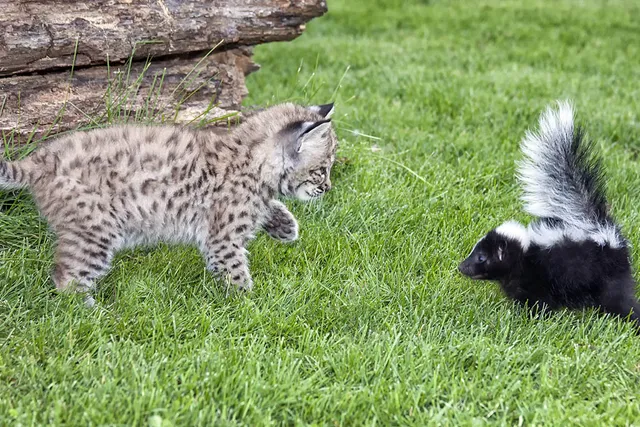
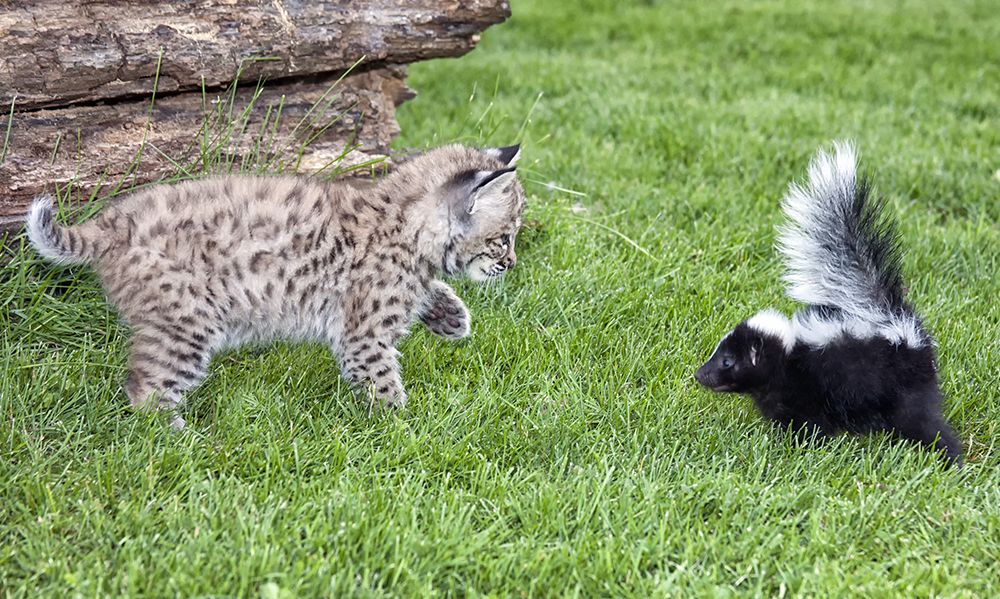
It’s a scenario that none of us cat owners want to be faced with: seeing your cat running one way and a skunk the other—or worse, coming home to find your stinky cat on your bed after having a run-in with a skunk!
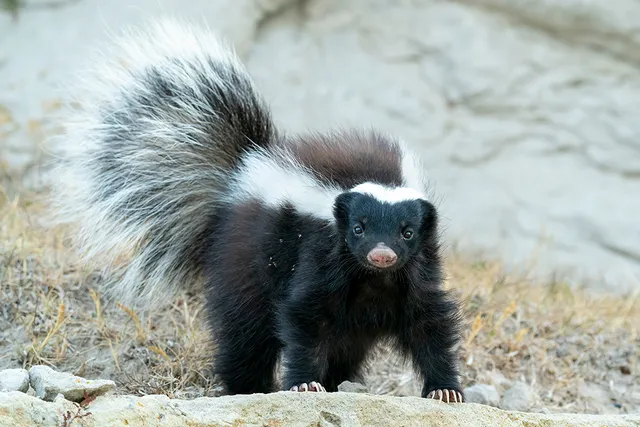
Skunks can spray up to 15 feet away, so your cat doesn’t even need to be that close to be in the danger zone. But what do you do when your cat has been sprayed? The best thing is to take action as soon as possible, to quickly clean that mess off your cat.
Whichever method you choose, they both need special ingredients that you may not have in the house. So if you’ve seen skunks in the backyard or know that they live in your neighborhood, it’s a good idea to stock up on what you need in advance. This way, if the worst does happen and your cat gets sprayed by a skunk, you can get to work cleaning them right away!

The 3 Methods for How to Get Skunk Smell Off Your Cat
1. The Three-Stage Shampoo Bath Method

Giving your cat a thorough bath is the best way to effectively remove skunk spray. The sooner you can do this after your cat has been sprayed, the better. Cat shampoo on its own probably won’t be strong enough to neutralize the stink, so you’ll need to add a few other ingredients. If you live somewhere with a high skunk population, consider buying the extra ingredients that you need and storing them away, just in case! Step 1. Collect your ingredients
You’ll need:
The best pet shampoos are carefully formulated to clean your pet without causing irritation. Hepper's Colloidal Oatmeal Pet Shampoo does a great job of this by combining soothing ingredients like aloe vera and colloidal oatmeal. It is also pH-balanced and free of irritants like dyes, soaps, sulfates, and phthalates. You and your pet will both enjoy the fresh, clean scent, too!

- Only Natural Pet Shampoo - Our vegan, plant-based formulation is made with safe and natural pH-balanced ingredients to moisturize and soothe skin, leaving a fresh, soft and glossy coat to turn heads
- No Soap - A cat and dog wash free from soaps, glutens, dyes, DEA, sulfates and phthalates means it's a hypoallergenic dog shampoo for itchy skin / cat shampoo for itchy skin made with only good stuff
- Colloidal Oatmeal - Formula soothes and nourishes dry, irritated skin, providing itchy skin relief for dogs and cats alike. Trust us - they'll thank you with lots of licks!
At Catster, we’ve admired Hepper for many years and decided to take a controlling ownership interest so that we could benefit from the outstanding designs of this cool cat company!
Step 2. Blend your skunk stink remover shampoo
In a small bowl, mix:
This mixture isn’t suitable for storing in a bottle, as the gas produced will mean the bottle will likely explode. Keep all the ingredients separately and mix them up as required.
Be aware that hydrogen peroxide may bleach your cat’s fur.
Step 3. Get your cat ready for their bath
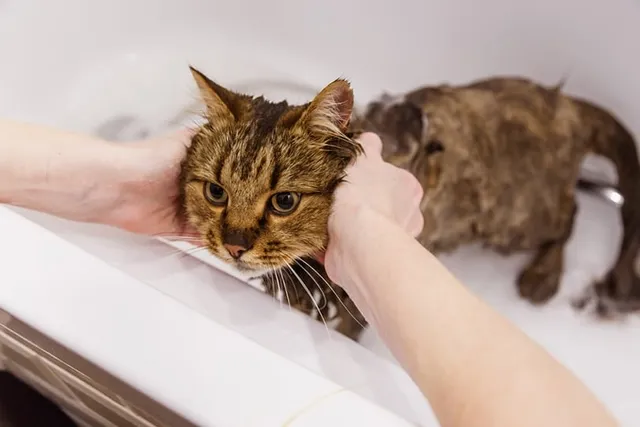
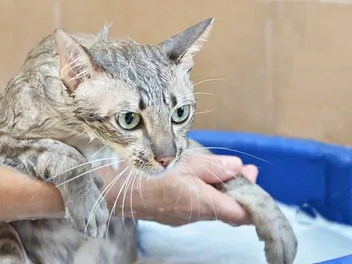
It can help to have two people to wash your cat, and it’s a good idea for you both to wear rubber gloves. Gather a few old towels, cat treats, and your cat! Fill the bathtub or whatever container you’ll be using to wash your cat with warm water.
You might choose to wash your cat outside, in which case, make sure you’re also using warm water to keep your cat as comfortable as possible.

Step 4. First rinse
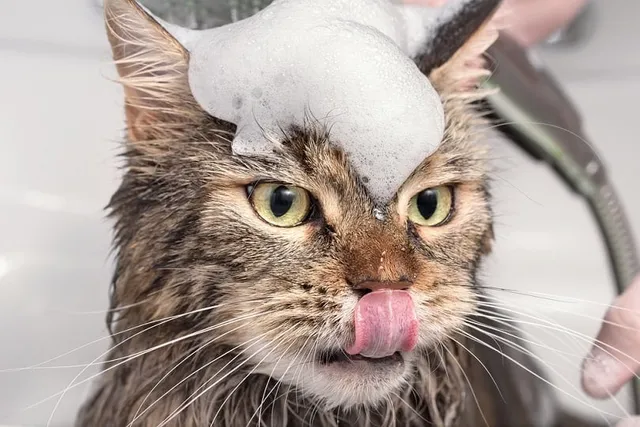
Thoroughly wet your cat’s fur with warm water. Once your cat is completely wet, you can give them the first wash using just Dawn dish soap on its own. This is the same brand that wildlife rescue centers use to break down the oil on animals caught in oil spills. Dawn dish soap will also work on breaking down the stinky compounds within skunk spray.
Once your cat is lathered in suds, rinse them off fully. If they got sprayed in the face, you may need to use a small sponge to wet their heads, but be careful to avoid getting water or suds in your cat’s eyes or ears.
Step 5. Second rinse
Now it’s time for your cat’s second rinse, using the special concoction that you mixed up earlier. This combination helps neutralize the thiol compounds that are responsible for the smell. If you can, leave this mixture on your cat for at least 15 to 20 minutes, but longer is better if you can.
Use your fingers to work it into your cat’s coat, focusing on the areas that got sprayed the worst.
When the time’s up, rinse your cat again.
Step 6. Third rinse
For this wash, you can use a standard cat shampoo. You can either use a scented shampoo, if that’s what you’ve got on hand, or a shampoo designed specifically for removing skunk odors.
Step 7. Dry your cat
Now your cat can finally be dried off, using towels or a blow drier if they will tolerate it. Give your cat a few treats, and you can both take a breather!
2. The Deodorizing Spray Method (Bath-Free)

Some cats simply hate baths, and if you know that it’s going to be almost impossible to get your kitty in the tub, we’ve got another method for you!
You’ll need to use a deodorizing spray formulated specifically for removing skunk stink from pets. We recommend the Hyponic De-Skunk Pet Mist. This uses a blend of natural deodorizing agents that should neutralize up to 90% of skunk odors.
It’s a great idea to buy some of this and keep it in your cupboards if you live in an area with skunks. You never know when you might need it!
Here’s how it works:
Step 1. Spray
Apply the spray in a generous coating all over your cat’s body.
Step 2. Comb and work in
Use a comb and your fingers to thoroughly work the spray through your cat’s entire coat, from roots to tips. Re-apply the spray anywhere that needs a little more coverage.
Step 3. Leave to work its magic
The manufacturers recommend rinsing this out after 5 minutes, but we’ve had good results leaving it on the fur of a cat that won’t tolerate being bathed.
Combating pet smells begins with eliminating them from the source! Bathing your cat may not always be the answer and luckily, there are products out there that can help keep your pet and home smelling fresh. Our favorite product is the Hepper Pet Cologne in the light Cucumber and Aloe scent. A few spritzes to their coat will help remove lingering odors, smooth and detangle their fur and leave your feline smelling delightful. This vet-approved formula is created with pet-friendly ingredients, free of harsh chemicals and additives. Learn more about it here.

- Ultra-Gentle Freshness: Hepper's water-based formula cares for sensitive fur, ensuring comfort with frequent use. Keeps pets refreshed between baths for hours of cuddles and play.
- 8 Oz Long-Lasting Pet Fragrance: Transcendent head-to-tail scent infused with quick-dry, non-greasy formula and notes of Cucumber & Aloe for hours of freshness.
- Beyond Scent: Your Pet's Perfect Grooming Partner. Instantly refreshing, knot-free grooming for a fragrant, manageable coat. Spa-quality ingredients for a luminous, admired fur.
At Catster, we’ve admired Hepper for many years and decided to take a controlling ownership interest so that we could benefit from the outstanding designs of this cool cat company!
3. The Deodorizing Powder Method (Bath-free)
If your cat even hates being sprayed with a liquid, then a powder like the Smelleze Natural Skunk Deodorizer Granules will be your friend. Here’s how to use it:

Step 1. Sprinkle the granules over your cat
You’re aiming to cover all of your cat’s fur with a coating of these granules while avoiding their face.
Step 2. Work powder into their coat
Use gloves to rub the powder thoroughly into your cat’s fur.
Step 3. Leave the powder on your cat
This powder can be left on your cat’s coat, but be sure to put them in a place where you can clean up any dropped powder when your cat shakes (which they will!). You can reapply more powder the next day if necessary.

What If Your Cat Got Skunk Spray in Their Eyes?
If skunk spray gets in your cat’s eyes, it can cause redness and irritation. In this case, besides treating your cat’s fur to get rid of the smell, you’ll need to flush out their eyes as well. If your cat will let you, we recommend using a product like the Vetericyn Plus Eye Wash to soothe irritation to start with.
It’s also a good idea to make an appointment with your vet, as they may want to check your cat’s eyes and may flush them out further.

Frequently Asked Questions
What about skunk spray and anemia?
There’s initial research to show that skunk spray could potentially cause anemia in cats. Your vet may want to run tests to give your cat the all-clear.
Does tomato juice remove the skunk smell?
Unfortunately not. For a while, tomato juice was recommended as a treatment to remove skunk spray. All it does is make your cat smell like tomato, with underlying whiffs of skunk!
Can I use vinegar, Febreze, or lemon juice?
Sadly, no. None of these will get rid of the skunk smell. They might mask it for a little while, but it’ll still be there!


Wrapping Up
If your cat gets sprayed by a skunk it can make them pretty stinky, so it’s important to get that smell off your cat as soon as you can. Luckily, there are a few different options to choose from, but it’s always a good idea to keep the ingredients that you need in your cupboard at home, just in case!
If you have any other tips and tricks for removing skunk smells from your cat, we’d love to hear them!
See also:
Featured Image Credit: critterbiz, Shutterstock
Expert cat care, straight to your inbox
News, insights, and useful advice, delivered to you.

No spam — unsubscribe anytime.
By signing up, you agree to our Terms & Conditions and Privacy & Cookies Policy.
How useful was this post?
Click a star to rate. You can leave written feedback afterwards. (We read all feedback.)
As a freelance dog writer and passionate pet enthusiast, Ashley Bates is pursuing studies in animal therapy. A mother to four human children and 23 animal companions, Ashley is dedicated to volunteering at shelters, advocating for animal rights, and rescuing animals in need. Her goal is to spread awareness, provide education, and offer entertainment about pets to reduce homelessness. Ashley's specialties include dogs and cats.