Do Cats Fart? Vet Reviewed Causes, Treatment & Prevention


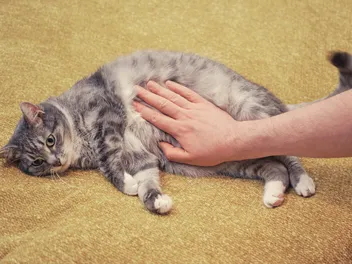
We all want our pets to be happy and healthy. Cats don’t show illness until they are very unwell because it makes them vulnerable to predation. Instead, they hide it to keep themselves safe and under the radar of predators or competitors. Digestive issues are uncomfortable, especially when accompanied by nausea, vomiting, or GI distress. The bloating caused by gas can be very painful and distressing.
Fortunately, flatulence isn’t always a serious problem. It can be treated easily in many cases and once you know its cause, it can often be prevented from recurring. Remember that it can also be a one-off occurrence and self-limiting, but still just as uncomfortable for your pet.

The 5 Causes of Cat Farts
Flatulence, or build up of gas, isn’t a common complaint in cats. If you notice your cat is passing wind more frequently than normal, it is something to speak to a veterinarian about. It isn’t usually a serious problem, but it is best to find out the cause if possible.
There are several common reasons for excessive farting in cats and we will delve into some of them below.
1. Food Allergies
Food allergies in cats most commonly present with year round itching, particularly of the face, ears, belly and groin. Cats with food allergies tend to overgroom to such an extent that they cause trauma to their skin and are at risk of recurrent skin infections. However, some cats with food allergies may also present with gastro-intestinal signs, alongside their skin problems. A cat with diarrhea and vomiting may also have an increased amount of flatulence but flatulence without any skin changes is unlikely to be caused by a food allergy.

2. Food Intolerances
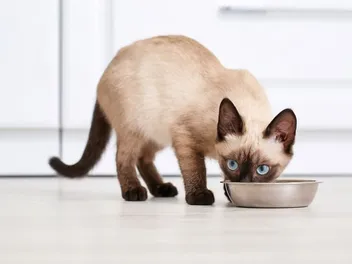
Some ingredients can cause gas buildup in a cat. It may not be an allergy but an intolerance to a certain food may cause your cat to produce more gas than it normally does. If you have changed your cat’s food or treats, it’s worth checking the ingredients to see if there is anything in there that is new to your cat, and might be causing extra wind. Legumes, such as lentils and beans are common culprits of flatulence and are frequently put into pet foods.
3. Improper Diet Transition
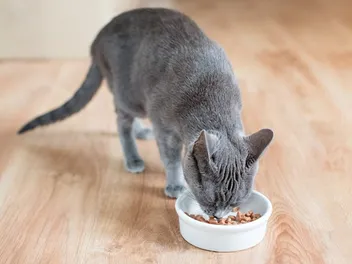
Transitioning your cat slowly to a new diet is essential. Failure to do so can cause unpleasant GI signs. Felines aren’t little humans, so eating the same thing every day isn’t boring or unappealing to them. Instead, you should introduce new foods gradually over 10-14 days to avoid digestive upset. In cats with particularly sensitive constitutions, even moving onto a fresh bag of food from the same manufacturer can cause an upset stomach, because the manufacturer might have changed the formula slightly. If you notice your cat is suddenly more gassy, think about when you changed their diet and whether you did it slowly enough for them to adjust. A veterinarian can advise you on the correct food switching procedure and the most suitable food choice for your cat.
4. Intestinal Parasites
Testing for intestinal parasites is a routine part of an annual exam. The test looks to identify any evidence of these organisms in a stool sample. However, you can get this done if ever you notice the telltale signs that include the following:
Indoor pets can get intestinal parasites. However, outdoor cats are at a greater risk because of more chances of exposure. It’s imperative to monitor your pet’s digestive health since some parasites, such as hookworms and roundworms, are zoonotic and transferable to people.
5. More Serious Health Concerns
Flatulence isn’t diagnostic in itself. However, it can point to more serious conditions involving the digestive system. It can be a sign of disorders such as bacterial or viral infections, small intestinal microbial imbalance or overgrowth (SIBO), Inflammatory bowel disease or malabsorption disorders. The takeaway is that you should consult a vet if you notice any changes in your pet’s food or potty habits, including flatulence.


Treatments
The treatment for flatulence depends on the cause. Your vet may recommend supportive treatment, such as a bland diet or dietary change to a food containing fewer carbohydrates or with a different protein source. After getting a complete medical history and examining your cat, they may do bloodwork and order a fecal floatation test. You can expedite the diagnosis and treatment by noting any patterns between foods eaten and flatulence frequency. The more information you can provide, the quicker the remedy. A food diary is a very good idea to help owners recognize patterns and pinpoint foods that might be upsetting their cat’s gastrointestinal system.
Prevention
Prevention is always the best solution for minimizing your pet’s discomfort. Dietary intolerances are a common cause that can be prevented once we know what the intolerance is to. We recommend not switching your cat’s diet abruptly. That includes treats. Of course, “human foods” are off-limits because of the heightened risk of dietary issues and obesity.
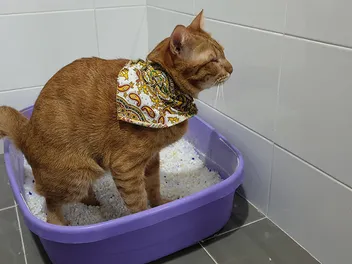
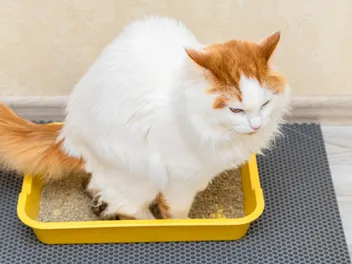
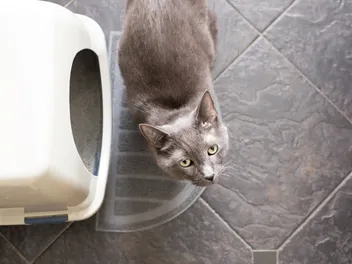
We also suggest paying attention to your cat’s diet and digestive habits. You should scoop your cat’s litter box daily, as this will give you lots of information on the state of their gastrointestinal system. Many conditions aren’t easily recognized unless you are paying attention to the details. Your pet may act normally even though something is brewing inside them. The litter box and your cat’s behavior will help make everything more clear.
Keeping on top of your cat’s parasite prevention medications will help to reduce their chances of a worm burden causing gastrointestinal upset and flatulence.


Final Thoughts
We hate seeing our cats uncomfortable and under the weather. They certainly don’t make it easy to spot a problem. However, sometimes, it becomes evident when your kitty suffers from gas buildup. Luckily, many causes are easily identified and treated. Being a pet owner means being observant. You’re responsible for your cat’s health and well-being, and unexplained changes are always worth investigating.
See also:
Featured Image Credit: STGEEVES, Shutterstock
Expert cat care, straight to your inbox
News, insights, and useful advice, delivered to you.

No spam — unsubscribe anytime.
By signing up, you agree to our Terms & Conditions and Privacy & Cookies Policy.
How useful was this post?
Click a star to rate. You can leave written feedback afterwards. (We read all feedback.)
Chris has been a science-focused pet writer since 2009, specializing in health and the environment. She lives with her husband Norm and three amazing cats in the land of 10,000 lakes. When she's not writing about cats, Chris also enjoys boating and sampling wine. She has her WSET 1 and 2 certifications and is currently pursuing her Certified Wine Specialist Award (CSW).