How Big Does a Cornish Rex Get? Vet Reviewed Weight & Growth Chart


In this article
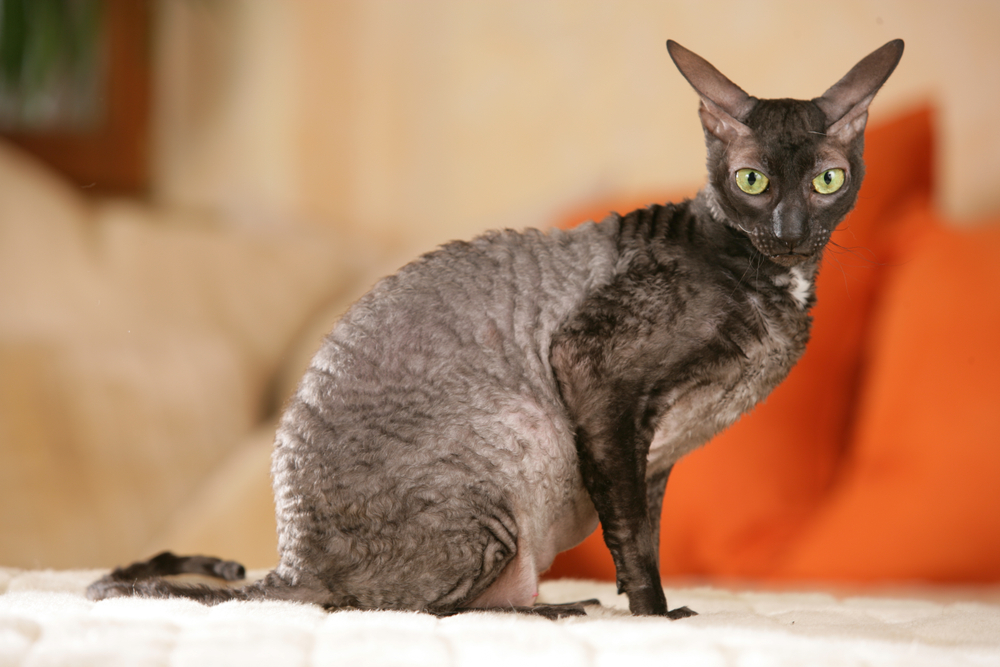
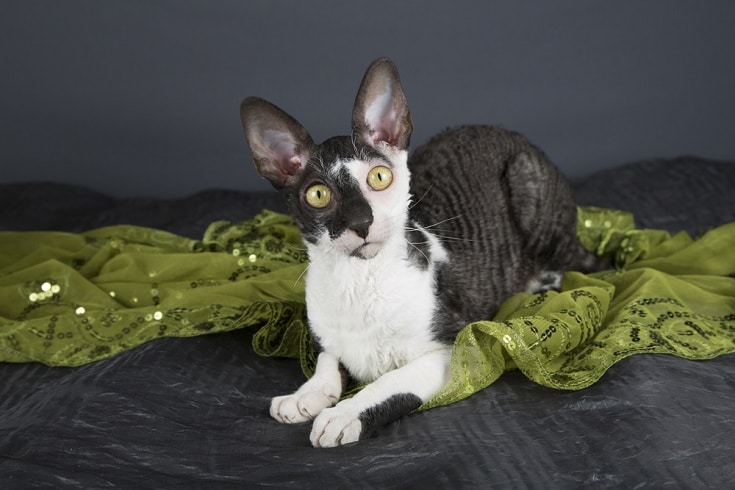
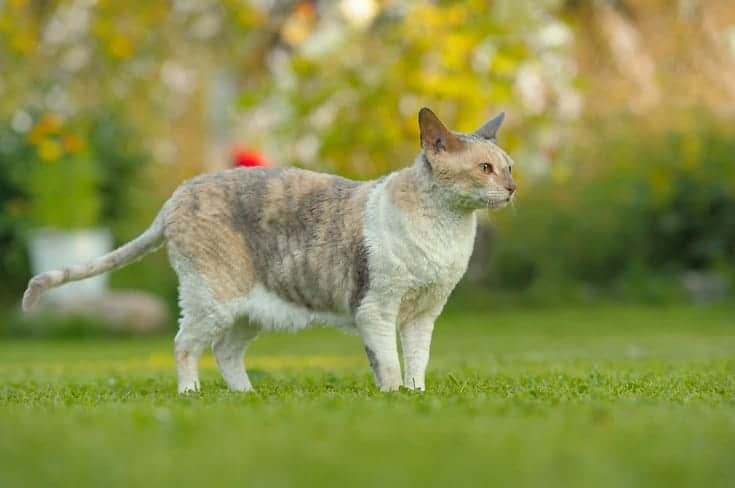
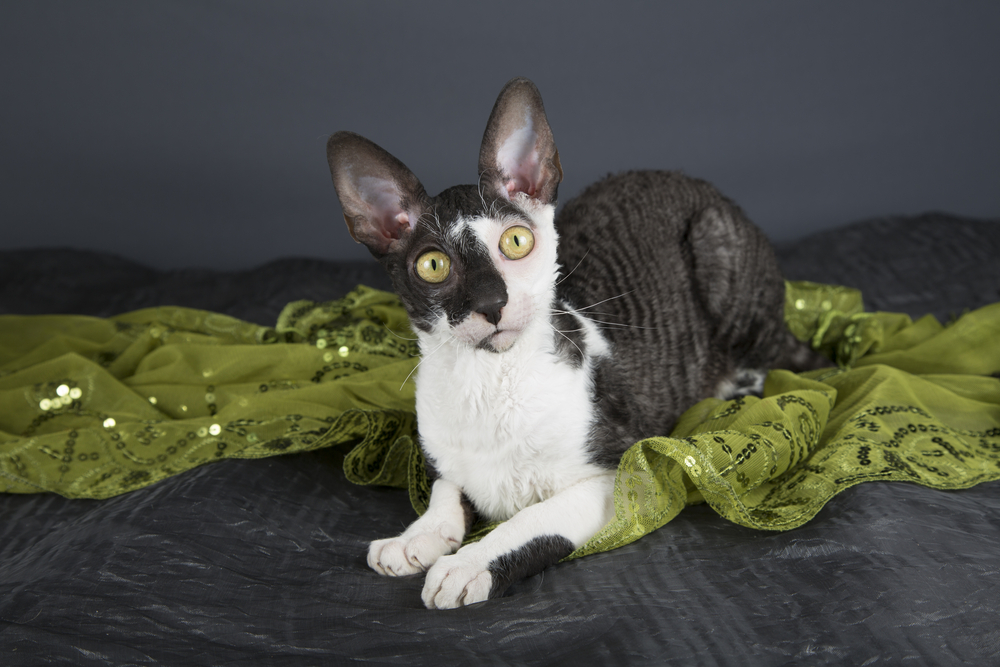
The Cornish Rex is a cat breed that is extremely distinct. Like other animals with the rex gene, they are covered in a layer of downy, soft, curly, or wavy fur. They have long, slender bodies and narrow faces.
If you were interested in the Cornish Rex, you might wonder exactly how large these cats get. A full grown Cornish Rex is expected to weigh 6-10 pounds and measure 8-12 inches. In this article, we will go over their particular growth patterns and other details about what to expect when you own one of these fascinating felines.

Cornish Rex Overview
The Cornish Rex is a genetic anomaly. In Cornwall, England, during the 1950s, a kitten was born that would be the platform for all Cornish Rex that exist today. This kitty was very different from his brothers and sisters, having a downy, curly coat.
Luckily, Nina Essenmore was the one who found the kitten. She was very knowledgeable about the rex gene chain because she raised rex rabbits. She worked diligently alongside professionals to develop the Cornish Rex breed, and we’re certainly glad she did!
The Cornish Rex is one of the most unique-looking felines to exist today. Plus, it has a sound temperament and excellent companionship potential.

Cornish Rex Size and Growth Chart
The Cornish Rex is a medium sized breed that looks rather large due to their height, which is between 8-12 inches. However, these cats are incredibly light on their feet, giving them a lanky appearance. Males tend to be larger than females.
| Age | Weight |
|---|---|
| Newborn | 1.8–5.3 ounces |
| 2 Weeks | 5.3–8.8 ounces |
| 3 Weeks | 12.3–15.9 ounces |
| 4 to 8 weeks | 1.4–2 pounds |
| 9 to 12 weeks | 3–3.5 pounds |
| 12-16 weeks | 4–4.5 pounds |
| 16-20 weeks | 5–5.5 pounds |
| 6 months | 6–6.5 pounds |
| 12 months | 6-10 pounds |
When Does a Cornish Rex Stop Growing?
This particular breed stops growing between the ages of 9 and 12 months of age. Certain factors, such as genetics, diet, and environment, play a role in when growth will end.
Factors Affecting the Size of Cornish Rex
Several factors can affect the size of your Cornish Rex. Here are some things that can determine ultimate size.

Diet
A high quality diet is vital, especially during your kitten's growing months. They need proper nutrition to nourish their growing bones, muscles, and organs as they develop. If a kitten is malnourished, it can cause a reduction in growth.
Malnutrition as a kitten could make them much smaller as adults than they would have been had they had the appropriate care.
On the other hand, if you give your Cornish Rex far too much to eat regularly, the extra calories could quickly lead to becoming overweight, which may snowball into obesity and a whirlwind of other health issues. If you have any questions on the amount you should feed a Cornish Rex kitten, speak to a vet.
Genetics
Genetics plays a very significant role in ultimate size. For example, if you have two Cornish Rex parents on the smaller end of the scale, they will likely produce smaller kittens.
If one of the parents is particularly small for the breed, and the other is quite large, you could have a random mix of sizes among kittens of the litter. Oppositely, it goes without saying that if both Cornish Rex parents are reasonably large for the breed, their kittens should also be larger when fully grown.
Health Conditions
Certain health conditions can cause delayed growth in cats. For example, kittens that are very sick or weaned early from their mother may grow at a slower rate than healthy kittens. There are even some rare genetic issues that can result in a smaller size, such as dwarfism.
Ideal Diet for Maintaining a Healthy Weight
A Cornish Rex’s weight can be difficult to manage, especially given their small size. To keep them at a healthy weight, especially after a spay or neuter surgery, here are some tips on how to manage.
Portion Control
You should always demonstrate portion control when dishing out your cat's meals. Each bag will have serving recommendations based on your cat's current weight and weight loss goals (if any).
Giving them the correct portions will help ensure they are getting the appropriate amount of nutrition and calories at every meal. They are a guideline however and should be used as a starting point. Some individuals will need more or less than the guidelines to keep in a healthy weight range. Also, this will help you monitor their appetite.
Exercise
It may be difficult to exercise a cat, but exercise plays a large role in overall health, including maintaining a healthy weight. You may get your cat to exercise by encouraging play with interactive toys, cat trees for climbing, or outside time if possible.
Regularly Attend Vet Visits
Taking your cat to the vet regularly will really help with weight management. Your vet will be the first to tell you if your cat should go on a diet or if they need more calories. Also, dietary needs can change based on a change in health status or stage of life.

How to Measure Your Cornish Rex
Measuring your cat is important for quite a few reasons. First of all, it will help you know if their growth is on track. However, knowing how to measure your cat could be nice for other reasons, such as purchasing cat-specific products.
For example, if you’re buying a cat carrier, you want to know that it’s a suitable size for your feline companion. Or, maybe, you want to buy a harness and leash to take your cat on adventures. Their appropriate measurements will ensure a proper fit and avoid lengthy returns or exchanges.
Use a flexible measuring tape.
Measure the neck around the part where the collar would naturally sit.
Measure the chest behind the shoulder and armpits and around the back to check the broadest circumference.
For length, measure from the neck's base to the tail's base.
For height, measure from the ground to the top of the shoulder.
For weight, place your cat directly on a scale. Alternatively, you can weigh yourself, then weigh yourself holding your cat, and subtract your weight from the total weight to find your cat’s weight.

Conclusion
Now that you know what to expect from a Cornish Rex‘s growth, are you still interested in owning one of these fun-loving kitties? We're sure you won't be disappointed since these cats have lovely personalities and extraordinarily unique features.
Remember, if you want to purchase a Cornish Rex kitten, check for reputable breeders in your area. Most breeders will work under the approval of cat associations to ensure buyers receive a quality kitten.
See also: Cornish Rex Price: What They Cost
Sources
Featured Image Credit: Jenni Ferreira, Shutterstock

Expert cat care, straight to your inbox
Vet-reviewed advice, behavior tips, and the best of Catster. Free, and you can unsubscribe anytime.
By signing up, you agree to our Terms & Conditions and Privacy & Cookies Policy.
As a freelance dog writer and passionate pet enthusiast, Ashley Bates is pursuing studies in animal therapy. A mother to four human children and 23 animal companions, Ashley is dedicated to volunteering at shelters, advocating for animal rights, and rescuing animals in need. Her goal is to spread awareness, provide education, and offer entertainment about pets to reduce homelessness. Ashley's specialties include dogs and cats.
Join the conversation
Ask a question, share your story, or send private feedback.