Can Kittens Drink Milk? Vet-Verified Nutrition Facts & FAQ


In this article
There are plenty of feline stereotypes. For example, cats have a reputation for being curious and aloof, which is more or less accurate. Another common stereotype is that kittens love to drink milk, specifically cow's milk.
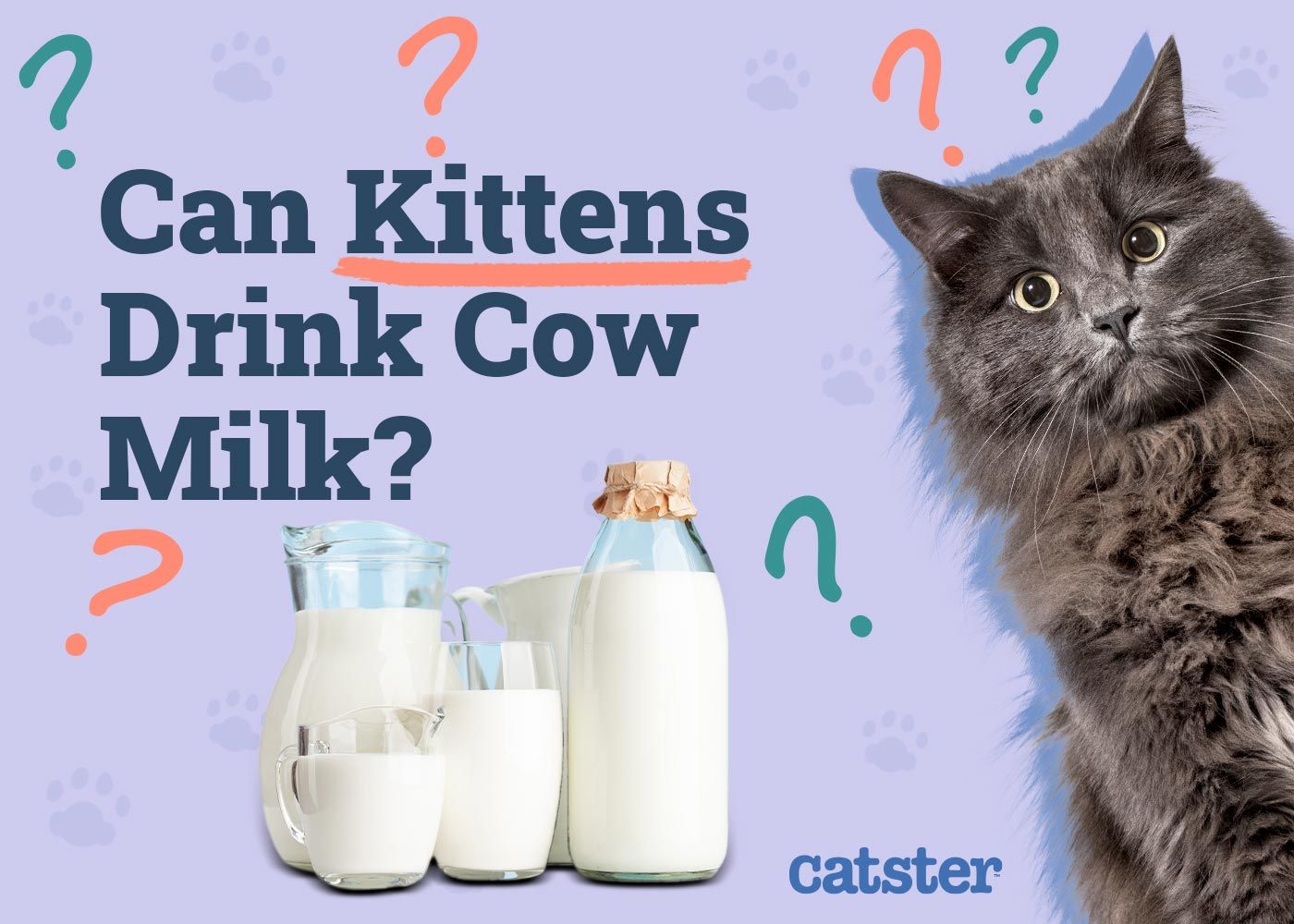
So, can kittens drink milk? While they may enjoy cow’s milk, many cat owners operate under the misconception that cow’s milk is good for their pets. Cow’s milk is not appropriate for kittens, and feeding it to your kitten can result in serious health issues. In this article, we will discuss why kittens shouldn’t drink cow's milk and the possible side effects of drinking it, so keep reading to learn more.

Why Can’t Kittens Drink Cow’s Milk?
Cow’s milk is not healthy for kittens or adult cats. Most felines do not have the enzymes necessary to break down the sugar lactose, which is abundant in cow’s milk. Drinking cow’s milk may cause your cat to suffer digestive issues.
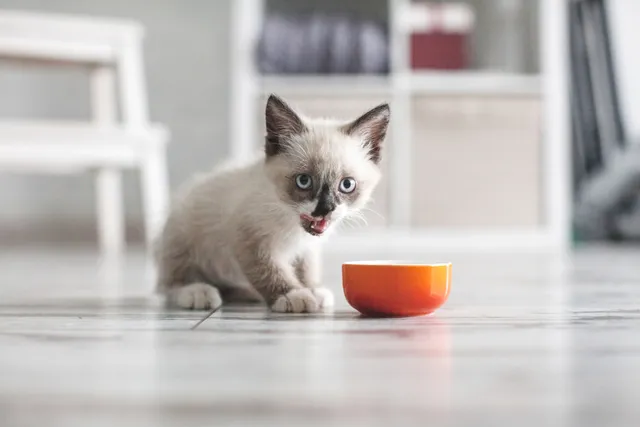
Kittens do drink milk, but not cow’s milk. Kittens are born ready to digest their mother’s milk, so milk from a cat is perfectly safe for kittens. However, around 8 weeks of age, most kittens start to lose their ability to digest even cat’s milk and begin consuming food they will eat as adults.

Dangers of Feeding Cow Milk to Kittens
As mentioned before, feeding cow’s milk to your kitten or adult cat can lead to gastrointestinal problems due to their inability to digest lactose. Their lack of necessary enzymes to break down cow’s milk can lead to diarrhea, vomiting, and gas shortly after consumption.
In severe cases, it can lead to rapid dehydration. Dehydration is a medical emergency that can impede your kitten’s ability to perform normal bodily functions. If you suspect your kitten is dehydrated, immediately take them to your vet or local emergency clinic.
If an adult cat consumes cow’s milk, they may experience similar abdominal discomfort. The real danger is the long-term effects of prolonged feeding since cow’s milk is high in fat that may contribute to obesity.
Can Kittens Drink Milk Alternatives?
Now that you know cow’s milk is entirely off the table, you may wonder what milk can kittens drink safely? For example, can kittens drink goat’s milk? What about soy milk, almond milk, and other forms of milk?
Much like with cow’s milk, feeding any form of milk to your cat is unnecessary. The cow milk alternatives are often high in fat, which can lead to weight gain. They also contain oils, sugars, or thickeners that cause severe gastrointestinal distress.
Many types of milk also have high levels of additives and preservatives. Furthermore, they are not nutritionally balanced for feline consumption. The only milk that your kitten should drink is their mother’s milk when age appropriate.

Can Kittens Drink Milk Formulas?
Cow’s milk and other forms of milk are out of the question. But what about milk formulas? Milk formulas can be an excellent option for growing kittens as long as they are developed with feline consumption in mind.
Ideally, kittens will be nursed by their mother and will have no need for a milk formula. However, orphaned or abandoned kittens will need nutrition in the form of milk.
Some excellent formulas include the ones on our list of the best kitten milk replacements!
Frequently Asked Questions (FAQ)
It can be difficult to fully understand how cow’s milk or other types of milk truly impact cats, especially in a culture that perpetuates the idea that cats can and should drink milk. To learn more about the relationship between milk and cats, take a look at the frequently asked questions below.
Are All Cats Lactose Intolerant?
Many cats are lactose intolerant; however, not all of them are. Some can process lactose better than others, allowing them to digest cow’s milk without experiencing gastrointestinal problems. If your cat has ingested cow’s milk, monitor them for the next 12 hours.
They are likely lactose intolerant if they display signs such as diarrhea, vomiting, flatulence, or abdominal discomfort. If they do not show any signs, it is possible that they are not.
Regardless of your cat’s lactose intolerance (or lack thereof), cow’s milk is still not a healthy choice. It is high in fat, and if consumed frequently, it can lead to obesity. Therefore, keeping cow’s milk off the menu is the best choice for your cat.

Should You Seek Veterinary Care if Your Kitten Drinks Cow’s Milk?
Accidents happen; sometimes, your curious kitten gets their nose into something they shouldn’t have. If your kitten has lapped up cow’s milk, your response will depend on how much they ingested and how they are responding.
If they only drank a small amount and appear to be experiencing mild gastrointestinal issues, continue to monitor them. Their digestive issues will likely resolve within 24 hours.
However, veterinary care is necessary if your kitten consumes large amounts of milk and has been sick for longer than 24 hours. This is also true if your kitten cannot stay hydrated or appears to be weak.
What Can You Give Your Cat to Drink?
If cats can't drink cow’s milk, what can you give them to drink? The only liquid that your cat should drink is water. After your kitten weans off their mother’s milk, there aren’t many reasons for you to provide them with drinks other than water.
If your cat doesn’t drink from their dish enough, you can try using a different bowl, clean and refresh the water frequently, or provide water from a fountain.

Conclusion
Despite the stereotypes, cow’s milk is unsuitable for kittens or cats. Cow’s milk can present many dangers to your kitten’s health, such as digestive distress and dehydration. Now that you know the risks of feeding cow’s milk to your kitten, you can avoid falling victim to the common misconception that cats need to drink milk.
Sources
Featured Image Credit: New Africa, Shutterstock
Expert cat care, straight to your inbox
News, insights, and useful advice, delivered to you.

No spam — unsubscribe anytime.
By signing up, you agree to our Terms & Conditions and Privacy & Cookies Policy.
How useful was this post?
Click a star to rate. You can leave written feedback afterwards. (We read all feedback.)
Cats are Jordyn’s passion. Whenever she has the opportunity she loves to learn about animals and share her knowledge with everyone. She is devoted to her sassy tabby cat named Jack and works hard to buy him his favorite treats and toys. Discovering new ways to better care for her cat is always on her to-do list, and she is eager to help pet parents everywhere. In Jordyn's spare time, she loves to write, read, and take long walks. She has a creative spirit, which often helps her to come up with funny cat names.