4 Easy Recipes for Homemade Kitten Formula: Our Vet Answers & Provides Tips

In this article
A kitten needs to feed exclusively on their mother’s milk until they are around 3 weeks old. At that age, though their mother’s milk production reaches its maximum, they also begin to develop their teeth, and this is a natural signal for their mother to slowly begin weaning them over a period of around a month or so. Though they will still drink milk, they will also begin eating solids during the weaning process. Eventually, they will adjust their nutritional intake to just solids.
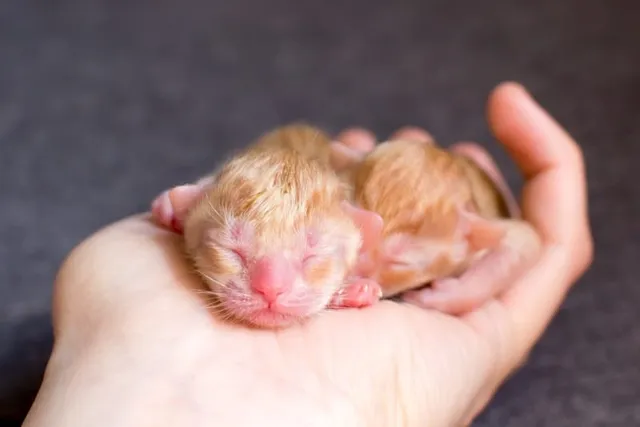
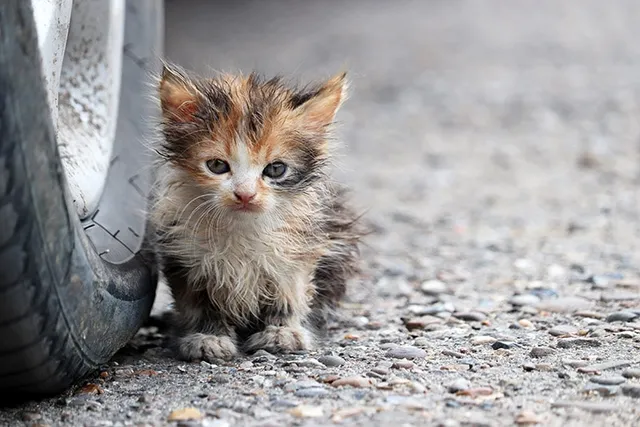
The problem comes when their mother isn’t around. That can happen if she has abandoned the kittens, rejected one of them, or died after giving birth to them. Whether you have found a litter of kittens without a mother or they were born at your home, you have a problem to solve. How do you feed the orphaned kittens that are not yet weaned?
The best solution to this problem is to get mother cat replacement formula from a pet store or online. However, newborn kittens grow rapidly, and very young kittens need to drink milk every 2 to 4 hours during the day. What happens if you can’t get the formula in time for them to eat?
If you find yourself in this position, you will need to make your own kitten formula until you can buy a replacement. Here are four kitten formula recipes that you can use to keep your kitten satisfied and healthy until then.

Homemade Kitten Formulas
Please note that homemade kitten formulas should only be considered and used in an emergency situation when there are no other options available. The best “milk replacement” for an orphaned kitten is having them fostered by another queen (mother cat) with kittens that are around the same age as the kitten. Most queens readily adopt orphaned kittens, as they have a massive surge of maternal hormones around the time they give birth. The next best option is a commercially available kitten milk replacement formula. The recipes below should only be used in the event that you cannot fulfill the first two options, and they should only be used on a temporary basis until you can find a commercially available kitten formula or a foster queen.
1. Simple Kitten Formula
Milk & Eggs Kitten Formula
Treat your favorite kitten to a homemade kitten formula that's as inexpensive as it is nutritious! This recipe is incredibly easy to make and very satisfying for your kitties.

Mixing Time
5 min
Total time
5 min
Equipment
- Container
- Spoon
Ingredients
- 6 tablespoons (90 ml) of condensed milk
- 6 tablespoons (90 ml) of water
- ½ cup (120 ml) of plain yogurt
- Egg yolks
Instructions
- Blend all the ingredients uniformly.
- Ensure that the mixture is fed to your kitten(s) at 95 - 100 oF (35 - 37.8 oC). Avoid heating this mixture in the microwave, instead, place it in a warm water bath to reach the desired temperature. You can warm the water bath in a microwave, and then place the mixture in the warm water bath.
- This formula can be refrigerated for 24 hours. However, unused or leftover formula should be discarded after 24 hours.
Notes
2. Kitten Formula with Gelatin

3. Whole Milk (Goat)

Though technically not a recipe, in a crisis situation, whole goat’s milk can be used as a milk replacement for your kitten. Like the options above, this should only be considered until your kitten’s milk replacer arrives and can be used in lieu of the milk.
Like the recipes mentioned above, this should be fed to your kitten at 95 - 100 oF (35 - 37.8 oC). You should also avoid heating this milk in the microwave. Just like the other options, it should be placed in a warm water bath.
4. Cow Milk (Whole)

Similar to goat’s milk, cow’s milk can be used as a replacement for your kitten. When opting for cow milk, it’s best to stick to whole milk (full fat) that isn’t flavored. Low-fat options shouldn’t be used.

How to Bottle-Feed a Newborn Kitten
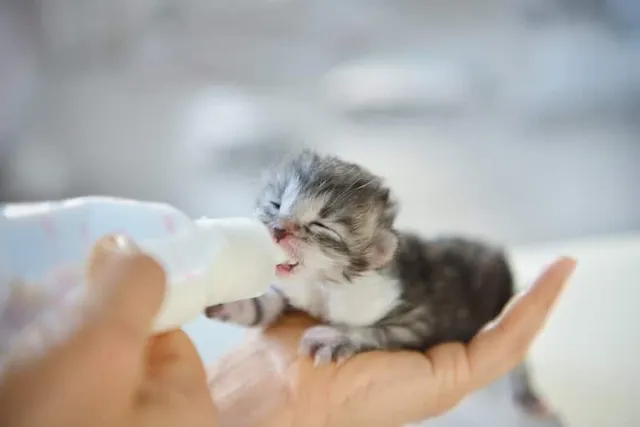
When it comes to bottle-feeding a newborn kitten, we have a few tips and tricks. For one, start by using a special baby bottle made for tiny babies. You can also find bottles with tiny nipples that will suit a kitten’s mouth. The smaller size will make it easier for them to handle.
In the cases when you can’t find a baby bottle with a small enough nipple, you can also use an oral syringe without the needle. You can find these at store pharmacies.
Feeding the kitten involves heating the formula, whether it’s homemade or store-bought. It should be just warm. As mentioned previously, you should not use a microwave to do this. The best way is to put the formula in the bottle or syringe and then set it inside a bowl filled with the water bath.
Once your kitten’s formula is warm enough, you can feed your kitten. To do this properly, place the kitten into a natural feeding position. They should be on their belly in a comfortable position on a table or the floor.
Kittens require around 20–26 kcal per 100 grams (3.5 ounces) of body weight per day, and most commercial kitten milk replacer formulae deliver about 1.0 kcal/ml. Therefore, the daily requirement for commercial kitten milk is about 20–26 ml per 100 grams (3.5 ounces) of your kitten’s weight. This should be divided by the total number of meals your kitten receives per day to know how much you should provide per feeding. Keep track of this to make sure they are getting enough calories and nutrients to grow steadily.
If you notice that they are constipated, or if you notice that your kitten has developed diarrhea, you should promptly seek veterinary care for your kitten. Keep in mind that kittens under the age of 3-4 weeks cannot evacuate their bowels or urinate on their own, this task falls on you as well and should be performed before and after each feeding session. A veterinarian will be able to give you directions on how to properly and safely help your kittens with their needs, as well as advice on correct diet and feeding guidelines. And you don't even need to visit their office.

Conclusion
At times, you might find yourself caring for an orphaned kitten. Their care involves routine feeding, and if you don’t have access to a foster mother cat or kitten milk replacement formula, you will have to use a homemade milk replacement for your kitten. In this article, we’ve gone over some options you can consider for your orphaned kitten until they’re ready to move on to solids.
As always, if you have any questions about the process of raising an orphaned kitten, be sure to contact your veterinarian for advice and assistance.
See also:
How to Tell if My Cat Still Has Kittens Inside: Vet-Reviewed Signs
My Cat Keeps Walking Away From Her Kittens, Is It Normal? Vet-Approved Facts
Featured Image Credit: Gosha Georgiev, Shutterstock
Expert cat care, straight to your inbox
News, insights, and useful advice, delivered to you.

No spam — unsubscribe anytime.
By signing up, you agree to our Terms & Conditions and Privacy & Cookies Policy.
How useful was this post?
Click a star to rate. You can leave written feedback afterwards. (We read all feedback.)
Dr. Luqman Javed DVM (Veterinarian)
Dr. Luqman (also known as Dr. Lucky) grew up with an immense passion for animals of all kinds. By becoming a veterinarian, he turned his childhood dream into reality. Now, his goals are focused on providing help to cats all around the world by helping to cat owners understand their feline friends better to ensure the best quality of life for them. His passions are wildlife, exotic pets, pet owner education, and animal welfare. He graduated with his DVM from the Universiti Putra Malaysia in 2020. He has worked with a variety of animal species and has decades of personal experience with keeping many different types of exotic pets, such as turtles, hamsters, freshwater fish, chickens, songbirds, and parrots (and he has extensive skills in training parrots, too).