How to Tell if My Cat Still Has Kittens Inside: 10 Vet-Reviewed Signs


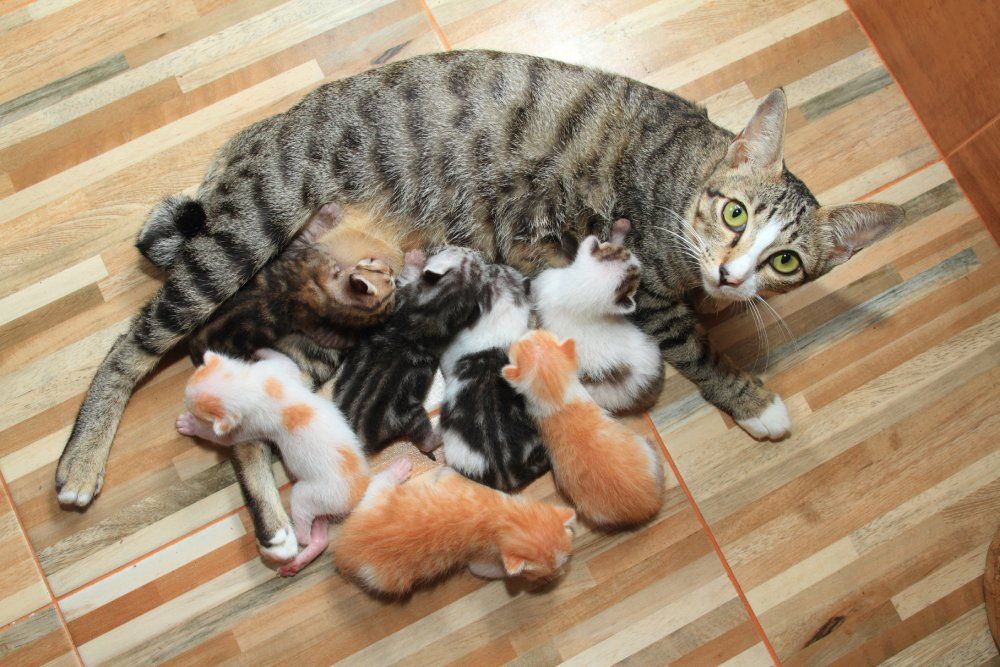
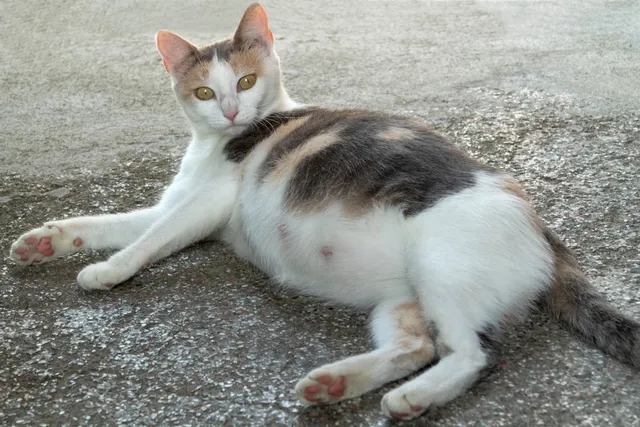
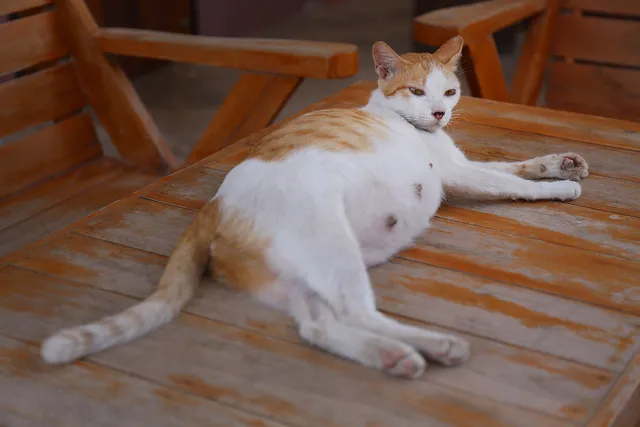
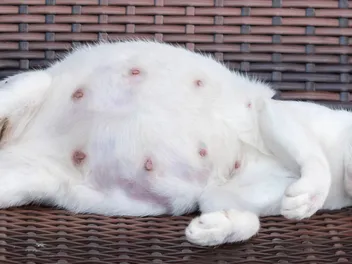
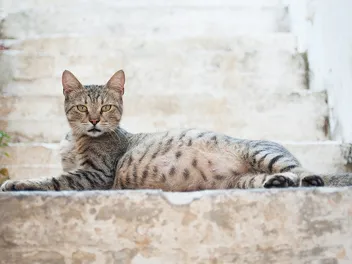
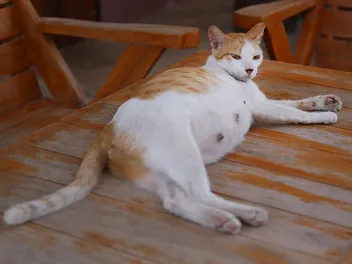
If your cat is pregnant, you want the birthing process to go smoothly. As your soon-to-be mother cat prepares to give birth, she’ll be restless and vocal, groom herself excessively around her vulva, pant more, and eat less. She’ll also start nesting, which is the process of prepping her birthing box or the place she’s chosen to give birth.
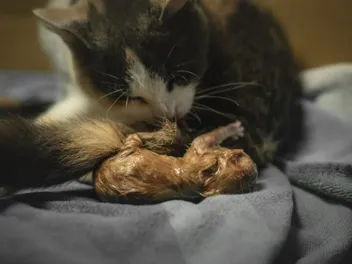
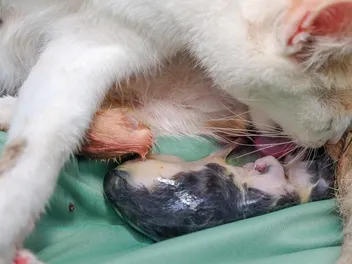
Once your cat starts having kittens, you'll need to determine when she’s done. You should know that it typically takes a mother cat 4–16 hours to give birth to all her kittens, but it can take longer. Here are the likely signs to watch for that indicate your cat is not finished giving birth:

How to Tell if Your Cat Still Has Kittens Inside
1. She’s Breathing Heavily
Giving birth requires lots of energy, and it’s uncomfortable for your cat. If your mamma cat is breathing heavily and panting after delivering a kitten, there are probably more babies on the way. Heavy breathing typically goes hand in hand with contractions, and when a cat is done having kittens, her breathing will return to normal.

2. She’s Being Extremely Vocal
Because labor is uncomfortable, a cat will repeatedly vocalize while giving birth. If your cat is making a variety of vocalizations, like loud meows, she most likely still has kittens inside her.
The only time you need to worry about your cat vocalizing during the birthing process is if it continues long after the last kitten was born. This could be a sign of distress, meaning something could be askew, so be prepared to get in touch with a vet.
3. She’s Straining
Delivering kittens is hard work, and all the contractions your cat experiences require energy. It’s perfectly normal for a cat to strain while giving birth because it helps the kittens come out. If your cat has given birth to one or more kittens and continues straining, she probably has more kittens on the way.
Just keep an eye on the time because long-lasting straining with no kittens arriving can signal that something is wrong. If she strains for more than 30 minutes without delivering a kitten, it could indicate a complication with delivery. This can be an emergency in which you should seek immediate veterinary care.
4. She’s Licking Her Private Parts
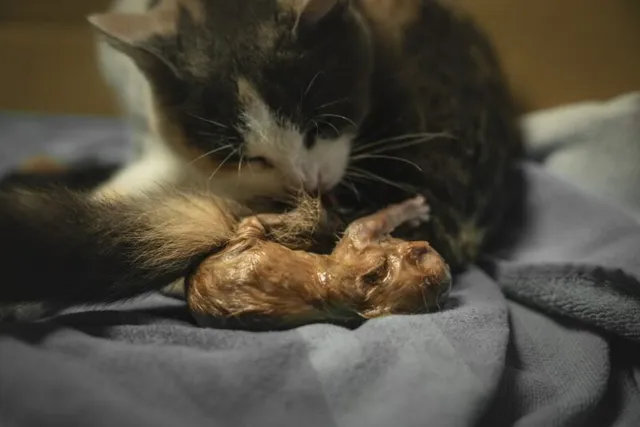
If you notice that your cat is licking her genital area during the birthing process, there are likely more babies to be born. This licking behavior dissolves the thin fluid-filled membranes surrounding each kitten as they pass through the birth canal.

5. She’s Showing Signs of Aggression
As a cat is giving birth, it’s common for her to protect her kittens and herself. This is a natural behavior. It’s also a good sign that more kittens are coming and that your mamma cat is simply telling you to stay away until she’s done giving birth.
It’s a good idea to keep other family members away from your cat during the birth so she doesn’t become stressed. Your cat can bite a small child that gets too close, so tell the kids to stay away until all the kitties are born and things start to settle down.
6. The Placenta Hasn’t Passed
After each kitten is born, the placenta will pass within about 15 minutes. The mother cat will eat this afterbirth after each kitten is born, so keep an eye on her. If you don’t see a placenta come out, there are probably more kittens inside.
7. She’s Not Focused on Her Newborn Kittens
A cat in the process of giving birth won’t dedicate all her time to bonding with and caring for her newborn kittens. If she isn’t cleaning up and bonding with the kittens she’s had, she could still be in labor.
It’s important not to overwhelm your cat with attention during the birthing. There will be plenty of time to admire the new fur babies once you know they’re all out. Give your mamma cat the peace and quiet she needs and deserves—she is bringing an entire litter of newborns into the world, after all!

8. There Is Still Discharge Coming Out
If you see discharge coming out of your mother cat during the birthing process, it means there are probably still kittens waiting to be born. This discharge can contain a small amount of blood, so don’t be alarmed if it’s reddish-colored. Once your cat is finished giving birth, you shouldn’t see any more discharge.
9. There Were More Kittens in the Ultrasound
If your vet performed an ultrasound or x-ray on your pregnant cat, you were probably told how many kittens they could see. If your cat doesn’t give birth to at least the same number of kittens shown on the ultrasound, she’s not done yet!
For example, if your vet was sure they saw five kittens, but your cat has only had four, be patient and wait for the fifth kitty to appear.
10. She’s Restless
During the birthing process, a cat is usually restless. If your cat is acting restless by moving around to make herself more comfortable, she may still have some kittens on the way. She may also meow while readjusting her body for the next round of labor. A mother cat will settle down once she’s done giving birth.

What to Do After All the Kittens Are Born
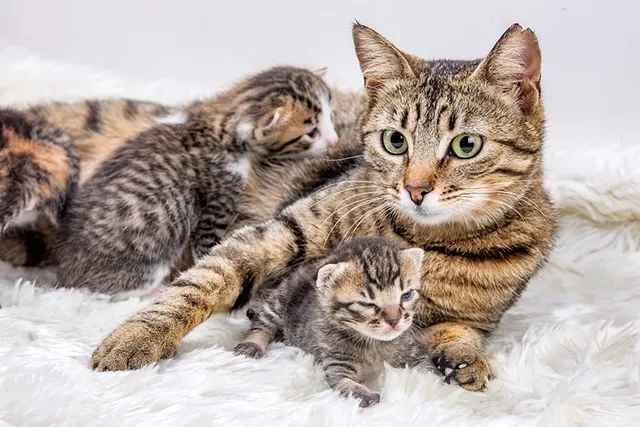
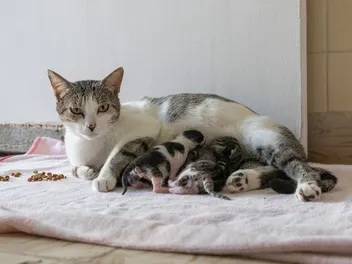
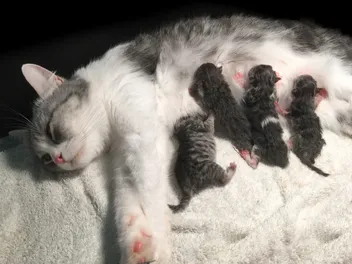
Once you’re sure all the kittens have been born and the mother cat seems healthy, allow her to bond with her new babies. She should start nursing her kittens right away, and her motherly instincts will kick in to keep her kittens warm, safe, and well-fed.
It’s a good idea to replace any soiled bedding your cat used to give birth. While doing this, talk quietly and calmly to your mother cat so she doesn’t become upset. It’s okay to carefully pick up the newborn kittens to clean the birthing box. Your cat probably puts all her trust in you anyway, so it shouldn’t upset her much if you gently move the kittens to a clean and dry area. However, this isn’t true for all new moms.
Conclusion
It’s truly a special time when a mother cat has kittens. It can also be stressful for you if you’re not prepared. Do your homework and learn all you can about the birthing process so that it’s more pleasant for everyone involved.
Most female cats do just fine on their own giving birth, but it’s always a good idea to be close by, just in case something goes wrong. We recommend having your vet’s telephone number on hand in case you need to give the office a call for advice.
See Also:
Sources
Featured Image Credit: tanewpix289, Shutterstock
Expert cat care, straight to your inbox
News, insights, and useful advice, delivered to you.

No spam — unsubscribe anytime.
By signing up, you agree to our Terms & Conditions and Privacy & Cookies Policy.
How useful was this post?
Click a star to rate. You can leave written feedback afterwards. (We read all feedback.)
Christian started writing for a local newspaper as a teenager, and he's been involved in the publishing industry for most of his adult life. Combining his love of writing with a passion for animals, he is currently the Director of Editorial at Pangolia and the Editor-in-Chief at Catster.
Christian lives in the Philippines with his wife, son, and four rescue cats: Trixie, Chloe, Sparky, and Chopper.