Pregnant Cat Nipples vs Normal: Vet-Verified Differences Explained


In this article
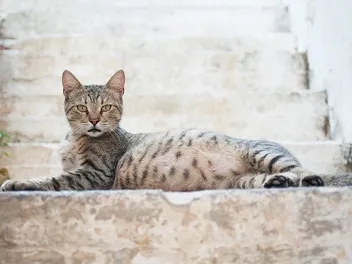
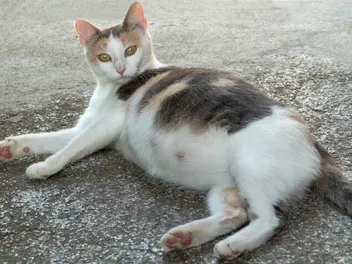
Both male and female cats have nipples, but the female’s nipples will change during and after pregnancy to accommodate the nutritional needs of her little ones. After all, those nipples must be ready to feed several kittens at the same time. Changes in a female’s nipples can be one of several signs that she has become pregnant, so it’s a good idea to know the differences between normal and pregnant cat nipples.
Understanding the differences can help suggest when a cat may be pregnant, but nipple changes alone are not a definitive method of diagnosis. Even if you know a cat is pregnant before her nipples start to change, you should know what nipple changes to expect so you can seek help if something looks off at any time during the pregnancy.
Here is everything that you need to know about the differences between normal and pregnant cat nipples.

Overview of Normal Cat Nipples

Cats have several nipples located along their bellies. There are typically six to eight nipples in all, situated in pairs. Occasionally, a cat might have more or fewer pairs of nipples or an odd number of nipples altogether. What’s interesting is that both male and female felines have nipples laid out in this way. So, you cannot tell whether it’s a male or female just by looking at a cat’s nipples.
How Cat Nipples Work
Every nipple on a male or female cat is associated with mammary tissue, but functional milk production occurs only in females under appropriate hormonal influence, typically during pregnancy or lactation. Each mammary gland contains multiple ducts that deliver milk through openings in the nipple. Milk production primarily takes place during pregnancy and lactation, although it can occasionally occur in non-pregnant females due to hormonal imbalances or pseudopregnancy.
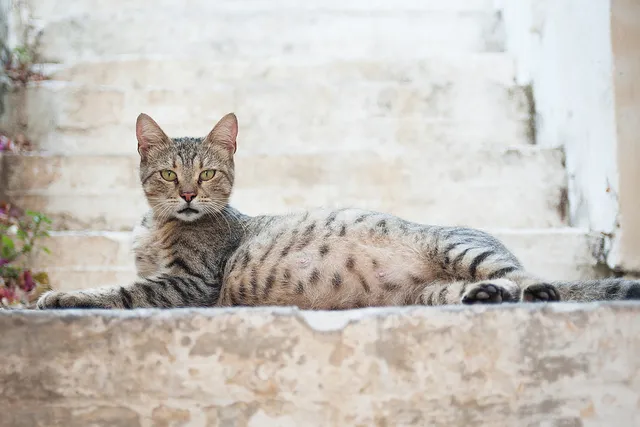
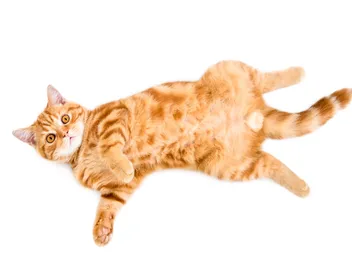
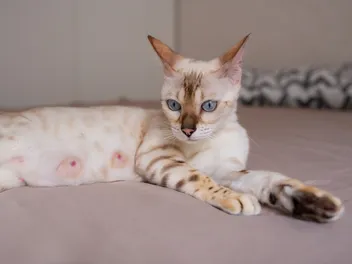
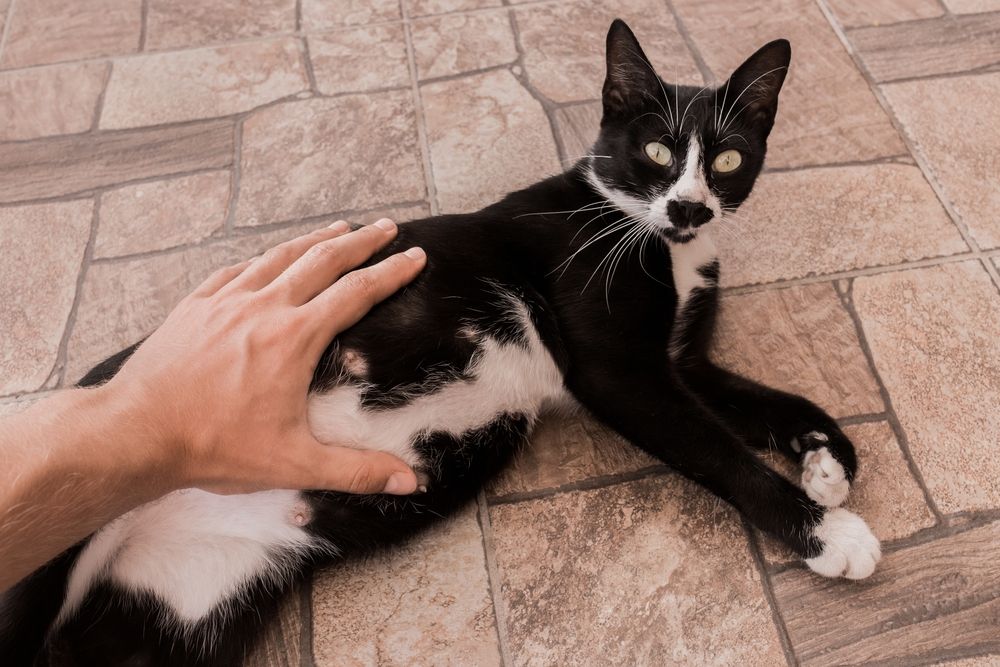
When a cat is not pregnant, their nipples are small and firm. They are not typically apparent unless you look for them. Sometimes a little bare skin shows around each nipple, but in many cases, all that protrudes from the fur is the small nipple that looks like a wart. If a cat’s fur is long and thick, one may have to feel for the nipples because they are so hidden.
About Male Cat Nipples

Male cats have nipples just like female cats do because they develop before sex anatomy is established in the womb. However, their nipples typically remain non-functional because they lack the hormonal environment required for milk production. A male cat’s nipples usually do not undergo noticeable changes during their lifetime under normal conditions. They stay small and hard, and they are often hard to spot with the human eye. Male cats can develop mammary tumors, although this is rare, and so any changes should be checked by a vet promptly.
Overview of Pregnant Cat Nipples

You may start to notice a pregnant cat’s nipples change after just a few weeks. These changes occur in response to hormonal shifts that prepare the mammary glands for nursing once the kittens are born. The nipples do not just change once or in a single pattern throughout pregnancy; instead, changes tend to progress gradually and may continue after giving birth.
Nipple Changes in Early Pregnancy
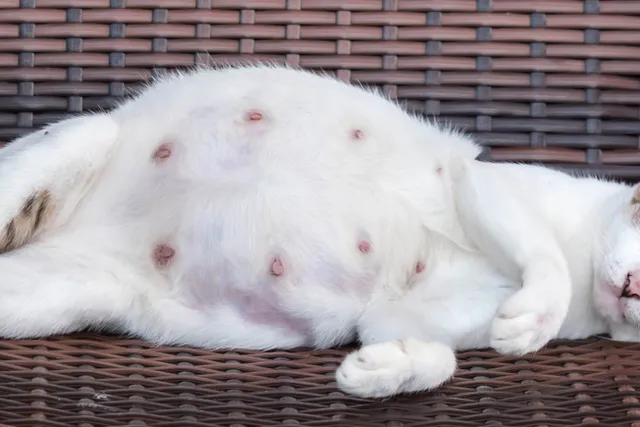
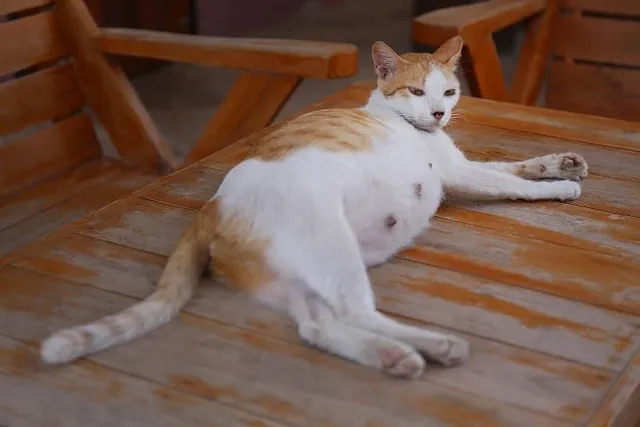
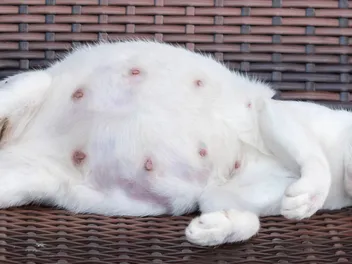
It takes about 2–3 weeks of pregnancy for nipple changes to start occurring. At this time, the nipples do what is referred to as “pink up,” which means that they get larger and become redder in color. At this point, the nipples often become more noticeable and may increase in size, although the degree of enlargement can vary between individuals. The surrounding tissue of the pregnant cat’s nipples may become more visible as the fur separates, and it is typically pink. There should be no discharge happening at this point in pregnancy.

Nipple Changes in Late Pregnancy

By late pregnancy, a pregnant cat’s nipples have typically enlarged significantly, although their size may still change slightly as parturition approaches. However, the area around the nipples will also appear more prominent as the mammary glands continue to develop. In the final stages of pregnancy, some cats may produce a small amount of discharge from the nipples, although this is variable and not all cats will show visible secretion before giving birth. The discharge is typically milky or clear and can be continuous or sporadic depending on many factors, including gestation period and health status.
Nipple Changes After Pregnancy

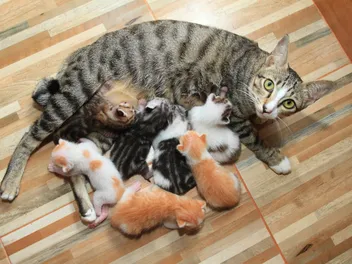
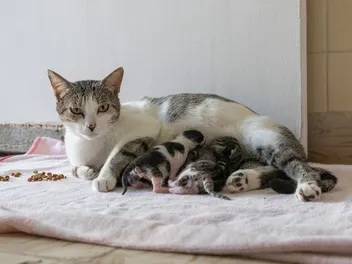
After giving birth to her kittens, a female cat produces milk to nurse her kittens. This stimulation will make the nipples even larger and look fuller. The nipples and surrounding mammary glands may appear enlarged or pendulous, especially when engorged with milk, but this varies depending on milk production and litter size. The nipples typically remain enlarged and pink during the nursing period. Once the kittens begin weaning off their mother’s milk, the mother’s nipples slowly start to shrink and look normal again.
However, some female cats’ nipples never shrink back to the size that they were before giving birth. They will stay slightly enlarged and easier to see.
If you have any concerns or curiosities about your cat or their health, we recommend you contact a vet directly.
Conclusion
Nipples go through many changes when a mother cat becomes pregnant. The growth and preparation of the nipples are part of normal physiological changes during pregnancy, but it is always important to make regularly visiting the veterinarian a component of proper prenatal care. Now that you know what transformations a cat’s nipples go through during pregnancy, you can recognize possible signs of pregnancy and seek appropriate veterinary care.
Related Reads:
Featured Image Credit: AYDO8, Shutterstock
Expert cat care, straight to your inbox
News, insights, and useful advice, delivered to you.

No spam — unsubscribe anytime.
By signing up, you agree to our Terms & Conditions and Privacy & Cookies Policy.
How useful was this post?
Click a star to rate. You can leave written feedback afterwards. (We read all feedback.)
Rachael has been a freelance writer since 2000, in which time she has had an opportunity to research and write about many different topics while working to master the art of fusing high-quality content with effective content marketing strategies. She is an artist at heart and loves to read, paint, and make jewelry in her spare time. As a vegan, Rachael is obsessed with helping animals in need both in her community and anywhere in the world where she feels she can make a difference. Animals also happen to be her favorite topic to write about! She lives off the grid in Hawaii with her husband, her garden, and her rescue animals including 5 dogs, a cat, a goat, and dozens of chickens.