My Cat Just Had Kittens, What Do I Do? (7 Vet-Recommended Tips)


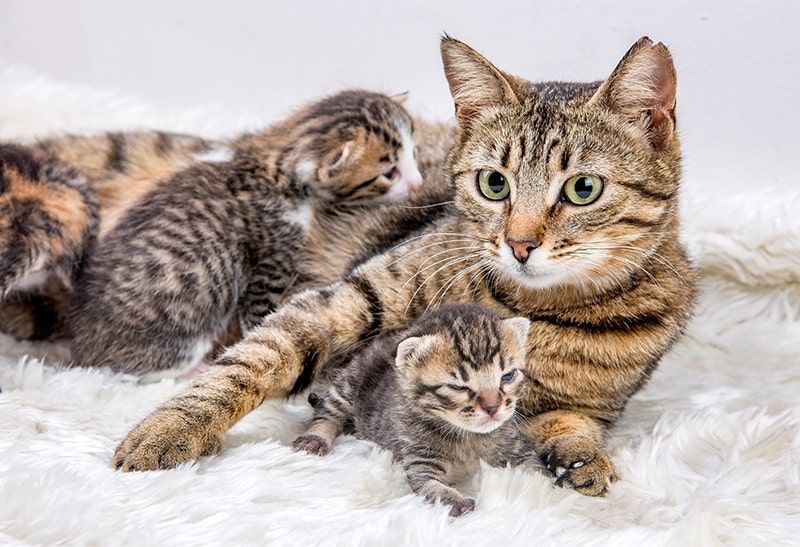
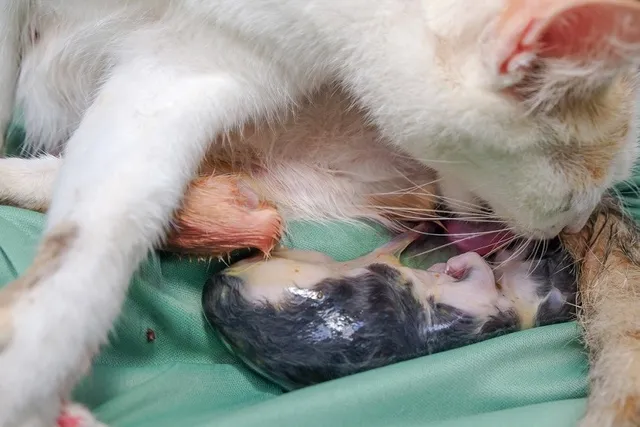
If you’ve been waiting patiently for your cat to have her kittens, and now the time has come, it can be stressful. But if you’ve never overseen a kitten birth or cared for a cat mom and her newborn babies, you are likely wondering what you should do.
You've come to the right place—here are seven important tips to keep in mind.

The 7 Important Things to Do When Your Cat Just Had Kittens
1. Establish a Safe Space
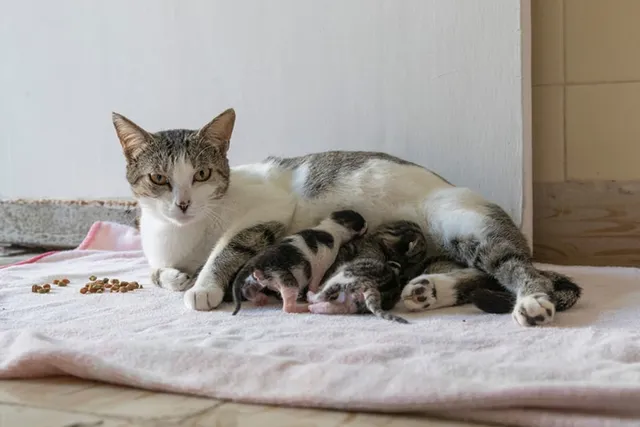
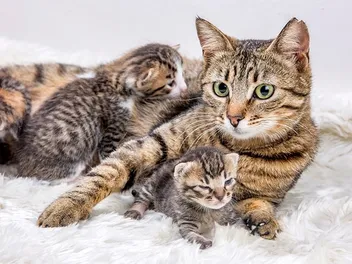
Make sure your cat and her kittens are settled in a safe space, where the atmosphere is quiet and free of stress. If possible, put the mother and her babies in a kennel or “nesting box,” which can just be a basket or cardboard box filled with cozy bedding. This will confine the babies to one space that they can’t easily get out of so it’s easier for their mother to find them and take care of their needs.
Choose a space in your home that does not see much foot traffic throughout the day, such as a spare bedroom or large walk-in closet. The space should be free of commotion, like kids playing so as not to spook the mother or make her feel like she must go into “protective” mode to keep her babies safe.

2. Keep the Space Warm and Dry
Wherever your cat is caring for her babies, the space should be kept as dry and warm as possible. The mother will do a good job of keeping her babies warm herself, but the more help she has, the easier her important job will be. If possible, set up and run a dehumidifier in the space to ensure that no extra moisture is present that could cause respiratory illnesses in the newborns.
If the space is chilly enough that you must wear a sweater to stay comfortable, run a space heater to warm things up.

3. Keep Other Pets Away from the Space
It can be tough to know how another pet will react to newborn kittens, even if they are normally friendly and docile. Other animals can stress out the mother and make her feel defensive of her babies. Therefore, it is a good idea to keep all other pets away from the mother and her kittens until the babies are old enough to roam around the house and care for their own needs.
You can easily do this by keeping the door closed to the room where your cat and her newborns are living. If this is not possible, set up a baby gate to create a barrier between the kittens and any other pets in your household. Always make sure no pets can get to the babies while you are away from your home and unable to supervise.

4. Make Food, Water, and a Litter Box Readily Available
Make life easy on your mama cat by putting her litter box and food and water bowls next to the nesting area where she is caring for her babies. She will want to be near her newborns as much as possible, so she might ignore her own needs. If she can quickly grab a bite to eat, drink water, and use the bathroom near where she’s caring for her babies, she will be more likely to stay on top of her needs and ensure that she’s eating enough to feed her babies without losing weight or becoming ill herself.

5. Make Disease Prevention a Priority
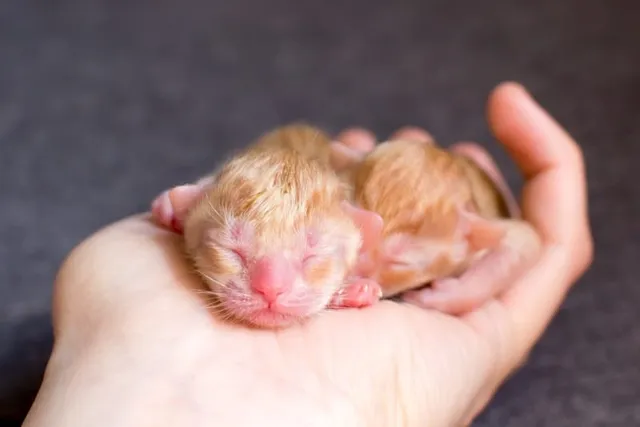
Newborn kittens are still developing their immune systems, so it is important that you—or anyone else who goes near them—do not expose them to any germs. To avoid the chance of disease development, make sure your hands are thoroughly washed before going near or handling the kittens.
For anyone who goes near the kittens, their hands should always be washed and sanitized, even if they haven’t been doing anything besides sitting on the couch watching television.

6. Handle the Kittens Regularly
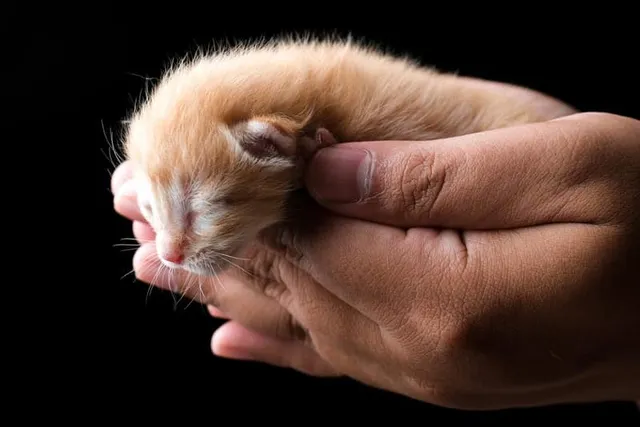
Once the kittens have opened their eyes and are moving around their nesting area easily, which can be as soon as a couple of days or as long as a couple of weeks, you can start handling them. This way, they become socialized and accustomed to being around other people. Handling the kittens will help ensure that they are not afraid of people when they are ready for new homes or to be integrated into your household.
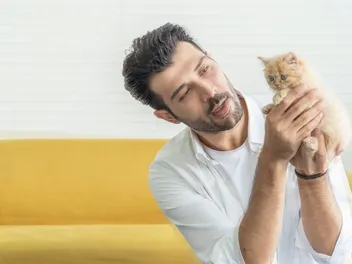
To handle the kittens, gently pick them up one at a time, and lightly pet and cuddle them. Speak softly to them so they don’t become spooked during the interaction. When you’re finished handling a kitten, put them back where they were so they can resume their regular activities. Make sure the mother cat sees everything that you’re doing so she remains trustful of your intentions.

7. Know When to Call Your Veterinarian
If everything is going well, you will not need to see a veterinarian until your cat’s kittens are about 2 weeks old. At that point, the vet will help you monitor the kittens’ weight and other growth milestones to ensure good health as they age. However, if something goes wrong, you should contact your vet immediately.
Call if you notice any of the following signs:
- One or more kittens are not eating.
- One or more kittens are not moving around as much as the others.
- One or more kittens are not making any noises while awake.
- The mother is ignoring one or more kittens.
- Mother seems lethargic or ill.
- Mother's nipples look swollen, irritated, or bruised.
Conclusion
Watching a new mama cat take care of her newborn kittens is an exciting experience, but it also comes with a great deal of responsibility. Your cat should be able to handle most of the responsibilities, but you must be there as a backup just in case something goes wrong.
The tips outlined here should help you ensure that your cat’s newborns grow up happy, healthy, and safe.
Featured Image Credit: Esin Deniz, Shutterstock
Expert cat care, straight to your inbox
News, insights, and useful advice, delivered to you.

No spam — unsubscribe anytime.
By signing up, you agree to our Terms & Conditions and Privacy & Cookies Policy.
How useful was this post?
Click a star to rate. You can leave written feedback afterwards. (We read all feedback.)
Rachael has been a freelance writer since 2000, in which time she has had an opportunity to research and write about many different topics while working to master the art of fusing high-quality content with effective content marketing strategies. She is an artist at heart and loves to read, paint, and make jewelry in her spare time. As a vegan, Rachael is obsessed with helping animals in need both in her community and anywhere in the world where she feels she can make a difference. Animals also happen to be her favorite topic to write about! She lives off the grid in Hawaii with her husband, her garden, and her rescue animals including 5 dogs, a cat, a goat, and dozens of chickens.