12 Natural Home Remedies for Cat Constipation (Vet Approved)

In this article
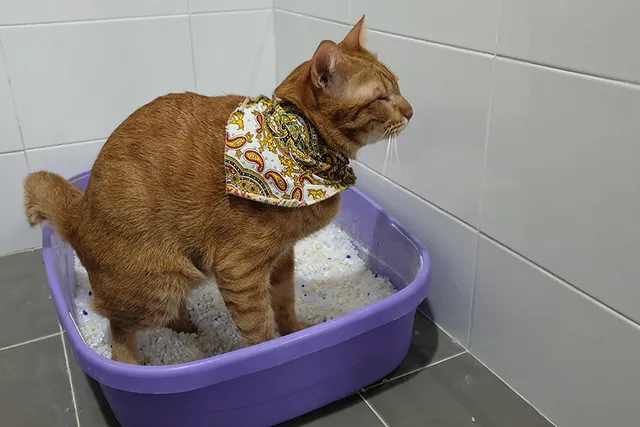
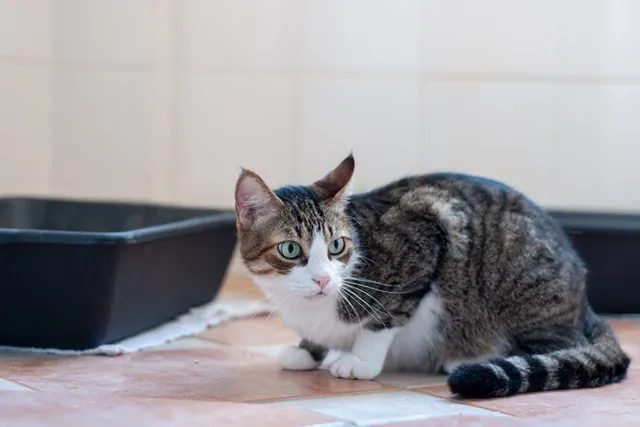
Constipation is a very common problem for cats. Often, the signs may appear mild, and although there are lots of things you can do at home to help your cat and ease their discomfort, all cases of constipation should be examined by a vet. Most cats pass feces every 24–36 hours, but if your cat is going less frequently than this or they seem uncomfortable when in their litter tray, they may well be constipated.
When your cat is constipated, feces get stuck in the large intestine for longer than usual, so it becomes dry and hard, which exacerbates the issue and makes it even more difficult to pass. There are many different causes of constipation, some are mild, and others are the result of serious health issues such as megacolon, narrowing of the pelvis due to previous trauma or kidney disease. These are complicated medical problems, and home remedies are not appropriate here.
However, if your cat has mild constipation that is being treated by the vet already, knowing how to help a constipated cat naturally can be all you need. Keep reading this vet-written guide to find out 12 natural home remedies for cat constipation.

Signs of Constipation
Constipation can vary greatly in severity. Some cats may have mild signs, while others can suffer a lot and be extremely uncomfortable.
The usual signs of constipation include (but are not limited to) the following:

The 12 Vet-Approved Natural Home Remedies for Cat Constipation
Constipation is usually easy to spot, and here is a list of some natural home remedies for cat constipation if you see the early signs:
1. Keep Your Cat Well Hydrated
If your cat is dehydrated, this will exacerbate their constipation. Keeping up fluid intake is the first port of call when managing constipated cats. This can be done in a number of different ways. You can leave water bowls around the house in easily accessible places, as this will encourage the consumption of more water. Some cats enjoy using water fountains or a dripping tap. You can also flavor your cat’s water with something strong-smelling, such as tuna juice or bone broth.
If you do this, ensure you leave some plain water out, too. This is in case they don't like the flavoring and need an alternative source.
Cats can be very curious and particular about many things, including water.
- Catster Recommends: Best Cat Water Fountains – Reviews & Top Picks
2. Feed Canned Wet Food

Changing your cat’s food from dry to canned wet food can increase water intake, especially if your cat doesn't drink much. Dry food does have some advantages, for example, it can aid in the mechanical debridement of your cat’s teeth. However, if your cat has issues with constipation, they should be taking in more fluids, as there are other ways to keep their teeth clean.
- Looking for a solution? Best Cat Foods for Constipation – Catster's Reviews & Top Picks
3. Change Your Cat's Diet
If your cat has a sensitive stomach or if they have allergies, this can cause inflammatory changes in the intestines that can lead to constipation. You can start by either changing the main protein source of your cat's diet or feeding them a hypoallergenic diet. If your cat is reacting to something in their diet, feeding them something they don't react to will reduce the inflammation. This facilitates normal peristalsis movements, which means there is a reduction in the chances of constipation developing.
Increasing fiber in your cat's diet will also aid with the movement of food through your cat's digestive tract—more on this below. Speak to your vet about diets and supplements before making any dramatic changes.
- Recommended Read: Best High Fiber Cat Foods – Catster's Reviews & Top Picks
4. Keep Your Cat at a Healthy Weight

Obesity is another thing that can cause intestinal inflammation, as it can slow the transit time of the digested food. This allows for too much water to be absorbed and causes constipation. If your cat is severely overweight, another factor is the physical weight of the fat around the stomach and intestines. It can slow the movement of food through the intestines just by the sheer mass present. Overweight cats will often move with more difficulty making them less interested in using the litter box regularly. If you need help or advice on weight loss for your cat, consult with a vet.
5. Reduce Stress and Anxiety
Stress and anxiety can affect food transit time through your cat's intestines.
Cats can become easily stressed by lots of different things. Changes in their environment, a new human or animal in their home, illness, changes in your routine, or strange noises can all cause unwanted stress and anxiety. To attempt to reduce this, you can make everything as consistent as possible.
If changes can't be avoided, try to introduce them gradually. Some cats respond to products such as calming pheromones or anti-anxiety medication.
6. Provide Multiple Litter Trays

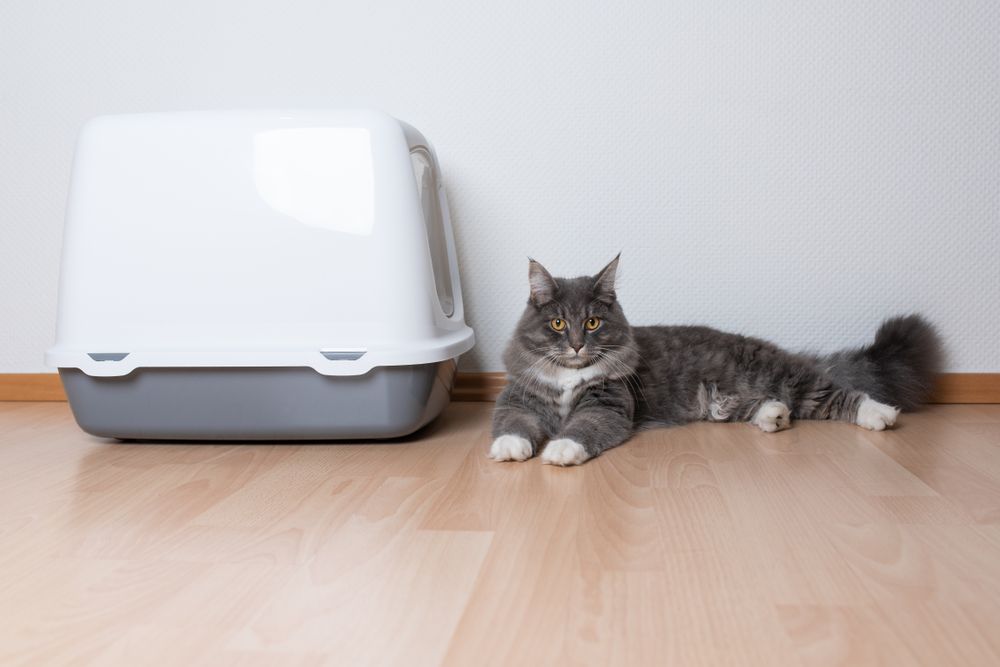
Cats are very sensitive about when and where they use their litter box. If they are not happy with something, this can put them off using it altogether, which can cause constipation and urination issues too.
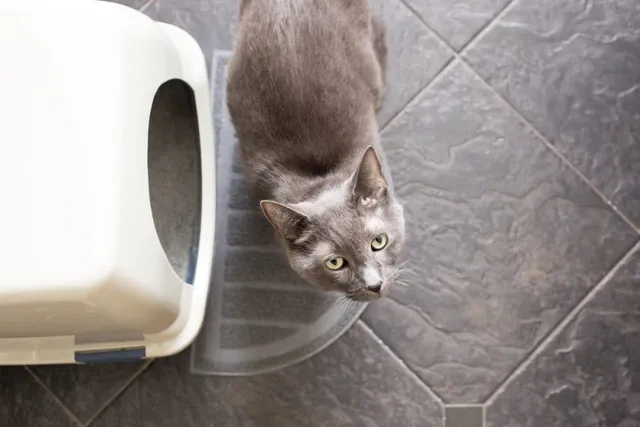
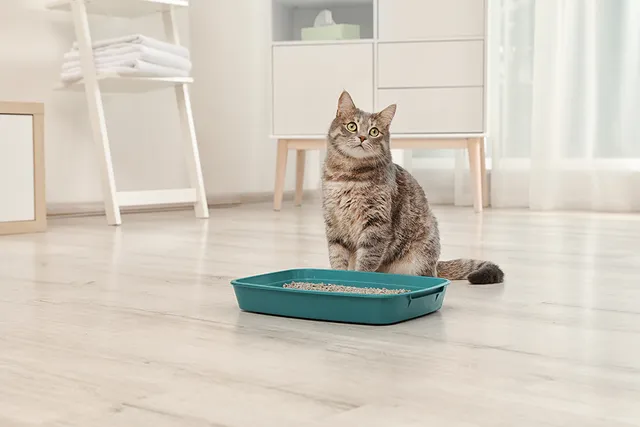
Cats may be put off by other cats using a litter tray. It may be an incorrect size so they don't fit in, they may feel exposed if there is no cover on it, or there may not be enough litter in it. It may also be in a loud and busy location. It can be a case of trial and error finding a tray and location that your cat is happy with, but it is definitely an important factor in healthy bowel movements for your cat.
7. Ensure Your Cat is Getting Enough Exercise
Much the same as humans, cats benefit hugely from exercise. If they lead a sedentary lifestyle, they are less likely to have healthy peristalsis movements. A reduction or loss of these movements can result in constipation. If they are lying in one position for long periods, it will be more difficult for them to digest their food properly.
You can encourage your cat to be more active by using cat toys and playing with them. Enrichment objects are widely available for your home such as cat trees and scratch posts. It is likely if they are more active and have mental stimulation for the duration of their day, that they will be less stressed and anxious and less likely to be overweight.
8. Increase Dietary Fiber

Feeding your cat a higher proportion of insoluble fiber can help food pass more easily through their gut. Fiber also helps retain water in the intestines. There are a few different types of fiber commonly used in cats, and these include psyllium husk, canned pumpkin and wheat bran. Not all cats with constipation benefit from a high-fiber diet as it depends on the underlying cause, so always speak to your vet before adding anything to your cat's diet. Insoluble fiber increases the bulk of the stool, stimulating bowel contraction, but it may also lower fecal water content and reduce nutrient digestibility. Too much fiber may lead to diarrhea.
9. Over the Counter Laxatives
Some over-the-counter products can be used to help your constipated cats at home, however, never use any medication at home without first consulting your vet. Laxatives usually work by drawing more water into the intestines, helping to soften the feces, which aids in the cat passing them. This can be dangerous for cats with other health issues so use with caution only under vet instruction. Some laxatives can affect your cat's ability to absorb nutrients from their food if used long-term, so it is always best to check with your vet first.
10. Probiotic Supplements

Some brands of cat food contain probiotics already. If this is not the case, you can buy probiotic supplements specifically for your cat. Probiotics can aid in the relief of constipation, and they also help maintain good digestive health.
- Our Top Picks: Best Probiotics for Cats - Reviews & Top Picks
11. Brush Your Cat Regularly
Hairballs are a very common cause of constipation in cats. If you brush your cat regularly you are removing excess hairs or hairs that are ready to shed. This means when your cat grooms themselves, they won't be accidentally swallowing lots of hairs that will contribute to hairballs. If you know your cat has problems with hairballs, there are also over-the-counter products you can buy to aid in the passing of hairballs.
12. Keep Your Cat's Backend Clean

Regularly check the area around your cat's backside to see if it is clean and free of clumped hair or dried feces. It sounds like a simple thing, but if there is matted hair and dried feces stuck to this area, it can be very painful and can certainly put your cat off trying to pass feces. This is especially important if your cat has long hair as it is more likely to get knotted and matted. It is good practice to check and clean this area so that your cat is used to you having a quick look to ensure it stays hygienic.
Often, cats struggle to clean this area if they are overweight so this is another reason to keep your cat in trim condition. Cats with arthritis may also struggle to clean this area, so be aware they may need a little help.
Conclusion
Constipation is a very common issue encountered by our cats. If signs are mild and managed by your vet, there are some useful home remedies for cat constipation owners can carry out to help their furry friend. A lot of these are beneficial for other reasons too and help to keep our cats in good general condition. If constipation is a repeated chronic issue or signs are severe, it is crucial to get an appointment with your vet to have your cat examined.
There are some underlying health issues that can cause constipation which need veterinary intervention such as prescription medication or surgery.
See also:
Best Cat Foods for Constipation in Canada – Reviews & Top Picks
Cat Water Bowl vs Fountain: Main Differences (With Pictures)
Sources
Featured Image Credit: Nils Jacobi, Shutterstock
Expert cat care, straight to your inbox
News, insights, and useful advice, delivered to you.

No spam — unsubscribe anytime.
By signing up, you agree to our Terms & Conditions and Privacy & Cookies Policy.
How useful was this post?
Click a star to rate. You can leave written feedback afterwards. (We read all feedback.)
Dr. Emma Chandley, BVM MRCVS (Veterinarian)
Dr. Emma is an experienced vet who is happy to share her expertise and knowledge about cats with readers. Her passion is surgery but she will happily talk about anything animal-related. Dr. Chandley graduated from The Royal Vet College and since then she has worked in general practice in Great Britain. Dr Chandley has completed a postgraduate certificate in Small Animal Surgery and has also gained Advanced Practitioner status in the same discipline. She enjoys developing her skills in animal behavior, nutrition, and clinical pathology as well.