Get

In Your Inbox

Catster is reader-supported. When you buy via links on our site, we may earn an affiliate commission at no cost to you. Learn more.

At What Age Do Kittens Start Eating Food & Drinking Water? Vet-Reviewed Facts

Share

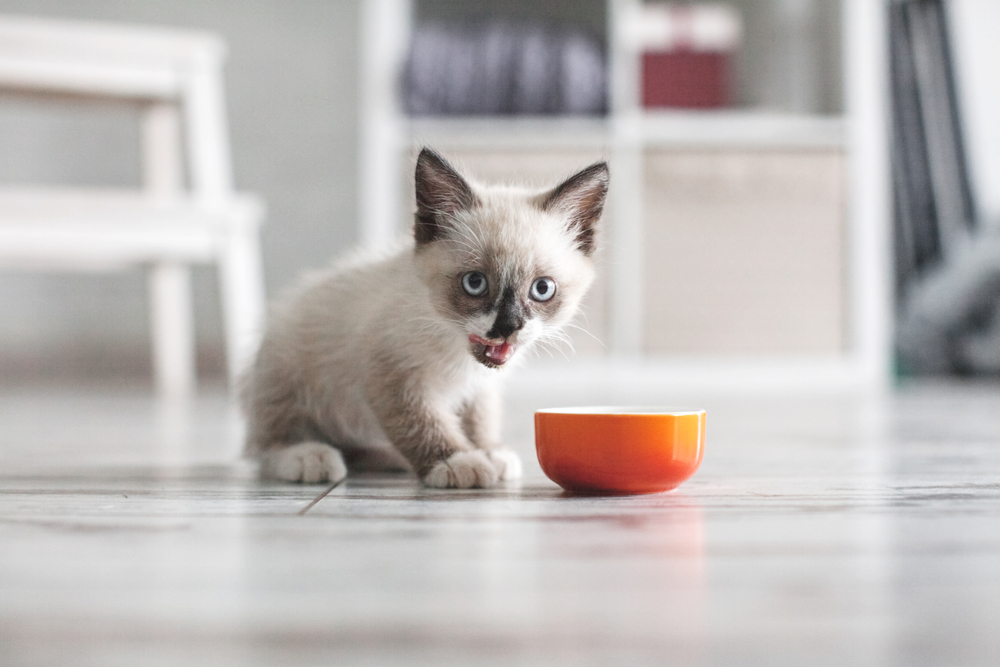
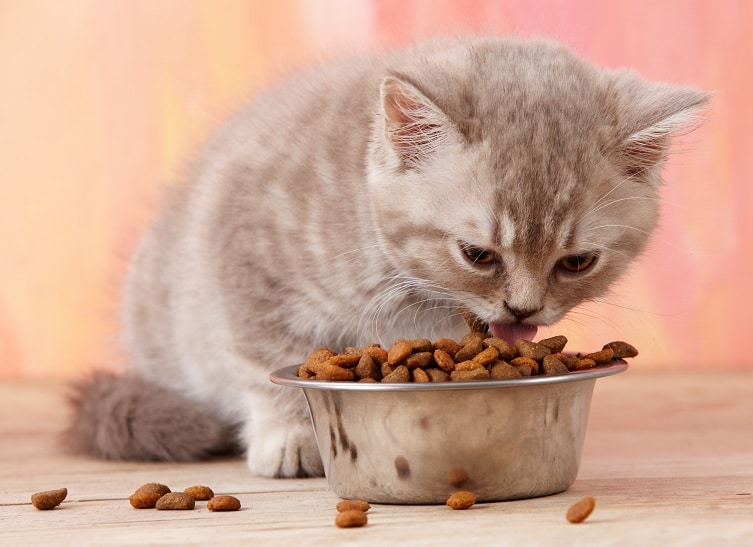
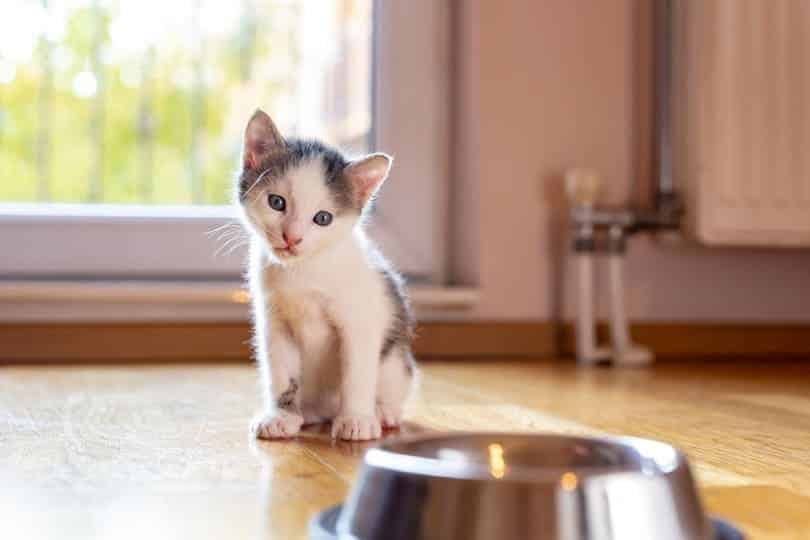
Kitten eating food from bowl

If your cat is pregnant, you are probably worried about how you will care for her newborn kittens. There are so many things to know and learn, especially when feeding newborns and growing kittens. If your biggest question is when you can start to offer your kittens food and water, you’ve come to the right place.

When your kittens become 4 weeks old, you can slowly begin the weaning process with them, which is when you will gradually introduce food and water. In this article, we will explain when exactly kittens should start eating solid foods and drinking water and why this is a critical time for them.

divider 2 cats

What Do Newborn Kittens Eat and Drink?

Kittens need to have access to the mother’s milk whenever possible. Drinking the mother’s milk is crucial, especially in the first 12 to 24 hours of birth. The first milk contains colostrum, which contains essential antibodies that the newborn kitten will absorb at this time. It is also imperative that each kitten in the litter gets to drink some of this milk, even if the litter is large. If your kittens don’t have access to a nursing cat for some reason, you can feed them kitten milk replacement formula.

In an emergency, you can create a temporary formula 1 to feed the newborn kittens but you must get hold of kitten formula as soon as you can.

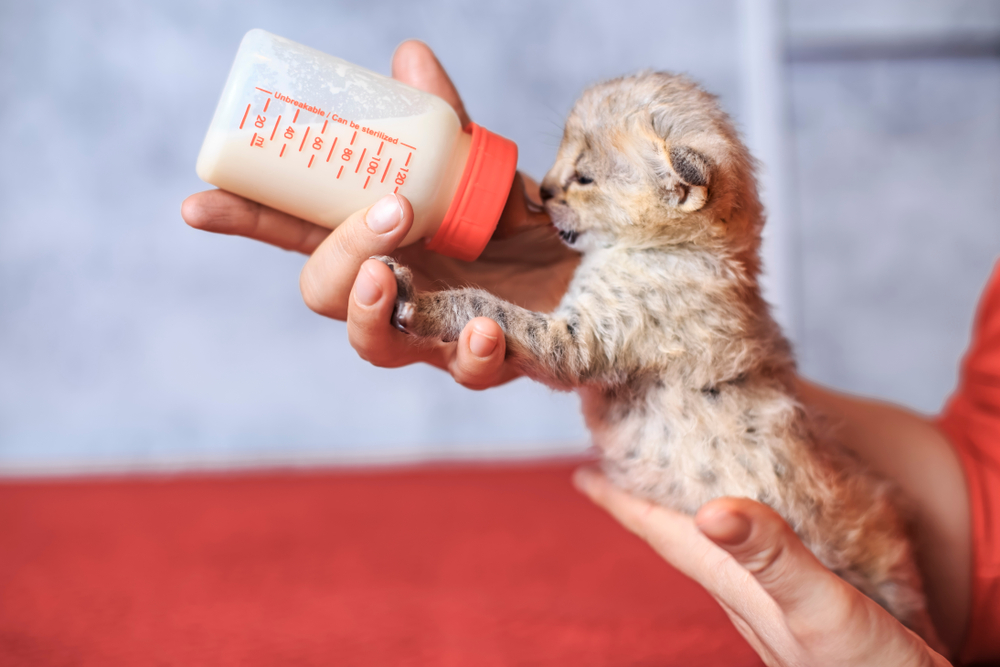
If no mother’s milk is available, you will need to feed the kittens milk replacement formula for 3 to 4 weeks. It would be best to feed them frequently, every 2 to 3 hours during the day. Contact your local shelter or consult a veterinarian for advice.

Need veterinary advice but can't get to the clinic? Catster recommends PangoVet, our online veterinary service. Talk to a vet online and get the answers and advice you need for your cat without having to leave your living room — all at an affordable price!

PangoVet_Mention-in-Content for PangoVet2 save money

The Weaning Process

The weaning process usually begins when the kittens are 4 weeks old and a bit earlier if they are orphaned. The kittens may try eating the mother’s food, and she will push them away. If they are on the bottle, you’ll know they are ready for solid foods if they start chewing and biting on it. They may also not seem satisfied with their bottle feeds.

To begin the weaning process, mix wet kitten food with formula. This will allow the kitten to recognize the taste and get used to it. Put a little on their lips and let them lick it off, making it easier for kittens to search for the food. You can slowly introduce them to the bowl, but make sure they don’t lap too fast.

Around 4–6 weeks old is the perfect time for slowly transitioning entirely to solid foods, supplementing the food with formula if needed. When the kittens transition to solid food entirely, it is important to initially soak the dry food in water. As the kittens mature, you can slowly reduce the water in the dry food.

Cat and kitten together eating cat food
Image Credit: Irina Kozorog, Shutterstock

divider cat faces oct 2024

How Old Are Kittens When They Start to Drink Water?

When kittens stop nursing at around 4 weeks old, they should start eating solid food and drinking water. Kittens must start drinking water once eating solid foods because when weaned, they need more hydration. Kittens usually begin exploring and playing with water before weaning off their mothers.

By the time they are 5–6 weeks old, their primary source of water will be from the soaked kibble. Kittens aged 7–8 weeks should already have switched to eating solid foods and drinking water.

Get Free Cat Food Recall Alerts!

Have a cat? Stay on top of cat food recalls here


How Much Water Should Kittens Drink?

Kittens up to 3 months old should drink around 2.3 ounces of water daily. When kittens are 6 months old, they should drink half a cup of water daily. Kittens will get a lot of water through soaked kibble or wet food, so these measurements will vary a lot. The amount of water will also vary depending on the kitten’s body weight.

As the kittens become mature cats, they will slowly start drinking more water, with the recommended one cup daily for a 10-pound cat.

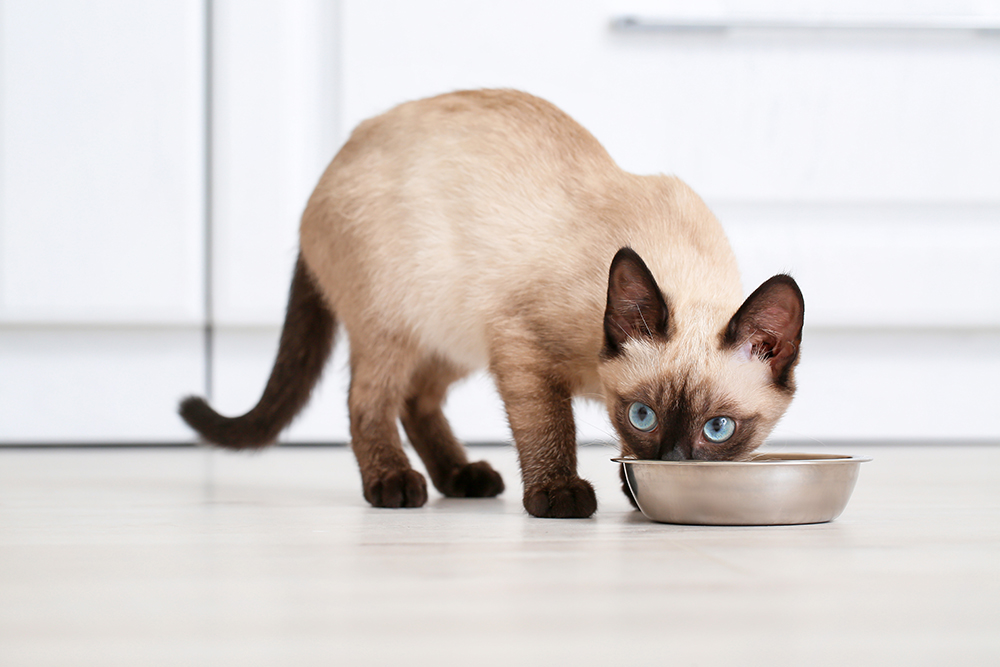
Kitten drinking from a water bowl
Image Credit: PicksArt, Shutterstock

divider 2 cats

Final Thoughts

After your kitten is done with the weaning process at around 8 weeks, you can expect them to drink water and eat solid foods regularly. Firstly, they will mostly get hydration from the soaked kibble, but after they are entirely off the milk formula, they should have access to fresh water at all times.

When kittens stop drinking their mother’s milk, they will need to get proper hydration from water or they’ll become dehydrated.


Featured Image Credit: Marian Weyo, Shutterstock

Want content like this delivered to you?

Sign Up For Our Newsletter

News, insights, expert advice, and everything cat

* By submitting, you agree to our Terms & Conditions and Privacy & Cookies Policy.


How useful was this post?

Click on a star to rate (you can leave written feedback after clicking submit)

Help us improve Catster for pet parents!

Your feedback really matters.

What did you like about this post? Also how can we improve it?

Join the conversation

Leave a Reply

You’re very welcome to leave a comment or question. Please know that all comments must meet our community guidelines, and your email address will NOT be published. Let’s have a positive and constructive conversation.


Talk With A Vet Online

Peace of mind,
anywhere, anytime

Affordable vet advice

Why Chicken Bones Are More Dangerous for Cats Than Most Parents Realize

Chicken bones seem harmless enough, but for cats, they can cause serious damage quickly. Whether your cat swiped a piece off the counter...

Fantastic Pet Pantries and Where to Find Them

Let’s face it: times are really tough right now, and those of us in the 99% are struggling with the cost of just...

Ask Dr. Paola – Help! My Cat Refuses to Drink Water! (April 13, 2026)

Welcome to our “Ask Dr. Paola” series, where every Monday we bring expert advice straight from Dr. Paola Cuevas (MVZ) to help our...

Why Healthy Cats Still Vomit Sometimes (And How to Respond)

A cat that just vomited needs a specific kind of care, and the feeding decisions you make in the next few hours actually...

More related

How to Keep a Cat From Jumping Over a Gate: 8 Vet-Verified Tips

We love our cats, and their safety is our number one concern. Sometimes, it may feel like we care more about their safety...

Can Cats Overdose on CBD Oil? Our Vet Answers

In recent years, several pet parents have explored CBD oil for ailments like pain, anxiety, and inflammation. If you’re just starting out on...

Feliway vs Comfort Zone: Which Pheromone Is Better?

Both the Feliway and Comfort Zone pheromone diffusers are designed to make your cat feel calmer and less anxious and generally be a...

How Aggressive Are Bombay Cats? Tendencies & Behavior Tips

The Bombay cat is a beloved house cat in many households because of its sweet disposition. They enjoy snuggling up to their owners;...

Keep reading

Snowshoe Cat Lifespan: How Long Do They Live? Average Lifespan Data & Facts

You may not be familiar with the Snowshoe cat, but it’s a breed that is a mix between Siamese and the American shorthair. These felines are sociable, fun, playful, and affectionate, but if you are considering adopting one, you should...

Snowshoe cat lying on woven mat

Why Do Cats Loaf? 5 Vet-Reviewed Reasons

The “loaf” position has become quite popular on social media. If you own a cat, you’ve likely seen your cat in this position. But why do cats loaf? Some cats seem to sit in this manner all the time. Others...

Ginger cat sitting in the loaf position on the floor

Can Cats Eat Collard Greens? Vet-Approved Nutrition Advice

Plain collard greens are perfectly fine for cats to eat. They provide a good source of fiber, along with nutrients and minerals. Cats cannot digest these greens quite as well as humans or dogs can, though, so they mostly act...

Can Cats Eat Collard Greens

Can Cats Eat Ham? Vet-Approved Health Benefits & FAQ

Since felines are obligate carnivores, their diet primarily consists of meat. They require certain essential nutrients that can only be found in animal products. And one of those products is ham. If you’re wondering whether it’s safe for your cat...

Can Cats Eat Ham

Is Pilea Toxic to Cats? Vet-Reviewed Houseplants Examined

When you think you’ve seen everything as a pet owner, your furry friend does something new to throw you for a loop. That’s what happens to cat owners every year when they notice their feline friends eating different plants in...

Catster_Is Pilea Toxic to Cats

Can Cats Eat Chicken Bones? Vet-Verified Nutrition Facts & Safety Guide

Cats just love eating chicken! It can be a healthy part of any cat’s diet. But what about chicken bones? After all, cats out in the wild (or your little hunters at home) catch and eat birds, bones and all....

Can Cats Eat Chicken Bones

Can I Cut My Cat’s Nails With Human Nail Clippers? Vet-Reviewed Facts & Risks

Some cats, especially indoor cats, need to have their claws regularly trimmed. It prevents the nail from curling around and growing in on itself and can stop injuries to the soft paw pad. Outdoor cats don’t generally need their claws...

hand holding human nail clipper and cat paw

Pneumonia in Cats: Causes, Signs & Care (Vet-Approved Explanation)

Cats rely on healthy lungs to breathe normally, just as humans do. Any health condition that impacts the lungs’ ability to function is potentially dangerous for the cat, and pneumonia is one of the medical concerns. In this article, we...

sick cat in vet

Love Cats? So Do We! Join the Catster Community

Stay informed with expert pet care insights delivered straight to your inbox! Discover professional guidance on animal behavior, feeding tips, trusted product picks, and much more.


Sign up for the Catster Email Newsletter

Stay informed with expert pet care insights delivered straight to your inbox! Discover professional guidance on animal behavior, feeding tips, trusted product picks, and much more.