Why Is My Cat Making a Vibrating Noise? Vet-Approved Explanation


In this article
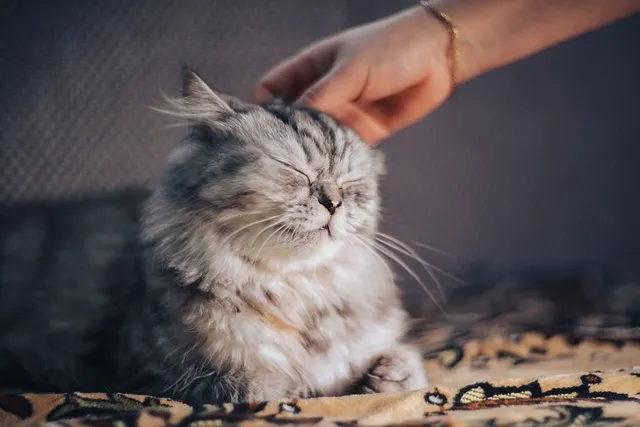
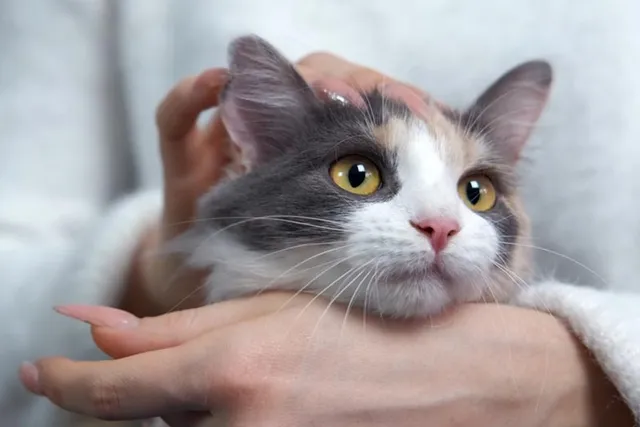
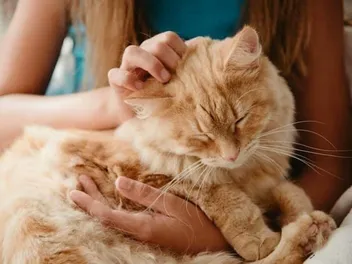
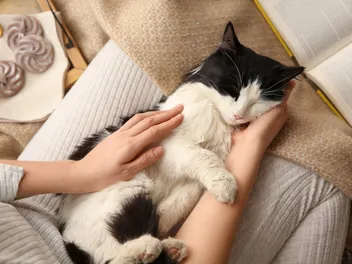
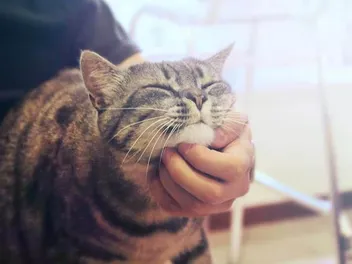
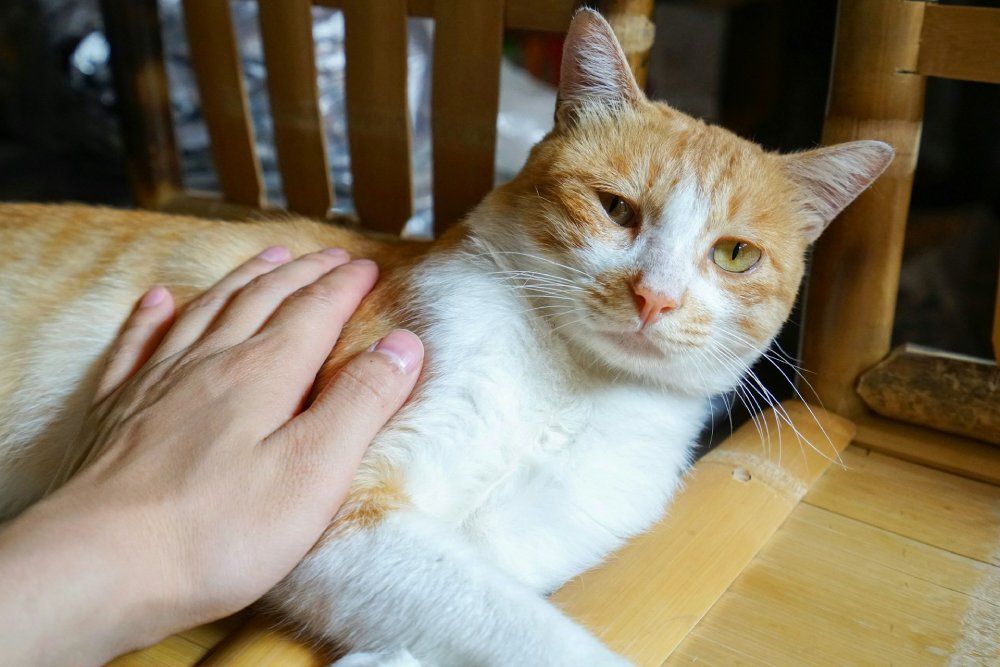
Perhaps you’re sitting on the couch with your cat that has wandered over to you for some affection. You oblige and scratch behind your pet’s ears as they lean into your hand. As you stroke your kitty’s back, you feel an unmistakable rumbling sensation. The chances are your cat is pleased with your attention and is communicating their feelings by purring.
Purring is one of roughly 21 different vocalizations that domesticated cats can make.1 You don’t have to be a pet owner to know what hissing or growling mean; both are warnings to leave the animal alone—or else. However, purring is more complex and can mean other things than pleasure. Let’s begin by discussing how your kitty can make this unique sound.

How Cats Purr
Purring occurs when a cat breathes in and out with the airflow controlled by the opening and closing of the animal’s vocal folds or vocal cords. Muscles manage the action and the sound. The diaphragm and other structures of the respiratory system are supporting players. It’s a low-pitched sound on the cusp of our hearing range.
Interestingly, the vocalization is unique to a few members of the animal kingdom, including species of European, Asian, and African cats called viverrids. Other felines able to purr include cheetahs, mountain lions, lynx, and bobcats. However, the so-called big cats, like lions and tigers, can’t purr, but they can roar and chuff.
Another structure called the hyoid bone is involved with feline vocalization. Instead of a bone, big cats have an elongated elastic ligament called the epihyoid. It allows for the movement of the larynx, or voice box, so that these animals vocalize. The varying anatomies of the felines and the structure of their respective vocal cords determine whether they purr or roar.

The Reasons Cats Purr
We can classify feline vocalizations into four main categories: sexual, agonistic, mother-kittens, and human-pet. While dogs are more vocal, cats are more selective about auditory expression. Purring cats begin making this sound when they’re just a few days old, which suggests a role in the mother-kitten bond. Remember that felines are born helpless or altricial, and are completely dependent on their mother.
It is believed that the purring of mother and kittens is a way for them to communicate with each other and reinforce their bonds during feeding time. Some cats also purr when kneading, following this pattern set at birth with nursing.
Another study considered vocalizations’ role in the framework of emotional bonding.2 The researchers found that cats can recognize and, thus, respond to the emotions of their human companions. That can explain the contentment we perceive when our pets purr as we stroke them. It reinforces the bond you both feel.
It’s unclear whether purring is an instinctive response or a conscious decision. It may simply be a cat’s reaction to environmental stimuli. It’s worth noting that felines may also purr when stressed. That falls in line with mother-kitten communication and its probable role. However, other research has identified a novel reason for purring.
One study looked at the parameters of purring.3 The researchers measured frequencies between 25 and 150 Hz. The low sound is vital for vulnerable kittens with their mothers. Interestingly, these frequencies also coincide with the best ranges for promoting healing used in treating fractures and other injuries. Therefore, purring may help felines recover quicker and better survive trauma.

The Terminal Purr
We tend to associate purring with a happy cat, which is why it can be confusing when a very unwell cat begins purring. We know that cats will purr in times of stress, injury, or illness; purring releases endorphins in the cat’s brain, as well as triggering them in ours! We believe that cats that are in pain, or entering the end stages of an illness or old age, purr as a method of self-soothing. The endorphins released help them to feel better, so the more they purr, the better they feel.
Although it is not an accurate measure, sometimes purring in a very unwell or elderly cat can be an indication that the end may be near.
Final Thoughts
Purring can mean many things, and have many different effects. We know that cats will purr when they feel happy and content, but now we also understand that these soothing rumbles can help solidify the bonds between them and other cats and with their people.
The sound frequency and vibrations of the feline purr trigger endorphin release, not only in the cat, but in humans as well, so it literally makes us all feel better. Cats will purr to feel closer to us and also to help themselves feel better in times of stress, illness, or pain.
So next time your cat sits on your lap or your chest and starts up that noisy motor, sit back and enjoy the endorphins, as well as the knowledge that your cat enjoys your company and wants to strengthen the bonds between you.
If you are worried that your cat’s purring doesn’t quite match up with how they are otherwise behaving, it is worth making an appointment with your vet in case there is something else they are trying to tell you.
Related Read:
Sources
Featured Image Credit: 毛 祥, Unsplash
Expert cat care, straight to your inbox
News, insights, and useful advice, delivered to you.

No spam — unsubscribe anytime.
By signing up, you agree to our Terms & Conditions and Privacy & Cookies Policy.
How useful was this post?
Click a star to rate. You can leave written feedback afterwards. (We read all feedback.)
Chris has been a science-focused pet writer since 2009, specializing in health and the environment. She lives with her husband Norm and three amazing cats in the land of 10,000 lakes. When she's not writing about cats, Chris also enjoys boating and sampling wine. She has her WSET 1 and 2 certifications and is currently pursuing her Certified Wine Specialist Award (CSW).